ENG




9689 visitors online
The tag "thermal power plant" highlights significant challenges faced by Ukraine, including security threats and economic implications. Notably, repeated attacks on thermal power plants, such as in Dobrotvirska and DTEK operated facilities, have led to significant damage and disruption in electricity supply. Another critical incident involves PJSC Centrenergo's failure to receive coal after a 132 million hryvnia payment, reflecting severe financial misconduct. Compounding these issues was an oil spill near Ladyzhyn TPP and drone strikes on the Zuiivska plant, showcasing the multifaceted threats to Ukraine's energy infrastructure. These incidents stress the need for robust protective measures and transparency in dealings to secure the energy sector.
What are the consequences of repeated attacks on thermal power plants in Ukraine?
The repeated attacks on thermal power plants in Ukraine have severely disrupted electricity supply across various regions, impacting both civilian and industrial activities. Infrastructure damage from such attacks not only causes immediate power outages but also requires substantial resources and time to repair, further straining Ukraine's energy network. Moreover, these incidents lead to long-term implications for the economy, as affected power facilities struggle to maintain normal operations, increasing the dependence on international support for energy resilience.
How has financial misconduct affected Centrenergo's operations?
Centrenergo's operations have been significantly impacted by financial misconduct, evidenced by the advance payment of 132 million hryvnias for coal that was never delivered. This mismanagement not only weakened Centrenergo's financial standing but also disrupted coal supplies crucial for the continued operation of thermal power plants. Such instances of financial impropriety undermine trust within supply chains, necessitating stricter oversight and governance to prevent recurrence and ensure accountability in energy sector transactions.
How did drone attacks affect the Zuiivska thermal power plant in Zuhres?
Drone attacks on the Zuiivska thermal power plant in Zuhres caused significant damage, rendering its second boiler's transformer inoperative. This has exacerbated electricity supply challenges in occupied areas, already strained by ongoing conflicts. The attack illustrates the vulnerability of power infrastructure to modern warfare tactics, highlighting an urgent need for enhanced protective measures such as improved air defenses to safeguard critical energy assets against future drone incursions.
What environmental impact resulted from the oil spill near Ladyzhyn TPP?
The oil spill near Ladyzhyn Thermal Power Plant has raised environmental concerns due to contamination of the Southern Bug water area in Vinnytsia. The spill risks harming aquatic life and disrupting local ecosystems, potentially affecting water quality supplied to nearby communities. Mitigation efforts must focus on swift cleanup operations and monitoring to prevent long-term ecological damage and ensure that such incidents are minimized through stringent operational protocols at thermal power facilities.
What role did international collaboration play in addressing energy security in Ukraine?
International collaboration has been pivotal in bolstering Ukraine's energy security amidst ongoing challenges. Partners like Lithuania have contributed vital equipment to facilitate repair and maintenance of damaged thermal power plants. Such assistance underscores a collective effort towards enhancing Ukraine’s energy resilience, underscoring the importance of global support in overcoming infrastructure vulnerabilities and ensuring the country's sustainable energy future amid geopolitical tensions.
News thermal power plant
 One of DTEK’s thermal power plants halts operations after Russian attack On 18 August, Russia launched a massive attack on one of DTEK Energy’s thermal power plants. The facility sustained extensive damage and completely stopped generating electricity. 2 303 9 Previously in trend: Attacks on the energy sector
 Sloviansk TPP suffered critical damage: only three out of seven chimneys may have survived The Sloviansk Thermal Power Plant in Donetsk Oblast has sustained critical damage—only three of the plant’s seven chimneys may have survived. There is currently no official confirmation of this information. 3 123 14 Previously in trend: Attacks on the energy sector
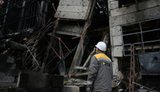 There is virtually no intact TPP left in Ukraine after Russian attacks, - Zelenskyy There is virtually not a single thermal power plant left in Ukraine that has not been damaged by Russian attacks. Due to the widespread destruction of its energy infrastructure, the country is entering the new heating season under extremely difficult conditions. 2 345 40 Previously in trend: heating season
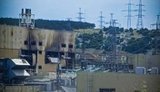 Thermal power plant hit in Sevastopol: almost 50% of occupied Crimea’s electricity generation – SOF Members of the underground resistance of the Special Operations Forces Resistance Movement, together with Deep Strike units of the Special Operations Forces, conducted an operation targeting the Balaklava Thermal Power Plant in temporarily occupied Sevastopol, Autonomous Republic of Crimea. 2 383 2 Previously in trend: Attacks on Crimea
 Russian agents who were directing enemy attacks on one of key TPPs in Dnipropetrovsk region have been detained, - SSU. PHOTO The Security Service’s counter-intelligence unit has detained two more FSB agents in the Dnipropetrovsk region. The suspects were directing Russian missile and drone attacks on the region’s energy infrastructure. 2 700 4 Previously in trend: Detention of adjusters spying in favor of Russia
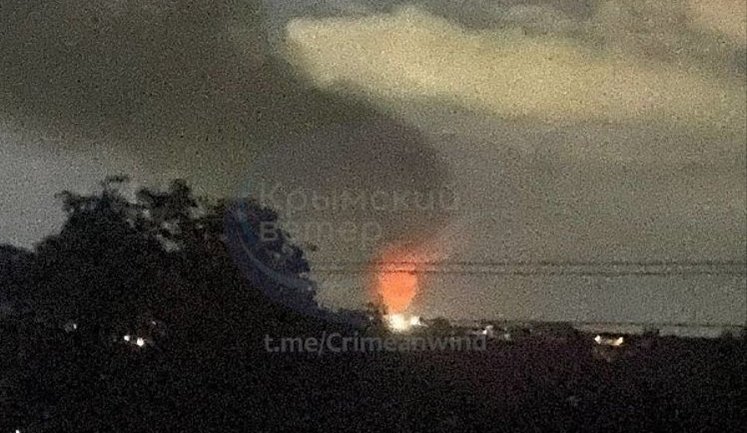
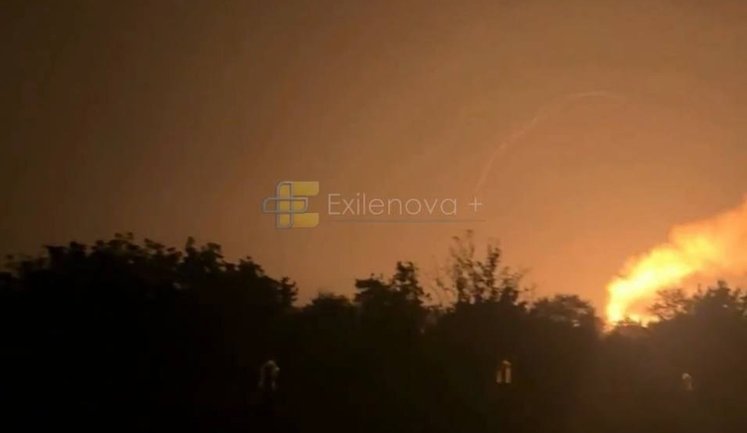
 Explosions were heard in occupied Crimea: a fire and thick smoke near the Tavriya Thermal Power Station. VIDEO On the night of Saturday, 20 June, explosions were heard in the temporarily occupied Crimea. The Tavriya Thermal Power Station was likely targeted. 6 504 35 Previously in trend: Attacks on Crimea Explosions in Crimea
 Drones attacked Zuivska Thermal Power Station in occupied Donetsk region: there is power cut. Railways in Luhansk region and oil depot in Crimea have been hit, - media. VIDEO&PHOTOS On the night of Saturday, 6 June 2026, drones struck several targets in the territories of Ukraine temporarily occupied by the Russian Federation. The targets included a thermal power station, railway infrastructure in the Donbas, and a fuel depot in Crimea. 5 587 9 Previously in trend: Attack of drones
 "Energy cells" and 1.5 GW of new generation: Shmyhal outlines new energy system architecture Ukraine is creating a new architecture for its energy system, which will consist of a network of "energy cells," and also plans to bring 1.5 GW of new distributed gas generation online as early as this year. 82 0 Previously in trend: Electricity Market
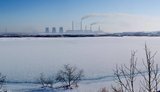 Russia is trying to restore Starobeshivska Thermal Power Plant in occupied Donetsk region, — NRC The so-called management of the Starobeshivska Thermal Power Plant in the occupied Donetsk region has begun mass recruitment of employees. 2 575 10 Previously in trend: Occupied territories - Crimea and Donbas
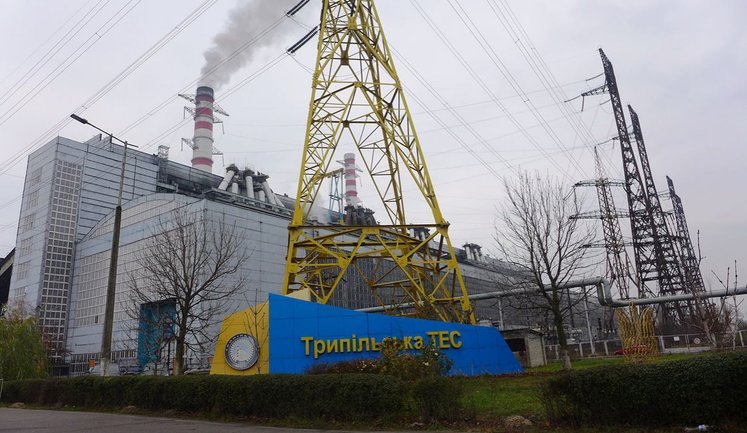
 Scheme to embezzle over 50 million hryvnias during renovation of Trypilska TPP has been uncovered, - SSU. PHOTOS A scheme to embezzle funds intended for the restoration of the energy infrastructure of the Trypilska Thermal Power Plant has been uncovered. 5 575 45 Previously in trend: embezzlement during infrastructure restoration
 Russian agent who was preparing new attacks on Kyiv TPPs detained, - SSU. PHOTO The Security Service detained another Russian military intelligence agent in the Kyiv region. The perpetrator was preparing new missile attacks by Russian forces on thermal power plants in the capital region of Ukraine. 3 421 11 Previously in trend: spying in favor of Russia
 Three employees of Sloviansk TPP died as result of attack by Russian Federation. There are new power outages in five regions, - Ministry of Energy The enemy carried out another combined missile and drone attack on energy infrastructure in several regions. 4 704 17 Previously in trend: Attacks on the energy sector Massive combined attack
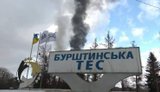 Burshtyn Thermal Power Plant has suspended operations due to significant damage, - Mayor Andriieshyn As a result of a large-scale combined attack carried out on February 7, the supply of water and heat was cut off in Burshtyn, Ivano-Frankivsk region. The Burshtyn thermal power plant, which was hit by Russian troops during the night, suffered significant damage and was temporarily taken out of... 6 440 59 Previously in trend: Attacks on the energy sector
 Enemy attacked DTEK TPPs in various regions: equipment was significantly damaged Russia has once again attacked DTEK's thermal power plants in various regions. 3 195 15 Previously in trend: Attacks on the energy sector
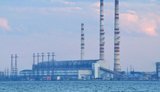 Russia struck Ukraine’s critical energy grid, - Shmyhal On the night of February 7, the enemy attacked key substations and thermal power plants in Ukraine. Several rounds of emergency blackouts were introduced across the country. 3 817 28 Previously in trend: Attacks on the energy sector
 17-year-old Russian agent who helped enemy prepare new attack on Burshtyn Thermal Power Plant detained - SSU. PHOTOS The Security Service of Ukraine's (SSU) counterintelligence unit detained another Russian agent in Ivano-Frankivsk. She turned out to be a 17-year-old graduate of a local technical college recruited by the enemy, who was preparing a new series of missile strikes on the energy infrastructure of... 6 699 27 Previously in trend: spying in favor of Russia
 Energy crisis for years: why Kyiv won’t "bounce back" quickly – Olha Kosharna explains. VIDEO Russia is stepping up strikes on Ukraine’s energy system, with Kyiv, Kharkiv, and Odesa falling into the highest-risk zone. In a conversation with energy expert Olha Kosharnа, we explain in plain language why restoring heat and electricity after the latest strikes could take years, why relying... 15 310 73 Previously in trend: Power outages Attacks on the energy sector
 Russia has once again attacked DTEK’s TPP: this is eighth massive strike since October 2025 Russian invaders have once again attacked a DTEK thermal power plant in one of Ukraine's regions. 3 219 25 Previously in trend: Attacks on the energy sector missile attack
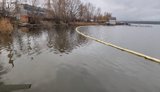 Fuel oil spill recorded in Southern Bug near Ladyzhyn TPP. PHOTOS In the Vinnytsia region, an oil spill was recorded in the Southern Bug water area near the Ladyzhyn Thermal Power Plant. 2 103 1 Previously in trend: Fuel oil spill in Southern Bug
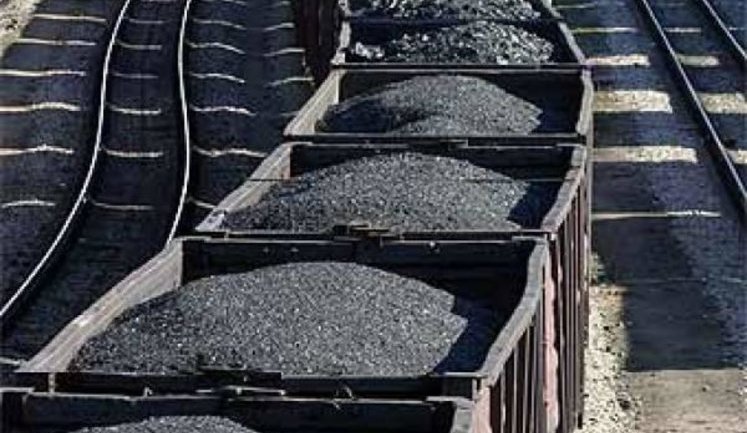
 Centrenergo paid private firm 132 million hryvnias for coal for its power plants that was never delivered – Bihus.Info. VIDEO PJSC Centrenergo paid 132 million hryvnias in advance to the private company Teplosfera UA LLC under a coal supply contract. However, the company not only failed to fulfil its obligations but also did not return the money. 17 729 60 Previously in trend: Centrenergo procurement
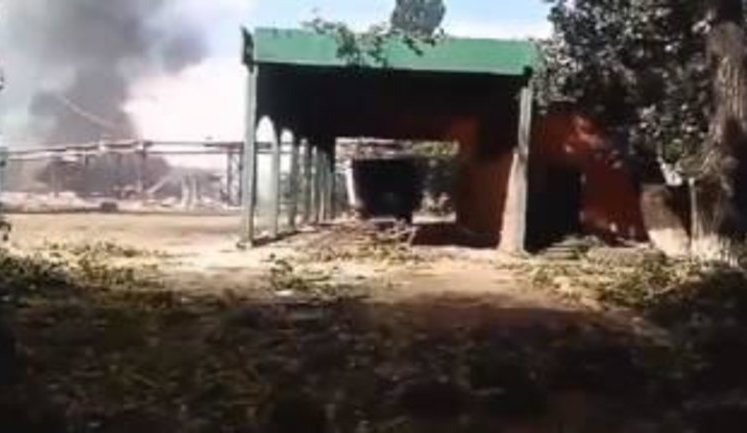
 Drones hit thermal power plant in Zuhres, leaving parts of occupied Donetsk region without electricity. VIDEO On the night of 18 November in Zuhres, the Zuiivska thermal power plant (TPP) came under attack. On the night of 18 November in Zuhres, strike drones hit the transformer of the second boiler, which has been put out of service. 3 668 11 Previously in trend: Occupied territories - Crimea and Donbas
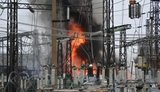 Occupiers strike DTEK thermal power plant again: equipment suffers serious damage Russia has once again attacked the DTEK thermal power plant. The attack caused serious damage to the equipment. 4 212 20 Previously in trend: Attacks on the energy sector
 Centrenergo on today’s attack: Our thermal power plants have stopped. Currently, there is zero generation All Centrenergo thermal power plants have been shut down due to a massive night-time attack by the Russian Federation and are not generating electricity. 27 111 232 Previously in trend: Attacks on the energy sector
 Third most powerful thermal power plant in Russian Federation was hit in Kostroma region. PHOTO On the morning of 6 November, drones attacked Kostroma Thermal Power Plant, Russia's third-largest thermal power plant. 7 686 27 Previously in trend: Drone attack on Russian regions Strikes on Russian energy system
 Enemy struck Dobrotvirska TPP in Lviv Oblast: critical infrastructure damaged On the morning of 30 October, explosions were heard in the town of Dobrotvir in the Lviv region. The enemy attacked the settlement with cruise missiles, "Kinzhal" missiles and drones. 6 735 27 Previously in trend: Attacks on the energy sector
 Russians attacked DTEK’s thermal power plant: equipment seriously damaged Russian occupation forces have struck a DTEK thermal power plant. 5 505 8 Previously in trend: Attacks on the energy sector Shelling of energy and gas infrastructure
 Ruscists massively attacked one of TPP - Ministry of Energy On the night of July 24, the enemy carried out a massive shelling of one of the thermal power plants (TPPs) in Ukraine. 3 195 3 Previously in trend: Attacks on the energy sector
 Such strikes should lead to cooperation of all partners to force Russia to peace, - Zelenskyy on Shahed attack on Mykolaiv Today, February 16, 2025, at night, Russian troops targeted the critical infrastructure of Mykolaiv. 2 272 23
 Russian Federation attacks DTEK’s thermal power plants: serious damage has been caused On the morning of 25 December 2024, Russian troops attacked DTEK's thermal power plants: the equipment was seriously damaged. 10 671 26
 Ruscists attacked thermal power plant in Donetsk region: rescuer was killed and wounded Russian troops shelled a thermal power plant in the Donetsk region, killing a power engineer. 1 840 2 Previously in trend: War
 Russia has destroyed all thermal and largest hydroelectric power plants in Ukraine, - Zelenskyy President Volodymyr Zelenskyy said that the aggressor country Russia had destroyed all thermal and largest hydroelectric power plants in Ukraine. 3 769 46
 Cabinet of Ministers adopted resolution to install floating TPPs in Ukraine The Cabinet of Ministers has approved measures to organize the installation of gas piston and/or gas turbine units on technical fleet vessels. 154 0
 Baerbock visited one of largest TPPs of Ukraine, which was destroyed by Russian Federation The Minister of Foreign Affairs of Germany, Annalena Baerbock, together with the Minister of Energy of Ukraine, Herman Halushchenko, visited one of the largest power plants of Ukraine, which was destroyed by the Russian Federation with massive missile strikes. After what she saw, the German politician emphasized the importance of strengthening Ukraine’s air defense. 5 201 18
 Occupiers fired five missiles at Sloviansk thermal power plant. PHOTO Today, on 5 May, the Russian military fired five missiles at the territory of Sloviansk TPP. 15 064 67 Previously in trend: Russian aggression against Ukraine War
 Occupiers attacked 4 TPPs of DTEK, there are serious damages and victims On the night of 27 April, Russian troops attacked 4 DTEK TPPs, severely damaging equipment. 19 836 71 Previously in trend: War
 Shelling of Trypillia TPP: environmental prosecutors document environmental damage. PHOTO Prosecutors from the Specialised Environmental Prosecutor’s Office, together with experts from the State Environmental Inspectorate, are investigating the extent of possible environmental damage caused by the shelling of the Trypillia TPP. 1 843 9
 Environmental prosecutors establish environmental consequences of Russian shelling of Trypillia TPP. PHOTOS Prosecutors of the Specialised Environmental Prosecutor’s Office of the Kyiv Regional Prosecutor’s Office, in cooperation with other specialists, are working to establish the extent of the environmental damage caused by the shelling of the Tripillya TPP by the Russian armed forces. 1 639 3
 Trypillia TPP was destroyed because Ukraine had zero missiles to defend it - Zelenskyy. VIDEO President Volodymyr Zelenskyy said that Russia managed to destroy the Trypillia TPP because Ukraine had completely run out of missiles to defend it amid a lack of necessary assistance from its allies. 12 423 145 Previously in trend: War
 Trypillia TPP was too large, it was impossible to protect it with engineering structures - Head of State Agency for Reconstruction and Development of Infrastructure Naiiem The Trypillia TPP was a very large facility, so it could not be protected by engineering structures alone. Air defense systems were also needed. 10 734 74
 Kuleba: Destruction of Trypillia TPP would not have happened if we had Patriot Ukraine emphasizes to its foreign partners the critical importance of supplying modern Patriot air defense systems, the lack of which made it possible for Russia to destroy the Trypillia TPP near Kyiv. 6 648 120
 Satellite town of Trypillia TPP has introduced emergency power and water supply outage schedules Ukrainka, satellite town of the Trypillia TPP, has introduced emergency power outage schedules and water supply schedules. At the same time, Ukrayinka’s city council and all local services are working to eliminate the consequences of the missile attack on the plant. 4 675 24
 Burshtyn decided to switch to autonomous heating after Russian attack on TPP The city council of Burshtyn, Ivano-Frankivsk region, has allowed owners of apartments and non-residential premises to install individual heating. 8 310 22
Lithuania will transfer equipment for thermal power plants to Ukraine - Ministry of Energy Lithuania is ready to support Ukraine and provide equipment that will help carry out restoration and repair work. Ukraine will receive two powerful autotransformers and 72 cargoes with other necessary power equipment weighing more than 1,300 tons. 1 177 8
Missile attack on March 22: occupiers destroyed Zmiivska TPP in Kharkiv region, all units were destroyed - "Centrenergo" Minister of Energy Herman Halushchenko visited the Zmiivska TPP and saw the scale of the destruction after the enemy missiles hit. 8 097 65
 Missile attack on 22 March: Russians destroy all power units at Burshtyn and Ladyzhyn TPPs As a result of a massive hostile attack on 22 March, all power units at Burshtyn Thermal Power Plant (Ivano-Frankivsk Oblast) and Ladyzhyn Thermal Power Plant (Vinnytsia Oblast) were destroyed. 36 335 107
 DTEK: Important and valuable equipment was damaged as result of night attack on TPPs, and recovery time may be significant Since the beginning of winter, 40 enemy attacks on DTEK’s thermal power plants have been recorded 7 155 26
 Enemy fired at thermal power plant in Dnipropetrovsk region - Ministry of Energy The enemy continues terrorist attacks on civilian energy infrastructure. On the night of February 13, one of the thermal power plants in Dnipropetrovsk region was shelled. 2 264 5
 One of DTEK’s TPPs stops generating electricity as result of enemy shelling One of DTEK’s thermal power plants stopped generating electricity as a result of hostile shelling. 6 478 19
Page 1 of 2
more news