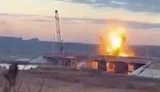
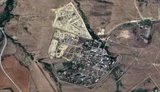
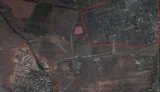
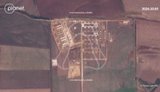
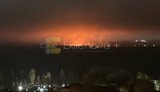
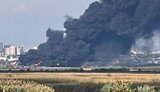
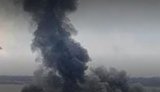
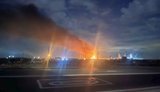
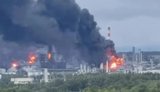
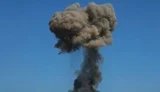
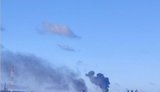
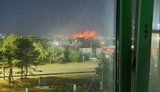
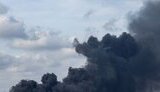
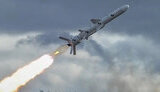
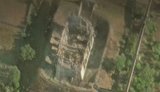
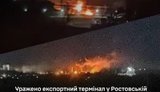
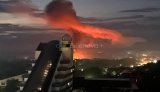
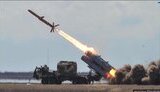
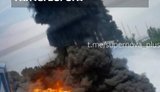
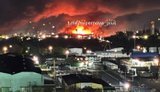
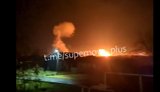
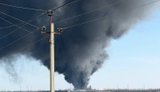
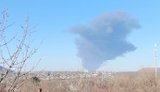
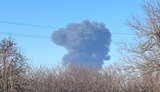
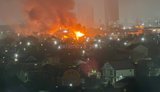
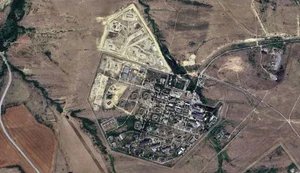
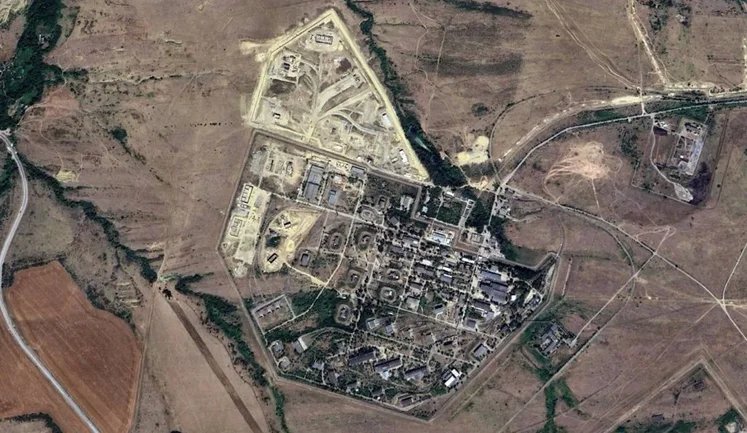
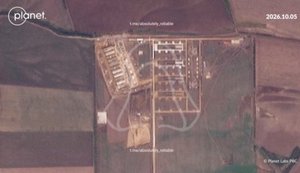
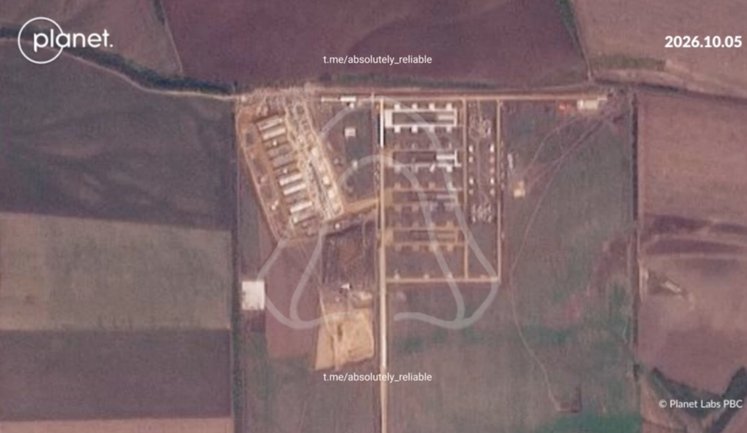
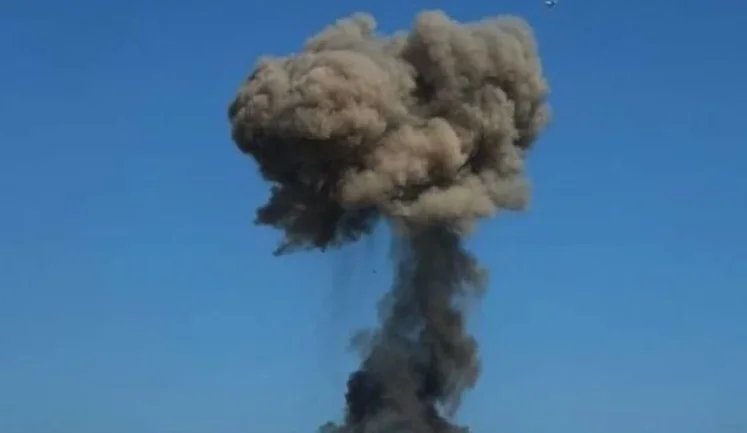
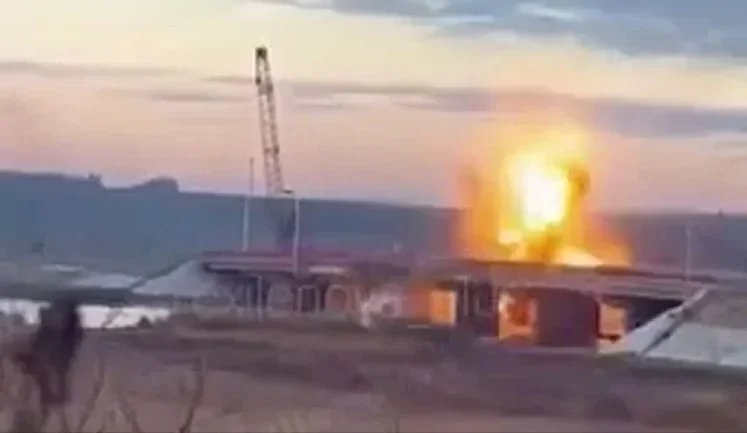
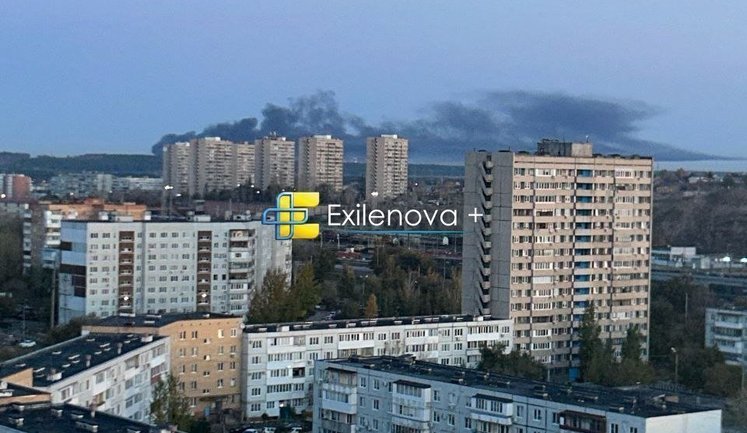
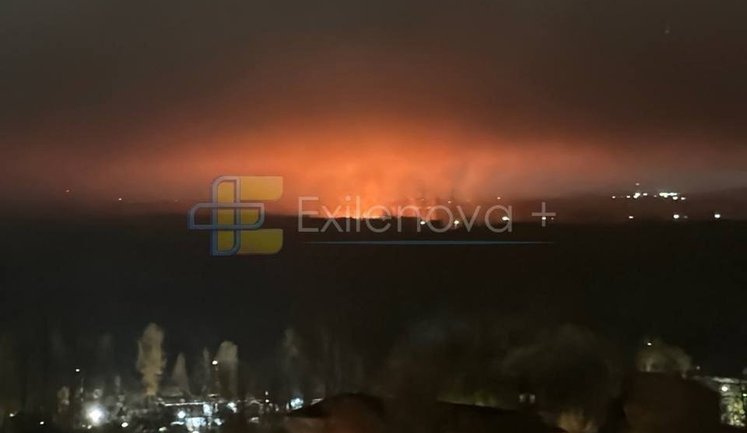
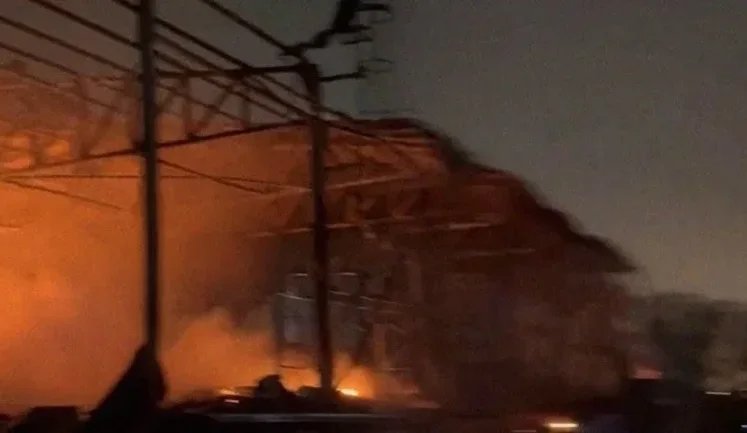
The Rostov region of the Russian Federation is increasingly becoming a hotspot for military tensions and drone attacks. Recent actions have included the construction of a new drone launch site near Millerovo, highlighting the region's strategic importance. Satellite photos show the rapid development of this site, designed for launching jet-powered drones—indicative of heightened readiness. Concurrently, attacks on oil infrastructure, notably at Novoshakhtinsk and Rostov-on-Don, have caused significant damage. These facilities were critical for petroleum supply, processing millions of tons yearly. The repeated targeting of key military and industrial sites, including the Azov Optical-Mechanical Plant and the Kamensky Military-Industrial Complex, underscores the ongoing conflict's intensity and complexity. As drone warfare escalates, the region's security dynamics continue to evolve.
What is the strategic importance of the Rostov region?
The Rostov region in Russia is of great strategic importance due to its proximity to Ukraine and its role as a hub for both military activities and oil refining. The region hosts several significant military facilities and industrial complexes, making it a focal point of tensions and conflict. The construction of a new drone launch site further enhances its military significance.
How have drone attacks affected the Rostov region's economy?
Drone attacks have severely impacted the Rostov region's economy, particularly through damage to key oil refineries like the Novoshakhtinsk plant. These sites are vital for processing millions of tons of petroleum products, and their disruption has significant economic repercussions, affecting local industries and energy supplies.
What measures are being taken to improve security in the Rostov region?
In response to the increased drone attacks, security measures in the Rostov region include the development of advanced military infrastructure such as the recent establishment of a drone launch site. These measures aim to bolster defense capabilities and reduce vulnerabilities against airborne threats, illustrating Russia's strategic priorities in the region.
How has the local population been affected by the ongoing strikes?
The local population in the Rostov region has been affected by the ongoing strikes through safety concerns and economic disruptions. The repeated targeting of infrastructure has led to evacuations, damage to residential areas, and disruptions to daily life, prompting heightened anxiety and instability among residents.
What are the potential long-term implications of these strikes in Rostov?
The long-term implications of these strikes in the Rostov region could include a heightened arms race, increased military presence, and sustained economic disruptions. The ongoing conflict may lead to long-term damage to critical infrastructure, affecting both Russia's military capabilities and economic stability in the region.