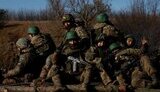
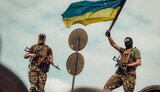
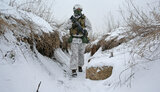
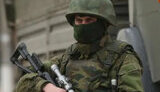
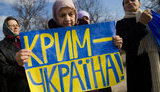
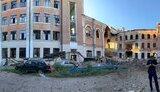
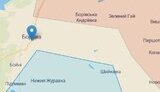
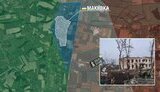
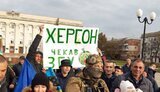
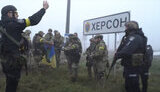
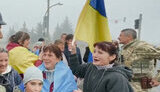
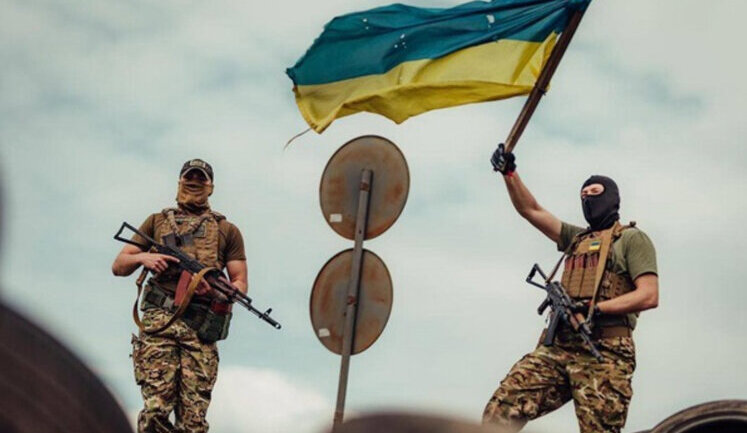
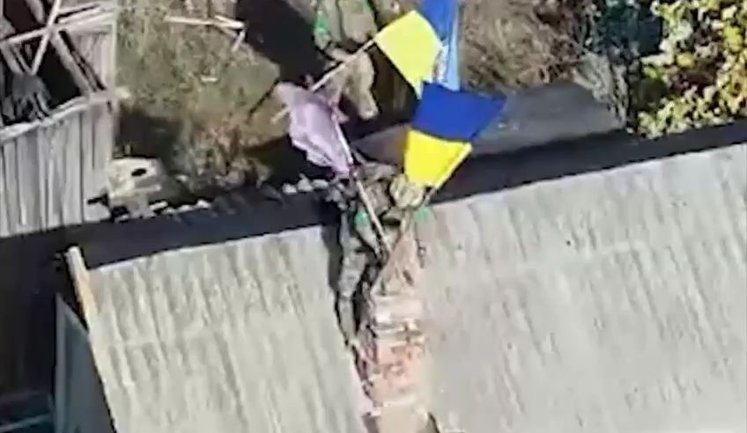
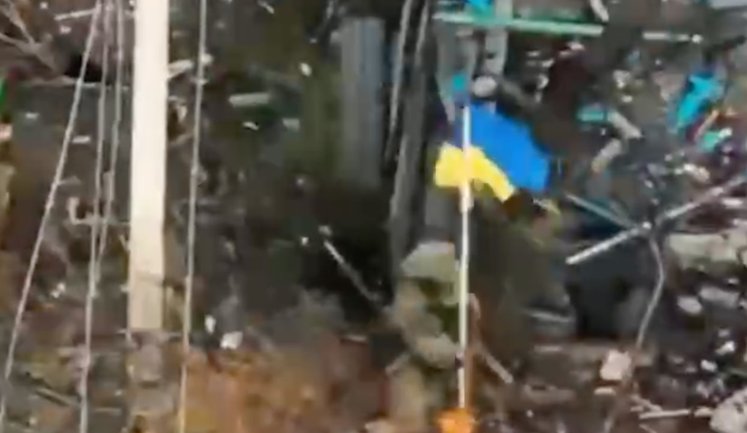
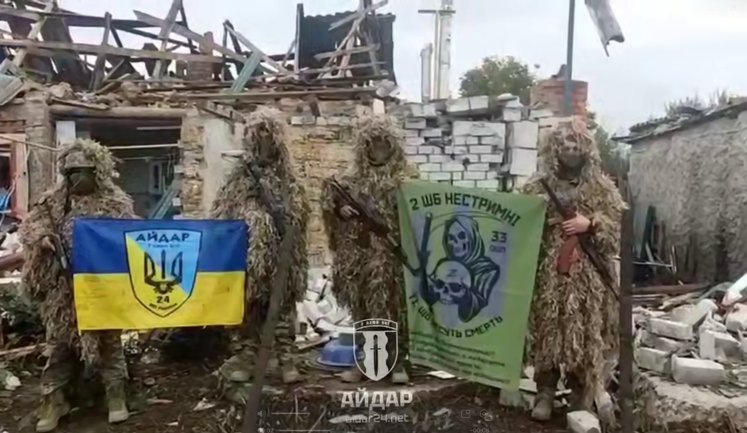
Ukraine's de-occupation efforts have seen remarkable success recently, with the Armed Forces liberating significant portions of occupied territory. The Dnipropetrovsk region is nearly free, with just three settlements remaining under enemy control. Notable advances include the liberation of 460 km² in the south, as confirmed by President Zelenskyy, and ongoing initiatives in southern sectors leading to the recovery of occupied villages like Pankivka and Sukhetske. Despite these victories, challenges such as resource limitations and slow arms supplies persist, emphasizing the need for strategic planning in de-occupation operations. Ukraine's pursuit of freeing its territories remains steadfast, with diplomatic solutions being considered where direct military action isn't feasible.
What regions in Ukraine have recently been liberated?
The Ukrainian Armed Forces have made significant progress in de-occupying territories, including the Dnipropetrovsk region and southern sectors. Recent efforts liberated key areas like Pankivka and Sukhetske, contributing to the gradual reclamation of occupied lands.
What challenges are Ukraine facing in de-occupation efforts?
Ukraine faces numerous challenges, including a scarcity of resources and slowed arms supplies. These factors complicate the pace at which the Armed Forces can de-occupy territory, highlighting the importance of strategic planning and potential diplomatic solutions.
How much territory has Ukraine reclaimed from Russian occupation?
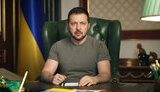
Significant progress has been made, with President Zelenskyy noting the liberation of 460 km² in the south and additional recent victories in other regions. Cumulatively, Ukraine has reclaimed thousands of square kilometers since the onset of the invasion.
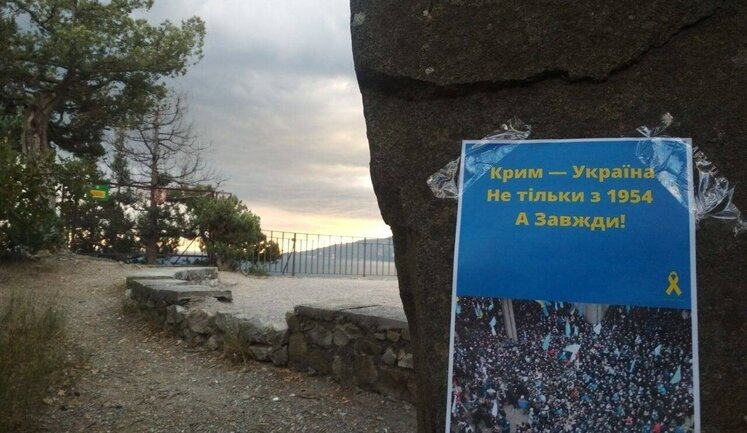
What is Ukraine’s strategy for de-occupying Crimea?
The strategy involves both military operations and diplomatic negotiations. As affirmed by Ukrainian officials, reclaiming Crimea is a priority, focusing on a combination of pressure and diplomatic efforts to achieve this strategic goal.
What role does international support play in Ukraine’s de-occupation?
International aid is crucial, particularly in terms of military support and diplomatic backing. Alliances such as NATO provide essential resources and strategies that aid in countering aggressor forces and reclaiming occupied territories effectively.