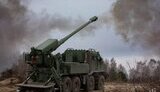
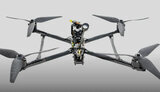
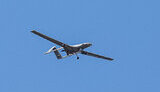
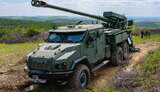
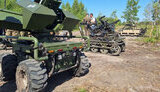
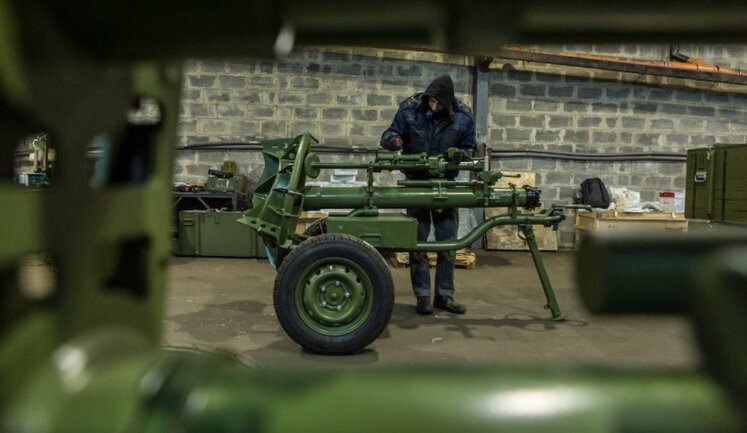
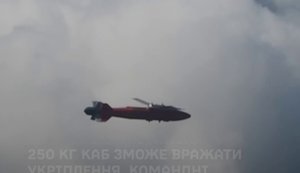
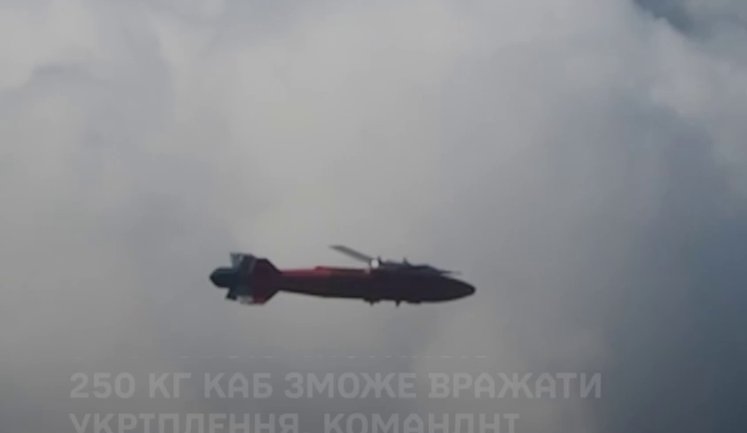
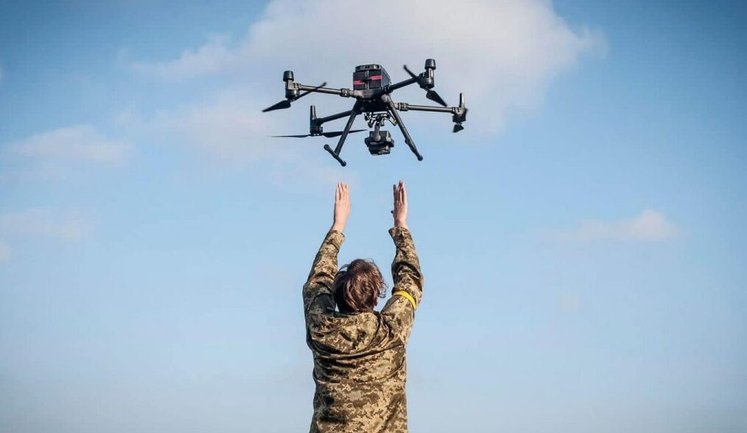
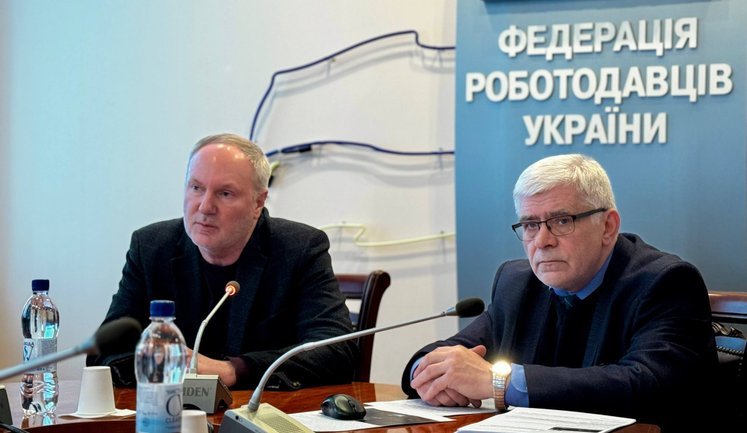
Ukraine is actively collaborating with the European Union to bolster its defense-industrial complex through joint initiatives focused on drones, air defense, and long-range capabilities. The Ministry of Defense is spearheading projects to align funding and technological development. Moreover, the National Association of the Defence Industry of Ukraine (NAUDI) is pressing for the lifting of arms export restrictions to capitalize on global demand, while ensuring transparent procedures are in place. Amidst these developments, Ukraine's defense industry addresses internal security challenges, evidenced by recent discoveries of espionage activities targeting Ukrainian arms manufacturers. This highlights the importance of protective measures within the sector. The focus on enhancing production capabilities and international cooperation signals a strategic shift to fortify Ukraine’s defense posture while contributing to its economic resilience.
What are Ukraine's current projects within the defense-industry?
Ukraine is currently engaged in joint projects with the European Union in the areas of unmanned drones, air defense systems, and long-range military capabilities. These collaborations aim to enhance technological advancements and increase funding in the defense sector, emphasizing mutual benefits and security. The initiatives align with broader strategies to modernize and strengthen Ukraine's defense-industrial complex.
Why is NAUDI advocating for lifting arms export restrictions?
The National Association of the Defence Industry of Ukraine (NAUDI) is advocating for the removal of arms export restrictions to overcome the underutilization of the Ukrainian defense sector. Removing these barriers can enable the defense industry to tap into international markets, bring in much-needed revenue, and ensure the competitiveness of Ukrainian armament on a global scale.
How is the Ukrainian defense industry dealing with espionage threats?
The recent discovery of Russian intelligence equipment in Ukrainian defense firms underscores the ongoing espionage threats. The industry is responding by enhancing internal security measures and maintaining vigilance to safeguard sensitive information and technology. Coordinated efforts between military intelligence and defense entities are critical to counteract and prevent further espionage activities.
What changes are being made to Ukraine's Defense City law?
Amendments to the Defense City law are being proposed to simplify and improve the legal framework governing defense activities. The changes aim to create an environment conducive to the growth and operation of defense enterprises, facilitating better regulatory conditions and promoting economic resilience within the defense sector.
How is Ukraine addressing mobilization exemptions in the defense sector?
Ukraine has implemented measures that allow critically important defense enterprises to temporarily exempt certain employees from mobilization if they have unresolved military registration status. This provision ensures the continued functioning and stability of key industrial operations essential to the country's defense needs during emergencies or periods of heightened demand.
What role do foreign partnerships play in Ukraine's defense sector?
Foreign partnerships are instrumental in bolstering Ukraine's defense capabilities. Collaborations with countries like Finland and Poland include mutual state quality assurance mechanisms and co-production agreements. These alliances help enhance technological exchange, standardize defense manufacturing, and secure strategic economic and security benefits for Ukraine.