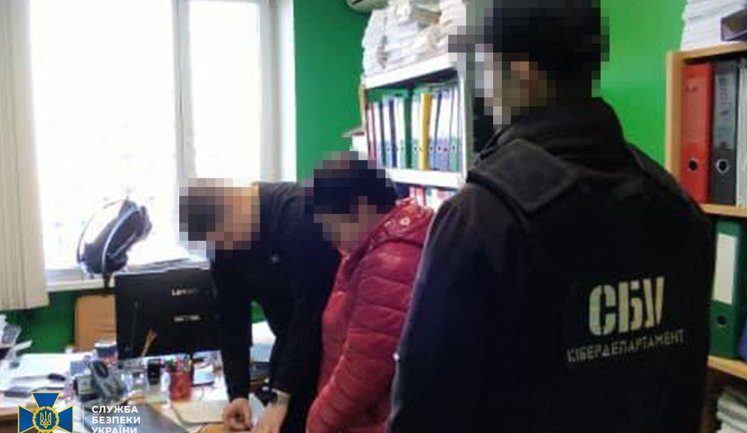
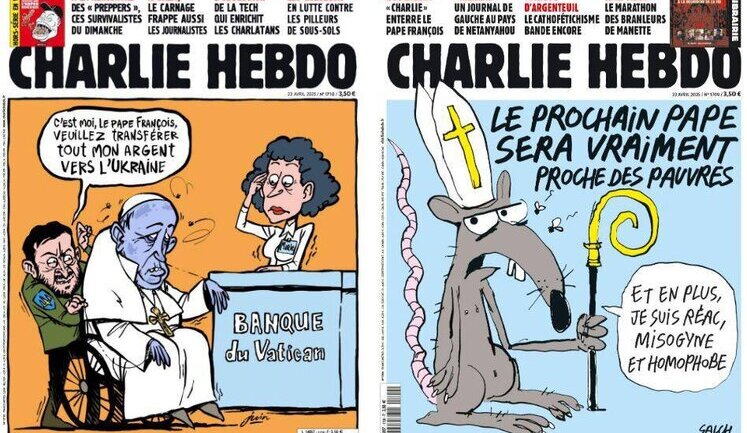
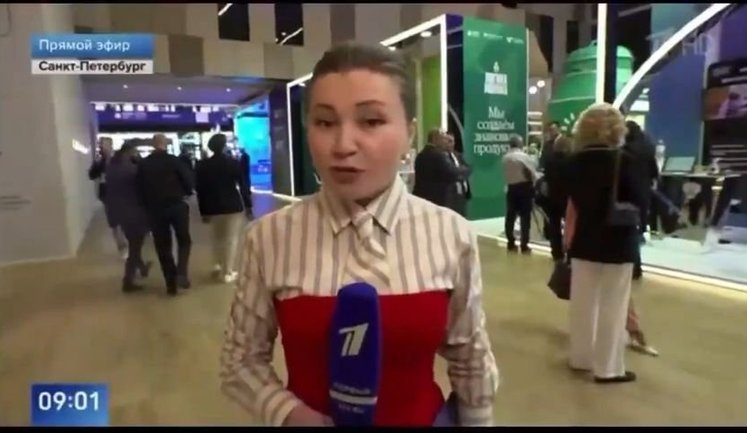
Russian propaganda continues to be a prominent tool in influencing perceptions and spreading misinformation, with recent developments highlighting its impact and the global response. High-profile cases include a Ministry of Culture official in Ukraine praising Putin and distorting facts about Ukraine's Armed Forces. The EU has imposed sanctions on individuals spreading Russian disinformation supportive of Russia's aggression. Additionally, the Kremlin struggles with propaganda abroad due to restricted access to social media, while its narratives, often unverified, gain traction in parts of Europe. Such activities underscore the persistent challenge Russian propaganda poses to global information integrity.
How does Russian propaganda affect global perceptions?
Russian propaganda affects global perceptions by disseminating misinformation to shape narratives favorable to its geopolitical interests. By manipulating facts and creating misleading reports, it influences public opinion and political discourse in various countries, contributing to confusion and polarization.
What are the recent actions taken by the EU against Russian propaganda?
The European Union recently imposed sanctions on four individuals responsible for spreading Russian propaganda. These actions aim to combat disinformation supporting Russia's war efforts and hold accountable those perpetuating false narratives that threaten European stability and security.
What challenges does Russia face in spreading propaganda abroad?
Russia faces significant challenges spreading propaganda abroad due to the limited access to popular social media platforms. Restrictions on networks like Telegram and reduced presence on international platforms have hindered the Kremlin's ability to effectively disseminate its narratives globally.
In what ways is Russian propaganda targeting Ukrainian territory?
Russian propaganda targets Ukrainian territory by promoting deceptive narratives about the conflict, creating false stories about Ukrainian military and political figures, and seeking to justify military aggression. Such disinformation campaigns aim to undermine Ukrainian sovereignty and justify Russian actions in international eyes.
How has Russian propaganda influenced European media outlets?
Russian propaganda has influenced European media outlets by introducing misleading storylines that some outlets and politicians propagate without verification, contributing to misinformation prevalence. This impact often results in misinformed public debates and spread of unsubstantiated views within European societies.
What role does the Russian entertainment industry play in propaganda?
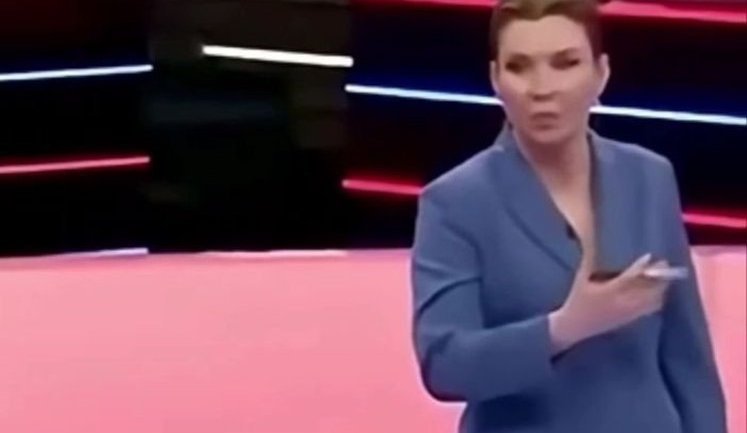
The Russian entertainment industry plays a role in propaganda by integrating nationalistic themes into performances and media content, which align with state-sponsored narratives. This approach helps normalize and reinforce pro-Russian sentiments among domestic and, at times, international audiences.
What measures are taken to counter Russian propaganda in Ukraine?
In Ukraine, measures to counter Russian propaganda include monitoring and publicly debunking false claims, imposing sanctions on propagandists, and collaborating with international partners to identify and restrict the spread of disinformation through legal and policy frameworks to protect informational integrity.
How does misinformation from Russia affect local communities?
Misinformation from Russia affects local communities by fostering distrust, sowing division, and exacerbating conflicts. It seeks to undermine social cohesion and create an environment of uncertainty, which can lead to misinformed attitudes and actions that disrupt community harmony and stability.