ENG




9672 visitors online
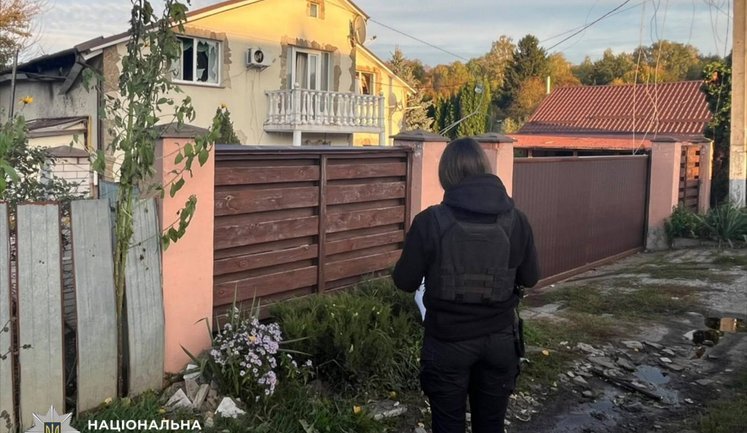
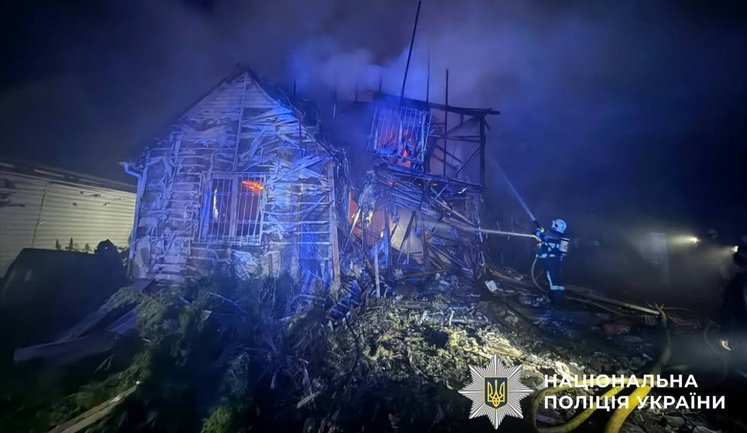
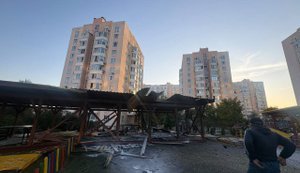
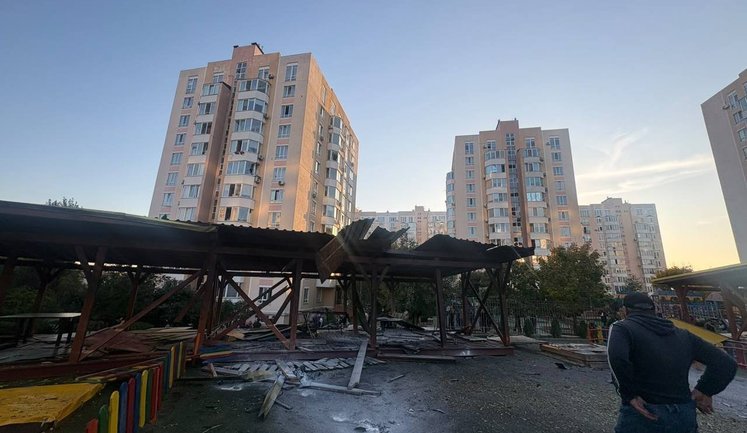
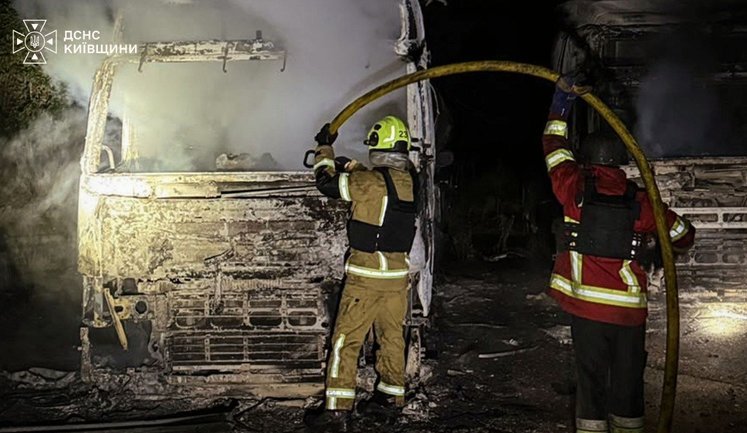
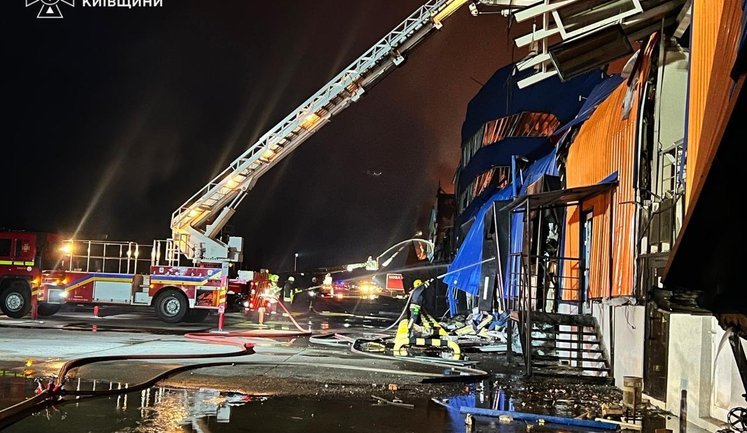
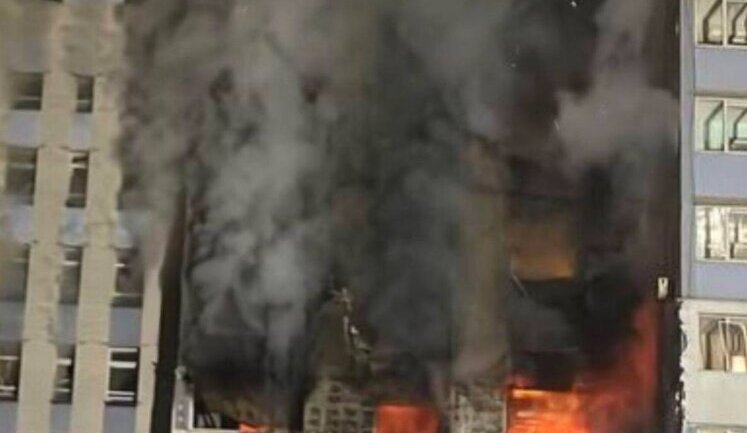
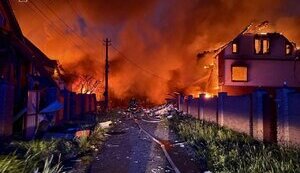
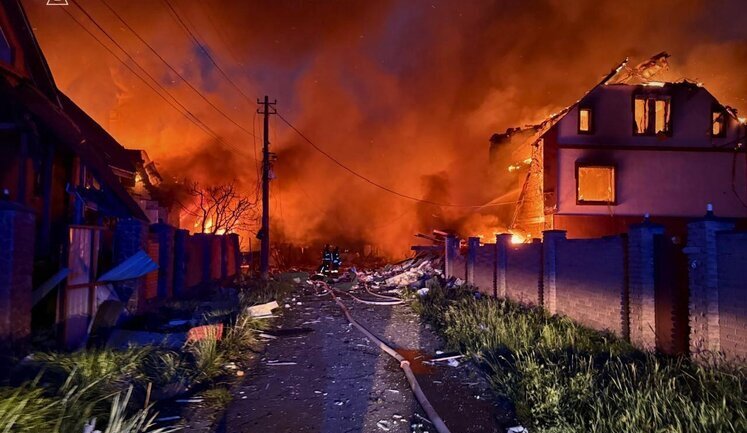
Recent news highlights the severe impact of Russian drone and missile attacks in the Fastivskyy District of Kyiv Region, Ukraine. Private homes, schools, kindergartens, and various civilian sites have been damaged or destroyed. Reports indicate numerous injuries and fatalities, including children, due to these ongoing assaults. The Fastivskyy District and neighboring areas have seen fires, destruction of critical infrastructure such as logistics centers and warehouses, and significant disruptions to daily life. Rescue and emergency services are working tirelessly to manage the aftermath and provide aid to affected residents. This situation underscores the ongoing threat and humanitarian crisis in the region.
What areas of Fastivskyy District were impacted by the attacks?
The Fastivskyy District in the Kyiv Region has experienced extensive damage from Russian attacks, impacting private homes, schools, kindergartens, warehouses, logistics centers, and vehicles, among other civilian sites.
How many people have been injured in recent attacks on Fastivskyy District?
Recent reports indicate numerous injuries, including both adults and children, due to the attacks in Fastivskyy District. The exact number varies with each strike, but injuries have been common in all affected areas.
What type of infrastructure damage has Fastivskyy District sustained from the attacks?
Fastivskyy District has sustained significant infrastructure damage, including destruction of residential buildings, schools, kindergartens, logistics facilities, and vehicles. The attacks have severely disrupted both public and private sectors.
What steps are being taken to address the aftermath of the attacks in Fastivskyy District?
Rescue and emergency services are actively engaged in managing the aftermath of the attacks in Fastivskyy District. Efforts include providing medical aid to the injured, assessing and documenting damage, and initiating recovery operations where safe and possible.
How are local authorities responding to continuous attacks on Fastivskyy District?
Local authorities in Fastivskyy District are collaborating with emergency services to mitigate the impact of continuous attacks. Efforts are focused on ensuring civilian safety, assessing damage, and coordinating relief and recovery operations.
What are the human consequences of these attacks in Fastivskyy District?
The human consequences in Fastivskyy District are severe, with widespread injuries, fatalities, and displacement due to destroyed homes and infrastructure. Many civilians, including children, have been affected both physically and psychologically.
News Fastivskyy district, Kyyivska region
 Attack on Kyiv region: four people injured, house and lorry destroyed. PHOTOS Over the past 24 hours, four districts in the Kyiv region came under enemy fire. There have been casualties, and private homes and cars have been damaged. 1 873 1 Previously in trend: Shelling of the Kyiv region
 Consequences of attack on Kyiv region: nine people injured, damage reported. PHOTO On 8 October and during the night of 9 October, Russian drones attacked the Kyiv region. The attack caused damage to private homes and blocks of flats, cars, warehouses and office premises, and a nursery. 1 072 0 Previously in trend: Shelling of the Kyiv region
 School and kindergarten damaged in Russian strikes on Kyiv region: people injured. PHOTO Russian occupiers continue to strike the Kyiv region. Bucha and Fastiv districts came under attack today. 1 353 0 Previously in trend: Shelling of the Kyiv region
 Enemy attacks Kyiv region: one person wounded, logistics centre, warehouse and cars damaged A man was injured in a Russian attack on Kyiv region on the evening of 7 October. Damage was recorded to a warehouse, a logistics centre and three cars. 1 215 0 Previously in trend: Shelling of the Kyiv region
 Enemy has attacked Kyiv region again: Fastiv and Brovary districts are under attack, and there is damage The enemy continues to attack the Kyiv region. Over the past 24 hours, the Fastiv and Brovary districts have come under attack. 1 136 0 Previously in trend: Shelling of the Kyiv region
 42 facilities in six districts of Kyiv region were damaged by Russian strikes: 6 people were injured Russian occupiers continue to attack the Kyiv region. Six people are reported to have been injured over the past 24 hours. 1 159 0 Previously in trend: Shelling of the Kyiv region
 Enemy attacks on Kyiv region: woman injured, damage reported in five districts A woman was injured in the Boryspil district of Kyiv region during Russian attacks on the evening of 30 September. 1 213 2 Previously in trend: Shelling of the Kyiv region
 Occupiers continue attacking Kyiv Oblast: 11 civilian sites damaged Kyiv Oblast has been under attack by enemy drones since early morning. Damage has been recorded in three districts. 1 426 1 Previously in trend: Shelling of the Kyiv region
 Russia attacked Kyiv region with ballistic missiles and drones; damage is being recorded in three districts, and one person has been injured. PHOTOS Russian forces attacked the Kyiv region with strike drones and ballistic missiles. 2 950 7 Previously in trend: Shelling of the Kyiv region
 Enemy attack on Kyiv region: Three people were injured, and damage was reported in four districts The Kyiv region has endured yet another enemy attack. Over the past day and night, damage was reported in four districts of the region. 2 032 2 Previously in trend: Drone attack on Kyiv region
 Russia is attacking Kyiv region with drones: damage has been reported in two districts On the afternoon of 22 September 2026, the enemy continues to attack the Kyiv region with strikes and rocket drones. 1 470 0 Previously in trend: UAV attack on Kyiv region
 Russian attack destroyed production facilities of ’Ventilation Systems’ company in Boiarka. PHOTOS On the night of 19–20 September 2026, the main production and storage facilities of the ‘Ventilation Systems’ company in Boiarka were destroyed as a result of a missile and drone attack. 3 015 1 Previously in trend: UAV attack on Kyiv region
 Russian attacks in Kyiv region: fires broke out in two districts. PHOTOS In the Kyiv region, rescue workers have dealt with the aftermath of enemy attacks. Fires broke out in the Bucha and Fastiv districts. 2 083 2 Previously in trend: Shelling of the Kyiv region
 Enemy has attacked Kyiv region: warehouses are on fire, and company buildings and vehicles have been damaged. VIDEO The Bucha, Boryspil, and Fastiv districts have reported the effects of attacks by Russian drones. 5 122 7 Previously in trend: Shaheds attack on Kyiv region Shelling of the Kyiv region
 Russian attacks on Kyiv region: injured child has died in hospital, and death toll has risen to four, three of whom were children In the Kyiv region, the death toll from Russian strikes has risen to four, including children. 2 458 3 Previously in trend: Shelling of the Kyiv region
Mother and her two children were killed in Russian attack on Fastiv district Today, 19 September, Russian forces carried out strikes on the Kyiv region, resulting in fatalities. 4 192 14 Previously in trend: Shelling of the Kyiv region
 Russia continues to attack Kyiv region: one person has been injured, and two districts are under fire Russian troops continue to launch attacks on the Kyiv region. 2 373 7 Previously in trend: Shelling of the Kyiv region
 Russians attacked Kyiv region with drones: five people were injured, including three children. PHOTOS Five people, including three children, were injured as a result of a morning attack by enemy drones in the Fastiv District of Kyiv Oblast. All of them received the necessary medical care. 1 639 2 Previously in trend: Shelling of the Kyiv region
 Massive drone and ballistic missile attack on Kyiv region: 33 facilities damaged across four districts (updated) Russian occupiers attacked the Kyiv region for most of yesterday, all night, and this morning. 3 232 2 Previously in trend: Shelling of the Kyiv region
 Enemy has attacked railway: strikes have been reported in Lutsk and Fastiv; passengers have been evacuated, – "UZ" (updated). PHOTOS The enemy is attacking the railway once again. This was reported on Facebook by Oleksandr Pertsovskyi, chairman of the board of ‘UZ’, according to Censor.NET. 7 361 25 Previously in trend: Shelling of Ukrzaliznytsia facilities
 Russian night-time attack on Kyiv region: fires at industrial sites, seven lorries destroyed (updated). VIDEO+PHOTO Russia launched drone attacks on the Boryspil and Fastiv districts of the Kyiv region. Fires broke out at industrial sites and seven lorries were destroyed. 4 263 1 Previously in trend: Drone attack on Kyiv region
 Rescue workers extinguished large-scale fire at infrastructure facility in Kyiv region following Russian attack. PHOTOS Rescue workers have brought a large-scale fire under control following an enemy attack on the Kyiv region. 2 776 1 Previously in trend: UAV attack on Kyiv region
 Russian attacks on Kyiv region: two killed, 28 sites damaged in five districts Today, 5 September, the Kyiv region once again came under enemy attack, resulting in fatalities. 2 960 9 Previously in trend: Shelling of the Kyiv region
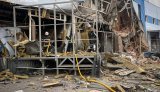 Since morning, enemy has attacked 3 districts of the Kyiv region: houses have been damaged Throughout September 4, the enemy attacked the Kyiv region with strike drones. 1 879 7 Previously in trend: Drone attack on Kyiv region
Russia attacks Kyiv region: three people injured, emergency services are extinguishing fires (updated) On 30 August, in the Fastiv district of the Kyiv region, two private homes were damaged as a result of yet another attack by Russian forces. A 23-year-old woman was injured and suffered an acute stress reaction. 2 950 2 Previously in trend: Drone attack on Kyiv region
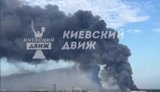 Attack on Kyiv region: warehouses are burning in Boryspil district During the night of August 27, Russian invaders attacked the Kyiv region with strike drones and ballistic missiles. Four districts were hit. 2 632 2 Previously in trend: Shelling of the Kyiv region
 Russian strike on "Epicentre": tile production facility destroyed, two warehouses demolished; one person killed and others injured. PHOTO Last night, the enemy launched a devastating attack on the production and logistics infrastructure of the company ‘Epicentre’. 13 380 50 Previously in trend: Massive combined attack
 14 people were killed and 27 injured as result of Russian Federation’s attack on Kyiv region. VIDEO+PHOTOS Efforts are continuing to deal with the aftermath of a massive enemy attack in the Kyiv region. 8 593 18 Previously in trend: Massive combined attack
 Massive Russian strike on the Kyiv region: warehouses and businesses are ablaze in three districts. VIDEO+PHOTOS Efforts are continuing to deal with the aftermath of a massive enemy attack in the Kyiv region. 5 402 9
 Killed comrade and woman and fled: serviceman was detained in Kyiv region – National Police. PHOTO In the Fastiv district of the Kyiv region, an intoxicated serviceman opened fire while on duty. As a result of the incident, another military serviceman and a civilian woman were killed, and another soldier was hospitalised with severe injuries. 7 239 38 Previously in trend: Killing of servicemen
 Russian attack on Kyiv region: two killed, number of injured rises to 11, 110 facilities damaged Two people were killed and 11 others injured, with 110 buildings damaged, as a result of a massive Russian attack on the Kyiv region on the night of 24 May. 1 939 0 Previously in trend: Drone attack on Kyiv region Massive combined attack
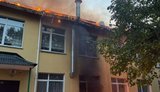 Russia attacked Kyiv region with drones: kindergarten and residential building were damaged in Fastiv district. PHOTOS On the night of 12 May, Russian invaders attacked the Kyiv region. Residential buildings, educational establishments and the everyday lives of our people came under drone attack. 1 482 1 Previously in trend: Drone attack on Kyiv region
 Driver hits electric scooter carrying two children in Kyiv region: 10-year-old boy killed, 8-year-old injured. PHOTO On Sunday, 3 May, in the Kyiv region, the driver of a Peugeot collided with an electric scooter carrying two young children. A 10-year-old boy died at the scene, whilst an 8-year-old sustained multiple injuries. 14 676 230
 Occupiers strike veterinary clinic in Chabany in Kyiv Oblast: animals killed. VIDEO+PHOTOS In Chabany, Kyiv Oblast, Russians attacked a veterinary clinic where animals were receiving treatment and being kept temporarily. 2 864 4 Previously in trend: Shaheds attack on Kyiv region
 Russian attack on Kyiv region: number of victims rises to 17, four of them children. PHOTOS In the Kyiv region, the number of victims of the Russian combined attack on Sunday, 22 February, rose to 17 people, four of whom are children. 5 007 16 Previously in trend: Drone attack on Kyiv region Massive combined attack
 Ruscists attacked Kyiv region: woman injured, 8 people rescued from rubble in Fastiv region On the night of February 22, the enemy carried out another massive missile and drone attack on peaceful settlements and critical infrastructure facilities in the Kyiv region. 1 842 1 Previously in trend: UAV attack on Kyiv region Massive combined attack
 Consequences of Russian Federation’s attack on Kyiv region: greatest destruction in Fastiv district. PHOTOS Last night, the Kyiv region was again subjected to enemy attacks. The consequences were recorded in four districts of the region. One person was killed. 2 785 2 Previously in trend: UAV attack on Kyiv region
 Ruscists attacked Fastiv in the Kyiv region again: fires broke out. PHOTOS Russian occupiers attacked Fastiv in the Kyiv region again on the night of 8 December. 3 260 3 Previously in trend: UAV attack on Kyiv region
 Aftermath of enemy shelling cleared up in three districts of Kyiv region. VIDEO+PHOTOS Rescuers have cleared up the aftermath of Russian shelling in the Bila Tserkva, Bucha, and Vyshhorod districts of the Kyiv region. 2 058 0 Previously in trend: Massive combined attack
 Russian attack on Kyiv region: Fire localised in Fastiv, extinguished in Bila Tserkva. PHOTOS As of 01:00 p.m. on 6 December, the aftermath of massive enemy shelling in the Kyiv region is still being dealt with. 1 703 0 Previously in trend: Massive combined attack
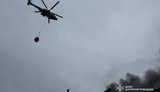 Klymenko on night attack: 10 regions hit, 8 people wounded. Large fires in Lutsk, Dnipro and Bila Tserkva - Klymenko. PHOTOS The night of 6 December was difficult in Ukraine. Russia again attacked civilian infrastructure with drones and missiles. 2 953 13
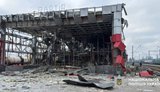 Zelenskyy on night attack: enemy’s main targets are energy facilities; railway station in Fastiv was burned down. PHOTOS Restoration efforts are currently under way in many regions following Russia’s overnight strikes on civilian infrastructure. 7 101 42 Previously in trend: Massive combined attack
 Enemy launched massive attack on Kyiv region with drones and missiles: three people were wounded, and movement of number of trains was changed On the night of 6 December, Russian occupiers attacked the Kyiv region with drones and missiles. Settlements in the region were hit. 5 703 13 Previously in trend: Drone attack on Kyiv region Railway damaged in Kyiv region
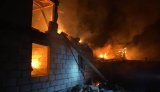 Consequences of attack on Kyiv region: enemy shelled five districts, injuring six people. Among them was 7-year-old child. PHOTOS On the night of 14 November, Russian occupiers launched a massive attack on settlements in the Kyiv region with missiles and drones. The alert lasted more than five hours. 2 134 3 Previously in trend: Drone attack on Kyiv region
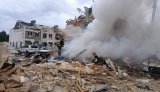 27 people injured in Russian attack in Kyiv region. Residential complex in Petropavlivska Borshchahivka suffered significant damage (updated). PHOTOS The number of people injured in an enemy attack on Kyiv region has increased to 27. 10 914 19
 Russian attack on Kyiv region: bread factory in Fastiv district was on fire, employees were injured. There was fire in high-rise building in Bila Tserkva. PHOTOS On the night of Sunday, 28 September, Russian troops massively attacked the territory of the Kyiv region. 4 851 4 Previously in trend: UAV attack on Kyiv region
 Man wounded in Kyiv region as result of UAV attack. PHOTOS On the night of 22 September, the Russians once again attacked Kyiv region with drones. The consequences were recorded in four districts, and there was a casualty. 1 741 0 Previously in trend: Drone attack on Kyiv region
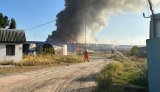 Due to new drone attack by Russian Federation, storage facilities of logistics centre in Kyiv region on fire. PHOTO On the morning of 16 September 2025, Russian troops attacked the territory of the Kyiv region with attack drones again. 5 409 30 Previously in trend: Shaheds attack on Kyiv region
Page 1 of 2
more news