ENG




14017 visitors online
In 2026, significant developments have unfolded within the Prosecutor General's Office in Ukraine. Former Prosecutor General Ruslan Kravchenko tendered his resignation, marking a potential shift in prosecutorial leadership. Concurrently, operations against corruption continue, exemplified by the abolition of positions linked to suspects in anti-corruption operations like "Carthage." Cybersecurity remains a critical concern as Russian hackers breached over 170 accounts of Ukrainian prosecutors, exposing sensitive data. Further complicating the year, a prosecutor in Lviv faced charges after a fatal traffic accident, underscoring legal and ethical challenges within the prosecutorial community. Continuing efforts to combat corruption saw arrests related to large bribes, exemplifying ongoing vigilance in maintaining legal integrity.
What was the outcome of Ruslan Kravchenko's resignation request?
Ruslan Kravchenko, the former Prosecutor General of Ukraine, submitted his resignation request in 2026, indicating a significant change within the prosecutorial hierarchy. The move could lead to new appointments and strategic shifts within the office.
How did Operation "Carthage" affect the Prosecutor General’s Office?
The operation led to the abolition of a deputy head position in the International Cooperation Department. This position was linked to a suspect in the National Anti-Corruption Bureau's investigation, highlighting ongoing anti-corruption efforts and restructuring within the office.
What breach did Russian hackers target in 2026?
In 2026, Russian-linked hackers targeted the accounts of over 170 Ukrainian prosecutors. The cyberattack compromised official communications and data, intensifying concerns over cybersecurity threats amidst geopolitical tensions.
What legal repercussions followed the Lviv region traffic accident involving a prosecutor?
A traffic accident caused by a prosecutor resulted in the death of a child in the Lviv region. The prosecutor was served with a notice of suspicion and detained, prompting a thorough investigation under the oversight of the Prosecutor General's Office, highlighting issues of accountability.
How is the Prosecutor General’s Office addressing issues of corruption?
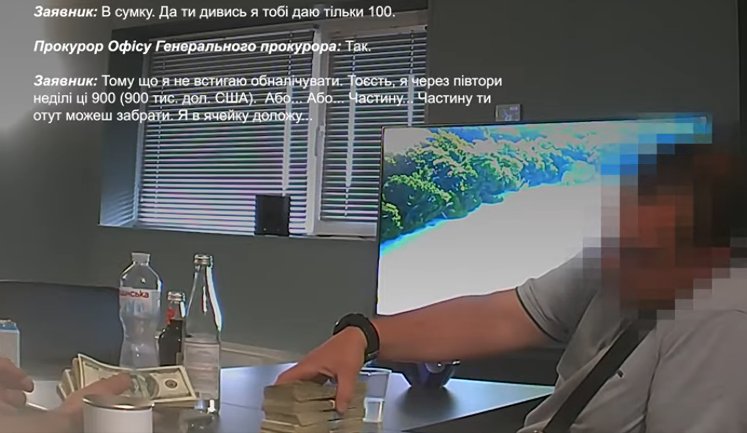
The office made several arrests related to bribery cases, including one where a prosecutor from the Prosecutor General’s Office was detained soliciting a $3.5 million bribe. These actions represent ongoing efforts to uphold legal integrity and eliminate corrupt practices within the judiciary system.
News prosecutor
 Former Prosecutor General Kravchenko submits resignation from prosecution service Former Prosecutor General of Ukraine Ruslan Kravchenko has submitted a letter requesting his dismissal from the prosecution service. 12 252 59 Previously in trend: Resignation of Ruslan Kravchenko Kravchenko’s resignation
 Post held by Operation "Carthage" suspect Kropyva abolished – Prosecutor General’s Office The Prosecutor General’s Office has abolished the position of deputy head of its International Cooperation Department, which was held by Serhii Kropyva, a suspect in the National Anti-Corruption Bureau of Ukraine’s (NABU) Operation "Carthage". 6 038 45 Previously in trend: Operation Carthage
 Hackers linked to Russia hacked over 170 accounts of Ukrainian prosecutors Hackers linked to Russia have hacked into dozens of accounts belonging to Ukrainian prosecutors and investigators, gaining access to official correspondence and internal data. 1 744 23 Previously in trend: russian cyberattacks
 Hit two children at crosswalk: prosecutor who caused fatal crash in Lviv region served with notice of suspicion A prosecutor of the Sheptytskyi District Prosecutor’s Office, who on February 24 caused a traffic accident in the Lviv region in which a 14-year-old girl was killed and her 10-year-old brother was injured, has been served with a notice of suspicion. 3 933 29
 Child killed, another hospitalized in Lviv region road accident involving prosecutor – Kravchenko On February 24, a fatal traffic accident involving a prosecutor's office employee occurred in the Lviv region: a child was killed, and another was hospitalized. The driver has been detained, and the investigation is under the control of the Office of the Prosecutor General. 4 359 25 Previously in trend: Fatal traffic accidents
 Relatives of three prosecutors and former member of Vinnytsia MMC own elite apartments "Glacier" in Bukovel, - media. VIDEO+PHOTO Among the investors in the luxury apartment complex "Glacier Premium Apartments" in Bukovel, which officially opened on the first day of 2026, there are many officials of various levels. In particular, relatives of three prosecutors, as well as close associates of a number of officials. 10 677 54 Previously in trend: Owners of Bukovel apartment complex
 Former head of Mykolaiv Regional Prosecutor’s Office Kazak registered as disabled, sued for pension and left for Sweden, - media Former head of the Mykolaiv Regional Prosecutor's Office Dmytro Kazak, while abroad, won a pension of over 156,000 hryvnias in a Ukrainian court. 40 801 167 Previously in trend: Fake disability Pensions for prosecutors Prosecutors’ wealth
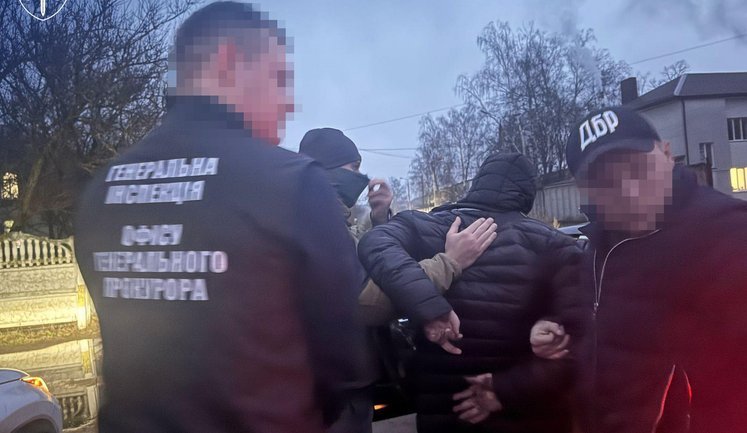
 Koriukivka district prosecutor detained while taking $2,500 bribe – Kravchenko. PHOTO Investigators of the State Bureau of Investigation, under the procedural guidance of prosecutors from the General Inspectorate of the Prosecutor General’s Office, have detained a prosecutor from the Koriukivka District Prosecutor’s Office in Chernihiv region while taking a bribe. 13 066 27 Previously in trend: Grafters Corruption in law enforcement agencies
 After inspection by QDCP, 74 prosecutors with disability status dismissed, and another 66 removed from their posts, - Kravchenko In Ukraine, 74 prosecutors with disability status were dismissed from the prosecutor's office following a comprehensive review by the Qualification and Disciplinary Commission of Prosecutors. Another 66 employees were dismissed from administrative positions. 4 549 33 Previously in trend: Fake disability among prosecutors
 Former Crimean prosecutor sentenced to 15 years for treason The court found the former prosecutor of the Prosecutor's Office of the Autonomous Republic of Crimea guilty of treason (Part 1, Part 2 of Article 111 of the Criminal Code of Ukraine). He was sentenced to 15 years' imprisonment with confiscation of property. 2 188 8 Previously in trend: Sentences for high treason
 Judge-and-prosecutor Hrabets family purchased property with market value of $1 million – media. PHOTO The family of a Kyiv judge and prosecutor has acquired property worth more than one million dollars in recent years. During Russia’s full-scale invasion, Ihor Hrabets, deputy head of the Kyiv Regional Prosecutor’s Office and husband of Svitlana Hrabets, a judge of the Kyiv Regional Commercial... 17 593 41
 Prosecutor exposed for soliciting $3.5 million bribe taken into custody with bail set at ₴4 million On October 10, 2025, an investigating judge of the High Anti-Corruption Court (HACC), acting on a motion by NABU detectives approved by a SAPO prosecutor, imposed a measure of restraint on a prosecutor from the Office of the Prosecutor General who, together with two attorneys, had been exposed... 3 165 19 Previously in trend: Grafters Corruption in the Prosecutor’s Office
 Prosecutor and lawyers exposed for soliciting $3.5 million bribe served with notices of suspicion – NABU. VIDEO The National Anti-Corruption Bureau of Ukraine (NABU) and the Specialised Anti-Corruption Prosecutor’s Office (SAPO) have notified a Prosecutor General’s Office (PGO) prosecutor and several lawyers of suspicion after uncovering a scheme to incite a $3.5 million bribe. 4 037 12 Previously in trend: Grafters
 OPG prosecutor and lawyer solicited $3.5 million bribe to "bribe" SAPO prosecutors and HACC judges, - NABU. PHOTOS The NABU and the SAPO have exposed a prosecutor of the Prosecutor General's Office and a lawyer who offered a suspect in one of the NABU cases to provide a bribe to close the proceedings. 6 209 20 Previously in trend: Grafters
 Relatives of new Vinnytsia prosecutor Tkalenko, whom Tatarov invited to his birthday party, bought real estate in Kyiv worth over $1 million - Bihus.info. VIDEO Relatives of the new prosecutor of Vinnytsia region, Oleh Tkalenko, have acquired several properties in Kyiv worth more than a million dollars during his time at the Kyiv region prosecutor's office. 8 075 57 Previously in trend: Prosecutors’ wealth
 Apartments in elite residential complex registered to his grandmother, Rolex and Cartier watches for his wife, and almost empty declaration: Bihus.Info found out how new prosecutor of Zakarpattia, Patskan, lives. VIDEO The newly appointed head of the Zakarpattia Regional Prosecutor's Office, Myroslav Patskan, has an almost empty declaration, but lives in luxury real estate registered to the grandmother of the prosecutor's wife. 15 897 87 Previously in trend: Prosecutors’ wealth
 Employee of Prosecutor’s Office Molochnyi, charged with woman’s fatal hit-and-run, remanded in custody without bail Prosecutor’s Office employee Andrii Molochnyi, who committed a fatal hit-and-run in Kyiv and attempted to flee the scene, was remanded in custody without bail. 7 020 22 Previously in trend: Employee of Prosecutor’s Office Molochnyi runs over woman
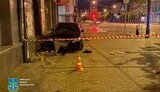 Woman hit by prosecutor’s office employee died in hospital. Molochnyi was drunk behind wheel, - Kravchenko. PHOTO A woman hit by a prosecutor in a pedestrian zone in Kyiv died in hospital. 24 065 201
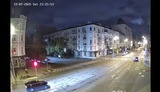 Prosecutor’s office employee Molochnyi hit woman in pedestrian zone in Kyiv and tried to flee scene of accident. VIDEO The day before, in the Holosiivskyi district of Kyiv, prosecutor Andrii Molochnyi hit a woman and tried to flee the scene of an accident. 24 014 190 Previously in trend: Car Accident
 Prosecutor Malieiev explained housing shown in "Supermom": relatives had provided house for filming Prosecutor Oleksandr Malieiev explained that in fact his family does not live in the elite house shown in the "Supermom" programme. 15 486 38 Previously in trend: Declaration of false information Prosecutor Malieiev’s family on Supermum show
 348 prosecutors with disabilities to be referred to QDCP. No indulgences – Kravchenko General Prosecutor Ruslan Kravchenko has decided to refer prosecutors with disability status to the Qualification and Disciplinary Commission of Prosecutors (QDCP) for review. Currently, there are 348 such individuals remaining in the prosecution bodies. 8 369 30 Previously in trend: Fake disability Fake disability among prosecutors
 6 prosecutors under 40 receive pensions. All thanks to legal collision - media A significant number of prosecutors retire before the age of 50 due to benefits provided by law. 5 523 51 Previously in trend: Pensions for prosecutors
 Prosecutor from regional prosecutor’s office detained for demanding $10,000 bribe to "resolve issue" in proceeding. PHOTO Law enforcement officers exposed a prosecutor from a regional prosecutor’s office department for soliciting an unlawful benefit. 18 794 16 Previously in trend: Fighting corruption in Ukraine Corruption in the Prosecutor’s Office
 16 prosecutors with disabilities dismissed in Khmelnytskyi, 47 still hold positions – media Only 16 prosecutors with disabilities have been dismissed from the Khmelnytskyi Regional Prosecutor’s Office following a scandal involving mass issuance of medical certificates with allegedly fake diagnoses. 2 890 24 Previously in trend: Fake disability
 Poltava prosecutor Pleskach wins court case for special pension: received over 1 million for less than a year - media Oleh Pleskach (42), a former first deputy prosecutor and current employee of the Poltava regional prosecutor's office, succeeded in court in obtaining a special pension for his length of service. The amount of the pension is 90% of his salary. 15 296 111 Previously in trend: Pensions for prosecutors
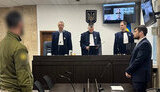 Bribe of $40,000 for removal of obstacles to business: ex-prosecutor and ex-deputy from Odesa region convicted - HACC The High Anti-Corruption Court has convicted a former deputy head of the Izmail local prosecutor's office and a former deputy of the Odesa regional council for taking a bribe. 1 539 3 Previously in trend: Bribery in government
 Former US federal prosecutor Aber found dead: she was investigating Russian crimes Former federal prosecutor Jessica Aber was found dead. She was investigating a number of important cases, including those involving Russian citizens and companies that violated US laws. 32 270 78
Out of 78 prosecutors in Khmelnytskyi region, only one has disability confirmed, 55 more to be examined - Ministry of Health The Ministry of Health checked the medical records of prosecutors in Khmelnytskyi region. Currently, out of 78 prosecutors in the region, six are not recognised as persons with disabilities. 15 127 90
Only 3 prosecutors in Khmelnytskyi region have had their disability confirmed, 56 have not been checked in 2 months - Ariev The Ministry of Health is conducting an inspection of prosecutors in the Khmelnytskyi region who have disabilities. Within 2 months, only 3 of them have been confirmed as persons with disabilities. 57 881 42
 Only 5 out of more than half thousand prosecutors with disabilities were fired - Shabunin Only 5 prosecutors with disabilities were dismissed after the inspections. 65 984 75
 Illegally received disability: two prosecutors and two MSEC officials suspected. PHOTOS Two district prosecutors and two MSEC officials are suspected of fraud and forgery. 17 028 23
 Former head of Khmelnytskyi regional prosecutor’s office Oliinyk continues to work as prosecutor after disability scandal - AntAC The former head of the Khmelnytskyi Prosecutor's Office, Oleksii Oliinyk, who resigned amid the disability scandal, continues to work as a prosecutor, having been appointed to the position of a prosecutor in the regional prosecutor's office. 11 499 47
 Up to 10% of all prosecutors in Ukraine have status of people with disabilities. DOCUMENT As of November 2024, 524 prosecutors in Ukraine are officially persons with disabilities, but there are no heads of regional prosecutor's offices among them. 4 576 43
 "Servants" appointed Koval, who disrupted competition for head of SAPO, as member of QDCP - Shabunin The Law Enforcement Committee of the Verkhovna Rada has appointed Kateryna Koval, who was the head of the competition commission for the head of the SAPO, as a member of the Qualification and Disciplinary Commission of Prosecutors. 44 403 46
 25 prosecutors of Donetsk regional prosecutor’s office receive pensions as persons with disabilities. DOCUMENT There are 25 prosecutors with disabilities working in the prosecutor's office of the Donetsk region. 11 676 26
 Zaporizhzhia Regional Prosecutor’s Office refuses to disclose number of prosecutors with disabilities. DOCUMENT The Zaporizhzhia Regional Prosecutor's Office did not provide information on the number of working prosecutors with disabilities. 8 761 62
 16 prosecutors with disabilities work in Kirovohrad region’s prosecutor’s office. DOCUMENT There are 16 prosecutors with disabilities working in the Kirovohrad Regional Prosecutor's Office. 16 719 25
 Six heads of prosecutor’s offices resigned, they received increased pensions - Kostin Five heads of regional prosecutor's offices and the head of one of the specialized defense prosecutor's offices have written letters of resignation. 6 784 58
 In Kherson Regional Prosecutor’s Office, 2 employees receive disability pension. DOCUMENT The Kherson Regional Prosecutor's Office reported that 1 prosecutor and 1 civil servant receive a disability pension. 3 237 18
20 prosecutors in Kyiv City Prosecutor’s Office have second and third disability groups In the Kyiv City Prosecutor's Office, 13 prosecutors have the third group of disability, and 7 prosecutors have the second group. 9 543 27
 NSDC on MSEC and prosecutors "with disabilities" | Yurii Butusov. VIDEO Censor.NET Editor-in-Chief Yurii Butusov will comment live on the NSDC meeting on the situation with corruption in the MSEC and the large number of prosecutors with "disabilities". 9 447 32
Head of Khmelnytskyi Regional Prosecutor’s Office Oliinyk resigns voluntarily - Prosecutor General’s Office By order of Prosecutor General Oleksii Oliinyk, the head of the Khmelnytskyi Regional Prosecutor's Office was dismissed from the administrative post of his own accord. 17 376 104
Internal investigation to be conducted into disability of 50 prosecutors in Khmelnytskyi region - Prosecutor General’s Office The Office of the Prosecutor General will conduct an internal investigation into the disability of 50 prosecutors of the Khmelnytskyi Regional Prosecutor's Office. 16 978 84
 Deputy Prosecutor of Zaporizhzhia region is detained for bribe of USD 40 thousand - NABU. PHOTO The NABU and SAPO exposed a deputy prosecutor of the Zaporizhzhia region for taking a bribe. 12 915 45 Previously in trend: Fighting corruption in Ukraine Grafters
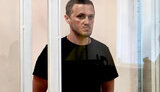 Court confirms life imprisonment for former head of Mykolaiv District Prosecutor’s Office Herman, who collected intelligence information for occupiers - SSU The Court of Appeal has upheld a life sentence for the former head of the Mykolaiv District Prosecutor's Office who worked for Russia. 5 787 27 Previously in trend: War
 Kyiv prosecutor seized UAH 4.2 million, which was recognized as material evidence - Prosecutor General’s Office. PHOTO The prosecutor of one of Kyiv's district prosecutor's offices took possession of UAH 4.2 million, which was recognised as material evidence. 11 982 62
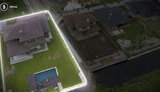 Prosecutor of Kyiv Regional Prosecutor’s Office Hutsulyak settled in cottage community where houses cost from UAH 18 million - media. PHOTO Oleksandr Hutsulyak, a prosecutor in charge of environmental issues at the Kyiv Regional Prosecutor’s Office, has moved into a cottage community that was the subject of a case handled by his office. The cost of houses here starts at UAH 18 million. 14 916 110 Previously in trend: Fighting corruption in Ukraine
 Special Prosecutor’s Office of Central Region has launched investigation into death of Zaluzhnyi’s assistant Chastiakov. PHOTO Under the procedural guidance of the Kyiv Specialized Defense Prosecutor’s Office of the Central Region, procedural guidance is being carried out in criminal proceedings on the death of the Assistant Commander-in-Chief of the Armed Forces of Ukraine, Major Hennadii Chatiakov. 14 248 142
Page 1 of 4
more news