ENG




11060 visitors online
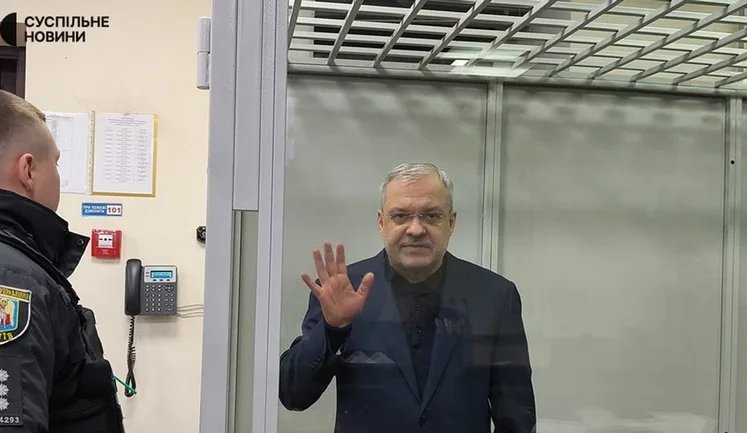
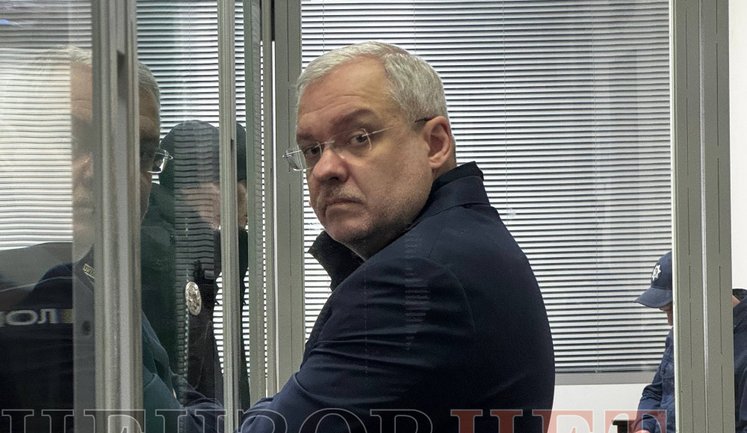
Herman Halushchenko, a former Energy and Justice Minister of Ukraine, faces serious allegations linked to money laundering and corruption. Central to his legal troubles is a hefty bail requirement of 150 million hryvnias in the 'Mindichgate' scandal. Unscrupulous dealings within Ukraine's energy sector have come to light, implicating numerous high-profile figures, including those within the Presidential Office. The National Anti-Corruption Bureau and other agencies have been rigorously examining these charges, alongside Halushchenko's financial disclosures, seeking hidden assets and transactions. These developments raise critical questions about governance and anti-corruption measures in Ukraine.
What are the main allegations against Herman Halushchenko?
Herman Halushchenko is primarily accused of laundering over $112 million and being involved in energy sector corruption. Several high-profile figures are also implicated in the case, which has become part of the larger 'Mindichgate' scandal. The legal proceedings have seen Halushchenko facing substantial bail requirements and ongoing scrutiny by anti-corruption agencies.
Why is the National Bank of Ukraine inspecting banks related to Halushchenko’s bail?
The National Bank of Ukraine has initiated unscheduled inspections of banks involved in processing bail payments for Herman Halushchenko. These inspections are part of broader efforts to ensure transparency and detect any financial irregularities associated with the bail process in high-stakes corruption cases.
How has President Zelenskyy been implicated in Halushchenko's case?
President Volodymyr Zelenskyy is alleged to have been indirectly involved in maneuvers to arrange bail for Herman Halushchenko. Media reports suggest that presidential instructions may have influenced actions within the Presidential Office regarding Halushchenko's detention and bail, highlighting potential political entanglements in legal proceedings.
What role does the Presidential Office play in this scandal?
The Presidential Office is said to be involved in the charges against Herman Halushchenko through links to Deputy Head Iryna Mudra. Investigators allege that she acted on directives from President Zelenskyy to facilitate Halushchenko's bail arrangements, implicating the office in broader corruption dealings.
What has been the response of Ukraine's anti-corruption agencies?
Ukraine's anti-corruption agencies, including NABU and SAPO, have actively pursued charges against Herman Halushchenko and others implicated in the 'Mindichgate' scandal. These agencies aim to uphold legal accountability and transparency, focusing on detailed investigations to uncover the extent of illicit activities and enforce appropriate legal measures.
Is there an international component to the Halushchenko case?
Yes, the scandal surrounding Herman Halushchenko has international implications, particularly concerning offshore accounts allegedly used for laundering large sums of money. The involvement of foreign entities and potential impacts on Ukraine's EU accession aspirations further complicate the case, drawing international scrutiny and concern.
News Halushchenko Herman
 Media find Halushchenko’s undeclared apartment in Switzerland The wife of former minister Herman Halushchenko, who is implicated in the National Anti-Corruption Bureau of Ukraine’s (NABU) Midas case, lived in an apartment in Geneva throughout 2025. Its annual rent amounted to UAH 4.5 million. 4 574 40 Previously in trend: Halushchenko case
 NBU begins inspections of banks due to bail for Halushchenko The National Bank has launched unscheduled inspections of banks that provided services to clients involved in posting bail for former Energy and Justice Minister Herman Halushchenko. 3 558 12 Previously in trend: Forrest Gump operation
 Presidential Office official appears in Mudra case over Halushchenko’s bail: He is called "Kyrylo Oleksiiovych" – media The materials of a motion seeking a preventive measure against former Deputy Head of the Presidential Office Iryna Mudra in the Forrest Gump case mention another Presidential Office official in addition to her. Investigators assign this official the role of organiser, and in recorded... 28 042 193 Previously in trend: Halushchenko case Forrest Gump operation
 Bail totalling over half billion hryvnias has been posted for those implicated in "Mindichgate" scandal: that would be enough to buy 25,000 FPV drones, – ZN.UA Last year, NABU and SAPO served notices of suspicion to several high-ranking officials and their accomplices involved in various episodes of the Midas case, which centers on energy sector corruption and money laundering. This year, anti-corruption agencies announced the exposure of new schemes... 15 543 30 Previously in trend: Corruption in Ukraine Mindichgate Forrest Gump operation
 Following Mindich’s call, Zelenskyy ordered Mudra to "get" Halushchenko out of pre-trial detention centre – Zhelezniak MP Yaroslav Zhelezniak has published his own account of how he believes events surrounding the posting of bail for former Justice Minister Herman Halushchenko in the "Forrest Gump" case unfolded, including the role President Volodymyr Zelenskyy may have played. 21 373 94 Previously in trend: Halushchenko case Forrest Gump operation
 Mindich gave cash to Mudra, implicated in "Forest Gump" case, for Halushchenko’s bail – SAPO Businessman Timur Mindich, a figure in the NABU "Mindichgate" case, provided former Deputy Head of the Presidential Office Iryna Mudra with the cash needed to post bail for former minister Herman Halushchenko. 17 907 40 Previously in trend: Mindichgate Forrest Gump operation
 Shabunin: I am convinced that Mudra received instructions from president regarding case of Halushchenko’s bail Vitalii Shabunin, head of the Anti-Corruption Action Centre, believes that Iryna Mudra, deputy head of the President’s Office, acted on the direct instructions of President Volodymyr Zelenskyy in the case concerning the arrangement of a 150 million hryvnia bail for former Energy Minister Herman... 16 439 67 Previously in trend: Forrest Gump operation
 "They brought 200 million for Herman. We’re thinking about how to pay it off": conversations between those involved in Operation "Forrest Gump" Those involved in the ‘Forrest Gump’ case discussed setting bail for one of the suspects in the ‘Midas’ case. 7 318 29 Previously in trend: Halushchenko case Forrest Gump operation
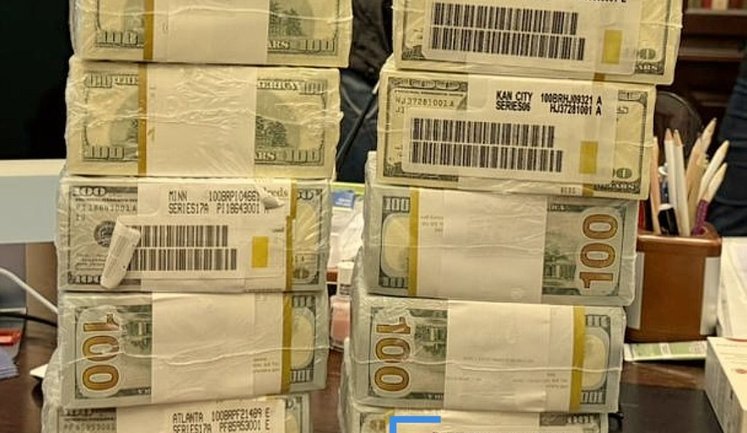
 Bail of 150 million hryvnias has been posted for Halushchenko, - media The full 150 million hryvnias in bail has been paid for former Justice Minister Herman Halushchenko, who is suspected of laundering over $112 million. 3 107 50 Previously in trend: Halushchenko case
UAH 105 million of required UAH 150 million bail posted for ex-minister Halushchenko – media UAH 105 million of the required UAH 150 million bail has been posted for former Energy Minister Herman Halushchenko, who is suspected of laundering more than $112 million. 2 584 24 Previously in trend: Halushchenko case
NACP is to re-examine Halushchenko’s declaration: they are looking for hidden assets and extravagant spending The National Agency for the Prevention of Corruption (NACP) has launched a full re-examination of the declaration submitted by former Minister of Justice Herman Halushchenko. The investigation by anti-corruption officials was prompted by evidence of alleged fraud involving the payment of the... 715 5 Previously in trend: Declaration of false information Halushchenko case
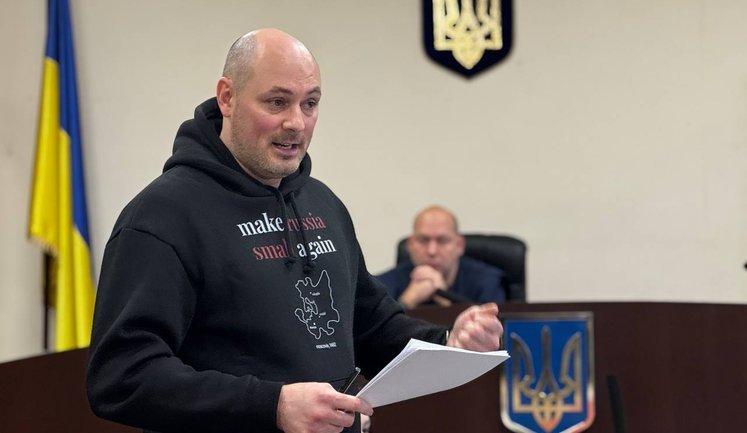
 Halushchenko’s pretrial detention has been extended: his bail has been reduced to 150 million hryvnias The High Anti-Corruption Court extended the pretrial detention of former Minister Herman Halushchenko by 60 days, while reducing the bail amount. 895 12 Previously in trend: Halushchenko case
 Bail is being prepared for Halushchenko, who has been in pretrial detention since February, - journalist Tkach A bail is being prepared for former Energy Minister Herman Halushchenko, who is suspected of laundering over $112 million. 1 424 10 Previously in trend: Halushchenko case
 Halushchenko’s children’s education in Switzerland was not paid for by "generous godfather". Funds came from offshore accounts, – Zhelezniak. VIDEO Former Justice Minister Herman Galushchenko claimed that a "generous godfather" had paid for his children's education in Switzerland; however, it has been established that the funds came from offshore companies. 5 188 17 Previously in trend: Halushchenko case
"Mindichgate" and notice of suspicion against Yermak could jeopardize Ukraine’s EU accession – Die Zeit The corruption scandal involving Andriy Yermak, the former head of the President’s Office, is causing problems for Volodymyr Zelenskyy and could jeopardise Ukraine’s aspirations to join the EU. 4 251 50 Previously in trend: Mindichgate Notice of suspicion for Yermak
New series of "Mindich tapes": Derkach-Halushchenko duo, construction of Khmelnytskyi NPP, "Energoatom". VIDEO In the fourth instalment of the new"Mindich tapes" recordings, the main figures are Zelenskyy’s oligarch Tymur Mindich and his accountant Oleksandr Tsukerman, as well as those implicated in the "Midas" case—Herman Halushchenko, Ihor Myroniuk and Ihor Fursenko—and former presidential adviser... 6 736 34 Previously in trend: Mindichgate Mindich’s new tapes
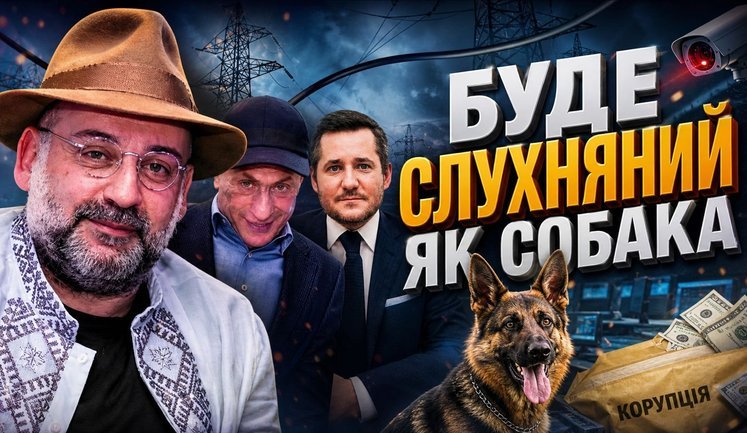
 "Obedient as dog": new shocking fragment of Mindich tapes about Energoatom // Uncensored. VIDEO Journalist Maryna Danyliuk-Yarmolaieva analyzes a new part of the so-called "Mindich tapes" released by MP Yaroslav Zhelezniak. The materials concern alleged corruption schemes at Energoatom and the mechanics of controlling electricity sales through "their own people." 11 667 19 Previously in trend: Mindichgate Mindich’s new tapes
 Corruption Ze-rakes: Zelenskyy wants to buy Bulgaria’s reactors || Uncensored. VIDEO Why has Volodymyr Zelenskyy returned once again to the idea of purchasing Bulgarian nuclear reactors, which have long been dogged by allegations of corruption? 4 496 51 Previously in trend: Uncensored Mindichgate
 NACP launches full verification of Halushchenko’s declaration – "Servant of People" Radina The National Agency on Corruption Prevention (NACP) began a full verification of former minister Herman Halushchenko’s declaration on March 16. 1 324 12 Previously in trend: Halushchenko case
 Zhelezniak: Zelenskyy explained Halushchenko’s appointment as Minister of Justice by saying he "fully trusts him" MP from the Holos faction, Yaroslav Zhelezniak, stated that during the government reshuffle in July 2025, President Volodymyr Zelenskyy personally explained the appointment of Herman Halushchenko as Minister of Justice. 5 582 30 Previously in trend: Halushchenko case
 Zelenskyy’s weak spot: how Halushchenko wanted to flee to US as ambassador. VIDEO Journalist Maryna Danyliuk-Yarmolaieva presents a brief breakdown of the details of the case of former energy minister Herman Halushchenko. 6 870 34 Previously in trend: Mindichgate Halushchenko case
 Halushchenko’s father and father of traitor Derkach were personally acquainted, - Kosharna The father of former Energy Minister Halushchenko was acquainted with the father of former MP and traitor Andrii Derkach. 74 349 63 Previously in trend: Halushchenko case
 NABU spoke about Halushchenko’s role in "Mindichgate". VIDEO The NABU has released new details about the Mindichgate case and Halushchenko's role in it. 9 672 20 Previously in trend: Mindichgate Halushchenko case
 Halushchenko vs NABU: How detective Mahamedrasulov was abused so that Mindich’s tapes would not surface? // Uncensored. VIDEO Journalist Maryna Daniliuk-Yarmolaieva, in the project "Uncensored," presents a brief analysis of the court hearing in the case of former energy minister Herman Halushchenko and the details that emerged during the consideration of the preventive measure. 6 000 17 Previously in trend: Mindichgate Halushchenko case
Halushchenko taken into custody with possible bail of UAH 200 million The High Anti-Corruption Court (HACC) has remanded former energy minister Herman Halushchenko in custody. 3 758 42 Previously in trend: Halushchenko case
 NABU detective Mahamedrasulov was held in unsanitary pre-trial detention center cell approved by Halushchenko. PHOTO NABU detective Ruslan Mahamedrasulov was held in a pre-trial detention center cell with unsanitary conditions for several months. The "special" cell was selected at the request of the SBU and with the approval of the Ministry of Justice under Halushchenko. 6 688 26 Previously in trend: Ruslan Mahamedrasulov’s case
Halushchenko on acceptable bail: "I could find 20-30 million" Former Minister of Energy and Justice Herman Halushchenko, suspected of laundering over $112 million, said he could pay 20-30 million hryvnia in bail. 2 286 34 Previously in trend: Halushchenko case
To say that when I was minister, blows to energy sector were less severe is incorrect, - Halushchenko. VIDEO Former Minister Herman Halushchenko stated that the blows to the energy sector when he headed the Ministry of Energy were no less severe. 2 200 16 Previously in trend: Attacks on the energy sector Halushchenko case
 Halushchenko on 425 million hryvnia bail: This is sentence, I will spend years in pretrial detention because I do not have that kind of money. VIDEO Former Energy Minister Herman Halushchenko, who is suspected of laundering more than $112 million, considers the bail of 425 million hryvnias to be a sentence. 3 440 88 Previously in trend: Halushchenko case
 Halushchenko is being chosen preventive measure in HACC. Live updates The High Anti-Corruption Court is choosing a preventive measure for former Energy Minister Herman Halushchenko, who is suspected of laundering more than $112 million. 3 450 15 Previously in trend: Halushchenko case
SAPO will request that Halushchenko be held in custody with bail set at 425 million hryvnias A preventive measure in the form of detention with bail set at UAH 425 million will be requested for former Energy Minister Herman Halushchenko. 1 316 24 Previously in trend: Halushchenko case
Mindich stole money from Ukraine through offshore companies linked to Russia and Russian agent Omson, - NABU The offshore company, through which more than $100 million was legalised, was headed by Aivar Omson. He has ties to Russia. 15 138 106 Previously in trend: Mindichgate
 Former Energy Minister Halushchenko to remain in custody – HACC The High Anti-Corruption Court (HACC) has partially upheld a complaint filed by former Energy and Justice Minister Herman Halushchenko regarding his "unlawful detention." The court left him in custody. 3 741 29 Previously in trend: Halushchenko was detained
 Anti-Corruption Court to hear complaint today over detention of ex-energy minister Halushchenko The High Anti-Corruption Court has scheduled a hearing on a complaint alleging the unlawful detention of the former energy minister. 1 564 12 Previously in trend: Mindichgate Halushchenko was detained
European Commission on Halushchenko’s detention: Ukraine’s anti-corruption bodies are delivering results The European Union said it is closely monitoring Ukraine’s anti-corruption efforts and notes the work of relevant agencies amid the detention of former Energy Minister Herman Halushchenko. 1 334 16 Previously in trend: Mindichgate Halushchenko was detained
 Mindichgate: Halushchenko notified of suspicion of laundering over $112 million, - NABU. INFOGRAPHICS NABU and SAPO have expanded the circle of suspects in the "Midas" case. The former Minister of Energy (2021–2025) has been exposed for money laundering and participation in a criminal organisation. 9 189 99 Previously in trend: Mindichgate Halushchenko was detained
 Halushchenko will be declared suspect after being transported to Kyiv, - media Former Minister of Justice and former head of the Ministry of Energy Herman Halushchenko, who was detained while attempting to leave Ukraine, is to be charged after his transfer to Kyiv. 4 903 44 Previously in trend: Mindichgate Halushchenko was detained
NABU confirmed detention of Halushchenko while crossing border Today, February 15, while crossing the state border, NABU detectives detained the former Minister of Energy in connection with the Midas case. 12 755 82 Previously in trend: Mindichgate Halushchenko was detained
 Halushchenko was detained while trying to cross border, - media On the night of February 15, former Energy Minister German Halushchenko was detained while attempting to cross the border. 9 153 58 Previously in trend: Mindichgate
 Halushchenko and Hrynchuk attended the meeting of the Verkhovna Rada’s Temporary Investigation Commission. Live updates Former Minister of Justice Herman Halushchenko and former Head of the Ministry of Energy Svitlana Hrynchuk attended a meeting of the Verkhovna Rada Temporary Investigation Commission on possible violations of Ukrainian legislation in the areas of defence, anti-corruption policy and human rights... 4 465 12 Previously in trend: Fighting corruption in Ukraine
 Almost all of Mindich’s people still remain in power, including Halushchenko’s deputy Bilous, - Zhelezniak A month after Herman Halushchenko's dismissal from the post of Minister of Justice, Timur Mindich's people remain in the system. 3 625 35
Halushchenko’s son attends Swiss private college costing $200,000 year. This is not listed in his declaration – media The son of former justice and energy minister Herman Halushchenko has been studying for the fourth year in a row at one of Europe’s most expensive private colleges, College Alpin Beau Soleil in Switzerland. Tuition and accommodation there cost up to 200,000 dollars per year. 10 821 73
Halushchenko is being questioned by NABU - media Former Minister of Justice Herman Halushchenko is being questioned by the NABU. 1 482 17 Previously in trend: Mindichgate
 Hrynchuk claims he is in Ukraine. Halushchenko could have deactivated his messengers - BBC News Former Minister of Energy Svitlana Hrynychuk denied reports that she was abroad. Former Minister of Justice Herman Halushchenko did not receive messages from journalists due to the possible deactivation of his messengers. 5 223 12 Previously in trend: Mindichgate
Rada backs dismissal of Halushchenko from ministerial post The Verkhovna Rada has approved the dismissal of Justice Minister Herman Halushchenko. 2 945 15 Previously in trend: Mindichgate
 Halushchenko and co, in addition to Energoatom, also influenced state-owned oblenergo – Kudrytskyi The individuals implicated in the energy corruption case may also have exerted influence over state-owned regional power distribution (oblenergo) companies. 7 612 10 Previously in trend: Energy sector corruption Mindichgate
 Authorities still have no candidates for energy and justice minister posts – media The state leadership has not yet decided on candidates for the posts of Minister of Energy and Minister of Justice, although parliament is preparing to dismiss the current heads of ministries on 18 November. 2 823 47 Previously in trend: Mindichgate
 Verkhovna Rada Committee supported Halushchenko’s resignation from post of Minister of Justice The Verkhovna Rada Committee on Legal Policy supported the resignation of Herman Halushchenko from the post of Minister of Justice. 1 136 15 Previously in trend: Mindichgate
Page 1 of 4
more news