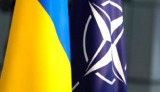
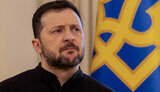
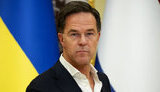
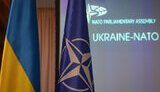
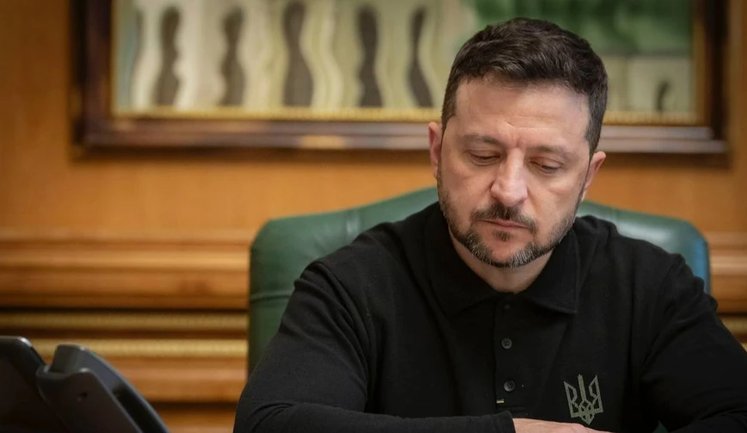
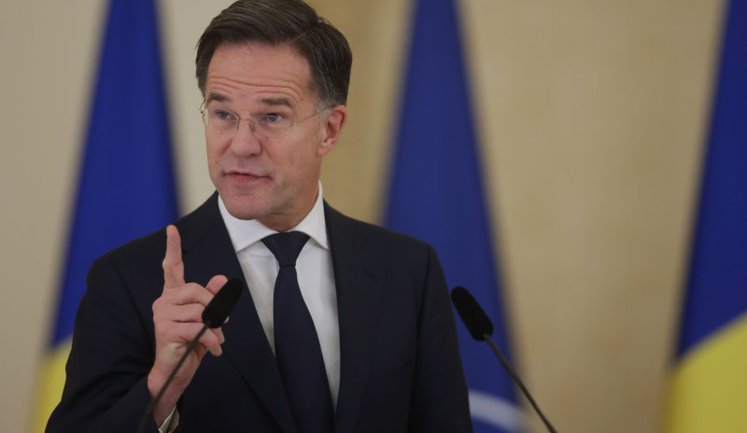
Ukraine's quest to join NATO remains a prominent topic with significant geopolitical implications. Despite President Zelenskyy's determination, several hurdles persist. Slovakia and Hungary, alongside the United States under President Trump, have voiced opposition to Ukraine's accession to the North Atlantic Alliance. NATO's Secretary General Mark Rutte emphasized the absence of consensus among members, reinforcing that Ukraine's membership is fraught with challenges. Meanwhile, Zelenskyy has sought alternative security guarantees, echoing NATO's Article 5, to shield Ukraine from future aggression. The path forward is intricate, with sovereignty and security at the forefront of ongoing international discussions.
Why is Ukraine's NATO membership a contentious issue?
Ukraine's NATO membership is contentious due to opposing views from key NATO members such as Slovakia, Hungary, and the United States, which complicate consensus. Additionally, Russia perceives Ukraine's accession to NATO as a geopolitical threat, further influencing the discussion. Despite these challenges, Ukraine persists in its pursuit of NATO membership as a strategic goal for national security and alignment with Western alliances.
What stance does President Zelenskyy have on NATO membership?
President Zelenskyy remains committed to Ukraine's NATO aspirations, viewing them as essential for the country's security framework. He acknowledges that the decision lies with NATO member states and continues to advocate for Ukraine's integration into the Alliance while ensuring that constitutional commitments towards NATO are maintained. Zelenskyy also explores alternative ways to secure Ukraine under potential future aggression, seeking firm security guarantees.
Which countries oppose Ukraine's accession to NATO?
Countries like Slovakia, Hungary, and the United States, under President Trump, are notable opponents of Ukraine's accession to NATO. Their opposition stems from geopolitical concerns and strategic considerations, with Slovakia recently declaring that Ukraine will never join NATO. These countries' resistance significantly impacts the ongoing dialogue surrounding Ukraine's NATO membership, adding complexity to its potential accession process.
How does NATO Secretary General Mark Rutte view Ukraine's membership in the Alliance?
Mark Rutte, the NATO Secretary General, underscores the challenges and lack of consensus within the alliance regarding Ukraine's membership. He has highlighted the necessity of addressing concerns from NATO members who are not aligned with Ukraine's accession. Rutte recognizes Ukraine's strategic importance yet reiterates that the decision involves navigating complex geopolitical dynamics within NATO's framework.
What are alternative security solutions Ukraine is considering aside from NATO membership?
Aside from seeking NATO membership, Ukraine, under President Zelenskyy, is actively pursuing alternative security guarantees akin to NATO's Article 5. This strategy aims to establish robust commitments from the United States and European allies to safeguard Ukraine against possible future threats. These efforts underscore Ukraine's commitment to enhancing its defense capabilities and securing international support amid ongoing geopolitical tensions.
What impact does Russia's opposition have on Ukraine's NATO ambitions?
Russia's staunch opposition significantly complicates Ukraine's NATO ambitions, given the broader geopolitical tensions between Russia and the Alliance. Moscow views Ukraine's accession as a destabilizing move, arguing that it elevates regional threats. This position creates further diplomatic challenges as NATO members deliberate on how to address security concerns without exacerbating tensions with Russia, impacting Ukraine's path to membership.
Is there any international support for Ukraine's NATO membership?
Yes, international support exists for Ukraine's NATO membership from countries like Germany and the Baltic nations, which view Ukraine's alignment with NATO as a strategic objective. These supporters advocate for NATO to enhance security and stability in Eastern Europe. However, the path to membership remains complex, requiring consensus from all NATO members amid geopolitical debates and opposition from other influential alliance members.
How does Ukraine's desire to join NATO affect its European Union membership ambitions?
Ukraine's NATO ambitions are part of its broader strategic alignment with Western institutions, complementary to its European Union membership goals. While these aspirations are distinct, they reflect Ukraine's pursuit of integration into Euro-Atlantic structures for security and economic growth. However, the complexities of NATO accession alongside EU considerations necessitate careful navigation of diplomatic relations, affecting the pace and feasibility of membership in both entities.
What challenges does Ukraine face in amending its constitution regarding NATO course?
Ukraine faces intricate challenges in potentially amending its constitution to align further with NATO aspirations, as domestic and international political dynamics come into play. President Zelenskyy emphasizes maintaining Ukraine's constitutional course toward NATO despite dissent, highlighting the political will and societal factors influencing potential amendments. Balancing these domestic debates with foreign policy objectives remains crucial amid opposition from key geopolitical players.
What future steps might NATO take regarding Ukraine's membership application?
NATO may engage in further diplomatic dialogues and assessments to address the divergent views within the Alliance on Ukraine's membership. Future steps could involve strategic discussions to ensure that all member states align on security implications and the geopolitical significance of Ukraine's accession. Additionally, NATO might explore alternative mechanisms, possibly enhancing cooperative security measures with Ukraine, pending consensus on full membership.