ENG




8260 visitors online
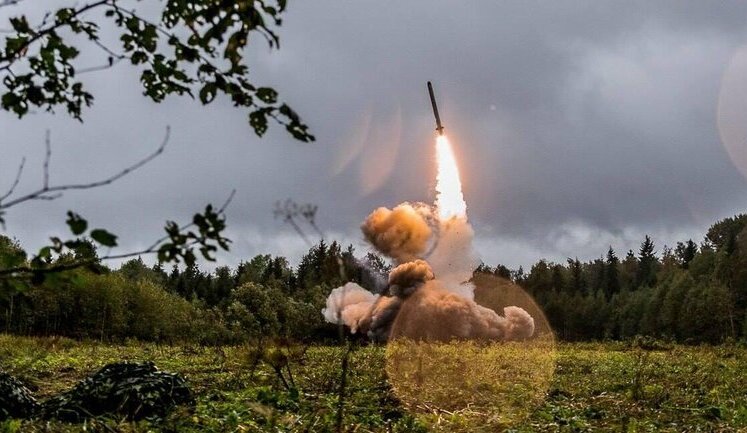
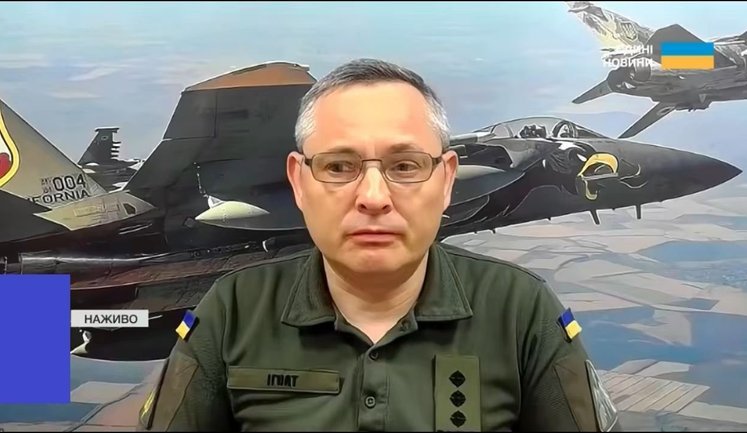
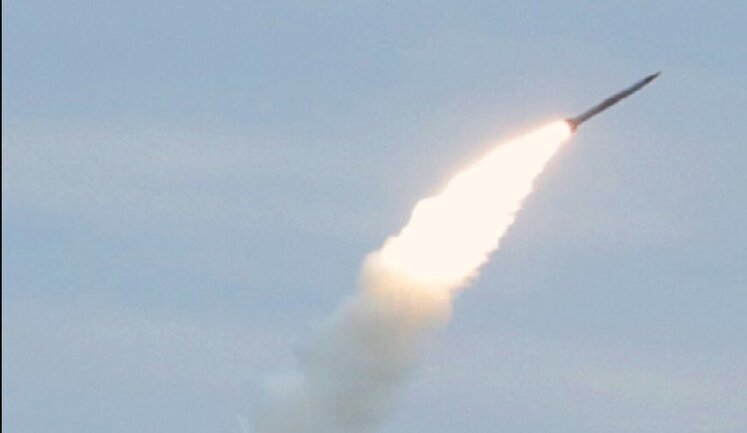
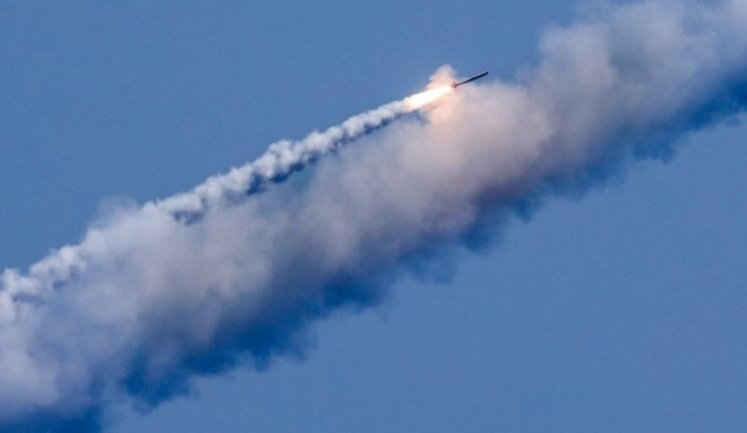
Ihnat Yurii reports that Russia is significantly increasing the deployment of jet-powered Shahed drones, expanding the geographic range of their strikes. This development poses a substantial challenge for Ukraine's air defense forces. Recent data reveals a tenfold increase in the use of these drones over the past three months, with the number soaring from around 350 in June to approximately 3,500 in September. Ukraine is responding by enhancing its air defense systems, although automated turrets contribute only partially to intercepting these threats. The broader coordination of Ukraine's air defense units plays a vital role in countering drone incursions.
What challenges does Ukraine face due to Russia's UAV tactics?
Ukraine struggles with the increased use of jet-powered Shahed drones by Russia. Their significant tenfold surge places a profound burden on Ukraine's air defense forces, requiring sophisticated coordination and upgrades to counteract these threats effectively.
How has Russia's drone strategy evolved in recent months?
Russia has dramatically boosted the number of jet-powered Shahed UAVs used against Ukraine, expanding their operational reach. This increase highlights an evolving tactic to intensify pressure on Ukraine's defense systems and widen the attack scope.
Why is Ukraine's air defense critical now more than ever?
The surge in Russia's use of Shahed drones necessitates an intensified focus on air defense. Ukraine must rely on advanced strategies and coordination across its air defense units, as turrets alone cannot address this growing aerial threat sufficiently.
What role do automated turrets play in Ukraine's defense?
Automated turrets are part of Ukraine's multi-faceted defense strategy, useful in shooting down some jet-powered Shahed drones. However, the main defensive success stems from well-coordinated efforts of various air defense systems working simultaneously across regions.
How is Ukraine responding to Russia's increasing UAV attacks?
Ukraine enhances its air defense systems, utilizing both stationary and mobile defense strategies to counter the increased Shahed drone attacks. Advanced coordination among defense units is key to managing these evolving threats effectively.
What is the significance of the increased number of Shahed drones?
The tenfold increase exposes Ukraine's air defenses to unprecedented stress, requiring innovative and effective measures. This increase heralds a shift in Russian tactics, expanding strike areas and applying more pressure on defense systems.
News Ihnat Yurii
 Initially, our partners did not report ballistic missile strikes, but subsequent waves of attacks during night were preceded by warnings, – Ihnat. VIDEO During the Russian Federation’s night-time attack, the partners did not initially inform Ukraine of the threat of ballistic missile strikes; however, such warnings were issued during the following three waves of strikes. 3 710 19 Previously in trend: Massive combined attack
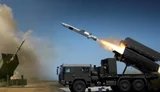 Russia is increasing its use of jet-powered "Shaheds" and expanding geographical scope of its strikes, - Ihnat Russia is increasing the number of "Shahed" drones and expanding the geographic scope of their use, placing an additional burden on Ukraine's air defense and air force. 883 7 Previously in trend: Result of the work of the air force
 Russia has increased its use of jet drones against Ukraine tenfold over past three months, - Ihnat Russian forces are rapidly increasing their use of jet-powered drones to strike Ukraine. While approximately 350 such UAVs were recorded in June, their number reached about 3,500 in September. 1 032 18 Previously in trend: jet-powered Shahed
More jet-powered Shaheds are being shot down not just thanks to turrets; entire air defense system is at work, - Ihnat Automated turrets shoot down only a portion of the jet-powered "Shaheds", while the main results come from the coordinated efforts of various air defense systems. 1 908 1 Previously in trend: Result of the work of the air force jet-powered Shahed
 Russia is increasing UAV camera resolution to see targets better, - Ihnat Russian troops are upgrading their drones by equipping them with higher-quality cameras, which allow for more detailed reconnaissance of the terrain 2 035 27 Previously in trend: Shahed attack on Kyiv Shahed upgrade
 Nearly 1,900 jet-powered Shaheds in September: Air Force reveals new tactics and enemy UAV downing rate Russia has launched nearly 7,700 jet-powered Shahed-type drones against Ukraine. At the same time, their share of the total number of attacks has risen sharply in September. 3 017 8 Previously in trend: jet-powered Shahed
 Russia launched about 800 drones at Kyiv region in late summer, - Air Force Russian attacks on the Kyiv region peaked in the final days of summer. During this period, Russian forces launched approximately 800 attack drones at the region. 506 4 Previously in trend: jet-powered Shahed
 Ukraine cannot yet count on ’Shahed’ jet interceptors, - Ihnat Ukraine already has prototypes of jet drone interceptors, but the Ukrainian Armed Forces cannot yet fully rely on them. 9 653 45 Previously in trend: Interceptor drones
 Russian night-time attack: all cruise missiles launched during night were shot down by air defence forces, - Air Force Russia attacked Ukraine overnight with cruise and ballistic missiles and drones. All the cruise missiles were shot down, including the ‘Kalibrs’. 1 762 5 Previously in trend: Result of the work of the air force
 Russia used five times as many jet-powered UAVs in July as in June – Ihnat Russia is increasing its use of jet-powered UAVs, although standard Shahed drones currently remain more numerous. 688 16 Previously in trend: jet-powered Shahed
 Decision made to limit data on enemy ballistic missiles in morning reports: online updates will remain unchanged – Ihnat The Air Force has not stopped informing the public about aerial threats, the nature of enemy attacks and the results of combat operations. 5 427 26 Previously in trend: Massive rocket attack Air threats
 Destroying Iskander launchers is difficult, better to strike missile production and deployment sites – Ihnat The high mobility of Iskander launchers makes them difficult to destroy, as the systems quickly leave their positions after launching missiles. 5 175 78 Previously in trend: production of ballistic missiles in russia
 Air Force urged media not to report that "not a single missile was shot down" The Air Force has urged the public not to escalate the situation with reports of ballistic missiles that have not been shot down, as air defense forces are using all available means to repel enemy attacks. 8 746 107 Previously in trend: Result of the work of the air force
 Massive Russian attack: ballistic missiles were directed at certain regions, while cruise missiles were aimed at western part of country, - Ihnat Russia has changed its tactics for massive strikes. Last night, the Russian military deliberately divided its strikes between ballistic and cruise missiles. One cruise missile strayed into Polish territory, where it was shot down by Polish air defense forces. 3 024 11 Previously in trend: Massive combined attack
 Russian missile strike on arms exhibition in Kyiv region hit private sports complex, not training ground – Ihnat The facility hit by a Russian ballistic missile strike in the Kyiv region was not a military training ground but a privately owned sports complex with no connection to the Defence Forces. 9 279 50 Previously in trend: Explosion in Kyiv region
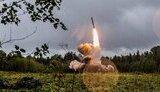 Ballistic missile strike on Kyiv region: Three missiles were fired in total. Air defence intercepted one target – Ihnat. VIDEO During the day on 24 July, the Russian invaders launched three ballistic missiles at the Kyiv region. Air defence forces intercepted one target. 10 738 47 Previously in trend: Explosion in Kyiv region
 To shoot down ballistic missiles, you need means to do so, we have serious shortage of interceptor missiles, - Ihnat regarding night-time attack. VIDEO Stock levels of missiles for air defence systems in Ukraine are currently low, a fact that Ukrainian President Volodymyr Zelenskyy has repeatedly emphasised. 5 213 79 Previously in trend: Result of the work of the air force shortage of missiles for air defence systems
 Air defense shot down about 90% of Russian drones on July 2, ballistics remains problem, - Ihnat During a massive attack on July 2, Ukrainian air defense forces destroyed about 90% of the attack drones and nearly all of the cruise missiles. Ballistic missiles remain the greatest threat. 959 8 Previously in trend: Massive combined attack
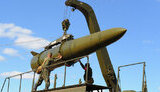 28 ballistic missiles hit Kyiv at night. This is one of largest attacks on capital, - Ihnat. VIDEO The Air Force reported on a massive nighttime attack by Russian invaders on Kyiv. 5 144 21 Previously in trend: Shelling of Kyiv Massive combined attack
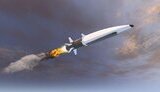 Russia fired eight "Zircon" missiles at Ukraine during morning attack, - Ihnat Russia deployed eight "Zircon" hypersonic missiles during a morning attack on Ukraine from the north and south. 8 056 62 Previously in trend: Massive combined attack
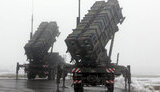 No country in world can currently guarantee 100% defence against combined attacks, - Ihnat Currently, no country in the world can guarantee the downing of 100% of targets by air defense forces. 1 270 19 Previously in trend: Result of the work of the air force Massive combined attack
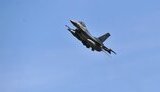 F-16 fighter jets performed well in repelling Russian attack, - Ihnat The F-16 fighter jets performed well in repelling a massive Russian air attack on the night of May 24. 5 443 25 Previously in trend: Massive combined attack
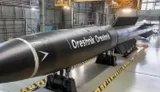 Russia struck Bila Tserkva with "Oreshnik", - Ihnat An RS-26 "Rubizh" ("Oreshnik") medium-range ballistic missile struck the area around Bila Tserkva in the Kyiv region. 20 310 106 Previously in trend: Massive combined attack Oreshnik’s blow to the Bila Tserkva
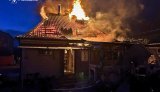 Russia used the entire range of weapons during strike on Ukraine, - Air Force Last night, Russia launched one of the largest attacks on Ukraine since the start of the full-scale war, employing the full range of its available capabilities. The main target of the attack was Kyiv. 2 390 13 Previously in trend: Massive combined attack
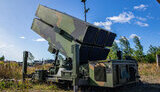 Patriot and NASAMS launchers are half-empty due to shortage of ammunition, - Air Force Ukrainian air defence units have critically low missile stocks, and international support remains vital. 5 327 57 Previously in trend: Ukrainian Air defence
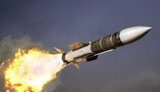 Massive missile strike by Russian Federation: enemy used record number of ballistic missiles for first time - Air Force The Russian attack lasted 24 hours and consisted of two waves of strikes. For the first time, Russia deployed a record number of ballistic missiles and changed its cruise missile tactics. 8 452 22 Previously in trend: Massive combined attack
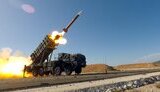 Russia has changed its tactics for strikes on Ukraine due to war in Iran: it is attacking during the day to deplete Ukraine’s stock of Patriot missiles, - Sunday Times Russia is changing its shelling tactics in an attempt to deplete Ukraine’s air defence stocks, particularly missiles for Patriot systems, the shortage of which is becoming more acute due to the war in the Middle East. 18 558 40 Previously in trend: Ukrainian Air defence Massive rocket attack Massive combined attack
 Russia has carried out 14 large-scale combined attacks this winter, — Ihnat In addition to regular daily airstrikes, Russia carried out 14 large-scale combined attacks over the winter. 1 168 1 Previously in trend: Massive rocket attack Massive combined attack
 Over 400 UAVs in Ukrainian skies. Russia has deployed strategic aviation, – Air Force (updated) More than 400 drones have been detected in Ukrainian airspace, along with sightings of Tu-95 and Tu-160MS aircraft. The threat of missile strikes remains. 9 550 19 Previously in trend: Massive combined attack
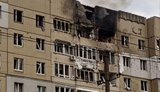 Russia attacked Ukraine with over 400 drones throughout day – they came in columns, - Ihnat On Tuesday, March 24, Russia launched one of the most massive drone attacks on Ukraine since the start of the full-scale war; there were hits. 2 863 14 Previously in trend: Drone attack
 Ukraine’s air defense shot down all cruise missiles during last Russian attack, - Ihnat During Russia's massive strike, Ukrainian air defense forces successfully intercepted most of the ballistic missiles and 100% of the cruise missiles. 4 807 30 Previously in trend: Result of the work of the air force
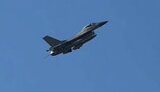 F-16s and Mirages destroy hundreds of drones and all cruise missiles during Russian attack – Air Force On the night of 17 February, the Air Force repelled a large-scale Russian air strike: all cruise missiles and more than 360 drones were destroyed. 5 128 18 Previously in trend: Massive combined attack
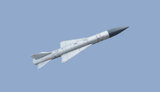 For first time in full-scale war, air defenses down nine Kh-22 missiles over Kyiv at once – Ihnat During one of the recent Russian attacks on Kyiv, air defense forces simultaneously shot down nine Kh-22 supersonic cruise missiles. This happened for the first time since the start of the full-scale invasion. 6 773 26 Previously in trend: Result of the work of the air force Missile and drone attack on Kyiv
Shortage of anti-aircraft missiles makes it difficult to repel massive Russian attacks on Kyiv, - Ihnat During the night attack on January 9, Russian troops simultaneously used drones and missiles from different directions, which significantly complicated the work of air defense over Kyiv. 2 917 51 Previously in trend: Shelling of Kyiv
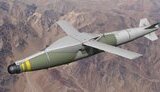 Russia is increasing use of guided bombs and in 2026 this will be one of main threats, - Ihnat Russian invaders are increasing their use of various types of guided aerial bombs, and in 2026, this will be one of the main threats. 1 995 17 Previously in trend: russia increases weapons production
 Ukrainian Air Force carried out about 7,000 flights in 2025, - Ihnat In 2025, the Air Force of the Armed Forces of Ukraine carried out about 7,000 sorties, performing tasks related to both air defence and striking enemy targets. 1 026 23 Previously in trend: Air operations of AFU
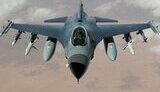 Most enemy missiles were intercepted today by tactical aircraft, in particular F-16s, - Ihnat. VIDEO During the Russian Federation's nighttime attack on December 23, most of the enemy missiles were shot down by F-16 fighter jets. At the same time, Ukraine continues to experience a shortage of missiles for air defense systems and air-to-air ammunition, which are being supplied by Western... 4 840 40 Previously in trend: Result of the work of the air force Massive combined attack
 Patriot performed flawlessly today, - Ihnat During a large-scale nighttime attack by the enemy on Ukraine, the Patriot anti-aircraft missile system successfully repelled a strike on ballistic targets. Air defense forces were able to intercept Iskander missiles heading toward the capital. 6 045 33 Previously in trend: Result of the work of the air force Massive combined attack
 Ihnat on night shelling: massive use of ballistic and aeroballistic missiles The Russian army carried out another massive attack on Ukraine's critical infrastructure overnight, increasingly using ballistic missiles. Energy and gas facilities in several regions were hit. 2 673 4 Previously in trend: Massive combined attack
 Air defense systems can intercept jet KABs, - Ihnat Russian forces are increasingly using guided aerial bombs with a range of over 150 kilometers across Ukraine. 3 636 19 Previously in trend: KAB shellings
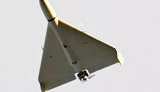 Enemy uses 60% Shaheds and 40% decoy drones in attacks – Air Force During attacks on Ukraine, Russian forces use about 60% Shahed-type strike drones and 40% decoy drones. 765 6 Previously in trend: Shooting down Shaheds
Ukraine has found it increasingly difficult to engage Russia’s ballistic systems, but the issue of modernising enemy rockets is not new, - Ihnat It has become more difficult for Ukrainian defenders to counter Russian ballistic missiles, but the issue of the enemy modernizing its missiles is far from new. 3 452 23 Previously in trend: Ukrainian Air defence production of ballistic missiles in russia
 Ihnat on massive Russian attack on Ukraine: There were direct hits by over 30 drones and 5 missiles During today's massive attack by the Russian Federation on Ukraine, direct hits of more than 30 drones and 5 different missiles were recorded. 4 197 17 Previously in trend: Massive rocket attack
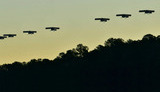 Russian decoy drones have long been equipped with explosives, - Air Force Russian decoy drones are equipped with explosives, albeit in smaller quantities than strike drones. 2 106 4 Previously in trend: Attack of drones
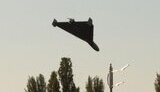 Russian Federation used up to 8 jet-powered UAVs during today’s attack - Ihnat During a night attack on July 31, Russian invaders used up to eight jet-powered drones to attack Ukraine. 3 341 13 Previously in trend: Shelling of Kyiv jet-powered Shahed
 Mirage-2000 crash in Ukraine: pilot took plane away from settlement - Ihnat A Mirage-2000 fighter jet donated by France crashed during a flight on July 22. The pilot managed to take the plane to safety and eject. 6 164 11 Previously in trend: Ukrainian Mirage-2000 fighter jet crash
 More than 15 hits to certain objects recorded in Kyiv - Ihnat More than 15 hits were recorded during a massive missile and drone attack on Kyiv on 21 July. 5 209 10 Previously in trend: Massive rocket attack Shelling of Kyiv
 Since February 24, 2022, Air Defense has shot down about 25 thousand "Shaheds" and almost 2.5 thousand cruise missiles - Air Force About 25,000 Shahed-type attack drones and almost 2,500 cruise missiles have been destroyed by air defense forces since the beginning of Russia's full-scale invasion. 862 7 Previously in trend: Result of the work of the air force
Page 1 of 9
more news