ENG




13434 visitors online
The Poltavskyy district in the Poltavska region, Ukraine, has recently experienced several violent incidents. Noteworthy events include the notification of a Poltava police officer by the State Bureau of Investigations regarding suspicion of injuring a man. In other developments, protests erupted in Poltava among other cities against President Zelenskyy's decision not to reappoint Mykhailo Fedorov as Ukraine’s defence minister. Rallies highlighted the public's demand for leadership continuity in the Defense Ministry. Additionally, the district faced multiple Russian drone strikes, severely affecting railway and industrial facilities and resulting in injuries and power outages. The regional authorities are continually dealing with the aftermath of these assaults, emphasizing the ongoing severity of the War in Ukraine.
What recent events have occurred in Poltavskyy district?
The Poltavskyy district has seen a series of incidents ranging from police investigations to public protests demanding political leadership changes. Worries over regional security are heightened by frequent Russian drone attacks causing infrastructure damage and civilian injuries.
How has the War in Ukraine affected Poltavskyy district?
The War in Ukraine has had a profound impact on the Poltavskyy district with numerous Russian drone assaults damaging critical infrastructure, disrupting essential services, and causing civilian casualties. These attacks underline the ongoing regional instability.
What public reactions have been observed in Poltava concerning political decisions?
In Poltava, significant public protests erupted in reaction to President Zelenskyy's decision not to reappoint Mykhailo Fedorov as defence minister. These demonstrations underscore local and national concerns about defense policy and political leadership continuity.
What are the key infrastructure impacts of the recent attacks in Poltava?
Recent Russian drone strikes in Poltava have severely impacted infrastructure, targeting railway facilities and causing widespread power outages. Such activities have disrupted daily life, indicating the strategic focus of these attacks on crippling essential services.
What are the ongoing security measures in Poltavska region?
The authorities in Poltavska region implement continuous security protocols to manage the damage from frequent attacks. These include emergency response coordination, infrastructure repair, and community support operations to maintain regional stability and safeguard civilians.
News Poltavskyy district, Poltavska region
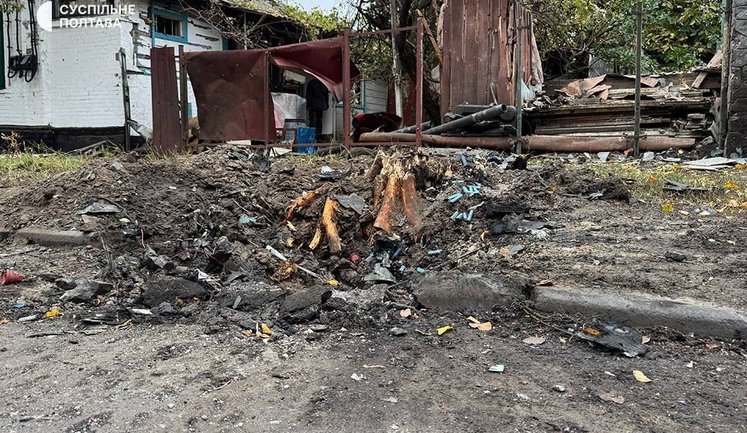
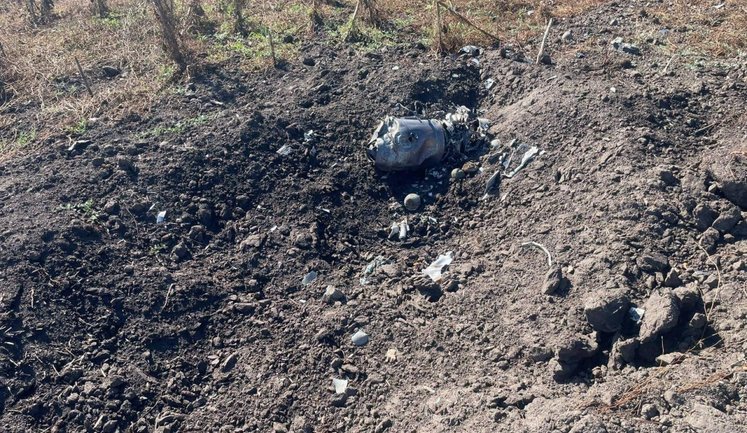
 Occupiers attack business and railway infrastructure in Poltava region: one person injured (updated) Today, 15 October, Russian forces launched a drone strike on the Poltava region. 1 077 2 Previously in trend: Shahed attack on Poltava
 In Poltava, enemy drone crashed near school: three people were injured. PHOTOS On the morning of 15 October, Russian drones attacked Poltava once again. Explosions could be heard in the city. 1 442 0 Previously in trend: Russian attack on Poltava
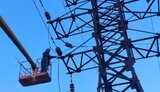 Industrial facilities and power transmission lines damaged in enemy attack on Poltava region Russian troops launched strikes on two districts in the Poltava region, resulting in damage. 1 007 0 Previously in trend: Attack of drones on Poltava region
 Russia attacked Zhytomyr and Poltava regions; transport infrastructure was targeted On the night of September 25, Russian troops attacked the Zhytomyr and Poltava regions. Transportation and railway infrastructure facilities were targeted. According to preliminary reports, there were no casualties. 1 540 0 Previously in trend: Russian attack on Poltava region Shelling of Zhytomyr region
 Russian forces launched massive nighttime attack on Poltava region: businesses and equipment were damaged Throughout the night of September 22, Russian invaders launched wave after wave of attacks on the Poltava region. Explosions were heard in two districts of the region. 2 104 0 Previously in trend: Russian attack on Poltava region
 Russia attacked Poltava with "Banderol": infrastructure was hit An explosion was heard in Poltava on the morning of September 21. The Russians attacked the city with "Banderole" loitering munitions. 1 669 1 Previously in trend: Attack of drones on Poltava region
 Warehouse damaged in Poltava region in drone attack. PHOTO Russian occupiers attacked the Poltava region with drones. The consequences of the attack have been recorded in two districts. 1 582 0 Previously in trend: Attack of drones on Poltava region
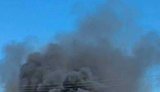 Russian forces have struck infrastructure facility in Poltava region: warehouse is on fire Russian occupiers attacked the Poltava district, resulting in a fire breaking out on the premises of an infrastructure facility. 737 0 Previously in trend: Russian attack on Poltava region
 Russia struck energy infrastructure in Poltava region. Industrial facility was hit Russian occupiers attacked the Poltava region with drones. 1 007 1 Previously in trend: Russian attack on Poltava region
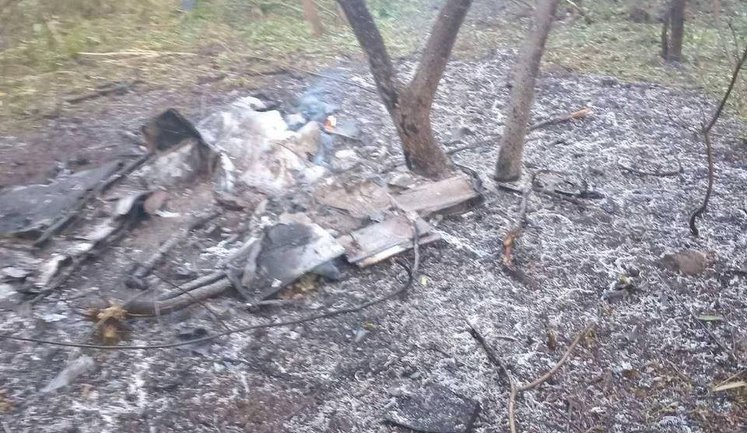
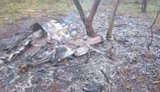 One of industrial facilities in Poltava region was attacked by Russian forces. PHOTO Russian occupiers have attacked one of the industrial sites in the Poltava region. 1 254 1 Previously in trend: Shahed attack on Poltava
 Enemy attacked enterprise in Poltava with "Banderols": there are casualties (updated). PHOTOS Russian troops are currently attacking Poltava. This was reported on a Telegram channel by Vitalii Diakivnych, head of the Poltava Regional Military Administration, according to Censor.NET. 4 481 13 Previously in trend: Attack of drones on Poltava region
Six cars and houses damaged by falling debris in Poltava community, injuries reported On 28 August, debris from an enemy target fell in the Poltava community. According to preliminary reports, two people were injured and are receiving the necessary assistance. 1 310 2 Previously in trend: Attack of drones on Poltava region
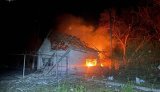 Russia attacked Ukraine with ballistic missiles and KABs: there are casualties in Kryvyi Rih, Kharkiv, and Zaporizhzhia (updated) On the night of August 26–27, Russian troops attacked several regions with ballistic missiles; explosions were heard in the Poltava region, in Kryvyi Rih, and in Zaporizhzhia. 2 047 0 Previously in trend: Shelling of the Zaporizhzhia region Russian attack on Poltava region Shelling of the Dnipropetrovsk region
Russia launched massive attack on Poltava district: enemy struck rescue workers’ base again Russian troops launched a massive attack on the Poltava district. Railway and commercial infrastructure, as well as the premises of an agricultural co-operative, came under attack. 1 965 6 Previously in trend: Attack of drones on Poltava region
 Russia has attacked Poltava and Kharkiv regions: critical infrastructure has been hit and people have been injured. PHOTO On the morning of 1 August, Russian forces attacked the Poltava region with drones, striking a critical infrastructure facility and a logistics terminal. Meanwhile, over the past 24 hours, Kharkiv and a further 17 settlements in the region came under heavy shelling. Six people are reported to... 1 185 0 Previously in trend: Shelling of Kharkiv region Russian attack on Poltava region
 Russia attacked Poltava region: one person killed, "Nova Poshta" terminal damaged. PHOTOS On the night of 30 July, Russian forces attacked the Poltava region with strike drones. One person was killed as a result of the enemy strike, and a ‘Nova Poshta’ terminal and the warehouse premises of a private company were also damaged. 3 347 2 Previously in trend: Massive combined attack
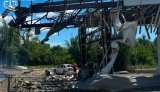 Russia completely destroyed gas stations on Kharkiv-Poltava highway Russian troops have destroyed all gas stations along the highway between Kharkiv and Poltava. 4 140 24 Previously in trend: Drone attacks on gas stations
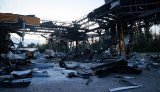 Russians attacked four petrol stations and fire station in Poltava region. PHOTO On the night of 25 July, Russian drones attacked civilian infrastructure in the Poltava district. Four petrol stations and a fire station were hit. 1 775 1 Previously in trend: Russian attack on Poltava region Drone attacks on gas stations
 Broke man’s arm whilst transporting him to TCR: police officer from Poltava has been notified of suspicion, – SBI. PHOTO Officers from the State Bureau of Investigations (SBI), with the assistance of the National Police leadership, have notified a police officer from Poltava that he is under suspicion of having injured a man whilst transporting him to the regional recruitment and social support centre. 3 946 72 Previously in trend: Suspicions against law enforcement officials Clash with police
 Second day of protests against Fedorov’s resignation began in Kyiv and other cities across Ukraine. VIDEO+PHOTOS The second day of protests against President Zelenskyy’s decision not to reappoint Mykhailo Fedorov as Ukraine’s defence minister has begun. 6 287 62 Previously in trend: Fedorov’s resignation
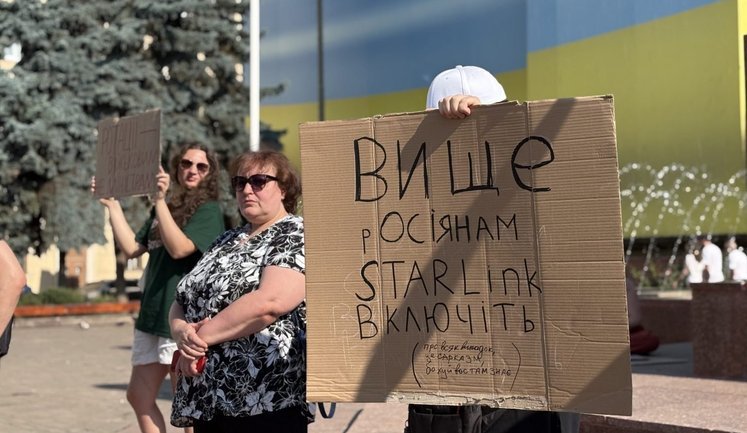
 "Fight with drones, not people": People took to streets in Khmelnytskyi, Zhytomyr, Poltava, Ternopil and Chernivtsi in support of Fedorov. VIDEO+PHOTOS Rallies in support of Mykhailo Fedorov also took place in Khmelnytskyi, Zhytomyr, Poltava, Ternopil, and Chernivtsi. The participants demanded that the leadership of the Defense Ministry remain unchanged and called for maintaining the course toward the technological modernization of the army. 2 374 12 Previously in trend: Fedorov’s resignation
 Russian drone struck railway infrastructure facility in Poltava: one person was injured Russian troops attacked a community in Poltava with a strike drone. The drone struck one of the buildings belonging to a railway infrastructure company, injuring one person. 777 0 Previously in trend: Attack of drones on Poltava region
 Industrial enterprise was on fire in Poltava region following Russian attack: fires have been extinguished (updated). PHOTOS In the Poltava district, rescue workers extinguished fires that broke out as a result of a Russian attack on one of the industrial enterprises. 799 0 Previously in trend: Russian attack on Poltava region
Russia has attacked businesses and energy facility in the Poltava region: some consumers have been left without power On Saturday, 4 July, Russian forces attacked the Poltava region with strike drones. An industrial facility in the Poltava district and an energy infrastructure site in the Myrhorod district were hit. 635 2 Previously in trend: Attack of drones on Poltava region
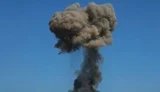 Explosion occurred in Poltava: Russia launched missile strike on one of facilities, there are injuries (updated) An explosion was heard in Poltava during an air raid alert. Preliminary reports indicate that a ballistic missile was launched. 2 822 4 Previously in trend: Russian attack on Poltava region
 Enemy struck petrol station in Poltava region. Power cuts have occurred in Hadiach community due to shelling. PHOTOS During the night, an enemy UAV attacked a petrol station in the Poltava district. 1 123 0 Previously in trend: Attack of drones on Poltava region
 Russian forces launched drone attack on business in Poltava district: there were no casualties Today, 28 June 2026, during the day, the enemy used a UAV to attack one of the businesses in the Poltava district. 603 0 Previously in trend: Attack of drones on Poltava region
 Russian strike on Poltava: two people killed, 13 injured, including six children. PHOTOS Yesterday, 20 June 2026, the enemy attacked the Poltava district. 5 121 6 Previously in trend: Shahed attack on Poltava
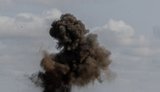 Russian strike destroyed agricultural facility in Poltava region (updated) On the night of June 10, Russian occupiers attacked Poltava with ballistic missiles. 4 447 16 Previously in trend: Russian attack on Poltava region
 Russian strike on Poltava district: 5 settlements left without gas Because of previous enemy attacks, about 3,000 customers in five settlements of Poltava district remain without gas supply. 854 1 Previously in trend: Attack of drones on Poltava region
 Aftermath of attack on Poltava Oblast: house destroyed, woman rescued from under rubble. PHOTOS A residential building was destroyed in Poltava Oblast as a result of a Russian attack, and the fires have been extinguished. Rescuers from the State Emergency Service of Ukraine saved an injured woman. 1 044 0 Previously in trend: Attack of drones on Poltava region
 Consequences of strike on Poltava region: fire in administrative building extinguished. PHOTOS On the night of 23 May, a fire broke out in an administrative building in Poltava as a result of Russian strikes. 1 297 0 Previously in trend: Shahed attack on Poltava
Enemy drones hit electrical substation in Poltava region: there is power outage On the night of May 13, 2026, the enemy attacked the Poltava community with strike drones. 926 3 Previously in trend: Shahed attack on Poltava
 Enemy attacked Poltava region with missiles and drones: 4 people were killed and more than 30 were injured. 3,480 customers are without gas Tonight, May 5, 2026, the enemy attacked the Poltava region with missiles and strike UAVs. Direct hits and falling debris were recorded at two locations in the Poltava district. 1 715 2 Previously in trend: Russian attack on Poltava region
Ruscists launched drone attack on Poltava region: railway infrastructure facility was hit On the afternoon of April 27, 2026, Russian forces launched an attack on the Poltava region using strike drones. 1 067 2 Previously in trend: Shelling of Ukrzaliznytsia facilities Attack of drones on Poltava region
 Poltava region under attack again: two people wounded On the morning of 20 April, Russian drones once again attacked the Poltava district. 1 078 0 Previously in trend: Attack of drones on Poltava region
 Enemy attacked Poltava region again: strike on railway infrastructure was recorded On the afternoon of April 19, 2026, Russian forces launched another attack on the Poltava region using attack drones. 1 336 0 Previously in trend: Attack of drones on Poltava region
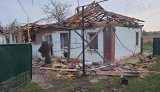 Poltava region under drone attack: houses damaged in several districts (updated). PHOTO As a result of the Russian Federation’s night-time attack on the Poltava region, residential buildings in the Kremenchuk and Poltava districts have been damaged. In Hlobyne, a house was destroyed by a downed UAV. 1 271 0 Previously in trend: Attack of drones on Poltava region
Enemy attacked Poltava: buildings have been damaged Today, April 7, 2026, during an air raid alert, an enemy UAV attacked the Poltava community. 1 692 1 Previously in trend: Shahed attack on Poltava
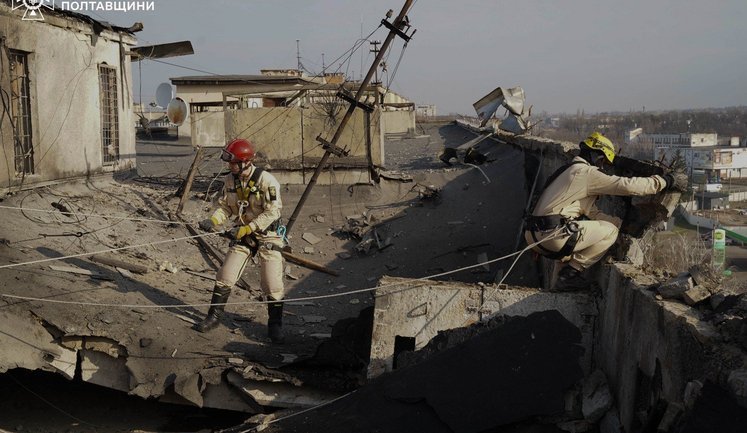
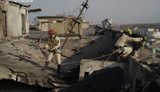 Russian attack on apartment block in Poltava: rescuers dismantle sections of floor slab on top floor. VIDEO+PHOTOS Efforts to deal with the aftermath of a Russian strike on a multi-storey residential building are ongoing in Poltava, with high-angle rescue specialists on the scene. 1 921 1 Previously in trend: Shahed attack on Poltava
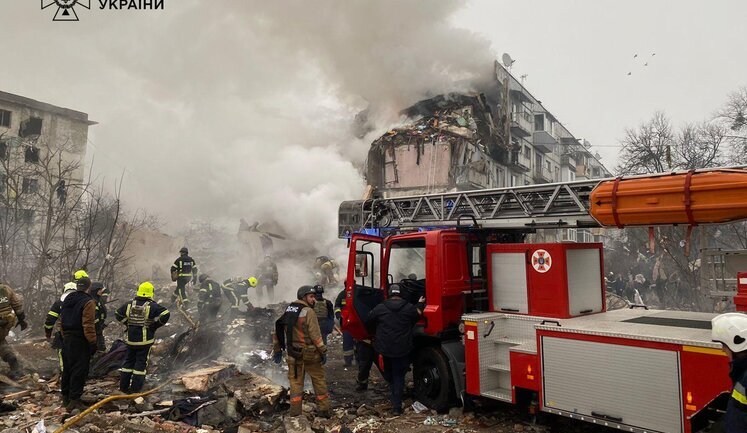
 Massive UAV attack on Poltava: number of casualties rises to four. PHOTOS A drone strike on Poltava has destroyed part of a high-rise building and damaged cars and business premises. The number of casualties has risen to four. 2 647 3 Previously in trend: Shahed attack on Poltava
 Attack on Poltava region: 2 dead and 12 injured, 5-year-old child is in hospital’s intensive care unit (updated). PHOTOS On the night of 23–24 March, Russian invaders launched a large-scale attack on the Poltava region. There have been fatalities and injuries, and damage has been reported to residential buildings and a hotel. 5 873 11 Previously in trend: Russian attack on Poltava region
 Two teenagers attempted to blow up car carrying soldiers in Poltava, - SSU. PHOTO Two minors have been detained in Poltava after attempting to blow up Ukrainian soldiers on behalf of the Russian Federation. 4 995 37 Previously in trend: Attempted terrorist attack
 Group of unidentified individuals attacked TCR servicemen and police officers in Poltava region: 8 men detained On 13 March, near the village of Nyzhni Mlyny in Poltava region, about 20 people obstructed servicemen from the Territorial Center for Recruitment and Social Support (TCR and SS) and police officers during mobilization measures and used tear gas. There were casualties. 8 467 236 Previously in trend: Attack on the TCR attack on police officers
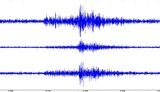 Earthquake was recorded near Poltava on 6 February An earthquake measuring 3.1 on the Richter scale occurred on the evening of 6 February near Poltava. This was reported by Censor.NET with reference to the Main Centre for Special Control. 2 945 14 Previously in trend: Earthquakes in Ukraine
 Enemy has advanced again in Pokrovsk district and Zaporizhzhia region, - DeepState. MAPS The enemy has become more active in the Pokrovsk and Polohy districts, and the line of contact near Krasnyi Lyman has been clarified. 12 810 33 Previously in trend: Updated DeepState maps
 Enemy is attacking with drones: explosions were heard in Cherkasy and Poltava, and administrative building caught fire in Zaporizhzhia. PHOTO On the night of Saturday, 18 October, explosions were heard in the Cherkasy, Poltava, and Zaporizhzhia regions amid an attack by Russian drones. 3 643 7 Previously in trend: Attack of drones Attack of drones on Poltava region UAV attack on Zaporizhzhia
 Poltava region restores power and water after Russian drone attack Water and power supplies have been fully restored in the Poltava region. 851 6 Previously in trend: Russian attack on Poltava region Attack of drones on Poltava region Shahed attack on Poltava
Page 1 of 2
more news