ENG




7332 visitors online
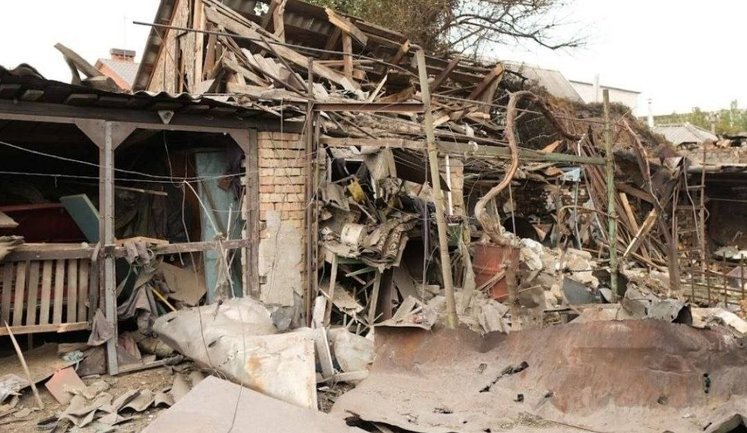
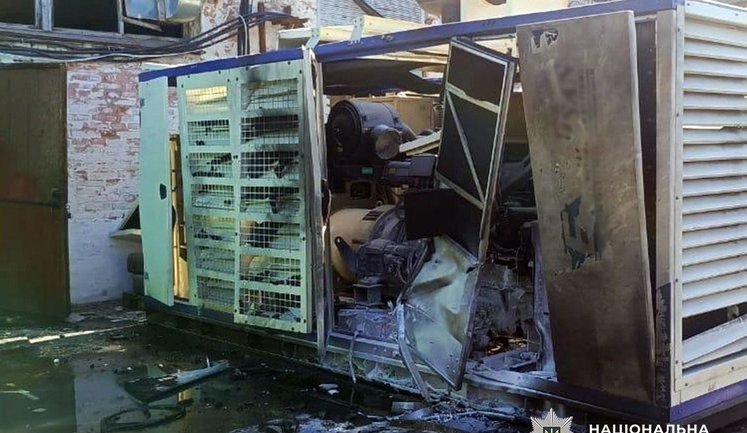
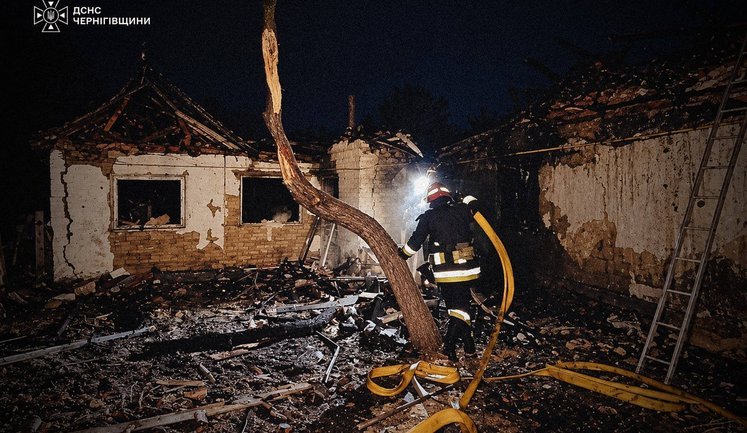
The Novhorod-Siverskyy district of the Chernihiv region in Ukraine has been under persistent attack from Russian forces. These incursions have primarily been executed using drones, which have targeted infrastructure, residential buildings, and agricultural enterprises. A notable incident on March 29 involved a strike on a timber processing plant, damaging not just the facility but also nearby homes and a nursery school. The assaults have resulted in injuries to civilians, including children, and significant damage to essential services and structures. Photos and reports highlight the ongoing challenges faced by the communities in this district, emphasizing the need for international awareness and support.
What impact have the drone attacks had on Novhorod-Siverskyy?
The drone attacks have caused extensive damage to infrastructure, including electricity and communication lines, residential buildings, and agricultural enterprises in Novhorod-Siverskyy. These assaults have resulted in injuries to civilians and disrupted daily life in the region.
How frequently has Novhorod-Siverskyy district been targeted?
Novhorod-Siverskyy district has been frequently targeted by Russian forces, as evidenced by regular drone and artillery attacks since late 2025. These strikes have affected multiple settlements within the district, highlighting the ongoing conflict in the region.
What types of facilities have been attacked in Novhorod-Siverskyy?
Facilities attacked in Novhorod-Siverskyy include timber processing plants, agricultural enterprises, energy facilities, residential areas, and educational institutions. The continuous assaults severely affect the region's economy and the residents' well-being.
What measures are being taken to assist affected residents?
Measures to assist affected residents include emergency response operations to provide medical aid and shelter, repairs to damaged infrastructure, and efforts by local authorities to coordinate relief and rebuilding activities. However, ongoing attacks complicate these efforts.
How has the international community responded to the situation in Novhorod-Siverskyy?
The international community has condemned the attacks, calling for de-escalation and providing aid to Ukraine. However, continued diplomatic efforts are needed to ensure an end to hostilities and support the region's recovery.
News Novhorod-Siverskyy district, Chernihivska region
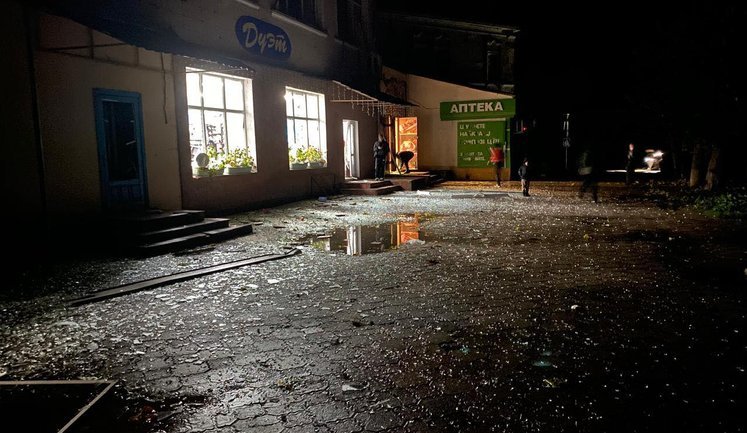
 Russians attacked number of regions in Ukraine: there are fatalities and injuries; children are among dead. PHOTOS Over the past 24 hours and during the night of 8 October, Russian troops attacked settlements in the Donetsk, Sumy, Chernihiv, Kharkiv, Dnipropetrovsk, Zaporizhzhia, Mykolaiv and Kherson regions. The shelling has resulted in deaths and injuries, and has damaged residential buildings, vehicles,... 1 009 0 Previously in trend: Shelling of Ukraine
 Russians struck enterprise in Novhorod-Siverskyi: two injured. PHOTO Today, 30 September, the enemy struck an enterprise in Novhorod-Siverskyi, Chernihiv region, with a Molniya-type drone. 858 1 Previously in trend: Shelling of Chernihiv region
 Russian forces struck critical infrastructure in the Chernihiv region. Teenagers were injured in Novhorod-Siverskyi. PHOTOS On the evening of 27 September 2026, the Russians launched a drone strike directly at a residential area in Novhorod-Siverskyi, in the Chernihiv region. 857 1
 Russia has begun to use jet-powered drones on large scale to attack Chernihiv region. PHOTOS Russian forces have begun to deploy jet-powered drones on a large scale across the Chernihiv region, in particular ‘Banderole’ drones, which are a hybrid of a cruise missile and a drone and can reach speeds of up to 650 km/h, making them much more difficult to intercept. 2 288 14 Previously in trend: Drone attack on Chernihiv region
 Occupiers attacked mobile "Ukrposhta" branch in Chernihiv region with drone: two employees were injured. PHOTO On the morning of 1 August, staff at a mobile branch of ‘Ukrposhta’ in the Chernihiv region came under attack from an enemy drone. Two employees were injured as a result of the attack by the Russian occupiers. 1 186 3 Previously in trend: Shelling of Chernihiv region
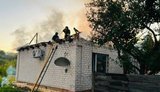 Russians attacked Chernihiv region with strike UAV: five people injured, including three children. PHOTO On the evening of 17 July, Russian invaders launched a drone attack on Novhorod-Siverskyi in the Chernihiv region. The enemy drone struck a residential building. A family was injured. 890 2 Previously in trend: Shelling of Chernihiv region Drone attack on Chernihiv
 Enemy strikes with drone near Nova Poshta branch in Semenivka, Chernihiv region: man injured On the evening of June 26, Russian invaders struck with a drone near a Nova Poshta branch in Semenivka, Chernihiv region. A 57-year-old man was injured. 519 0 Previously in trend: Shelling of Chernihiv region
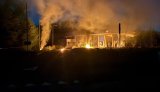 Day in Chernihiv Oblast: petrol stations and residential areas hit, one person injured. PHOTOS Over the past 24 hours, Russian invaders have continued to shell the Chernihiv region: 18 shelling incidents and 37 explosions were recorded, mainly involving the use of FPV drones in border communities. 583 0 Previously in trend: Shelling of Chernihiv region
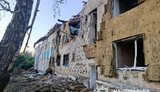 Russian forces struck secondary school in Chernihiv region, which had recently been rebuilt following attacks by Russian Federation. PHOTOS Russian occupiers shelled the Chernihiv region throughout the night. A secondary school was damaged. A civilian vehicle delivering bread was also hit. 2 580 13 Previously in trend: Shelling of Chernihiv region
 Ruscists destroyed school on border of Chernihiv region. PHOTO During the night, the occupying forces attacked the village of Masheve with a drone. 1 765 6 Previously in trend: Shelling of Chernihiv region
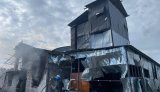 Russians strike farms in Chernihiv region: one woman killed, one man in critical condition. PHOTO Today, 27 May, between 08:10 and 08:15, Russian forces struck the village of Lukniv in the Korop community of Chernihiv Oblast, resulting in one fatality and one injury. 2 345 6 Previously in trend: Shelling of Chernihiv region
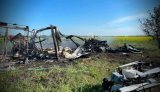 Russian forces strike Chernihiv region: one person killed, two injured. PHOTO Russian occupiers attacked one of the districts in the Chernihiv region with a drone, resulting in one death and two injuries. 1 377 2 Previously in trend: Shelling of Chernihiv region
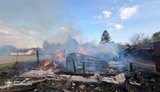 Occupiers struck communications facility in Chernihiv region; in total, there were 33 shelling incidents in region over past 24 hours. PHOTOS Yesterday, the enemy attacked the border areas of the Chernihiv region using FPV drones. A total of 33 attacks were recorded over the past 24 hours. 919 1 Previously in trend: Shelling of Chernihiv region
 FPV drones attack agricultural enterprise in Chernihiv region, damaging equipment and warehouses Russian forces attacked the infrastructure of an agricultural enterprise in the village of Ivanivka with two FPV drones. The strikes damaged a combine harvester in a field and warehouse facilities. 806 1 Previously in trend: Drone attack in Chernihiv region
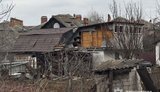 Russian drones attacked Chernihiv region: child injured, and museum, agricultural enterprise, and infrastructure damaged. PHOTOS (updated) On 29 March, the Russians attacked three settlements in the Chernihiv region using various types of drones. 1 757 1 Previously in trend: Drone attack in Chernihiv region
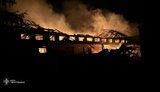 Overnight, enemy attacked timber processing plant in Novhorod-Siverskyi: production facilities, nearby houses and nursery school were damaged. PHOTOS On the night of 29 March, Russian forces carried out strikes on a timber processing plant in Novhorod-Siverskyi, Chernihiv region. 1 231 1 Previously in trend: Shelling of Chernihiv region
 Russians attacked agricultural enterprise in Chernihiv region with "Geran" UAVs: cowshed was on fire. PHOTOS Last night, "Gerani" missiles struck a village in the Koriukivka district of Chernihiv region, causing a fire to break out. 1 706 4
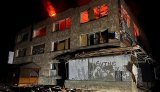 Russian troops shelled the Chernihiv region border: court, shops and power lines damaged. PHOTOS Over the past 24 hours, on 16 March 2026, the enemy attacked border communities in the Chernihiv region. 815 0 Previously in trend: Shelling of Chernihiv region
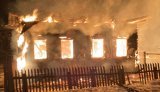 Russians strike Chernihiv region: transport infrastructure and buildings attacked, four injured. PHOTOS Russian forces have carried out strikes on residential buildings in the Novhorod-Siverskyi district of the Chernihiv region, resulting in casualties. 1 317 1 Previously in trend: Shelling of Chernihiv region
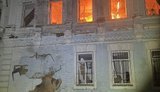 Russian drone attacked the centre of Novhorod-Siverskyi: targeted library and residential buildings. PHOTO On the night of 13 March, the occupiers attacked the central part of Novhorod-Siverskyi in the Chernihiv region with Geran drones, damaging the city library, residential buildings and administrative buildings. 2 206 3 Previously in trend: Shelling of Chernihiv region
 Russian forces attacked enterprises in two districts of Chernihiv region: fires extinguished. PHOTOS Russian troops have once again attacked the Chernihiv region. 979 1 Previously in trend: Shelling of Chernihiv region
 As result of enemy shelling, power lines in Korukivka district were cut off, leaving number of settlements without electricity. PHOTO Over the past day, Russians carried out 69 shellings of the Chernihiv region, with 116 explosions recorded. 727 0 Previously in trend: Shelling of Chernihiv region
 Enemy UAVs strike Novhorod-Siverskyi in Chernihiv region: at least two hits On the evening of February 26, Russian troops launched drone strikes on the center of Novhorod-Siverskyi in the Chernihiv region. At least two hits were recorded. 857 2 Previously in trend: Shelling of Chernihiv region
 All utilities and power grid destroyed in Novhorod-Siverskyi – Regional Military Administration Head of the Chernihiv Regional Military Administration, Viacheslav Chaus, held a meeting on the situation in the Chernihiv region. 3 936 7 Previously in trend: Shelling of Chernihiv region Situation near the border of the Chernihiv region
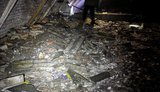 Russians attacked border of Chernihiv region with drone: building of Novhorod-Siverskyi RMA was destroyed. PHOTO A Russian drone strike destroyed the building of the Novhorod-Siverskyi RMA in the Chernihiv region. 2 087 3 Previously in trend: Drone attack in Chernihiv region
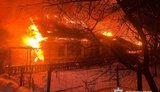 Enemy struck Novhorod-Siverskyi with drones: one man was killed and four were wounded. PHOTOS On the night of 9 February, Russian aggressors struck Novhorod-Siverskyi in the Chernihiv region with "gerans". 1 154 0 Previously in trend: Shelling of Chernihiv region
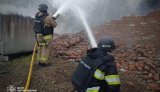 Shelling of Chernihiv region: Russians targeted critical infrastructure, communications, energy and transport facilities. PHOTOS Over the past day, Russian troops have been hitting the Chernihiv region, especially energy facilities, which has left a bunch of towns without power. 653 0 Previously in trend: Shelling of Chernihiv region
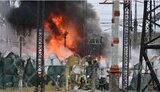 Ruscists attacked important energy facility in Chernihiv region Russian occupation forces struck an energy facility in the Chernihiv region. 1 896 2 Previously in trend: Attacks on the energy sector Shelling of Chernihiv region
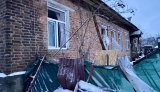 Enemy struck Novhorod-Siverskyi with drone, damaging energy facility in Koriukivka district. PHOTO Just on New Year's Eve, the Russians struck Novhorod-Siverskyi in the Chernihiv region with a "geran". 1 182 0 Previously in trend: Drone attack on Chernihiv region
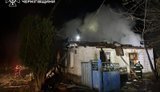 Russian drone attack on Novhorod-Siverskyi: one person injured, homes and SES building damaged. PHOTOS Late in the evening on 18 December, Russian troops launched a strike with Geran kamikaze drones on Novhorod-Siverskyi. The strike hit a residential area of the city. 625 0 Previously in trend: Drone attack on Chernihiv region
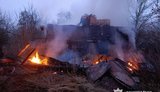 Attacks on Chernihiv region: Russian "gerans" hit farm, livestock killed. PHOTOS Last night, enemy "gerans" attacked a farm in the village of Zhernivka, Novhorod-Siverskyi district. 1 404 0 Previously in trend: Shelling of Chernihiv region
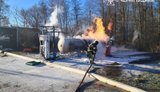 Day in Chernihiv region: 59 shellings and 92 explosions, woman and child injured. PHOTOS Russian troops attacked Semenivka, Novhorod-Siverskyi, and the Kholmy district. Buildings and vehicles were damaged, and there are casualties. 858 1 Previously in trend: Shelling of Chernihiv region
 Russian forces strike Novhorod-Siverskyi with drones: one man killed, fires break out. PHOTOS Russian troops attacked Novhorod-Siverskyi in the Chernihiv region with strike drones. 815 0 Previously in trend: Drone attack in Chernihiv region
 Day in Chernihiv region: enemy struck farm and energy facilities. There is destruction. PHOTO On the afternoon of 2 December, enemy "Gerans" repeatedly attacked a farm in one of the villages in the Chernihiv district. Two explosions were recorded. 930 0 Previously in trend: Drone attack in Chernihiv region
 Russians attacked Chernihiv region: woman was killed in Novhorod-Siverskyi district. PHOTOS Yesterday, Russian invaders attacked the Chernihiv and Novhorod-Siverskyi districts with drones, causing fires and killing a woman. 1 014 1 Previously in trend: Shelling of Chernihiv region
 Day in Chernihiv region: 61 shellings, FPV drone attacks and damage to civilian facilities. PHOTO During the day, 61 shellings were recorded, with a total of 120 strikes. Russian troops used FPV drones and strike drones, as well as mortars and artillery. Both civilian infrastructure and civilian vehicles were damaged. 974 0 Previously in trend: Shelling of Chernihiv region
 Attacks on Chernihiv region: part of Nizhyn and Pryluky districts without power, transport infrastructure damaged. PHOTOS Russian troops attacked an energy facility in Nizhyn, Chernihiv region, yesterday, also damaging transport infrastructure in the area. 1 058 0 Previously in trend: Shelling of Chernihiv region
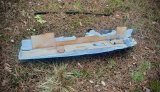 Two teenagers injured after drone detonates in forest in Chernihiv region. PHOTOS Two teenagers were injured in Chernihiv region. An explosive part of a UAV detonated. 1 406 0 Previously in trend: Drone attack on Chernihiv region
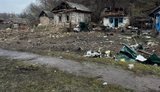 Enemy struck Novhorod-Siverskyi with drones: three people wounded, significant damage to residential buildings. PHOTOS On the night of Wednesday, 5 November, Russian troops attacked the territory of Novhorod-Siverskyi in the Chernihiv region with strike drones. 2 362 2 Previously in trend: Drone attack in Chernihiv region
 Novhorod-Siverskyi was hit by UAV at night: facades and windows of buildings in city centre were damaged. PHOTOS On the night of 1 November, Russian troops launched a drone strike on the central part of Novhorod-Siverskyi in the Chernihiv region. The enemy struck with two drones 2 162 2 Previously in trend: Shelling of Chernihiv region
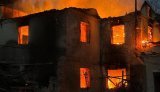 Russians strike critical infrastructure in Chernihiv region: fires rage, administrative building burned down. PHOTOS Late in the evening of 25 October, Russian troops struck at enterprises in the Chernihiv region, including critical infrastructure, and an administrative building burned down. 2 135 5 Previously in trend: Shelling of Chernihiv region
 Enemy launches massive attack on Novhorod-Siverskyi: dead and wounded reported (updated). PHOTOS Russian forces are currently conducting a massive strike on Novhorod-Siverskyi in Chernihiv region using attack UAVs. 6 908 16 Previously in trend: Drone attack on Chernihiv region
 Russians attacked Novhorod-Siverskyi: fire at logging company. PHOTO On the night of 17 October, Russian troops carried out a series of drone strikes on Novhorod-Siverskyi, Chernihiv region. 1 097 0 Previously in trend: Shelling of Chernihiv region
"Shaheds" attacked Chernihiv region: fire broke out at civilian infrastructure facility. PHOTOS Russian troops attacked Chernihiv region with drones, causing a fire at a civilian infrastructure facility. 1 425 0 Previously in trend: Shelling of Chernihiv region Drone attack in Chernihiv region
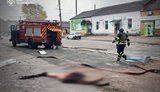 Russian drone hit shop in Semenivka, Chernihiv region: one person killed. PHOTO One person was killed and another was injured as a result of a Russian UAV strike on the town of Semenivka, Novhorod-Siverskyi district, Chernihiv region. 2 126 0
 Russians struck 29 settlements in Chernihiv region in 24 hours: energy facility, special vehicle, and petrol station were attacked. PHOTO During the day, from 8 am on 11 October to 8 am on 12 October, Russian troops fired 59 times in the Chernihiv region. The shelling affected 29 settlements in 6 territorial communities. 1 042 1 Previously in trend: Shelling of Chernihiv region
 Russian forces attacked energy workers’ vehicles in Chernihiv region with drones: one dead and several injured. PHOTO Late in the evening of 10 October, Russian invaders attacked Chernihivoblenergo vehicles with attack drones near the village of Zhadove, Semenivka community, on the border of the Chernihiv region. The attack resulted in a death and injuries. 1 692 1 Previously in trend: Shelling of Chernihiv region
 Shelling of Chernihiv region: railway infrastructure and energy facility attacked in Nizhyn, oil depot in Pryluky, and fire station in Semenivka. Fires raged. PHOTOS Over the last day, Russian troops fired 50 times in Chernihiv region, most of them using FPV drones. The shelling affected 23 settlements in 7 communities. 2 246 0
Page 1 of 2
more news