ENG




8936 visitors online
Poltava and the Poltavska region have faced a series of grave challenges due to ongoing attacks from Russian forces. Recent reports highlight a devastating strike using "Banderol" loitering munitions, impacting the city's infrastructure. The explosive events in Poltava caused severe damage, with casualties including civilians affected by the bombardments. The resilience of Poltava's community is reflected in the efforts for restoration and recovery amidst continuous threats. News of infrastructure damage, such as the destruction of gas stations and damage to railway facilities, underscores the strategic impact on the Poltava region’s connectivity and economy.
How has Poltava's infrastructure been affected by recent attacks?
Recent attacks on Poltava have significantly damaged key infrastructure, including strikes on railway facilities and gas stations. These have disrupted transportation and logistics, complicating daily life and economic activities in the region. Efforts are ongoing to restore services and support the community amid continuous threats.
What are the consequences of the latest attacks on Poltava?
The most recent attacks on Poltava have resulted in significant casualties, including injuries and fatalities among civilians. These strikes have also caused widespread damage to residential and commercial buildings, reflecting the heavy toll on civilian life and infrastructure in the region.
What measures are being taken to support victims in Poltava?
The local administration and emergency services in Poltava are actively involved in rescue operations and providing medical assistance to the injured. Community support initiatives are underway, focusing on recovery and assistance for affected families and individuals.
What role has the Poltava Regional Military Administration played amid the attacks?
The Poltava Regional Military Administration has played a critical role in coordinating responses to the attacks. They provide vital information to residents, organize rescue efforts, and liaise with national authorities to enhance the region's defense and response strategies.
How is Poltava's community coping with the ongoing crisis?
The community in Poltava exhibits remarkable resilience in the face of ongoing threats. Local initiatives and volunteer organizations are actively involved in relief efforts, highlighting the community's solidarity and determination to overcome the challenges posed by these attacks.
News Poltava, Poltavskyy district, Poltavska region
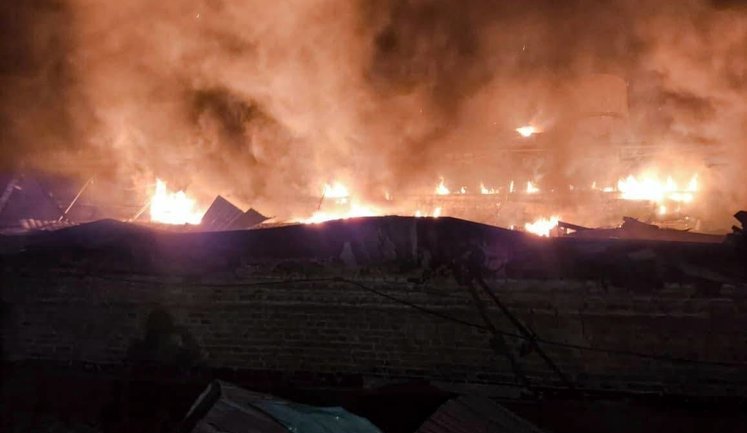
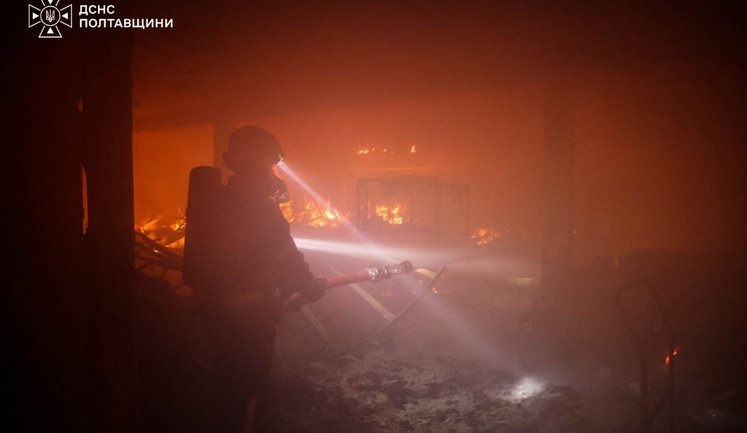
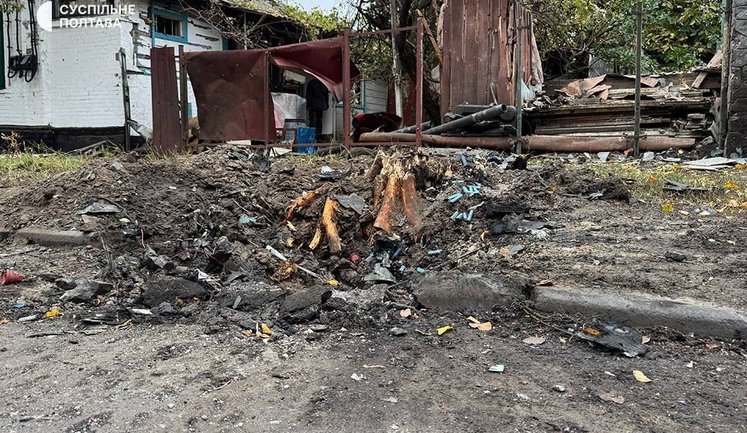
 Russia attacked Poltava several times during night: railway infrastructure and homes were damaged. PHOTOS Russian troops attacked Poltava several times during the night. Railway infrastructure came under fire, and the blast wave damaged at least six private homes. 1 829 0 Previously in trend: Shelling of Ukrzaliznytsia facilities Russian attack on Poltava
 Russian strike on Kremenchuk: strike on building at Ostrohradskyi University. Child is among injured (updated). VIDEO&PHOTOS According to updated information, two people have been injured as a result of a strike on the M. Ostrohradskyi Kremenchuk National University. 1 772 4 Previously in trend: Attack of drones on Poltava region
 Occupiers attack business and railway infrastructure in Poltava region: one person injured (updated) Today, 15 October, Russian forces launched a drone strike on the Poltava region. 1 123 2 Previously in trend: Shahed attack on Poltava
 In Poltava, enemy drone crashed near school: three people were injured. PHOTOS On the morning of 15 October, Russian drones attacked Poltava once again. Explosions could be heard in the city. 1 540 0 Previously in trend: Russian attack on Poltava
 Russia attacked Poltava with "Banderol": infrastructure was hit An explosion was heard in Poltava on the morning of September 21. The Russians attacked the city with "Banderole" loitering munitions. 1 675 1 Previously in trend: Attack of drones on Poltava region
 Enemy attacked enterprise in Poltava with "Banderols": there are casualties (updated). PHOTOS Russian troops are currently attacking Poltava. This was reported on a Telegram channel by Vitalii Diakivnych, head of the Poltava Regional Military Administration, according to Censor.NET. 4 484 13 Previously in trend: Attack of drones on Poltava region
 Six cars and houses damaged by falling debris in Poltava community, injuries reported On 28 August, debris from an enemy target fell in the Poltava community. According to preliminary reports, two people were injured and are receiving the necessary assistance. 1 310 2 Previously in trend: Attack of drones on Poltava region
 Russia attacked Ukraine with ballistic missiles and KABs: there are casualties in Kryvyi Rih, Kharkiv, and Zaporizhzhia (updated) On the night of August 26–27, Russian troops attacked several regions with ballistic missiles; explosions were heard in the Poltava region, in Kryvyi Rih, and in Zaporizhzhia. 2 054 0 Previously in trend: Shelling of the Zaporizhzhia region Russian attack on Poltava region Shelling of the Dnipropetrovsk region
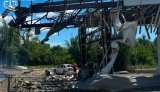 Russia completely destroyed gas stations on Kharkiv-Poltava highway Russian troops have destroyed all gas stations along the highway between Kharkiv and Poltava. 4 145 24 Previously in trend: Drone attacks on gas stations
 Broke man’s arm whilst transporting him to TCR: police officer from Poltava has been notified of suspicion, – SBI. PHOTO Officers from the State Bureau of Investigations (SBI), with the assistance of the National Police leadership, have notified a police officer from Poltava that he is under suspicion of having injured a man whilst transporting him to the regional recruitment and social support centre. 3 962 72 Previously in trend: Suspicions against law enforcement officials Clash with police
 Second day of protests against Fedorov’s resignation began in Kyiv and other cities across Ukraine. VIDEO+PHOTOS The second day of protests against President Zelenskyy’s decision not to reappoint Mykhailo Fedorov as Ukraine’s defence minister has begun. 6 288 62 Previously in trend: Fedorov’s resignation
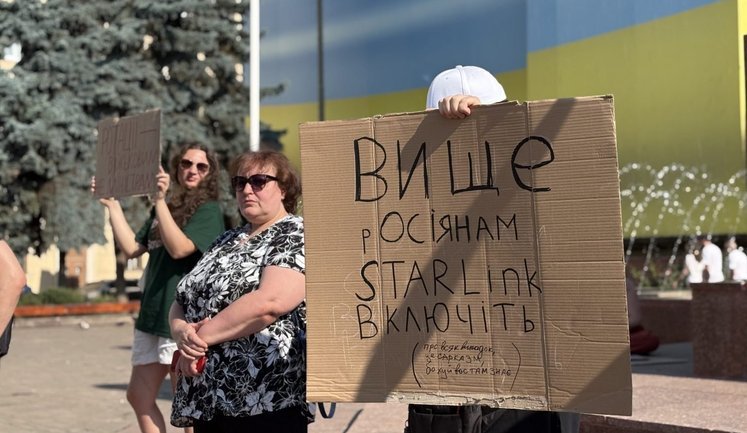
 "Fight with drones, not people": People took to streets in Khmelnytskyi, Zhytomyr, Poltava, Ternopil and Chernivtsi in support of Fedorov. VIDEO+PHOTOS Rallies in support of Mykhailo Fedorov also took place in Khmelnytskyi, Zhytomyr, Poltava, Ternopil, and Chernivtsi. The participants demanded that the leadership of the Defense Ministry remain unchanged and called for maintaining the course toward the technological modernization of the army. 2 378 12 Previously in trend: Fedorov’s resignation
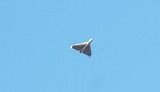 Russian drone struck railway infrastructure facility in Poltava: one person was injured Russian troops attacked a community in Poltava with a strike drone. The drone struck one of the buildings belonging to a railway infrastructure company, injuring one person. 777 0 Previously in trend: Attack of drones on Poltava region
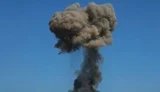 Explosion occurred in Poltava: Russia launched missile strike on one of facilities, there are injuries (updated) An explosion was heard in Poltava during an air raid alert. Preliminary reports indicate that a ballistic missile was launched. 2 825 4 Previously in trend: Russian attack on Poltava region
 Russian strike on Poltava: two people killed, 13 injured, including six children. PHOTOS Yesterday, 20 June 2026, the enemy attacked the Poltava district. 5 121 6 Previously in trend: Shahed attack on Poltava
 NABU has exposed MP and officials from Poltava City Council in kickback scheme involving road repairs. PHOTO In Poltava, detectives from the National Anti-Corruption Bureau have exposed a city councillor and city hall officials for a corruption scheme involving road repairs and maintenance. 1 782 16 Previously in trend: Road repairs
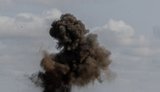 Russian strike destroyed agricultural facility in Poltava region (updated) On the night of June 10, Russian occupiers attacked Poltava with ballistic missiles. 4 455 16 Previously in trend: Russian attack on Poltava region
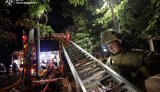 Consequences of strike on Poltava region: fire in administrative building extinguished. PHOTOS On the night of 23 May, a fire broke out in an administrative building in Poltava as a result of Russian strikes. 1 297 0 Previously in trend: Shahed attack on Poltava
 Enemy drones hit electrical substation in Poltava region: there is power outage On the night of May 13, 2026, the enemy attacked the Poltava community with strike drones. 927 3 Previously in trend: Shahed attack on Poltava
Enemy attacked Poltava: buildings have been damaged Today, April 7, 2026, during an air raid alert, an enemy UAV attacked the Poltava community. 1 693 1 Previously in trend: Shahed attack on Poltava
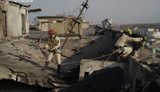 Russian attack on apartment block in Poltava: rescuers dismantle sections of floor slab on top floor. VIDEO+PHOTOS Efforts to deal with the aftermath of a Russian strike on a multi-storey residential building are ongoing in Poltava, with high-angle rescue specialists on the scene. 1 921 1 Previously in trend: Shahed attack on Poltava
 Massive UAV attack on Poltava: number of casualties rises to four. PHOTOS A drone strike on Poltava has destroyed part of a high-rise building and damaged cars and business premises. The number of casualties has risen to four. 2 649 3 Previously in trend: Shahed attack on Poltava
 Two teenagers attempted to blow up car carrying soldiers in Poltava, - SSU. PHOTO Two minors have been detained in Poltava after attempting to blow up Ukrainian soldiers on behalf of the Russian Federation. 4 997 37 Previously in trend: Attempted terrorist attack
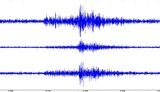 Earthquake was recorded near Poltava on 6 February An earthquake measuring 3.1 on the Richter scale occurred on the evening of 6 February near Poltava. This was reported by Censor.NET with reference to the Main Centre for Special Control. 2 945 14 Previously in trend: Earthquakes in Ukraine
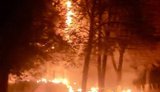 Enemy is attacking with drones: explosions were heard in Cherkasy and Poltava, and administrative building caught fire in Zaporizhzhia. PHOTO On the night of Saturday, 18 October, explosions were heard in the Cherkasy, Poltava, and Zaporizhzhia regions amid an attack by Russian drones. 3 643 7 Previously in trend: Attack of drones Attack of drones on Poltava region UAV attack on Zaporizhzhia
 Poltava region restores power and water after Russian drone attack Water and power supplies have been fully restored in the Poltava region. 853 6 Previously in trend: Russian attack on Poltava region Attack of drones on Poltava region Shahed attack on Poltava
 Locomotive depot in Poltava was damaged by Russian strike As a result of the Russian night strike in Poltava, the locomotive depot, power supply line, and traction substations were damaged. 2 009 9 Previously in trend: Shahed attack on Poltava
 Occupiers attacked Poltava region with drones at night: power facility damaged, number of suburban trains cancelled (updated). PHOTOS On the night of 7 October, the enemy attacked Poltava region with drones: fires broke out in administrative buildings, and a residential building and outbuilding were damaged. Rescuers and a fire train were involved in the firefighting. 4 272 5 Previously in trend: Shahed attack on Poltava
 Powerful explosions in Poltava: Russian drones attacked city Powerful explosions were heard in Poltava. According to Censor.NET, the Poltava Regional Military Administration reported the attack on the city. 3 842 9 Previously in trend: Attack of drones
 Massive shelling of Poltava region: St. Nicholas Church of OCU damaged in Poltava, number of schools switched to online learning. PHOTO On the night of 3 October, the St Nicholas Church of the OCU was damaged in Poltava: an explosive wave smashed out some windows and damaged the refectory. 3 193 12 Previously in trend: Russian attack on Poltava region
 Series of explosions rattle Dnipro and Poltava: ballistic threat ongoing On the evening of July 18, explosions were heard in Poltava and Dnipro during air raid alerts. 3 815 0 Previously in trend: Dnepropetrovsk Explosions Russian attack on Poltava region
 Two Russian female agents detained for setting fire to soldier’s car and planning to blow up judge in Dnipro - SSU. PHOTOS The SSU and the National Police prevented a series of terrorist attacks in Poltava and Dnipro. The special operation resulted in the detention of two Russian military intelligence agents (better known as gru) who were preparing to blow up judges and volunteers in frontline cities. 4 800 18
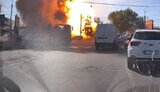 Russian attack on Poltava on July 3: death toll rises to four Another woman who was injured as a result of a Russian attack on the Poltava community on July 3 died in the hospital. 1 314 0 Previously in trend: Shahed attack on Poltava
 Poltava bids farewell to AFU employee Tamara Pyvovar, killed in TRC building strike. PHOTO Today Poltava bids farewell to Tamara Pyvovar, an employee of the Armed Forces of Ukraine who died in hospital from severe injuries sustained during a Russian Shahed drone strike on the regional TCR and SS (Territorial Centre of Recruitment and Social Support) building. 9 578 16 Previously in trend: Russian strikes at TCR
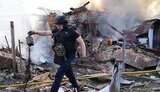 Russian attack on Poltava on July 3: wounded woman dies in hospital The death toll from the Russian strike on the Poltava community on July 3 has increased, with one of the wounded dying in hospital. 1 135 4 Previously in trend: Russian attack on Poltava region Shahed attack on Poltava
Russian attack on Poltava on 3 July: number of wounded rises to 64 The number of people injured in Poltava has increased as a result of a Russian drone attack. 1 026 16 Previously in trend: Russian attack on Poltava region Shahed attack on Poltava
 Shelter locked during air raid alert on July 3 in central Poltava; responsible person dismissed – RMA During the air raid alert on the morning of July 3, a shelter in central Poltava was found locked. 2 874 17 Previously in trend: Shahed attack on Poltava
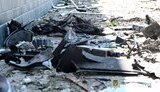 Russian attack on Poltava: number of wounded rises to 59. PHOTO As a result of the Russian strike on Poltava on the morning of July 3, two people were killed and 59 others injured. 5 373 7 Previously in trend: Shahed attack on Poltava
Consequences of Russia’s strike on Poltava. Rescuers extinguish fire. PHOTOS Rescuers are working at the site of Russian shelling in Poltava. 4 950 16
Russia attacked TCR building in Poltava. There are dead and wounded, including civilians Russian occupiers struck at Poltava, causing a fire in the building of the Poltava United City TCR and SS. 22 059 142 Previously in trend: Shahed attack on Poltava Russian strikes at TCR
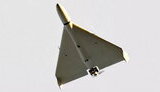 Ruscists attacked Poltava: two killed, 11 wounded (updated) An explosion occurs in Poltava during an air raid alert. The city is under attack by a UAV. 7 736 40 Previously in trend: Attack of drones on Poltava region Shahed attack on Poltava
 Strike on Poltava on 4 June: military instructor Artem Kutsenko killed On 4 June 2025, a military instructor, Staff Sergeant Artem Kutsenko, was killed as a result of a rocket attack on a training ground near Poltava. 5 502 16 Previously in trend: losses of Ukraine
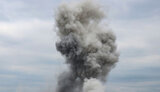 Explosion rang out in Poltava: Russia fired missile An explosion occurred during an air raid alert in Poltava. 6 082 6 Previously in trend: Russian attack on Poltava region
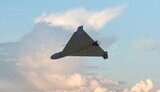 Russian drone attack on Poltava district leaves 900 people without power – RMA On the evening of 7 May, Russian forces launched a drone attack on Poltava district. 1 329 2 Previously in trend: Attack of drones on Poltava region
 Consequences of massive strike by Shaheds in Poltava: 3 people injured, infrastructure damaged. PHOTOS On the night of 22-23 April, Russian troops massively attacked Poltava with strike UAVs, injuring three people. 2 523 0
 Poltava prosecutor Pleskach wins court case for special pension: received over 1 million for less than a year - media Oleh Pleskach (42), a former first deputy prosecutor and current employee of the Poltava regional prosecutor's office, succeeded in court in obtaining a special pension for his length of service. The amount of the pension is 90% of his salary. 15 292 111 Previously in trend: Pensions for prosecutors
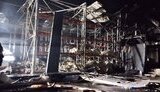 Consequences of massive UAV strike on Poltava: hits and falling debris recorded at 6 different locations. PHOTOS Last night, on 27 March, the enemy launched a massive UAV attack on civilian targets in industrial areas in Poltava community. 6 044 10 Previously in trend: Attack of drones on Poltava region
 They guided Russian missiles at airfields and air defences in three regions: SSU detains spotters. PHOTOS Russian special services' accomplices who spied on the Defence Forces in three regions of Ukraine were detained. 4 040 9 Previously in trend: Detention of adjusters
Page 1 of 3
more news