ENG




11637 visitors online
Ivan Fedorov, head of the Zaporizhzhia Regional Military Administration, frequently addresses the ongoing Russian military actions in the region. Recent updates indicate intensified attacks, including the use of guided aerial bombs and drones, causing significant damage to infrastructure and multiple casualties. The Russian forces have reduced the flight altitude of their drones, complicating defensive efforts. The situation has led to severe power outages and an urgent need for the local administration to adapt its security measures. Fedorov continues to warn residents and coordinate defensive strategies while highlighting the pressing humanitarian challenges faced by the civilians in Zaporizhzhia.
What are the recent developments in Zaporizhzhia reported by Ivan Fedorov?
Ivan Fedorov has reported intensified Russian military actions in Zaporizhzhia, including drone strikes and guided aerial bombing, causing infrastructure damage and civilian casualties. These actions have led to substantial power outages, urging residents to limit phone use.
How has the drone strategy changed in Zaporizhzhia according to Fedorov?
Fedorov has noted that Russian forces have altered their drone tactics by lowering the flight altitude from 3,000-4,000 meters to 250 meters. This adaptation poses a significant challenge for defensive operations, increasing the risk of strikes on residential areas.
What impact have the Russian attacks had on Zaporizhzhia's infrastructure?
The Russian attacks, as reported by Fedorov, have severely affected Zaporizhzhia's infrastructure, leading to widespread power outages, heating issues, and damages to residential and public buildings. These challenges are compounded by the ongoing conflict in the region.
What has Fedorov communicated regarding the safety recommendations for Zaporizhzhia residents?
Ivan Fedorov has advised Zaporizhzhia residents to limit their mobile phone use to conserve battery life amidst frequent power outages. He has also emphasized the importance of seeking shelter during attacks and remaining informed of evacuation routes.
What humanitarian concerns has Ivan Fedorov raised for Zaporizhzhia?
Fedorov has raised serious humanitarian concerns over the plight of civilians in Zaporizhzhia, highlighting the growing need for medical supplies, basic services, and the protection of vulnerable populations amidst continued Russian military aggression.
News Fedorov Ivan
 Zaporizhzhia Regional State Administration has new head: Zelenskyy has appointed Semikin as acting head President Volodymyr Zelenskyy dismissed Ivan Fedorov from his post as head of the Zaporizhzhia Regional State Administration. His deputy, Mykhailo Semikin, has been appointed to temporarily serve as acting head of the Regional State Administration. 1 646 15 Previously in trend: Appointment of heads of Regional State Administrations
 Zelenskyy proposed to head of Zaporizhzhia RMA Fedorov to head Recovery Agency President Zelenskyy has asked Ivan Fedorov, head of the Zaporizhzhia RMA, to lead the Recovery Agency. 2 757 29 Previously in trend: Restoration of Ukraine Appointment to the Recovery Agency
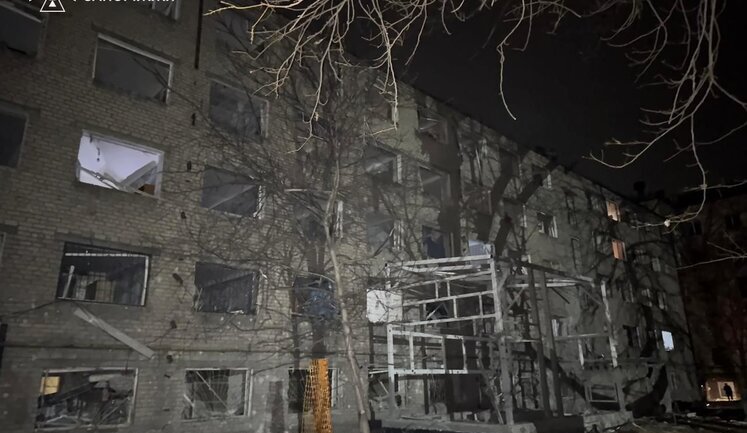
 Russia attacked Zaporizhzhia with drone: apartment building damaged, one person injured. PHOTO On the evening of August 18, Russian forces attacked Zaporizhzhia with a drone. A man was injured in the strike. 804 1 Previously in trend: Russian attack on Zaporizhzhia UAV attack on Zaporizhzhia
 Russia attacked Zaporizhzhia: one person killed, at least four wounded, – Regional Military Administration. PHOTOS (updated) One person was killed and three others were injured as a result of the Russian strike on Zaporizhzhia. 1 583 8 Previously in trend: Shelling of Zaporizhzhia
 Head of Zaporizhzhia RMA urges residents of occupied territory to evacuate Head of the Zaporizhzhia Regional Military Administration Ivan Fedorov has appealed to residents of the temporarily occupied territories of the Zaporizhzhia region, urging them to evacuate. 4 711 31 Previously in trend: Evacuation from Zaporizhzhia region
 Russian drones attacked Zaporizhzhia district - civilian wounded, SES vehicle damaged Russian drones attacked the Zaporizhzhia district, resulting in the destruction of a civilian car and the wounding of a person. 697 0 Previously in trend: Russian attack on Zaporizhzhia
 Drone and KABs strike Zaporizhzhia district: one killed and others wounded – Regional Military Administration Russian troops struck Zaporizhzhia Oblast on Tuesday, 7 April, leaving one person dead and others wounded. 1 004 0 Previously in trend: Shelling of Zaporizhzhia UAV attack on Zaporizhzhia region
 Russia attacked Zaporizhzhia: residential building and enterprise damaged Late on the evening of April 2, Russian troops attacked Zaporizhzhia.. 1 182 0 Previously in trend: Russian attack on Zaporizhzhia
 Russia strikes Zaporizhzhia for second time in day, leaving thousands without power and heating Repeated explosions were heard in Zaporizhzhia on Thursday, March 12, during a Russian attack. 2 924 4 Previously in trend: Shelling of Zaporizhzhia Russian attack on Zaporizhzhia
 Russian attack on Zaporizhzhia: residents advised to limit mobile phone use A large-scale power outage occurred in Zaporizhzhia due to a Russian attack. 5 061 30 Previously in trend: Russian attack on Zaporizhzhia UAV attack on Zaporizhzhia
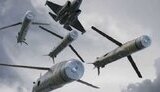 Occupiers strike village in Zaporizhzhia region with KAB: casualties reported On the evening of 6 January, Russian occupation forces dropped a guided aerial bomb on the village of Mykilske in the Polohy district of Zaporizhzhia region. Four people were injured as a result of the strike. 676 0 Previously in trend: Shahed attack on Zaporizhzhia
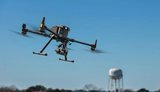 Russians lower Shahed flight altitude in Zaporizhzhia from 3,000–4,000 m to 250 m, Fedorov says Russians have changed their drone tactics in Zaporizhzhia. 2 913 17 Previously in trend: UAV attack on Zaporizhzhia
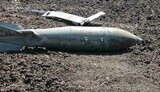 Russian KABs are flying to Zaporizhzhia again because enemy has modernised its weapons, - RMA. VIDEO Russian troops are once again able to strike Zaporizhzhia with guided aerial bombs. 3 887 20 Previously in trend: Shelling of Zaporizhzhia KAB shellings
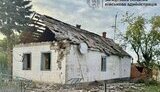 Russians shell Huliaipole community: man wounded On 18 June, the Russian army struck the Huliaipole community in the Zaporizhzhia region, wounding a man. 479 0 Previously in trend: Shelling of Huliaipole
 Russians attacked car with FPV drone in Zaporizhzhia region. PHOTO Russian troops attacked a road in Vasylivka district of Zaporizhzhia region with an FPV drone, damaging a car. 1 246 0
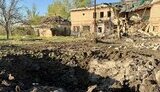 Russians attacked frontline territories in Zaporizhzhia region with aerial bombs. PHOTO Russians launched an air strike on frontline settlements in Zaporizhzhia region. 1 018 6
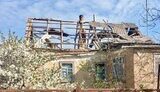 Russians shelled Bilenke village in Zaporizhzhia region with artillery: houses and vehicles damaged On 17 April, Russian troops shelled the village of Bilenke, Zaporizhzhia region, with cannon artillery. 819 0
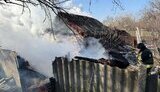 Man was injured as result of enemy drone payload drop in Huliaipole A 66-year-old man was injured as a result of an enemy drone payload drop in Huliaipole, Zaporizhzhia region. 393 0 Previously in trend: Shelling of Huliaipole
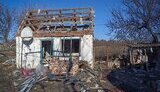 Russians attacked Kamianske in Zaporizhzhia with drone: man is wounded The Russian military attacked the private sector in the village of Kamianske, Vasylivka district, with a drone, injuring a man. 603 0
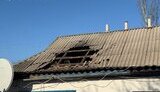 Russians shelled Huliaipole with artillery: man wounded The Russian military shelled Huliaipole with artillery, injuring a man. 331 0
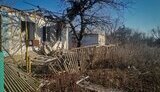 Russians attacked Bilenkivska community in Zaporizhzhia: windows in houses damaged On the morning of February 16, Russian troops attacked the Bilenkivska community in the Zaporizhzhia region. 1 038 5
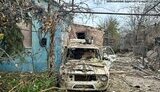 Since beginning of November, Russians have killed 20 people in Zaporizhzhia region, more than 100 people have been wounded Since the beginning of November, the enemy has killed 20 residents of Zaporizhzhia region. More than 100 victims needed medical assistance. 325 0
 Occupiers strike in Zaporizhzhia region: man is wounded, car is destroyed. PHOTO On the evening of 16 November, Russian troops shelled Vasylivka district in the Zaporizhzhia region. A man was wounded. 1 005 0
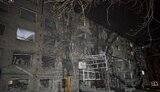 Strike on Zaporizhzhia: one person killed, 22 injured, including five children (updated). VIDEO&PHOTOS After midnight on 11 November, Russians attacked Zaporizhzhia. They carried out three air strikes. 5 979 4
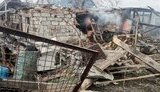 Woman is wounded as result of attack by Russian FPV drone in Huliaipole, Zaporizhzhia region On the afternoon of 6 October, Russian troops attacked Huliaipole in the Zaporizhzhia region. A 61-year-old woman was injured. 574 2
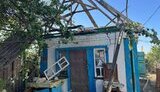 Man wounded as result of Russian shelling of Mala Tokmachka in Zaporizhzhia On October 1, Russian troops shelled Mala Tokmachka in the Zaporizhzhia region. 386 0
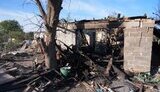 Consequences of shelling in Zaporizhzhia region: 3 people were injured, elderly women are in hospital. PHOTOS At night, Russian invaders attacked the Zaporizhzhia region, 3 people were injured. 676 1 Previously in trend: War
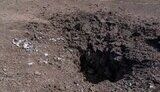 Ruscists massively struck with KABs 15 km from Zaporizhzhia. This has not happened in last 5 months - RMA For the first time in the last 4-5 months, the Russian occupiers used guided aerial bombs on populated areas of the Zaporizhzhia region. 4 142 3 Previously in trend: Russian aggression against Ukraine War
 There may be no electricity in Zaporizhzhia region this winter - Fedorov Zaporizhzhia Oblast is preparing for the fact that in winter, power cuts will not last for four hours, but will not happen at all. Social infrastructure is being prepared for this. 11 818 32
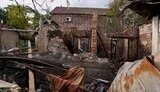 Consequences of "shaheds’" attack on Zaporizhzhia region. PHOTOS Russian occupiers attacked Zaporizhzhia with attack drones at night. 2 858 0 Previously in trend: War
 Russians are preparing provocations at Zaporizhzhia TOT: They are spreading fakes about possible shelling of Tokmak and Molochansk by AFU - Fedorov The enemy is intensifying control and disinformation in the occupied territories of the Zaporizhzhia region. 487 0 Previously in trend: Russian aggression against Ukraine War
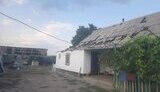 Russians wound three people in Lezhyne village of Zaporizhzhia region Russian troops attacked a village in Zaporizhzhia region with a drone. Three people were injured. 940 0 Previously in trend: War
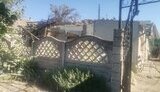 Man and woman were killed as a result of shelling in Zaporizhzhia region, 1 person was wounded During the day, the occupiers struck 391 times at 10 settlements in Zaporizhzhia region. 719 0 Previously in trend: War
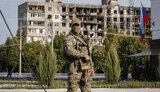 Fedorov: Ruscists collect biometric data of residents of occupied territories to strengthen control The Russian invaders in the occupied territories collect biometric data of the locals. 1 055 7 Previously in trend: War
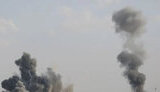 Russian strike on Vilniansk in Zaporizhzhia district: 6 dead, 8 injured, critical infrastructure object damaged On Saturday evening, Russian troops attacked the city of Vilniansk, Zaporizhzhia district. Currently, we know about 6 dead and 8 wounded as a result of the Russian attack. 5 584 31
 DniproHPP is in critical condition. We are not talking about production of electricity - head of Zaporizhzhia RMA Fedorov The Dnipro hydroelectric power station is in critical condition after the attack by Russian invaders on the night of 1 June. 25 867 87 Previously in trend: War
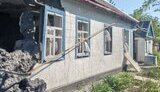 During day, Russians attacked Zaporizhzhia region 459 times with drones, with MLRS and artillery, woman was injured. PHOTO Over the past day, the occupants fired at seven localities in Zaporizhzhia region, making 459 attacks. 589 1 Previously in trend: Russian aggression against Ukraine
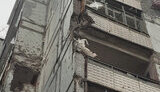 Russians shelled Stepnohirsk in Zaporizhzhia - Woman was injured The Russian army fired artillery at the village of Stepnohirsk, a local resident was injured. 591 0 Previously in trend: War
 Five underground schools to be built in Zaporizhzhia and oblast - RMA The underground schools will become an educational platform for children from several districts of the regional centre and settlements of Zaporizhzhia region. 712 9
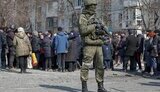 Russians will sell illegally seized housing in occupied territories Houses and apartments that the Russians have recognized as "ownerless" because their residents have left the occupied territories will be sold at preferential loan rates. 3 966 18
 Russian invaders start conscription of young people in Zaporizhzhia TOT In the temporarily occupied territories of Zaporizhzhia region, Russians have started conscription of young people. 15 433 137 Previously in trend: War
 Since February, Russia has more than doubled number of attacks on Zaporizhzhia region - Fedorov Since April 5, there has not been a single day when Russia did not attack the Zaporizhzhia region. 645 2
 Russian missile strike on Zaporizhzhia: death toll rises to four, more than 20 wounded The death toll from a Russian missile strike on Zaporizhzhia has risen to four. 3 693 4 Previously in trend: War
 In Zaporizhzhia, 7 buildings were destroyed by shelling, dozens more were damaged. There are wounded - RMA. PHOTO During a massive Russian attack, 12 explosions occurred in Zaporizhzhia on 22 March. There were injuries, seven houses were destroyed, and dozens were damaged. 5 852 0 Previously in trend: War
 Russians strike 350 times in 10 towns and villages in Zaporizhzhia region over 24 hours Over the past 24 hours, the Russian army conducted 350 attacks on 10 settlements in Zaporizhzhia region. 486 0
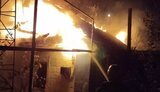 Two women wounded as a result of hostile shelling in Huliaipole - RMA On 12 March, Russians shelled Huliaipole once again. Two women were wounded in the attack. 495 1
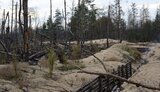 Government allocates UAH 1.3 billion for construction of fortifications in Zaporizhzhia direction, - Fedorov On the instructions of the President of Ukraine, the Cabinet of Ministers has allocated more than UAH 1.3 billion for the construction of fortifications in the Zaporizhzhia sector. 4 412 47
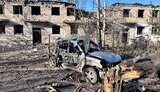 Occupiers attacked Prymorske village in Zaporizhzhia region, one person killed Today, on 2 March, Russian occupiers shelled Zaporizhzhia region. A person was killed in the village of Prymorske. 1 498 2 Previously in trend: War
Page 1 of 5
more news