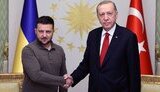
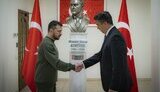
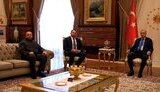
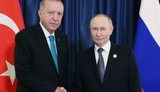
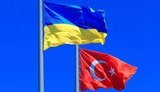
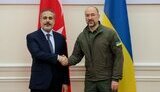
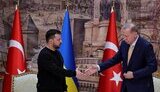
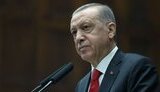
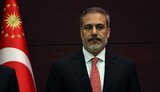
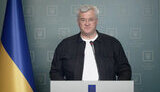
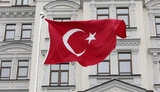
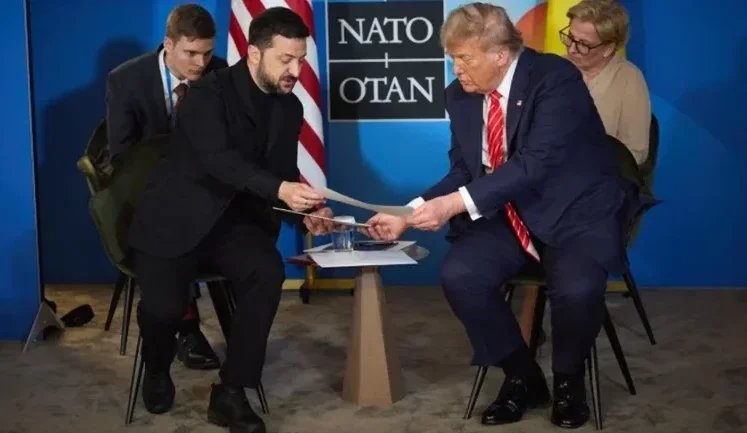
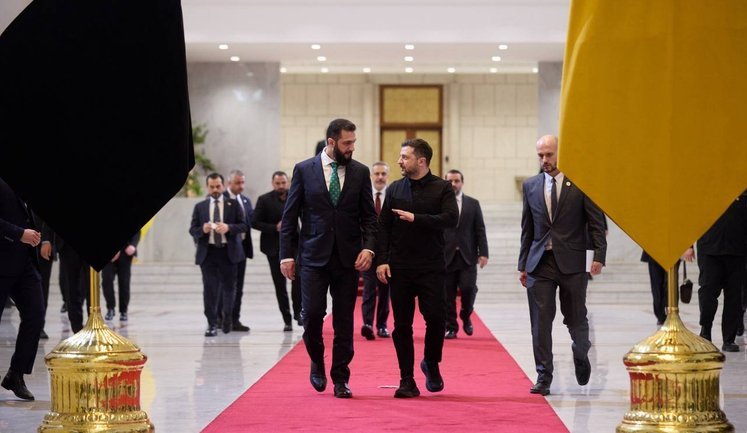
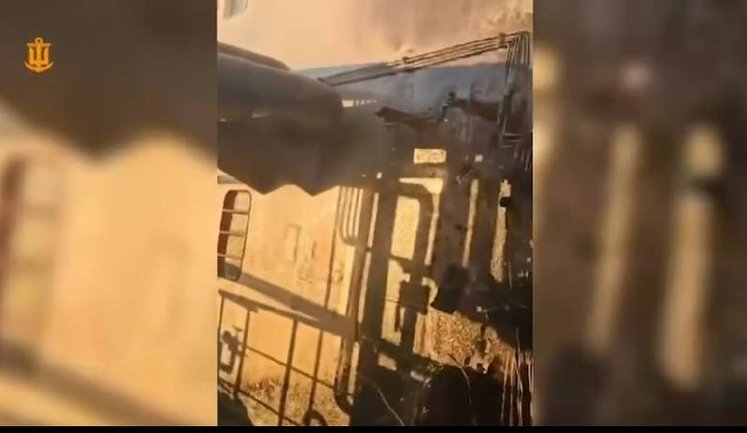
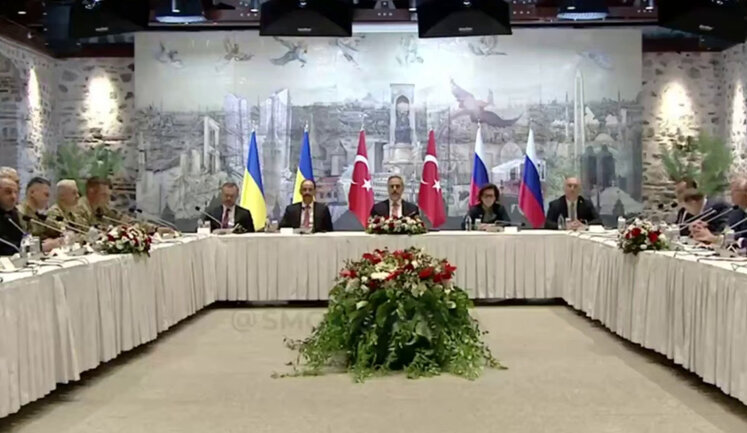
Turkey continues to play an influential role in the conflict between Ukraine and Russia. Recently, Turkish President Recep Tayyip Erdogan engaged in several diplomatic meetings aimed at facilitating peace in the region. Erdogan's discussions with leaders from Ukraine, Syria, and Russia underscore Turkey's strategic position as a mediator and its commitment to regional peace initiatives. Notably, Erdogan and Ukrainian President Volodymyr Zelenskyy agreed on strengthening security cooperation. Additionally, Turkey has reiterated its readiness to host future negotiations, further emphasizing its pivotal role. The involvement extends to Turkey's defense and economic sectors, with ongoing discussions about military support and addressing concerns over economic dealings with Russia amidst sanctions.
How is Turkey involved in the Ukraine-Russia conflict?
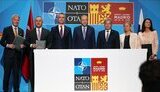
Turkey has positioned itself as a mediator in the Ukraine-Russia conflict, engaging in diplomatic exchanges and offering to host peace talks. President Erdogan's discussions with leaders from Ukraine, Russia, and other countries reflect Turkey's active role in seeking a resolution to the conflict. Turkey's efforts are aimed at facilitating dialogue and reinforcing security cooperation, especially in collaboration with NATO, enhancing its influence as a regional peacemaker.
What recent diplomatic efforts has Turkey made regarding Ukraine?
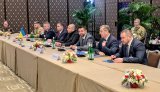
Recent diplomatic efforts by Turkey include trilateral meetings involving Ukrainian and Syrian delegations, coordinated talks between President Erdogan and President Zelenskyy, and Erdogan's phone conversations with Russian and French leaders. These efforts are part of Turkey's broader initiative to create pathways for peace and strengthen regional security, demonstrating Turkey's commitment to diplomatic resolution in the Ukraine conflict.
What agreements have been reached between Turkey and Ukraine?
Turkey and Ukraine have reached agreements to enhance their security cooperation, with a focus on military and strategic support. This includes discussions on joint military initiatives and cooperative efforts to counter regional threats. These commitments are part of a broader strategy to strengthen regional stability and ensure mutual security amidst ongoing tensions due to the Russia-Ukraine conflict.
What role might Turkey play in future peace negotiations between Ukraine and Russia?
Turkey has expressed readiness to host future peace negotiations between Ukraine and Russia, emphasizing its role as a key facilitator in the peace process. Turkish leaders have engaged with both sides to support dialogue and de-escalation, further asserting their position as neutral mediators. Turkey's diplomatic interventions aim to create conducive conditions for eventual peace and regional stability.
What are the implications of Turkey's economic dealings with Russia?
Turkey's ongoing economic dealings with Russia, particularly in energy and grain sectors, have raised concerns amidst international sanctions against Moscow. The purchase of Ukrainian grain and other resources from Russian-linked companies poses challenges in diplomatic relations, balancing economic interests with political and security alliances. These dynamics are crucial in understanding Turkey's comprehensive economic strategy amidst geopolitical tensions.
What are the concerns related to Turkey's security cooperation with Ukraine?
Turkey's security cooperation with Ukraine focuses on bolstering defense capabilities and ensuring strategic stability in the region. This cooperation is crucial in responding to the threats posed by ongoing conflicts and aligning with NATO's security framework. However, it also entails navigating the complexities of geopolitical alliances and potential repercussions from conflicting international interests, particularly with Russia.