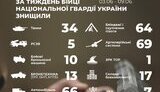
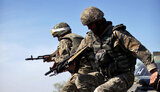
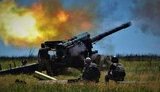
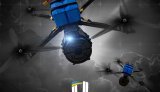
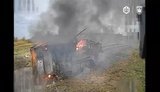
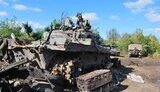
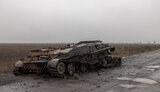
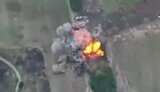
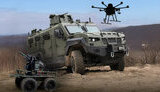
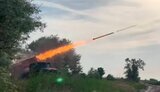
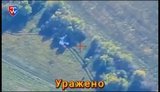
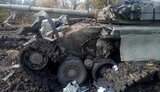
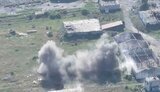
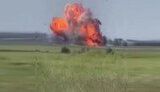
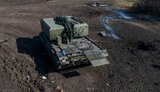
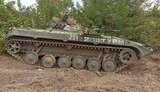
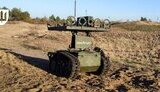
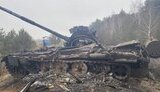
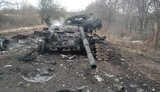
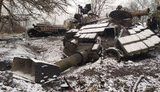
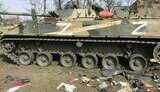
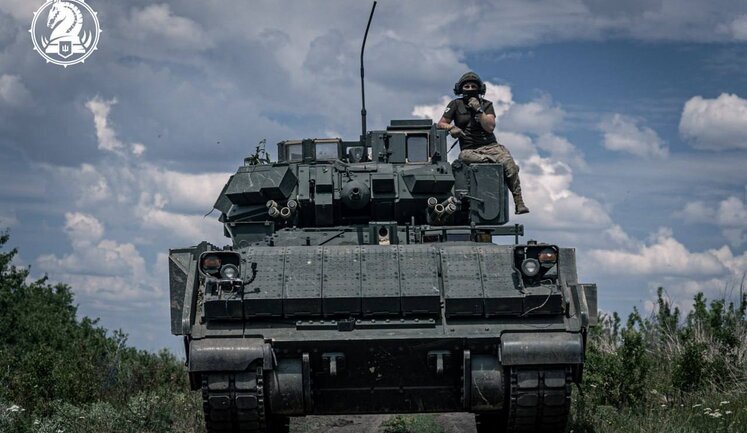
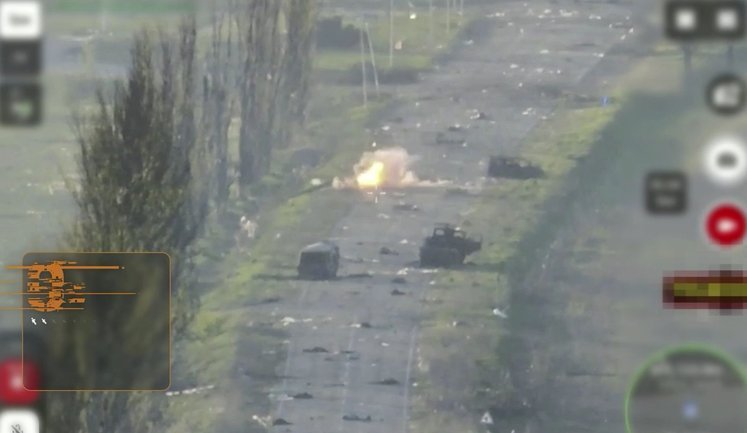
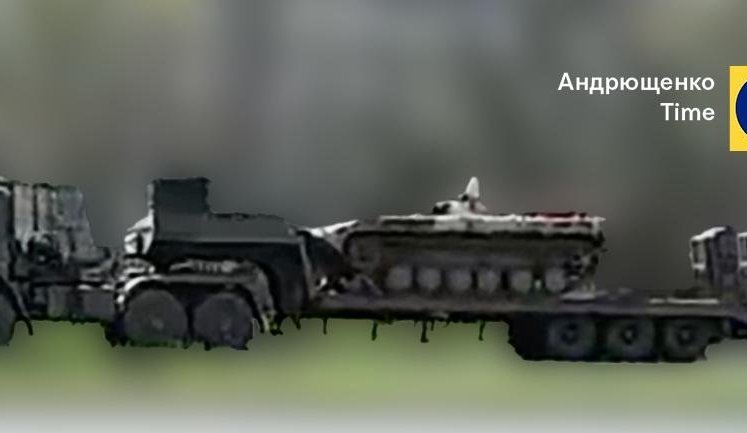
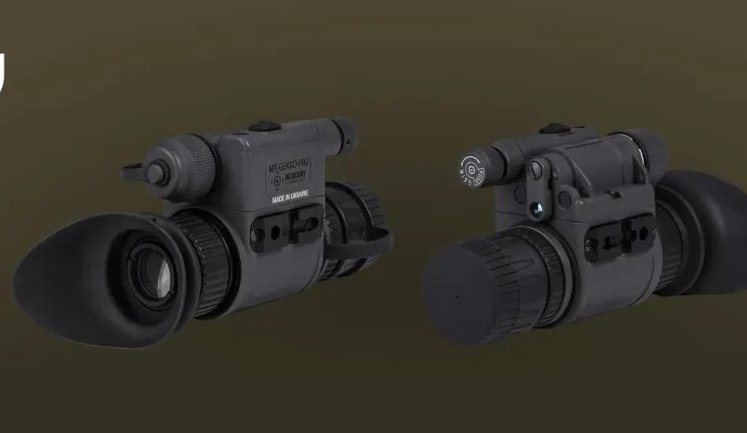
The situation concerning arms and military equipment in Ukraine is evolving as various nations contribute to strengthening Ukrainian defenses. Notably, Latvia has begun transferring CVR(T) armored vehicles, aiming to bolster joint defense projects. Meanwhile, Ukrainian forces continue targeting enemy equipment, with recent operations in Donetsk and Zaporizhzhia regions showcasing effective use of drones and reconnaissance. Additionally, Ukrainian defense units have successfully destroyed numerous enemy vehicles and logistical bases. These strategic actions exemplify Ukraine's adaptability and resourcefulness in utilizing both domestic and foreign military aid to maintain its defenses.
How is the arms support from other countries helping Ukraine?
Arms support from countries like Latvia has significantly contributed to strengthening Ukraine's defensive capabilities. By receiving armored vehicles and other military equipment, Ukraine is better equipped to repel enemy advances and protect its sovereignty.
What type of military equipment has Ukraine received from Latvia?
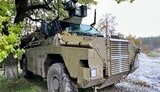
Ukraine has received CVR(T) armored vehicles from Latvia, enhancing its military strength. This transfer is part of a broader defense cooperation aimed at increasing the strategic capabilities of the Ukrainian armed forces.
What impact have Ukrainian drones had on the battlefield?
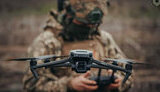
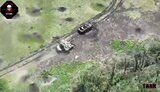
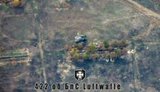
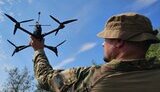
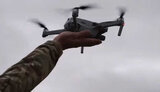
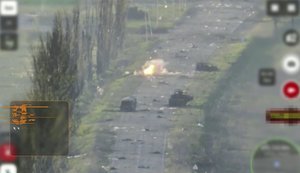
Ukrainian drones have played a pivotal role in identifying and striking enemy targets. This technological edge allows Ukrainian forces to conduct precise operations, significantly hindering enemy logistical movements and destroying critical military assets.
What recent operations highlight Ukraine's effective use of military equipment?
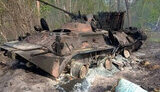
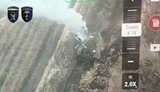
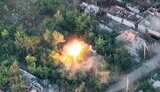
Recent operations in the Donetsk and Zaporizhzhia regions exemplify Ukraine's strategic use of military equipment. Successful strikes on enemy depots and vehicles underscore the effectiveness of Ukraine's defense strategy, utilizing both traditional and advanced systems to gain the upper hand.
How has the use of UAVs by Ukraine affected the war dynamics?
The use of UAVs by Ukraine has transformed the dynamics of warfare by enhancing reconnaissance and strike capabilities. These drones enable Ukrainian forces to conduct operations with greater precision and lower risk to personnel, ultimately contributing to numerous successful engagements against enemy forces.