ENG




13125 visitors online
Volunteers in Ukraine are demonstrating immense heroism and dedication amid the ongoing conflict. From providing lifesaving aid to the Ukrainian Armed Forces to rescuing civilians under attack, their contributions are vital. For instance, Mirosław Sztyber donated his late son's car to support the military, showcasing selflessness. Additionally, volunteer Natalia Yusupova tirelessly campaigns for essential supplies like drones and generators, desperately needed at the front lines. These efforts illustrate the profound impact volunteers have on the defense of Ukraine, offering tangible support and boosting morale in a nation besieged by war.
What roles do volunteers play in Ukraine's defense efforts?
Volunteers in Ukraine are vital in supporting the armed forces through fundraising for essential equipment like drones and generators, providing humanitarian aid, and even participating directly in rescue operations and frontline support. Their efforts enhance the military's capabilities and offer moral support to those defending against aggression.
How are international volunteers contributing to Ukraine?
International volunteers contribute significantly to Ukraine by raising funds and sending essential supplies. For example, Czech volunteers raised millions for generators, while Polish volunteers provide vehicles and material support, highlighting a global community standing in solidarity with Ukraine.
How has President Zelenskyy recognized volunteer efforts in Ukraine?
President Volodymyr Zelenskyy has actively recognized and honored the contributions of volunteers by presenting state awards and holding meetings with active volunteers, reinforcing the critical role they play in Ukraine's ongoing defense against invasion and promoting legislative support for volunteering.
What challenges do volunteers face in Ukraine during the conflict?
Volunteers in Ukraine face numerous challenges including operating in active war zones, risking their lives during attacks, and continuously striving to meet the high demand for supplies and equipment essential for both civilian aid and military operations. Nonetheless, their resilience and dedication remain undeterred.
How do individual stories of volunteers inspire during such challenging times?
Individual stories of volunteer courage and selflessness, like those of Yevhen rescuing neighbors from rubble or Nataliia Yusupova's relentless fundraising, serve as powerful inspirations. These narratives highlight human resilience and the relentless push to aid national defense efforts, instilling hope and unity amidst adversity.
News volunteers
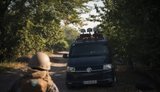 NAUDI has provided German volunteers with vehicle for evacuating civilians: they are already working in Sloviansk. PHOTOS The National Association of the Defence Industry of Ukraine has handed over an evacuation vehicle to German volunteers Ricarda Fazol and Anna Elzbernd. 1 614 1 Previously in trend: Volunteers for the Army Ukrainian defense industry
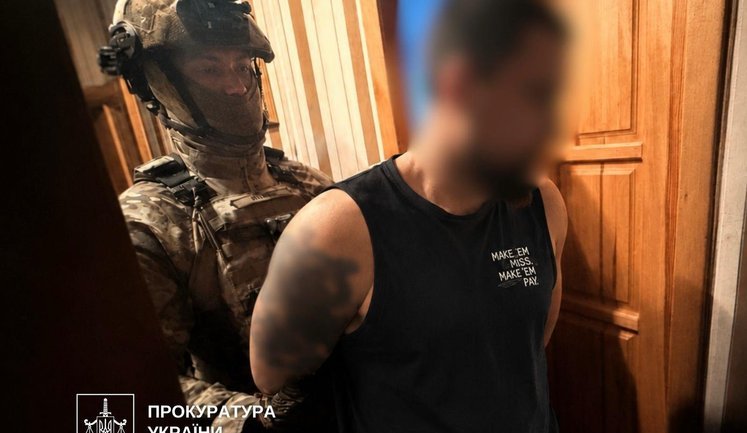
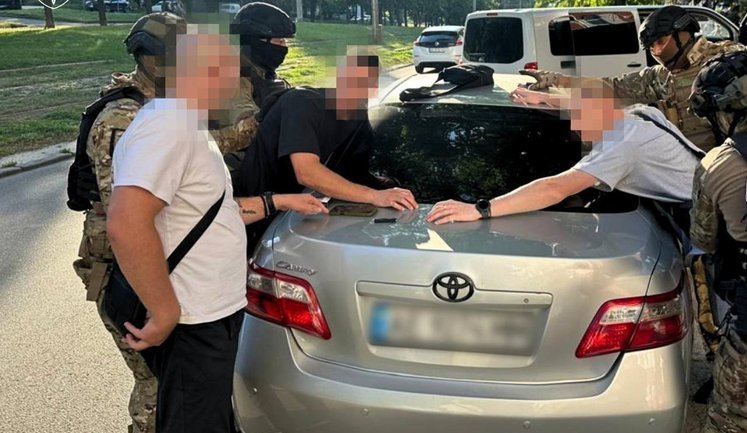
 Promised drone parts: fraudster who swindled volunteer out of nearly 900,000 hryvnias has been exposed in Kyiv, - Prosecutor’s office. PHOTO Law enforcement officers in the capital have arrested a 25-year-old resident of Odesa who is suspected of fraud involving the sale of drone components. According to the investigation, the man, together with his accomplices, swindled a volunteer out of nearly 900,000 hryvnias by promising to... 686 2 Previously in trend: financial fraud Fraudulent schemes
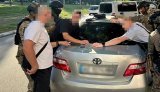 Three men robbed volunteer and stole funds raised to buy car for military. PHOTOS Under the procedural guidance of prosecutors from the Office of the Prosecutor General, three members of the group have been served with notices of suspicion of robbery. Two of them are also charged with extortion. 3 674 9 Previously in trend: attack on people
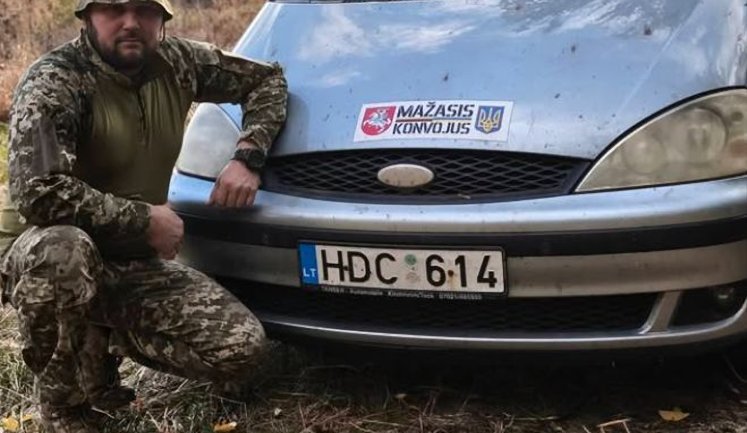
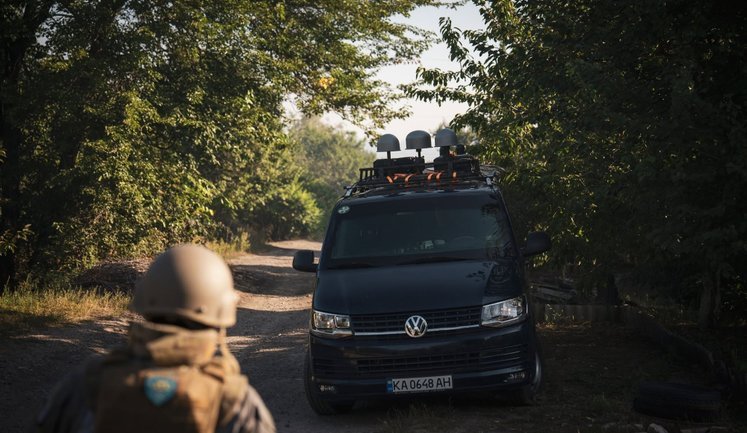
 Father of Polish volunteer Sztyber, who died fighting for Ukraine, handed over his son’s car to Ukrainian military. PHOTO Mirosław Sztyber, the father of Polish volunteer Daniel Sztyber, who was killed fighting for Ukraine in 2022, has donated a car to Ukrainian defenders. 5 009 12 Previously in trend: Volunteers for the Army
 Zelenskyy meets with Prytula: they discussed arms exports, procurement for Ukraine’s Armed Forces and support for Plast On June 2, Ukrainian President Volodymyr Zelenskyy held a meeting with volunteer and public figure Serhiy Prytula. 6 621 88 Previously in trend: Volunteers for the Army
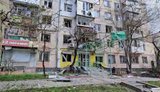 Three volunteers injured in Russian attack on Kherson Today, 24 April, at around 10:20 a.m., Russian troops struck Kherson, leaving people injured. 632 0 Previously in trend: Shelling of Kherson
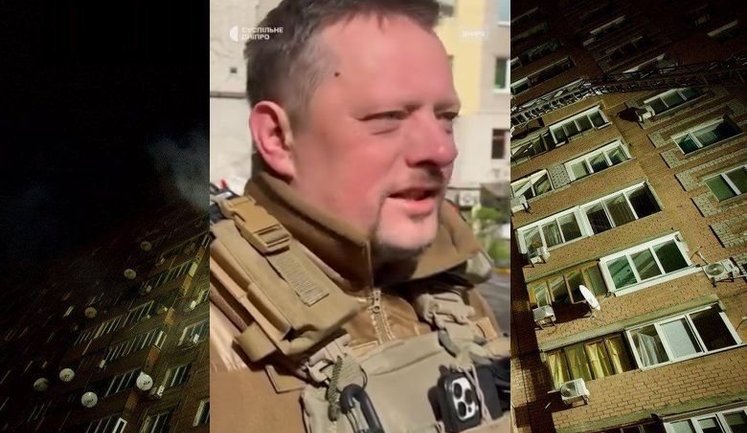
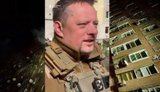 Volunteer from Dnipro rescued neighbours from rubble of his own house: "My home is fine, it’s just gone. I’m homeless, but I’ve got tourniquet". VIDEO The night-time attack on Dnipro on 23 April turned the lives of hundreds of people into a living hell, yet amidst the ruins, stories of incredible courage are emerging. One such story is that of Yevhen, a member of the Rapid Response Volunteer Team (RRVT), who lived on the eighth floor of a... 4 384 9 Previously in trend: War crimes of Russia
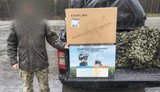 Enemy is constantly launching attacks: volunteer Yusupova asks for help with fundraising drive for soldiers Volunteer Nataliia Yusupova is asking for help in purchasing charging stations, drone detectors, and other equipment for Ukrainian soldiers. 2 386 21 Previously in trend: Volunteers for the Army
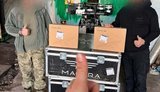 Battle for Pokrovsk and Myrnohrad continues, and situation is dire: volunteer Yusupova has launched fundraising campaign to buy equipment for soldiers Volunteer Nataliia Yusupova is asking for help in purchasing essential equipment for Ukrainian defenders fighting on the most dangerous sections of the front line. 2 525 10 Previously in trend: Volunteers for the Army
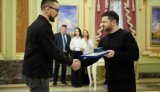 Zelenskyy honoured volunteers, cultural figures and journalists with state awards, including Sternenko. PHOTOS President of Ukraine Volodymyr Zelenskyy presented state awards and Golden Heart honours to Ukrainian volunteers, doctors, educators, scientists, cultural figures, athletes, and journalists. 3 695 50 Previously in trend: Awards for volunteers awards for journalists
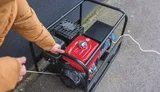 Czech volunteers raised over $6 million for generators for Ukraine As part of the "Gift for Putin" initiative, Czech volunteers raised over six million dollars in five days for generators, heaters, and batteries for Ukraine. 842 12 Previously in trend: Aid to Ukraine from the Czech Republic
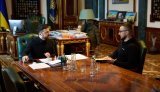 Zelenskyy meets Sternenko: they discuss legislative support for volunteering President Volodymyr Zelenskyy held a meeting with volunteer Serhii Sternenko. 4 873 78 Previously in trend: Volunteers for the Army
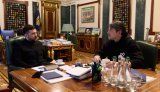 Zelenskyy meets Prytula, discusses support for volunteers and agrees on cooperation President Volodymyr Zelenskyy held a meeting with volunteer and civic activist Serhiy Prytula. 7 591 112 Previously in trend: Volunteers for the Army
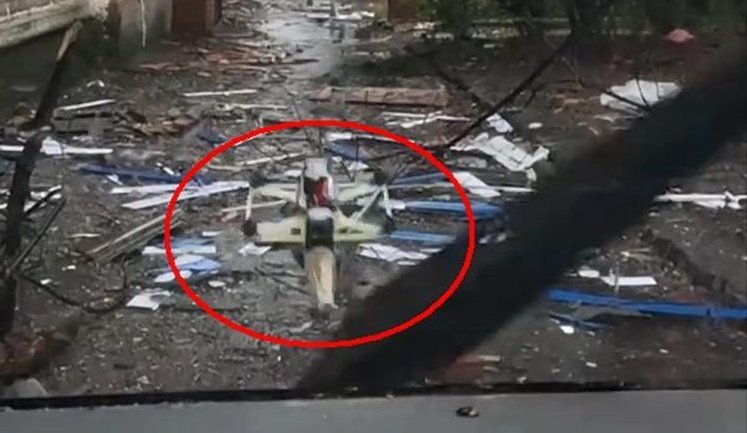
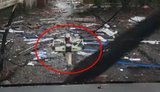 Russian FPV drones destroyed volunteer vehicle during the evacuation of civilians. VIDEO During the evacuation of civilians from areas of active combat, a Russian FPV drone attacked a volunteer vehicle. The incident was reported by volunteer Denis Kristof, known by the call sign "Golandets," who also released a video of the incident. 2 757 5 Previously in trend: War crimes of Russia
 Ukrainian defender, combat medic and volunteer Maryna (Laherta) Vorontsova killed at front. PHOTO While carrying out a combat mission near Pokrovsk, Ukrainian defender, combat medic and volunteer Maryna Vorontsova, known by the callsign Laherta, was killed. 7 714 9 Previously in trend: losses of Ukraine
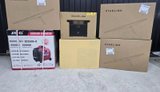 Volunteer Yusupova asks for help in purchasing charging stations, generators, and copter drones for marines and assault troops. PHOTO Volunteer Nataliia Yusupova is appealing for help to purchase quadcopters, charging stations and communications equipment for Marine and assault units fighting in the Donbas region. 1 949 30 Previously in trend: Fundraising for support of the Armed Forces of Ukraine
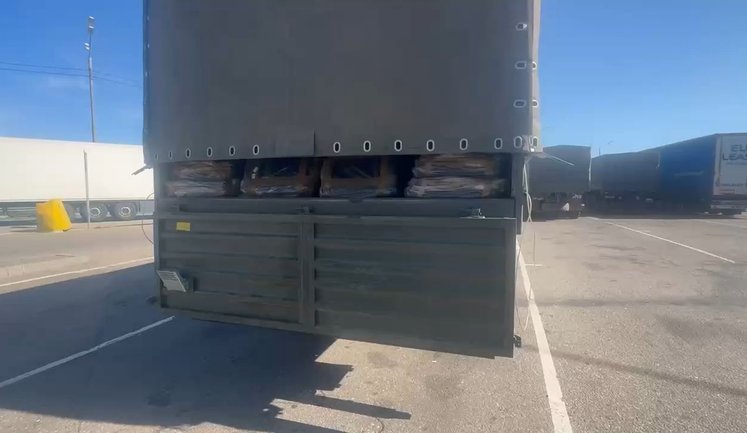
 Russian volunteers handed over truckload of black bags to troops from Russian army they support: "So that all guys can return home". VIDEO Russian volunteers handed over a truck full of black bags to the occupiers from the 385th Motorised Rifle Regiment of the Russian Armed Forces to pack the bodies. 6 450 31 Previously in trend: Elimination of Russian occupying forces
 Volunteer Yusupova asks for support for urgent fundraising for artillerymen and assault unit. PHOTOS The artillerymen and assault unit, which are repelling enemy assaults under endless Russian shelling, need to purchase drones, charging stations, generators, Starlinks and equipment for repairing equipment. 3 508 22 Previously in trend: Fundraising for support of the Armed Forces of Ukraine
 Man who shot at car of volunteer Dvoretska in Kyiv has been detained. Suspicion is being prepared, - prosecutor’s office. PHOTO The man who shot at the car of a volunteer in Kyiv has been detained, and prosecutors will serve him a notice of suspicion of hooliganism with weapons. 4 754 21 Previously in trend: Shooting in Kyiv
 Soloist of Odesa Opera and Honoured Artist of Ukraine Vladyslav Horai died during volunteer mission in Sumy region. PHOTO On Sunday, 8 June, a soloist of the Odesa National Opera, a world-class tenor, Honoured Artist of Ukraine, Vladyslav Horai, died during a volunteer mission in Sumy Oblast. 11 846 30 Previously in trend: Vladyslav Horai killed
 Volunteer Yusupova calls for help to purchase drones and communication equipment for frontline units. PHOTOS Volunteer Nataliia Yusupova appeals for help to purchase drones and communication equipment for Ukrainian military units on the front line. 2 645 26 Previously in trend: Fundraising for support of the Armed Forces of Ukraine
 Australian volunteer killed near Izium in Kharkiv region A volunteer with a humanitarian organisation from Australia was killed near Izium in the Kharkiv region. 2 222 5
 Volunteer Yusupova calls for help purchasing power stations and communications equipment for front. PHOTOS Volunteer Nataliia Yusupova is asking for help with the purchase of drones, communications equipment and charging stations for the Ukrainian Armed Forces units fighting in the east. 2 462 22 Previously in trend: Fundraising for support of the Armed Forces of Ukraine
 Volunteer and servicewoman Anastasiia Yefimova died at front. PHOTO Anastasiia Yefimova, a volunteer, activist and servicewoman, died at the frontline while defending Ukraine. She helped the army, organised humanitarian initiatives and supported social projects. 8 775 16 Previously in trend: losses of Ukraine Women in AFU
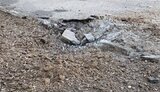 Occupiers attacked volunteers’ car in Kherson with drone: driver killed, two men wounded Today, on April 12, Russian troops in the Dniprovskyi district of Kherson attacked a volunteer car with a drone, resulting in one death and one injury. 1 351 7 Previously in trend: Russian strikes on Kherson
 Fraudsters who appropriated over 100 drones for AFU and defrauded volunteers and sellers of UAH 11 million exposed - Prosecutor General’s Office. PHOTOS Three people were served a notice of suspicion on the fact of fraud committed on a large scale by an organised group under martial law. The criminals defrauded volunteers, appropriated more than 100 drones for the Armed Forces of Ukraine and defrauded sellers of UAH 11 million. 4 717 21 Previously in trend: financial fraud
 Volunteer Oleksandr Ivakhnenko killed as result of Russian shelling of Kherson. PHOTO On March 19, a volunteer Oleksandr Ivakhnenko was killed in a Russian attack on Kherson. 4 756 7 Previously in trend: Russian strikes on Kherson Volunteer Oleksandr Ivakhnenko was killed
 Volunteer, activist and soldier from Avdiivka, Oleksii Savkevych (Maestro), died at front. PHOTOS On 10 March 2025, Oleksii Savkevych, a volunteer, activist and serviceman from Avdiivka with the call sign Maestro, died while defending Ukraine. 5 124 11 Previously in trend: losses of Ukraine
 Japanese volunteer Fuminori Tsuchiko’s residence permit in Ukraine will be extended - Terekhov Japanese volunteer Fuminori Tsuchiko has been feeding Kharkiv residents for free since the beginning of the full-scale Russian invasion. The man said he may lose the right to stay in Ukraine legally. Kharkiv Mayor Terekhov promised that his residence permit would be extended. 3 803 28
 Volunteer Yusupova asks for help with purchase of heating pads, charging stations and drones for front line Volunteer Nataliia Yusupova is asking for help with the purchase of heating pads, charging stations and drones for the frontline, as well as clothing for wounded soldiers in hospitals. 2 545 14 Previously in trend: War
 Kharkiv volunteer and writer Yevheniia Dukhopelnikova tragically dies. PHOTO Kharkiv-based volunteer and writer Yevheniia Dukhopelnikova, who had been helping Ukrainian soldiers since the ATO, tragically died. 17 711 7
 They wanted to kill family of volunteers: SSU exposes criminal group in Cherkasy region. PHOTOS The SSU and the National Police prevented an attempt on the life of a family of volunteers in Cherkasy region. 6 257 4
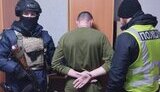 He sold 9 humanitarian vehicles worth UAH 1.7 million: Pseudo-military exposed in Sumy. PHOTO In Sumy, law enforcement officers detained and served a notice of suspicion to a 24-year-old Sumy resident who was selling military vehicles purchased by an NGO. 4 424 12
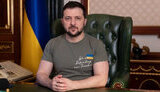 Zelenskyy congratulated volunteers: Thank you for defending Ukraine. VIDEO President of Ukraine Volodymyr Zelenskyy congratulated volunteers on the International Volunteer Day. 1 364 20 Previously in trend: War
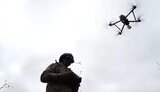 Special Operations Forces fighters recorded congratulatory video message for Volunteer Day: "Thank you. Your SOF". VIDEO Soldiers from various units of the SOF joined in the creation of a congratulatory video for Volunteer Day. 2 267 3 Previously in trend: Volunteers for the Army War
 Situation at frontline is difficult, fighting around clock: volunteer Yusupova asks for help to buy drones and generators for soldiers. PHOTOS Volunteer Natalia Yusupova asks for help in purchasing generators, drones and other necessary equipment for the defenders who are repelling the ruscists' offensive in Donetsk region. 2 618 11 Previously in trend: Volunteers for the Army
 Volunteer Rymma Baranenko dies as result of drone drop in Kherson On December 1, volunteer Rymma Baranenko was killed in Kherson. She was among the passengers of a bus on which Russian terrorists dropped explosives from a drone in the morning. 6 521 16
 Ukrposhta announces issue of "Country of Volunteers" stamp: Ukrainians chose design sketch. PHOTO A new postal set from Ukrposhta is dedicated to Ukrainian volunteers. 2 271 26
 Attack on volunteer in Kyiv because of her Ukrainian language: Accused were released from punishment due to their retirement age Following a public prosecution by prosecutors of the Obolon District Prosecutor's Office in Kyiv, a court convicted two Kyiv residents who in June this year committed hooliganism against a volunteer (part 2 of Article 296 of the Criminal Code of Ukraine) because of her Ukrainian language. The... 11 126 94
 Defenders are critically short of drones: volunteer Yusupova announces fundraising for soldiers. PHOTOS A fundraising has been announced for drones, which are critically lacking at the front. The soldiers also need charging stations. 3 012 38 Previously in trend: Volunteers for the Army
 Ukrainians donate less to army - Bloomberg Ukraine has recorded a significant decline in donations to support the military, indicating that Ukrainians are gradually exhausting their willingness to fund defence. 83 0
 Soldiers are freezing in trenches: Volunteer Yusupova announces fundraising for heaters, walkie-talkies and charging stations for soldiers. PHOTOS Soldiers defending Ukraine on the frontline need heating pads, generators, walkie- talkies and charging stations. 5 157 32 Previously in trend: Volunteers for the Army
 Off-road vehicles, drones and dry rations: Latvian volunteers to donate 200 thousand euros worth of aid to Azov. PHOTOS Latvian volunteers have collected about 200,000 euros in donations and used the money to buy aid for the Ukrainian Azov Brigade. The aid will be sent in October. 2 494 10
 CF "Free People of Irpin" raises funds to purchase materials for manufacture of camouflage nets The Free People of Irpin Charitable Foundation is asking for help with raising funds to purchase materials for the manufacture of camouflaging facilities. 736 0 Previously in trend: War
 Artillery men and infantry men in Pokrovsk direction urgently need walkie talkies and drones - volunteer Yusupova. PHOTOS Artillery and infantrymen fighting against ruscists in the Pokrovsk direction urgently need help. 1 880 17 Previously in trend: Volunteers for the Army
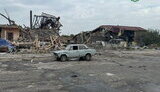 Volunteers of CF "Together for Ukraine" came under attack by ruscists from GABs in Sumy region. VIDEO On the morning of 13 September, Russian invaders attacked the Yampil community in Sumy region with guided aerial bombs. Volunteers of the charitable foundation "Together for Ukraine" came under fire near the hospital. 3 716 1 Previously in trend: War
 Bloody battles continue, and Russia is destroying towns and villages: Volunteer Yusupova asks for help to buy drones for Ukrainian defenders. PHOTOS Defenders who are defending Ukraine on the front line need drones, starlinks and charging stations. 4 450 17 Previously in trend: Volunteers for the Army
 They were delivering bread and water: Two volunteers were killed in Kherson due to Russian attack Two volunteers, Vladyslav Zavtur and Andriy Studynskyi, were killed in a Russian drone attack on a car. 2 556 8 Previously in trend: War
Page 1 of 6
more news