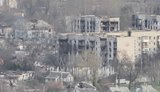
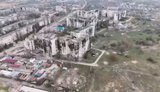
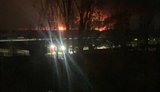
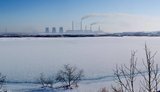
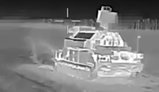
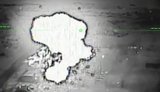
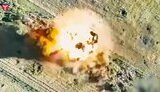
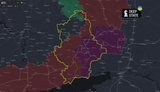
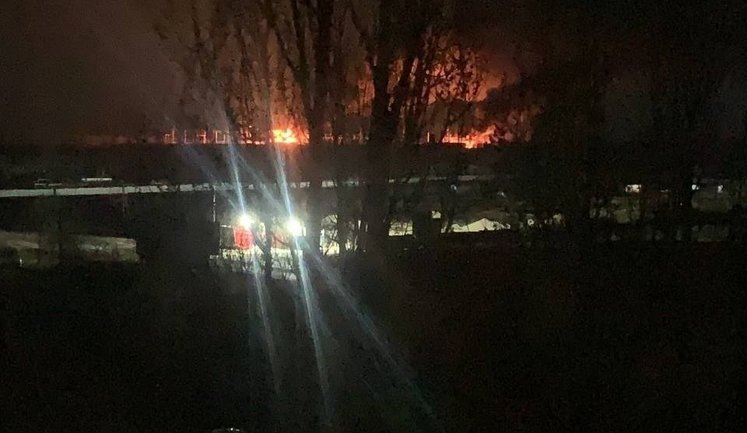
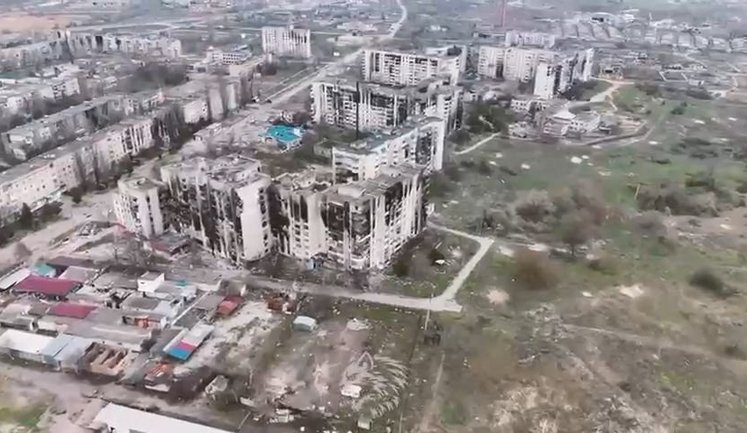
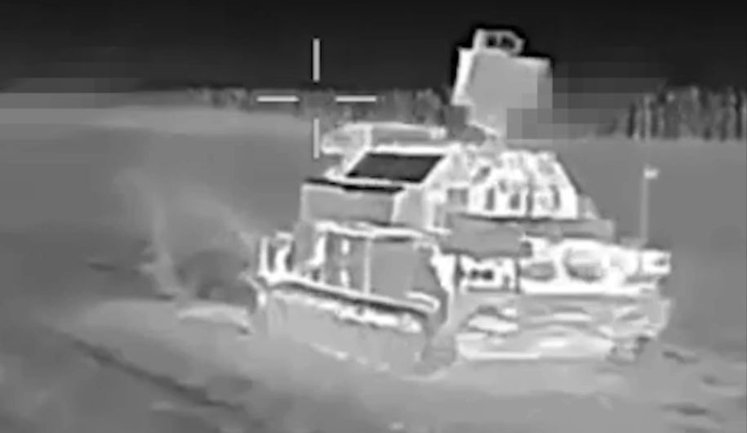
Explosions echoed through Alchevsk as drone strikes targeted key infrastructures, resulting in widespread power outages in the occupied city. The geopolitical landscape of the region is increasingly tumultuous, further fueled by Russia's significant investment of $11.8 billion into the integration of occupied Ukrainian territories like Crimea and Donbas into its economic fold. This move aims to solidify Russia's hold and complicate Ukraine's attempts for reclamation. Amid these developments, the Ukrainian Armed Forces continue their operations, striking enemy depots and facilities to curb Russian advances. The civilian population endures harsh conditions, facing imprisonment on charges of treason and witnessing escalated militarization, as part of the ongoing conflict in the occupied territories. The international community watches closely, debating responses to Russia's fortified stance over these critically contested areas.
What impact have drone attacks had in occupied Alchevsk?
The drone attacks in occupied Alchevsk, particularly those targeting the steelworks and power substations, have resulted in significant power outages, disrupting daily life and industrial activities in the region. These strikes form part of broader efforts to challenge the Russian presence in occupied territories.
How is Russia investing in Ukraine's occupied territories?
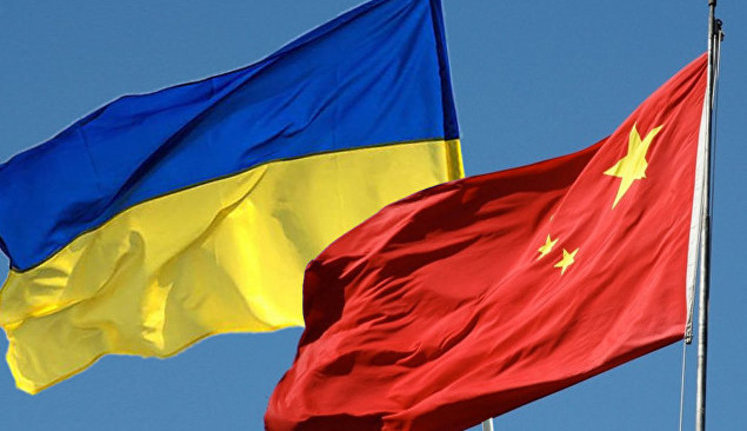
Russia is investing $11.8 billion to integrate Ukraine's occupied territories into its economic sphere by developing transportation and trade infrastructures. These investments are designed to make the integration into the Russian Federation durable, altering geopolitical balances and complicating Ukraine's reclamation efforts.
What military actions has Ukraine undertaken in occupied territories?
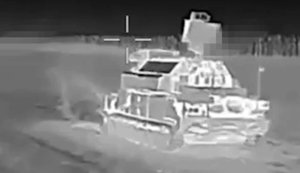
The Ukrainian Armed Forces have carried out precision strikes on ammunition depots, fuel storage facilities, and Russian troop concentrations in occupied regions. These military operations aim to dismantle the enemy's logistical and military capabilities, hindering Russian advances and supporting Ukraine's strategic objectives.
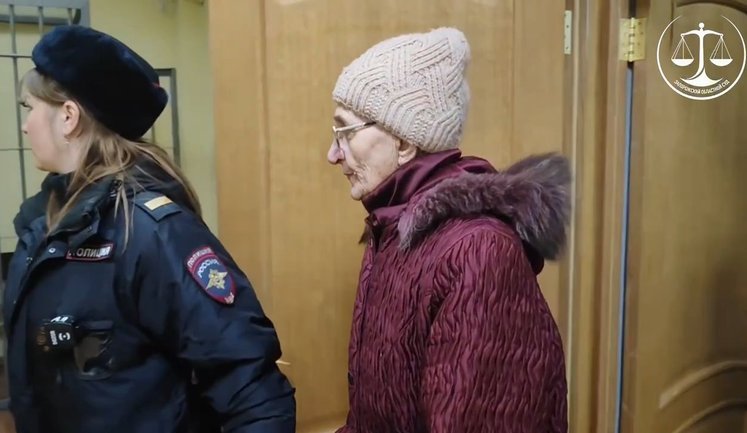
Why was a 68-year-old woman sentenced in occupied Zaporizhzhia?
A 68-year-old woman in the occupied Zaporizhzhia Oblast was sentenced to 11 years in prison by Russian occupiers. Her sentencing was based on allegations of high treason, accusing her of supporting Ukrainian forces. This incident highlights the severe reprisals faced by civilians suspected of opposing Russian occupation.
How are social conditions in occupied Crimea affecting residents?
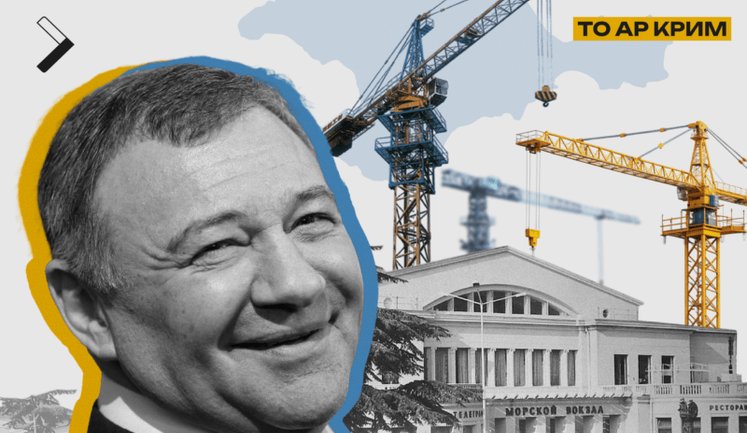
Social conditions in occupied Crimea are deteriorating as local entrepreneurs face economic pressures from occupying authorities. Rising rents and reduced business opportunities have led to increased social unrest and protests, reflecting growing dissatisfaction among residents under Russian occupation.
What challenges do civilians face in occupied Donetsk?
Civilians in occupied Donetsk endure severe hardships, including chronic water shortages and deteriorating public services. Residents often resort to extreme measures, such as drilling through ice for water, to survive amidst these harsh conditions, revealing the humanitarian crisis under prolonged occupation.