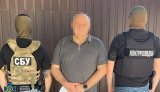
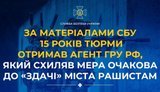
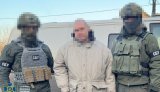
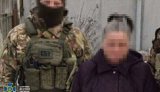
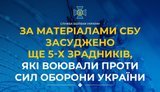
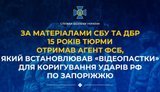
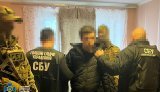
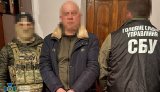
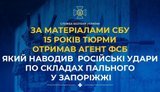
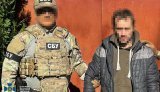
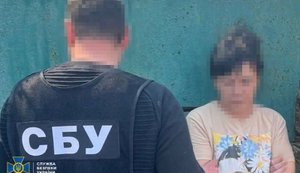
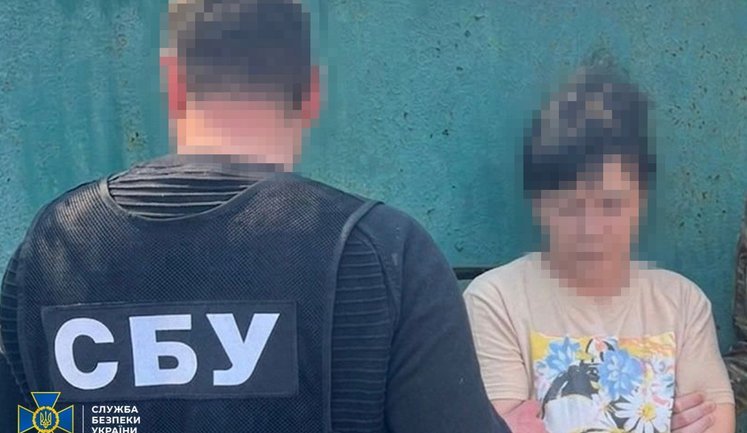
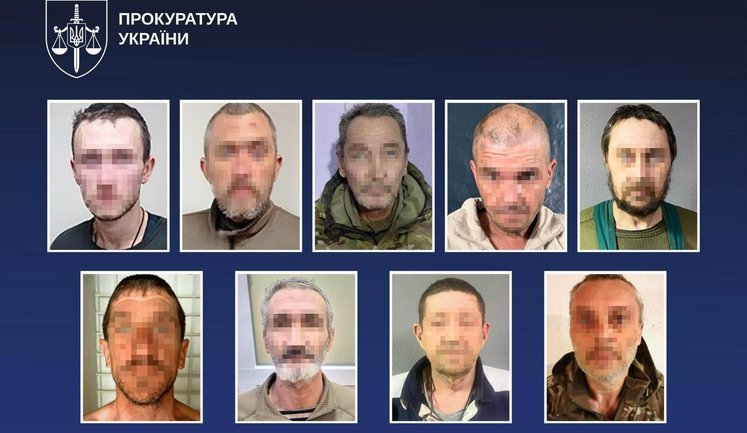
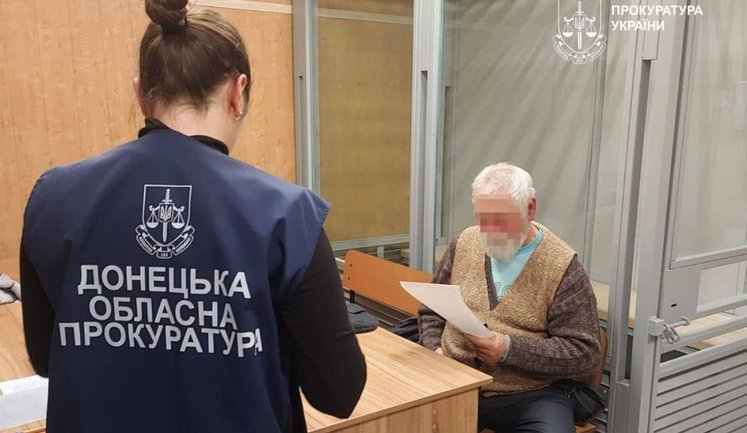
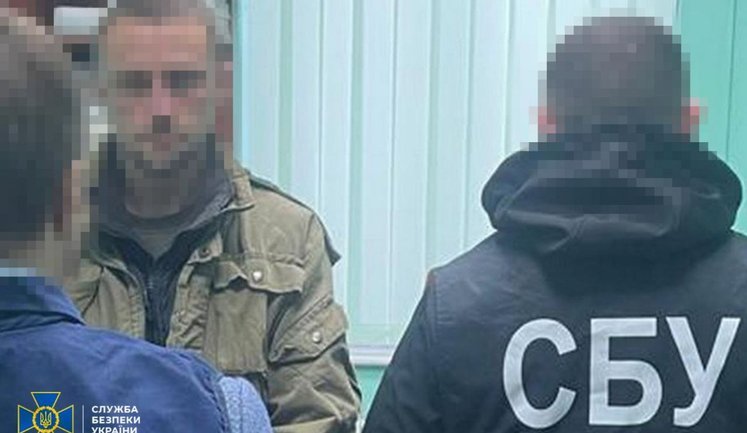
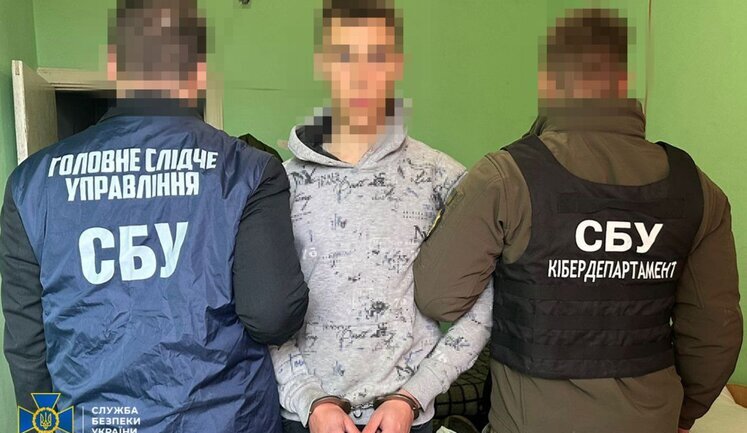
In a major breakthrough in counterintelligence operations, several Russian agents have been detained across Ukraine for high treason. These individuals were key players in directing Russian strikes, revealing sensitive military information, and plotting sabotage under the guise of various professions. High-profile detentions include a Russian agent near Pokrovsk and a GRU agent within the National Guard, along with multiple FSB affiliates. Life sentences were handed to those involved, with property confiscation reinforcing the legal stakes of betrayal. The Security Service of Ukraine (SSU) has been pivotal in exposing and arresting these traitors, emphasizing the ruthless efficiency and dedication of Ukrainian intelligence forces in safeguarding national security. The continued infiltration attempts by Russian operatives highlight the need for persistent vigilance in counterintelligence measures.
What are the recent high treason cases in Ukraine?
Recent cases of high treason in Ukraine involve the detention of Russian agents who were directing attacks against Ukrainian defense forces. These agents were involved in espionage, leaking sensitive military information, and plotting sabotage activities. The Ukrainian Security Services have successfully apprehended these individuals, demonstrating their commitment to safeguarding Ukraine's sovereignty and security.
How are Russian agents infiltrating Ukrainian forces?
Russian agents have been infiltrating Ukrainian forces by assuming various roles within the military and civilian sectors. They use espionage tactics to gather sensitive information, which they pass on to Russian authorities to facilitate military strikes and sabotage. The SSU's counterintelligence efforts aim to detect and capture these infiltrators to protect national security.
What sentences do apprehended Russian agents face?
Apprehended Russian agents face life sentences with the potential for property confiscation as a consequence for their betrayal. The severity of these sentences underscores the gravity of high treason and serves as a deterrent to other potential traitors. Ukrainian courts continue to uphold stringent legal measures against espionage and collaboration with enemy forces.
What roles did detained agents play in espionage activities?
Detained agents played various roles in espionage activities, including directing Russian military strikes, providing GPS coordinates for targets, pilfering sensitive data, and planning sabotage attacks. Their infiltration efforts extended to different sectors, from military to commercial, aiming to weaken Ukraine's defense capabilities.
Who are among those detained in these high treason operations?
Among those detained in high treason operations are high-ranking former military officials, intelligence operatives from the FSB and GRU, and individuals embedded within Ukrainian institutions. Notably, some detainees were directly responsible for facilitating military attacks against Ukrainian strategic positions and infrastructure.
How effective is the SSU in countering Russian espionage?
The SSU has proven highly effective in countering Russian espionage through meticulous investigation and surveillance operations. By capturing key spies and saboteurs, the SSU has thwarted multiple attacks and gathered crucial intelligence to prevent future espionage attempts. Their actions are critical in maintaining national security amidst ongoing aggressions.
What impact do these cases have on Ukrainian national security?
The exposure of high treason cases has profound implications for Ukrainian national security. It highlights the persistent threat from Russian intelligence operations and underscores the importance of maintaining robust counterintelligence capabilities. Successful arrests have reinforced national security, sending a clear message about the consequences of betrayal.
Are there recent legislative actions against treason in Ukraine?
Recent legislative actions in Ukraine reflect an intensified crackdown on treason, with harsher penalties being implemented for espionage and collaboration with enemy forces. The increased framework for prosecuting high treason underlines the critical nature of protecting Ukraine’s sovereignty amid external threats.
How does Ukraine secure sensitive military information from espionage?
Ukraine employs advanced surveillance and counterintelligence techniques to secure sensitive military information from espionage. This involves thorough vetting and monitoring of personnel, minimizing the risk of information leaks, and swiftly identifying potential espionage activities. The SSU continues to enhance its methods to counteract spy operations.