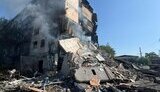
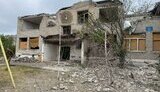
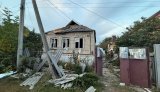
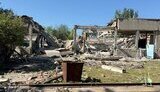
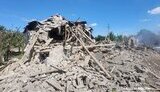
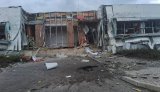
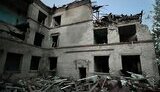
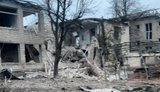
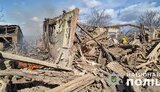
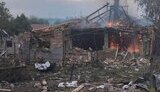
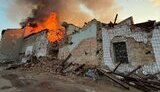
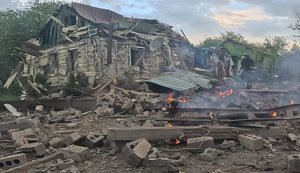
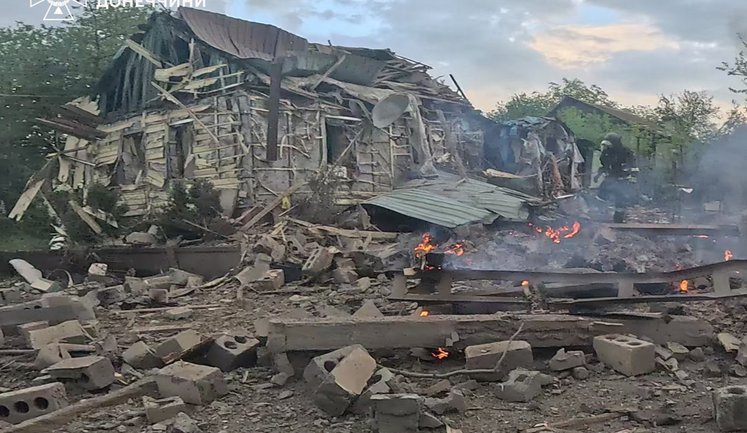
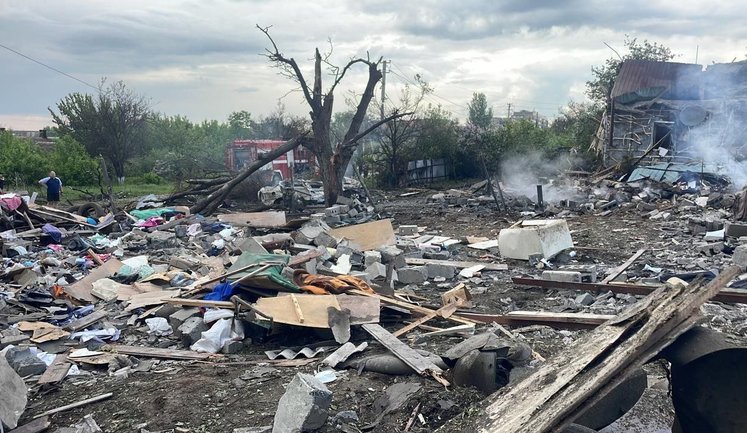
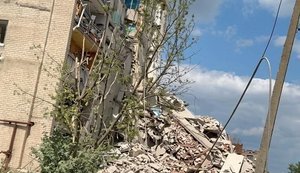
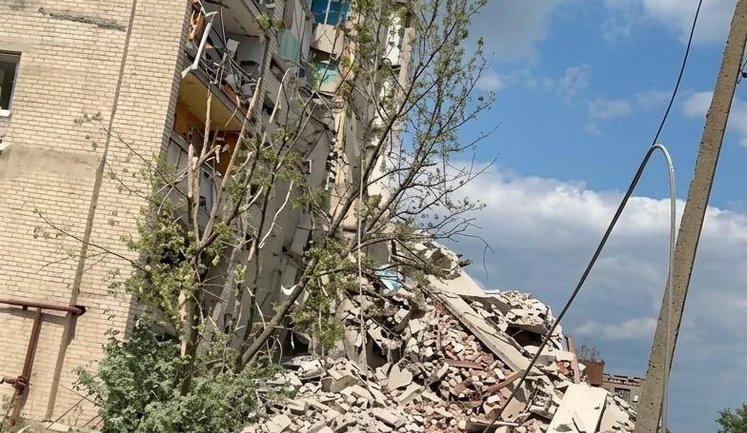
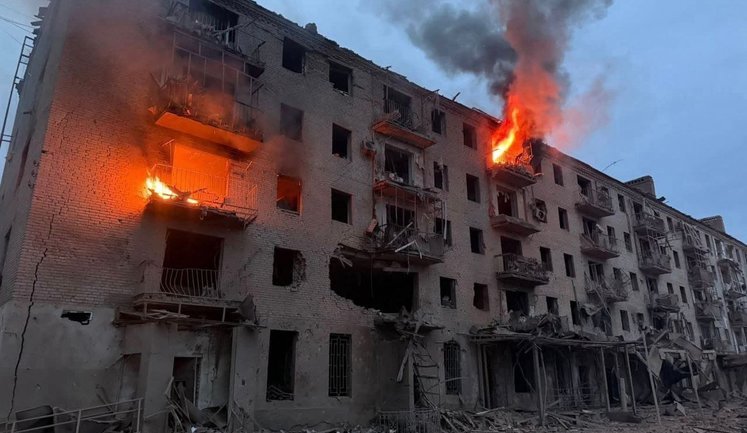
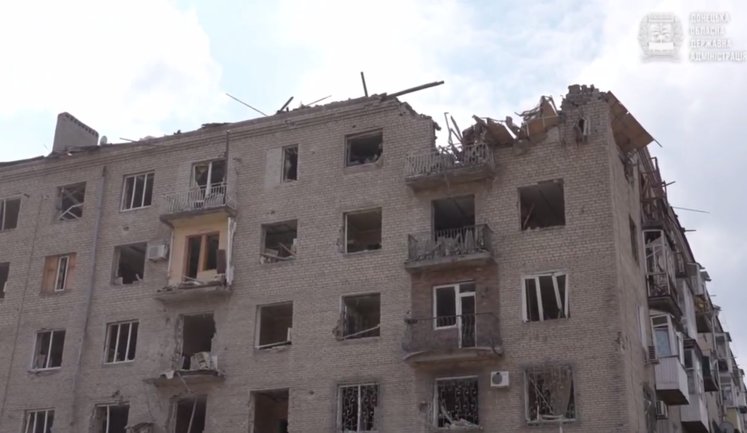
Recent shelling in the Donetsk region by Russian forces has significantly impacted the civilian population and infrastructure. Over the past few weeks, areas including Kramatorsk and Bakhmut have been under heavy bombardment, causing widespread destruction. Civilian homes and administrative buildings have been severely damaged, and casualties have been reported, including fatalities and numerous injuries. The shelling has led to a humanitarian crisis, with residents facing ongoing threats to their safety and challenges in accessing essential services. The frequency and intensity of these attacks highlight the escalating conflict in the Donetsk region, raising urgent concerns for international attention and intervention.
What has been the impact of shelling on Donetsk region's infrastructure?
The shelling by Russian forces has resulted in substantial damage to the region's infrastructure. Key areas, including residential buildings, administrative offices, and public services, have sustained significant destruction. The ongoing attacks have disrupted everyday life, making it difficult for emergency services to operate effectively and leaving many residents without essential services and shelter.
How has the shelling affected civilian life in Donetsk region?
The shelling has severely affected civilian life, causing numerous casualties and injuries. Many civilians have been forced to flee their homes in search of safety, while those remaining face continuous risks from ongoing attacks. The psychological impact on residents is profound, as they cope with loss, fear, and uncertainty about their future amidst ongoing violence.
How are Kramatorsk and Bakhmut districts affected by recent shelling?
Kramatorsk and Bakhmut districts have borne the brunt of the shelling, experiencing continuous bombardment. Residential areas have been heavily targeted, resulting in multiple casualties and widespread damage. The attacks have disrupted local governance and hindered relief efforts, posing significant challenges to both district authorities and the affected populations.
What measures are in place to assist affected areas in Donetsk region?
Humanitarian aid organizations and local authorities are coordinating efforts to provide relief, though challenges persist due to ongoing hostilities. Aid includes medical assistance, provision of essential supplies, and support for displaced persons. However, constant shelling and infrastructural damages make it difficult to effectively reach and assist all affected areas.
What are the international implications of the shelling in Donetsk region?
The intense shelling in Donetsk region underscores the urgent need for international intervention. It highlights the broader geopolitical tensions between Russia and Ukraine and poses a threat to regional stability. Continued hostilities may lead to greater international diplomatic and humanitarian efforts to address the conflict and its ramifications.
What is the current status of humanitarian aid in Donetsk region?
Despite the challenges posed by ongoing shelling, humanitarian aid continues to be delivered, albeit with limited reach due to security concerns. Aid organizations are focusing on providing medical care, food, and shelter to the most vulnerable populations. However, the situation calls for increased international support to enhance the effectiveness and reach of relief operations.
How frequent are the shelling attacks in Donetsk region?
Shelling attacks in the Donetsk region have become alarmingly frequent, with hundreds of strikes reported daily. The relentless bombardment has led to a critical humanitarian situation, as both civilian and military targets are under constant threat. This frequency has exacerbated the region's already challenging living conditions.