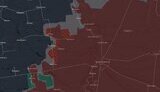
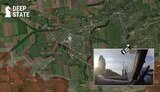
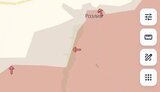
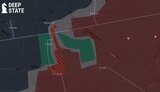
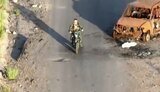
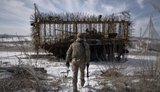
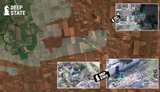
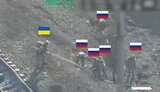
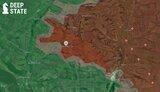
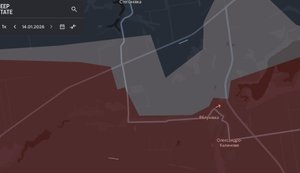
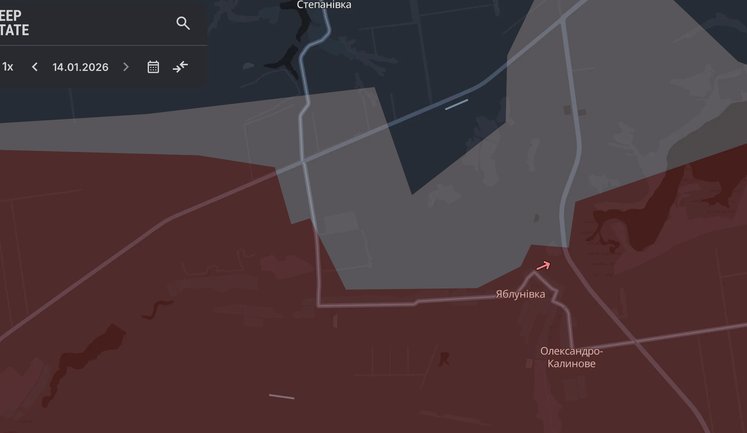
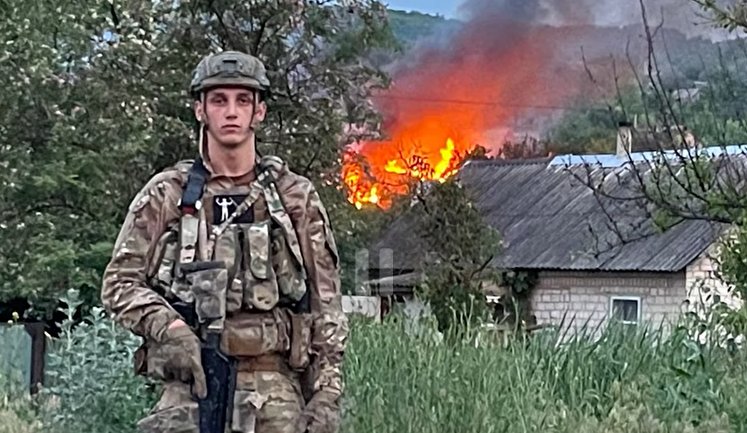
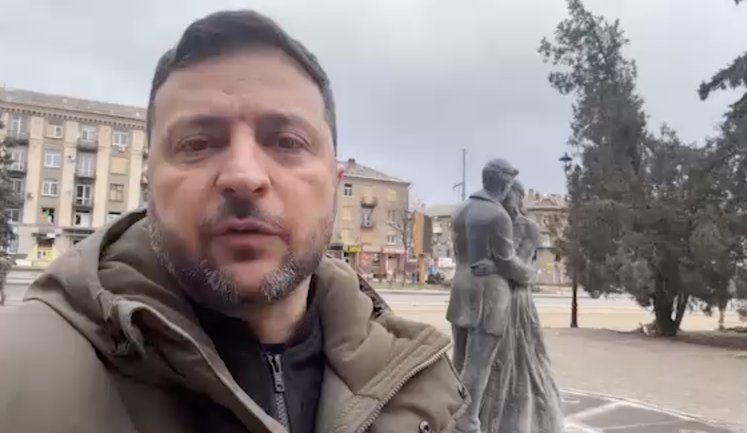
The fighting in the east remains intense, with the most significant pressure being applied by Russian forces in the Pokrovsk and Huliaipole directions. Recent reports indicate up to 149 combat clashes with the Defence Forces. Despite the high intensity of these battles, Ukrainian troops continue to resist and maintain their defensive lines. In Pokrovsk, Russia's sustained offensive actions have led to numerous clashes, with Ukrainian forces adamantly defending key strategic locations. The situation proves challenging but necessitates strategic adjustments in defense tactics. The dynamics on the eastern front highlight the ongoing resilience of Ukrainian forces under enormous pressure. Russian occupiers have tried to exploit favorable conditions, yet defensive lines in places like Lyman have held firm. The expanded use of drones by occupiers has intensified kill zones, presenting additional challenges for both sides. Ensuring territory control and minimizing occupational advances remains essential as Ukraine aims to halt Russia's progress.
What is the current state of fighting in the east of Ukraine?
The intensity of fighting in eastern Ukraine has surged, especially in Pokrovsk and Huliaipole. The Ukrainian Defence Forces report numerous daily clashes, showcasing resilient defensive operations against Russian attacks. Strategic decisions are crucial for maintaining control and repelling the offensive.
How is the increased use of drones affecting the conflict?
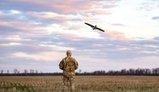
The expanded use of drones has significantly altered combat dynamics, with kill zones extending up to 30 kilometers. This technological advancement presents challenges in gathering intelligence and engaging in combat, requiring adaptations from both Ukrainian and Russian forces.
Are the Ukrainian Defence Forces managing to repel Russian advances?
Despite facing intense pressure, the Ukrainian Defence Forces have successfully repelled numerous advances, particularly in Pokrovsk and other strategic directions. They continue to prevent breakthroughs and maintain defensive capabilities despite the challenging conditions.
What strategic changes are necessary for the Ukrainian Defence Forces?
To counter Russian aggression effectively, the Ukrainian Defence Forces may need to re-evaluate their resource allocation and tactical approaches. This involves bolstering defensive lines, enhancing technological capabilities, and fortifying logistical support systems.
What impact does the fighting have on civilian areas?
Fighting in eastern Ukraine has inevitably affected civilian areas, with some regions experiencing significant infrastructural damage. The ongoing hostilities have led to humanitarian concerns, prompting international calls for strategic intervention to minimize civilian casualties and infrastructure harm.
What is the outlook for the conflict in eastern Ukraine?
The outlook remains complex, with both sides enduring persistent engagements. While Ukrainian forces continue to hold defensive positions successfully, strategic military adjustments and international support are vital to alter the trajectory favorably and achieve long-term peace.
How are the Ukrainian Defence Forces dealing with Russian misinformation?
The Ukrainian Defence Forces actively counter Russian disinformation by providing accurate updates and refuting false claims, such as Russia's purported breakthroughs. This effort emphasizes the importance of transparent communication in sustaining domestic and international support.
What role does international aid play in the current conflict?
International aid is crucial for sustaining Ukraine's defensive efforts, providing necessary resources and diplomatic support. Effective coordination with allies helps bolster Ukraine's resilience against Russian aggression and is pivotal in exerting pressure for diplomatic resolutions.
How does the topography affect military operations in eastern Ukraine?
The varied topography in eastern Ukraine influences military strategy, impacting mobility and defense positioning. Urban areas, open fields, and forested regions each present unique challenges in maneuvering troops and deploying equipment effectively, adding complexity to military planning and execution.