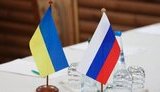
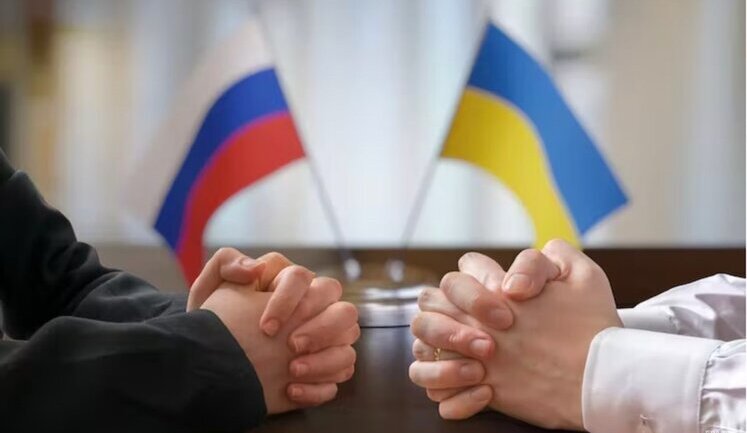
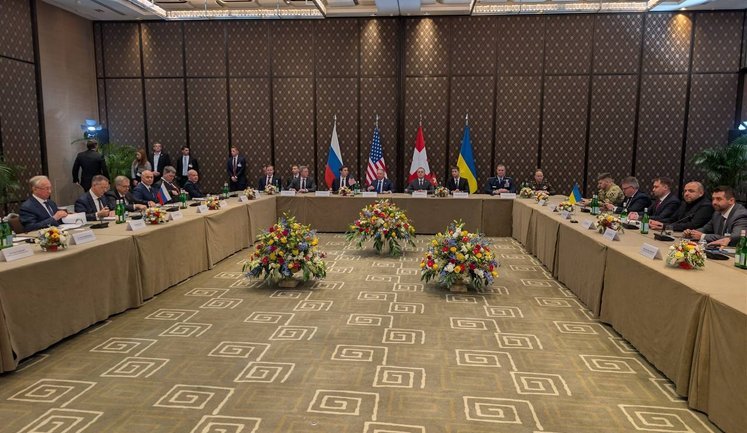
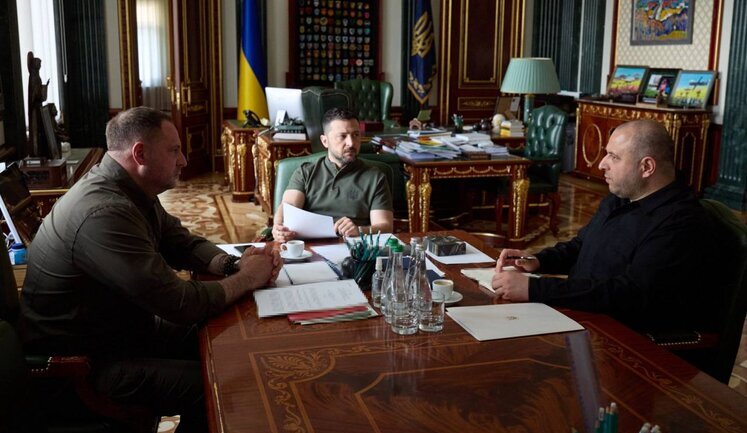
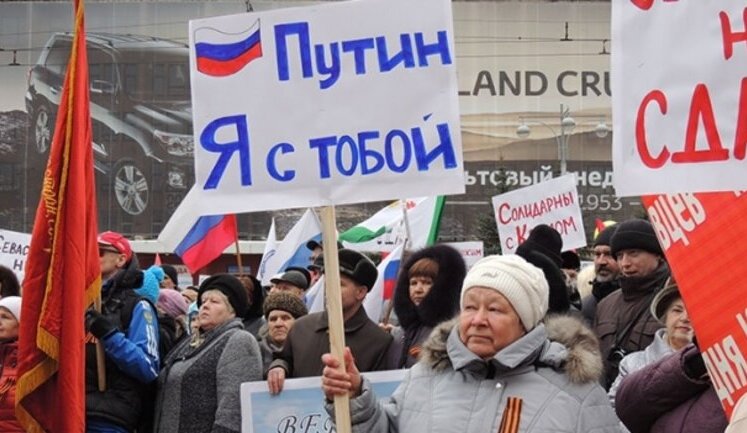
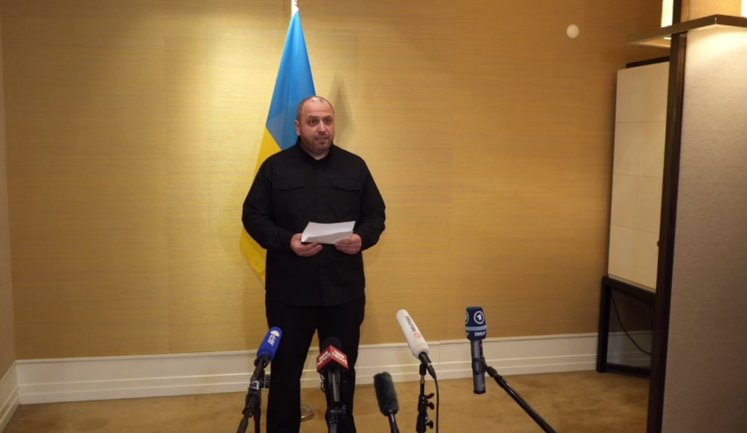
Negotiations between Ukraine and Russia remain at a critical juncture. President Zelenskyy emphasizes the importance of not allowing Russia to strengthen its position in peace talks. Trilateral discussions involving the USA continue, albeit with delays amid tensions in the Middle East. Meanwhile, 67% of Russians support initiating peace talks. Ukrainian officials are cautious regarding outcomes, with 70% of Ukrainians doubting the current process will lead to lasting peace. Presidents Trump and Zelenskyy discussed ambitions for a swift resolution. Complex issues such as territorial disputes necessitate direct dialogue between Zelenskyy and Putin, with recent talks focused on creating a free economic zone in the Donetsk region.
What is the current status of Ukraine-Russia peace negotiations?
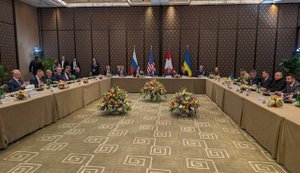
As of now, negotiations between Ukraine and Russia encounter numerous challenges. Regular talks have been taking place, involving the United States as well. However, there are ongoing disputes, mainly about territorial control and security guarantees, which have stalled progress. Both sides continue to gather international support while also dealing with internal pressures, impacting the pace and success of the talks.
What has President Zelenskyy stated about negotiations with Russia?
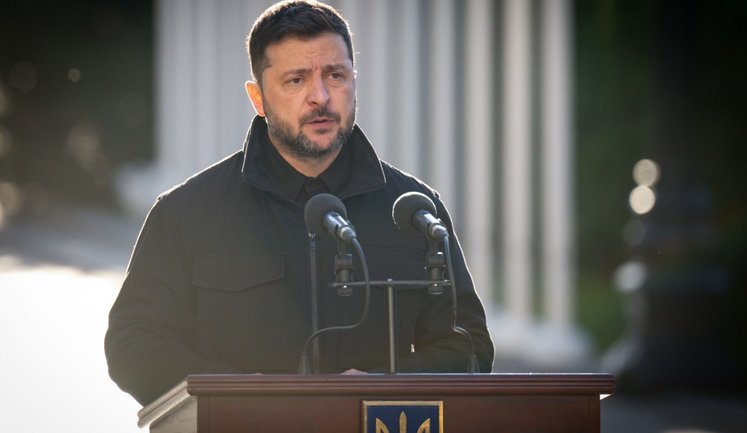
President Zelenskyy has stressed that Russia must not gain a strengthened position in ongoing negotiations. He underlined that certain critical issues, especially territorial discussions, should only be resolved in direct meetings with Russian leadership. Zelenskyy also supports European direct dialogue with Russia, as long as it strengthens Ukraine's position and aligns with broader diplomatic efforts.
What are the main obstacles in achieving peace between Ukraine and Russia?
The main obstacles include unresolved territorial disputes, differing objectives regarding military operations, and geopolitical influences from international stakeholders. The complexity of these issues requires intensive diplomatic engagement and compromises that have so far been challenging to achieve. The situation is further complicated by European political dynamics and varying public opinions in both Ukraine and Russia.
How is the international community involved in these negotiations?
The international community plays a pivotal role, primarily through trilateral talks involving the United States. European countries are seeking to reestablish dialogue channels with Russia, while organizations like NATO and the UN are involved in ensuring diplomatic dialogue remains on track. Direct engagements, sanctions, and support for Ukraine feature prominently in international strategies to resolve the conflict.
What impact do pauses in negotiations have on the peace process?
Pauses in negotiations often lead to increased tension and uncertainty, potentially escalating military confrontations. They disrupt confidence-building measures crucial for any sustained peace agreement. Additionally, delays allow for reexamination of strategies by involved parties, affecting public sentiment and raising concerns about the long-term viability of peaceful resolutions. Sustained dialogue is key to overcoming these challenges.