ENG




10139 visitors online
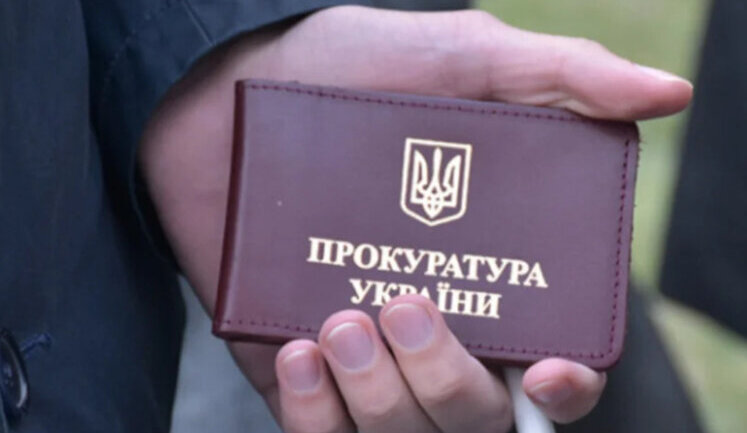
The Ukrainian legal landscape is fraught with challenges, as evidenced by recent developments involving the prosecutor's office. Key incidents include allegations against a prosecutor and deputy head in the Brovary District for soliciting $50,000 from a businessman. Meanwhile, a €20,000 border escape scheme was dismantled in the Kharkiv region, showcasing challenges in border security. In a notable case, former Ivano-Frankivsk prosecutor's office officials face scrutiny over a $100,000 corruption charge. Additionally, significant societal issues are highlighted by prosecutor-related investigations, such as the burning of vehicles and lapses in regional governance due to pressure. These cases underscore issues of accountability and corruption within key judicial institutions, as ongoing probes aim to establish justice and rectitude.
What recent scandals have involved the Brovary District Prosecutor's Office?
In a recent scandal, the Brovary District Prosecutor's Office was embroiled in allegations of fraud, involving the prosecutor and his deputy attempting to extract a $50,000 bribe from a businessman. This incident highlights ongoing corruption challenges within the office, prompting a formal notification of suspicion as part of the investigation.
How are accusations of corruption being handled within the Ukrainian prosecutor’s offices?
The prosecutorial system in Ukraine is currently facing allegations of misconduct, including bribery and corruption. Investigations by authorities, such as those by NABU and SAPO, demonstrate efforts to tackle these issues head-on by serving notices of suspicion and conducting comprehensive probes, aiming to hold officials accountable and restore public trust.
What measures are being taken against illegal border crossing schemes?
Authorities in Ukraine have been vigilant against illegal border crossing schemes, exemplified by the recent dismantling of a €20,000 operation in Kharkiv. The enforcement included detaining organizers and exposing methods involving physical risks like crossing rivers. This highlights the judiciary's proactive role in tackling such illegal activities.
How does public scrutiny affect prosecutorial actions in Ukraine?
Public scrutiny plays a critical role in influencing prosecutorial actions, particularly through media exposure and pressure from civil society groups. This attention ensures transparency and accountability, prompting investigations into misconduct and fostering a culture of integrity within office operations aimed at reducing corruption and malfeasance.
What challenges are local government officials facing from prosecutor's offices?
Local government officials in Ukraine face significant challenges due to pressure from prosecutor's offices, as evidenced by the resignation of 17 heads of municipal communities in Kherson. This situation underscores the ongoing governance crisis where prosecutors are accused of exerting undue influence, affecting administrative stability and local governance.
What impacts do prosecutor's office investigations have on societal justice?
Investigations by the prosecutor's office have far-reaching impacts on societal justice, addressing cases of violence, bribery, and corruption. These actions facilitate the upholding of legal standards and provide avenues for redressing grievances, thereby reinforcing the rule of law and enhancing the public's confidence in judicial processes.
News prosecutor’s office
 Former Prosecutor General Kravchenko submits resignation from prosecution service Former Prosecutor General of Ukraine Ruslan Kravchenko has submitted a letter requesting his dismissal from the prosecution service. 12 125 59 Previously in trend: Resignation of Ruslan Kravchenko Kravchenko’s resignation
 70 per cent of Ukrainians do not trust Prosecutor General’s Office, - poll. INFOGRAPHICS 70 per cent of Ukrainian citizens do not trust the Public Prosecutor’s Office. However, 56 per cent stated that they would trust the Prosecutor General if he were selected through an open competition involving independent international experts. 3 448 23 Previously in trend: Trust survey Kravchenko’s resignation
 Carthage under siege: Muses, call centres, empire of prosecutors and Poklad vs SAPO / Uncensored. VIDEO Following the release of recordings in the "Carthage" case, the Prosecutor General’s Office has found itself at the centre of a new corruption scandal. 6 562 7 Previously in trend: Operation Carthage
 Operation "Carthage": Two prosecutors featured in NABU recordings dismissed in Cherkasy Viktoriia Dydych and Maksym Shtompel, who featured in recordings made by the National Anti-Corruption Bureau of Ukraine (NABU) as part of Operation "Carthage", have been dismissed from the prosecution service in Cherkasy region. 14 639 28 Previously in trend: Operation Carthage
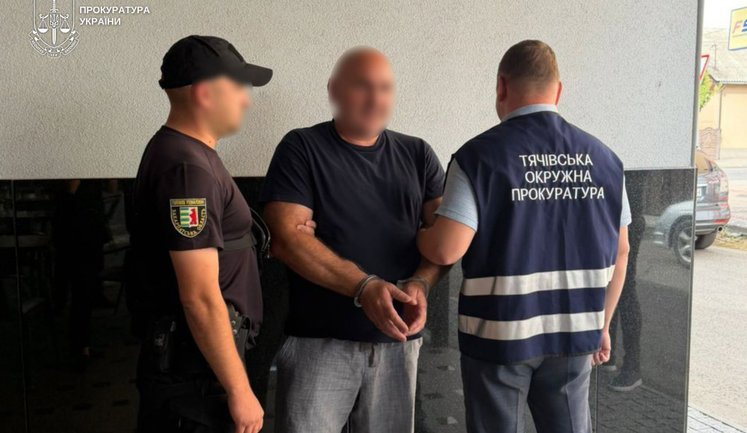
 He beat tourists, made threats and destroyed tents near Lake Apshynets: off-roader has been detained in Zakarpattia. PHOTO Law enforcement officers have detained a 47-year-old resident of the Tiachiv district, suspected of attacking tourists near the Apshynets mountain lake in the Carpathians — the man struck the victim with a stone and a walking stick. 13 099 35 Previously in trend: tourism attack on people
 SBI closed the case concerning the AWOL of soldier Penkalskyi, which had been opened a year after his death The criminal proceedings for AWOL against Junior Sergeant Marian Penkalskyi of the 503rd Separate Marine Battalion, opened a year after his death, have been closed. 5 967 27
 $5,000 for service behind front lines: official and his accomplice have been exposed in Kyiv region. PHOTO In Kyiv, charges have been brought against the head of a branch of one of the district TCR and SS and the head of a civil society organisation, who organised a scheme to accept bribes from conscripts. 1 576 5
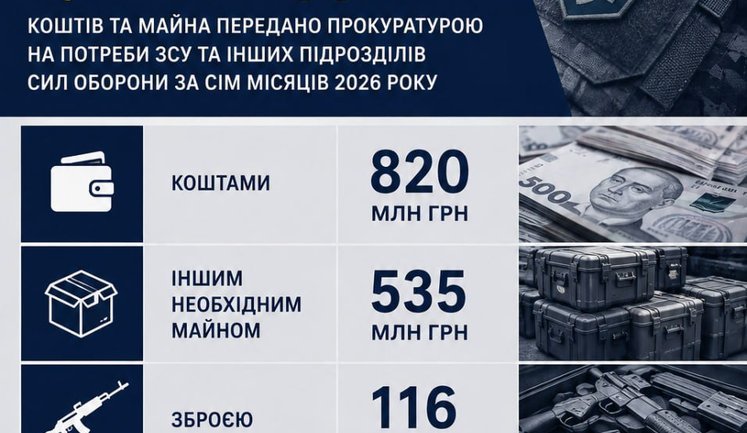
 Over 1.5 billion hryvnias from criminal proceedings have been channelled towards needs of Defence Forces, – Kravchenko In the first seven months of 2026, the Prosecutor General’s Office transferred funds and assets worth over 1.5 billion hryvnias to the Armed Forces of Ukraine and other units of the Defence Forces. The transfer included 820 million hryvnias in funds, 535 million hryvnias’ worth of assets, and... 717 4 Previously in trend: Aid for the AFU
 Mayor of Ukrainka, Turenko, is suspected of land misappropriation and embezzlement of more than 75 million hryvnias in public funds A mayor in the Kyiv region has been notified that he is suspected of land misappropriation and embezzlement of more than 75 million hryvnias in public funds. 1 279 11 Previously in trend: Land deals
 MP from Kharkiv region ’stashed’ community equipment at his mother-in-law’s house, worth 14.5 million hryvnias In the Kharkiv region, a member of the district council is suspected of embezzling more than 14.5 million hryvnias’ worth of property belonging to a municipal enterprise. 2 343 8 Previously in trend: Corruption in Ukraine
 Consequences of Russian Federation’s massive strike on Kyiv: destruction in all districts. PHOTOS Four people have been killed and 30 injured in Kyiv following a night-time attack by the Russian Federation. Law enforcement officers are assessing the aftermath of the Russian Federation’s night-time attack on the capital. 3 415 11 Previously in trend: Missile and drone attack on Kyiv Massive combined attack
 Businessman Vasyl Veselyi was not detained, suspicion was not reported - Prosecutor’s office Businessman Vasyl Veselyi, whom the media refer to as the "overseer" of the "Sens Bank" owned by the Presidential Administration, was subjected to investigative procedures, but he was not detained. 1 400 15 Previously in trend: Mindichgate Mindich’s new tapes
 $100,000 bribe and kickback scheme: probe into former Ivano-Frankivsk region prosecutors completed – NABU NABU and SAPO have completed an investigation into the case of the former head of the Ivano-Frankivsk Regional Prosecutor’s Office and the former head of one of the divisions of the same prosecutor’s office. 1 780 2 Previously in trend: Grafters Bribery in courts
 UAH 103 million in damages and 19,000 felled trees: prosecutor’s office has uncovered yet another scheme to destroy forests in Lviv region. PHOTOS The Specialised Environmental Prosecutor’s Office of the General Prosecutor’s Office has uncovered yet another scheme involving the illegal destruction of forest in the Lviv region. The organiser is the director of the Slavske subsidiary forestry enterprise ‘Galsillis’, who is also a sitting... 1 259 5 Previously in trend: Illegal logging
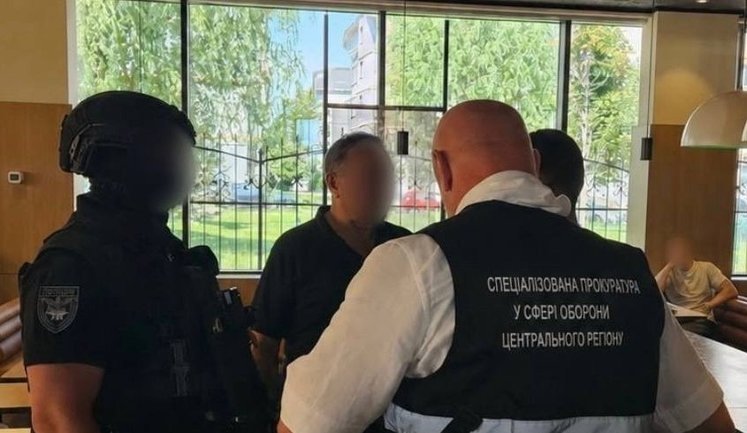
 Demanded $50,000 from businessman: prosecutor and first deputy head of Brovary District Prosecutor’s Office notified of suspicion Investigators have exposed a prosecutor and the first deputy head of the Brovary District Prosecutor’s Office for attempting to fraudulently obtain funds from a businessman. They have been served with notices of suspicion. 1 924 10 Previously in trend: Corruption in the Prosecutor’s Office
 €20,000 border escape scheme: organizers detained in Kharkiv region. PHOTOS Climbing over a barbed-wire fence and swimming across a river in a wetsuit - that was the kind of "service" offered by the organizers of yet another scheme to illegally smuggle military-liable men across the state border. Among those detained was a Russian citizen. 1 624 10 Previously in trend: Draft evaders smuggling across the border
 Former management of Frankivsk prosecutor’s office exposed for corruption: $100,000 for closing case – NABU NABU and SAPO have notified the former head of the Ivano-Frankivsk Regional Prosecutor's Office and the head of one of its departments of suspicion regarding the "laundering" of budget funds. 4 057 20 Previously in trend: Corruption in the Prosecutor’s Office
 Young man and minor girl burned three Tesla cars in Kyiv on order, - prosecutor’s office. PHOTOS A 16-year-old girl and a 19-year-old boy were detained in Kyiv for burning three Tesla cars in the Sviatoshynskyi district on commission. 8 571 21 Previously in trend: Detention of arsonists
 Murder of children in Lviv region: investigators are establishing details of tragedy, examinations are being conducted. PHOTOS Investigators are examining the details of the murder of children in the Zolochiv district of the Lviv region. A series of expert examinations are being conducted. 7 464 0 Previously in trend: Murder of children
 Association of Ukrainian Cities: 17 heads of municipal communities step down amid prosecutor pressure on local self-government in Kherson region A governance crisis is worsening in the Kherson region. At least 17 heads of municipal communities have left their posts amid systematic pressure from the prosecutor’s office authorities. 1 924 5 Previously in trend: Pressure on local government
 Mercedes driver who beat cyclist in Podil and left him unconscious by roadside will stand trial. PHOTOS Prosecutors from the Podilskyi District Prosecutor's Office in Kyiv have sent an indictment to court against a Mercedes driver who beat up a cyclist for commenting on his illegal parking in a bicycle lane. 4 613 15 Previously in trend: Beating of a cyclist in Kyiv
 Sumy Regional Council deputy and his son beat up military personnel in Konotop. PHOTO In the Sumy region, law enforcement officers reported suspicions against a regional council deputy and his son, who got into a fight with military personnel at a restaurant in the city of Konotop. 8 967 64 Previously in trend: Beating of serviceman
 Car explosion in Obolon classified as terrorist attack: soldier wounded, - prosecutor’s office. PHOTO Today, 4 January 2026, an explosion occurred in the courtyard of a building on Heroiv Dnipra Street in Kyiv while the boot of a car was being opened. 6 569 35 Previously in trend: Terrorist attacks in Ukraine Explosion in Kyiv
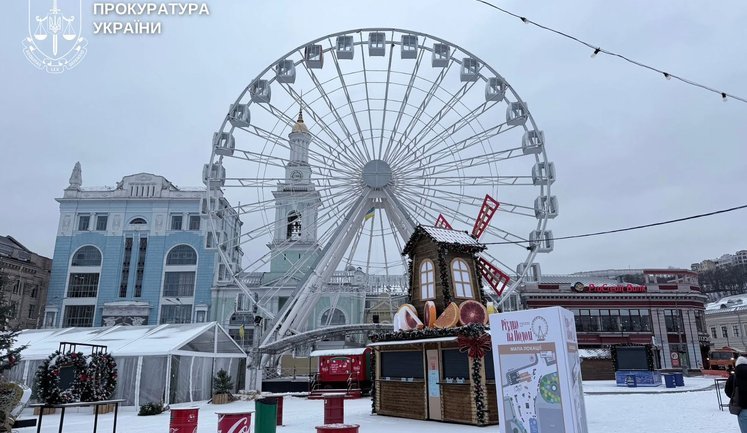
 Ferris wheel in Podil, Kyiv, is being asked to close: reason - dangerous condition of attraction. VIDEO A court in Kyiv has been asked to ban the operation of the Ferris wheel in Podil due to the poor condition of the attraction. 3 317 11 Previously in trend: Ferris wheel in Kyiv requested to be closed
 Explosions in Darnytskyi district of Kyiv being investigated as terrorist attack. National Guard soldier killed, - prosecutor’s office. PHOTO Two explosions in the Darnytskyi district of Kyiv on Revutskyi Street, which occurred on the afternoon of 11 December, are being investigated as a terrorist attack. 4 486 8 Previously in trend: Explosion in Kyiv
 Russians shoot three Ukrainian prisoners of war in Zaporizhzhia region: prosecutor’s office launches investigation The prosecutor's office has launched an investigation into the enemy's shooting of three Ukrainian prisoners of war in the Zaporizhzhia region. 5 222 23 Previously in trend: War crimes of Russia Execution of Ukrainian POWs
 Beating of AFU veteran in Kharkiv: accused sentenced to 4 years in prison. PHOTO Prosecutors from the Nemyshlianskyi District Prosecutor's Office in Kharkiv found a 44-year-old man guilty of beating and shooting a 22-year-old veteran of the Russian-Ukrainian war with a prosthetic leg in August 2025. 3 393 10 Previously in trend: AFU war veteran beaten and shot at in Kharkiv region
 He pushed, beat, and threatened women with children: man in Kyiv sentenced to 5 years in prison. VIDEO&PHOTOS. VIDEO&PHOTOS A 31-year-old Kyiv resident has been sentenced for harassing, threatening, and assaulting women on the street. 5 269 17
 Suspect in Parubii’s murder was passing information about AFU facilities to Russians, - Prosecutor’s Office. VIDEO Mykhailo Stselnikov, a suspect in the murder of former Rada Speaker Andrii Parubii, was passing photos of the location of the Defence Forces facilities to the Russians. 5 852 11 Previously in trend: Murder of Andrii Parubii
 Prosecutor’s Office closes case against "Naftogaz" top manager Butenko Criminal proceedings against Oleksii Butenko, head of the "Naftogaz Bioenergy" subsidiary of the "Naftogaz" group, have been closed. 6 873 0 Previously in trend: Case of top Naftogaz manager Butenko
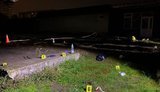 Man stabs patrol police officer during arrest in Rivne region. PHOTO A resident of Varash in Rivne region stabbed a patrol police officer during his arrest. In response, the officers used their service firearms against the attacker. 5 364 40 Previously in trend: attack on police officers
 They have been beating their 4-year-old son to death over four days: couple will be tried in Dnipropetrovsk region, - prosecutor’s office. PHOTOS A couple who systematically have been abusing their 4-year-old son over four days will be tried in the Dnipropetrovsk region. 9 905 34 Previously in trend: Child abuse
 Occupiers wound civilian in Kupiansk: man evacuated to Kharkiv – Prosecutor’s Office. PHOTO In Kupiansk, Kharkiv region, Russian sabotage and reconnaissance groups opened fire on a 74-year-old local resident in early September. 600 0 Previously in trend: Civilian casualties in Ukraine
 10-year-old boy has been taking care of his two brothers with serious genetic disease in Donetsk region on his own for over year, - prosecutor’s office A 10-year-old boy in Donetsk region has been taking care of his two 13-year-old brothers who are bedridden for over a year. 6 836 42
 Court refers information on strip-search of NABU detective Mahamedrasulov’s father to prosecutor’s office Information from relatives about the possible humiliation of the father of the detained National Anti-Corruption Bureau detective Ruslan Mahamedrasulov before the court hearing was sent to the Kyiv City Prosecutor's Office. 35 432 60 Previously in trend: Ruslan Mahamedrasulov’s case
 Border guard detained in Moldova after abducting and forcibly returning two men to Ukraine – Prosecutor’s Office. VIDEO In Moldova, the head of a Border Police sector has been arrested on suspicion of abducting and forcibly returning two Ukrainian citizens. 12 540 48 Previously in trend: Draft evaders smuggling across the border
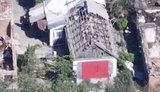 Russian soldier shoots dead civilian near Pokrovsk – Prosecutor’s Office. VIDEO In the village of Novoekonomichne near Pokrovsk in Donetsk region, a Russian soldier shot dead a civilian resident. 3 596 8 Previously in trend: War crimes of Russia
 Two men who burned down four cars in Shevchenkivskyi district of Kyiv have been detained. PHOTOS Two arsonists acting under contract were detained in Kyiv after torching four cars in the Shevchenkivskyi district. Prosecutors have filed charges against them. 1 979 1 Previously in trend: Detention of arsonists
 He set fire to "traitor’s" apartment under orders of fake SSU agents: 20-year-old detained in Kyiv In Kyiv, law enforcement detained a 20-year-old local resident who was allegedly ordered by Security Service of Ukraine (SSU) operatives to set fire to the door of a person’s apartment. Russian special services presented that individual to the Kyiv resident as a "traitor." 3 504 25 Previously in trend: Detention of arsonists
 Man who shot at car of volunteer Dvoretska in Kyiv has been detained. Suspicion is being prepared, - prosecutor’s office. PHOTO The man who shot at the car of a volunteer in Kyiv has been detained, and prosecutors will serve him a notice of suspicion of hooliganism with weapons. 4 762 21 Previously in trend: Shooting in Kyiv
 Set military vehicles on fire on order: 19-year-old detained in Shostka. PHOTOS A 19-year-old man was detained in Shostka, Sumy region, for arson of two military vehicles on order. 2 164 16 Previously in trend: burning military cars
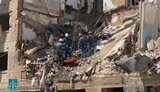 Russian strike on Kyiv: three women and four men killed. Youngest victim is 22-year-old girl. PHOTO As of 13:00, seven people were killed in a Russian strike in Kyiv. 6 156 23 Previously in trend: Missile and drone attack on Kyiv
 Drunken athlete hits soldier at checkpoint at entrance to Kyiv: he has been notified of suspicion, - prosecutor’s office. PHOTO A 23-year-old resident of Kyiv was served a notice of suspicion of inflicting bodily harm on a National Guard serviceman who was on duty at a checkpoint during the curfew. 10 608 84
 Kyiv entrepreneur embezzled 28 million hryvnias allocated for drones for state, - prosecutor’s office. PHOTO The director of a private company in Kyiv who promised to supply drones from abroad for UAH 28 million was served a notice of suspicion. 4 591 35 Previously in trend: financial fraud
 Prosecutor from regional prosecutor’s office detained for demanding $10,000 bribe to "resolve issue" in proceeding. PHOTO Law enforcement officers exposed a prosecutor from a regional prosecutor’s office department for soliciting an unlawful benefit. 18 792 16 Previously in trend: Fighting corruption in Ukraine Corruption in the Prosecutor’s Office
 Deputy Prosecutor Maksymenko, suspected of bribery, joins AFU – ACAC Nataliia Maksymenko, Deputy Prosecutor of Zaporizhzhia Region, who is under investigation by NABU and SAPO for soliciting and accepting a $40,000 bribe, has joined the Armed Forces of Ukraine. 6 264 62 Previously in trend: Corruption in the Prosecutor’s Office
 Man detained in Dnipro for setting fire to three vehicles belonging to AFU servicemen. PHOTOS A man has been detained in Dnipro for setting fire to three vehicles owned by servicemen of the Armed Forces of Ukraine. 2 649 7 Previously in trend: burning military cars Detention of arsonists
 Teenager recruited by Russian special services arrested for setting fire to military vehicle in Kharkiv. PHOTOS In Kharkiv, law enforcement officers exposed a 17-year-old boy who set fire to a Ukrainian serviceman's car on the night of 24 April. 2 196 12 Previously in trend: burning military cars Detention of arsonists
Page 1 of 9
more news