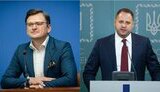
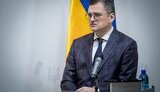
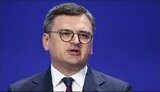
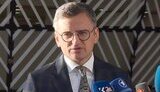
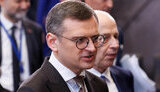
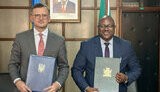
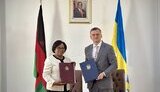
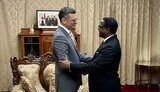
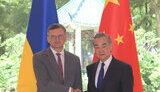
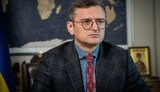
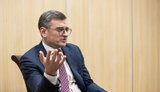
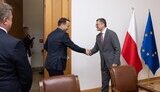
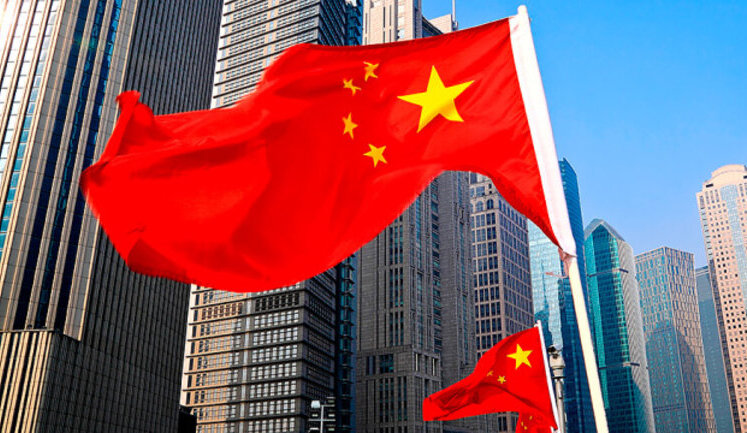
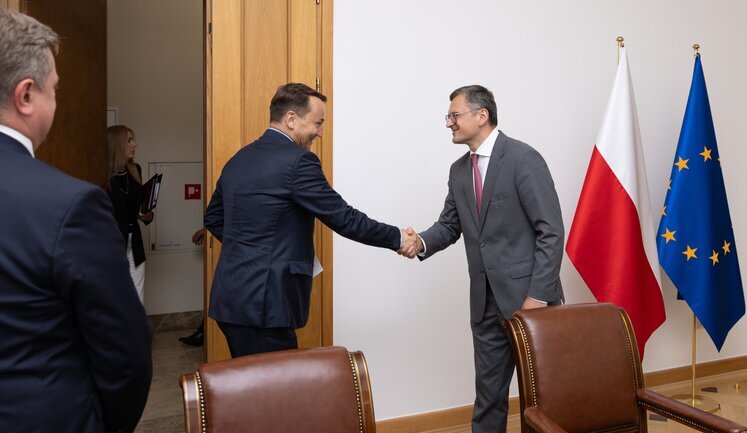
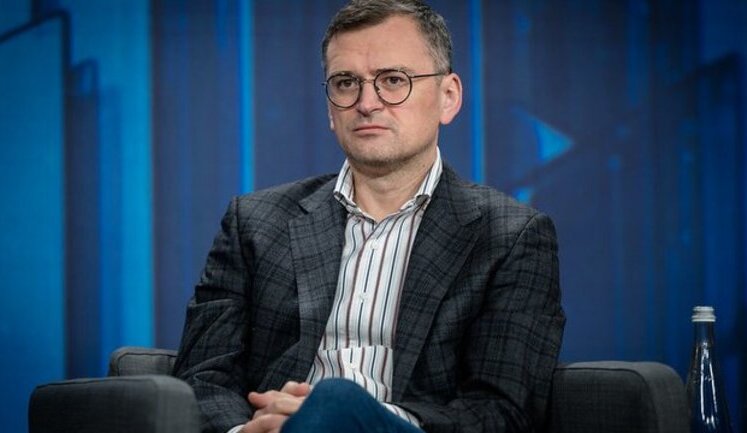
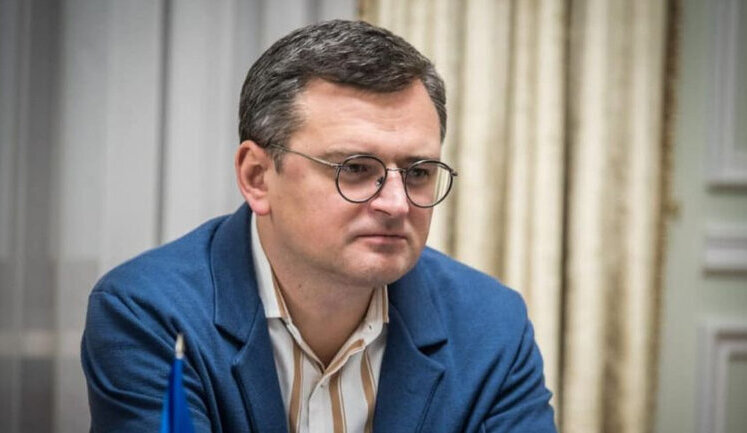
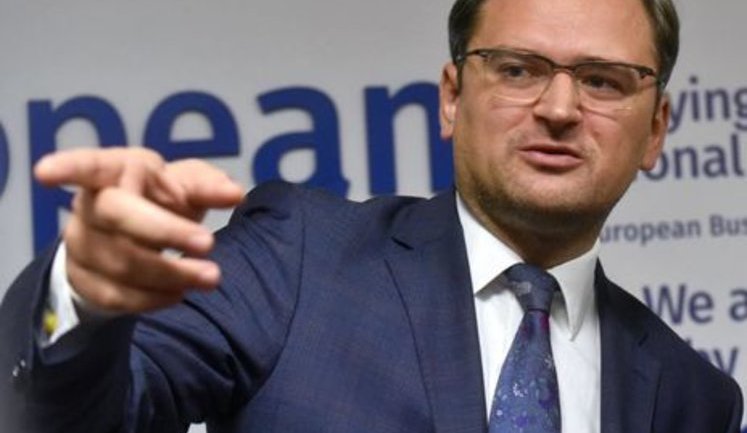
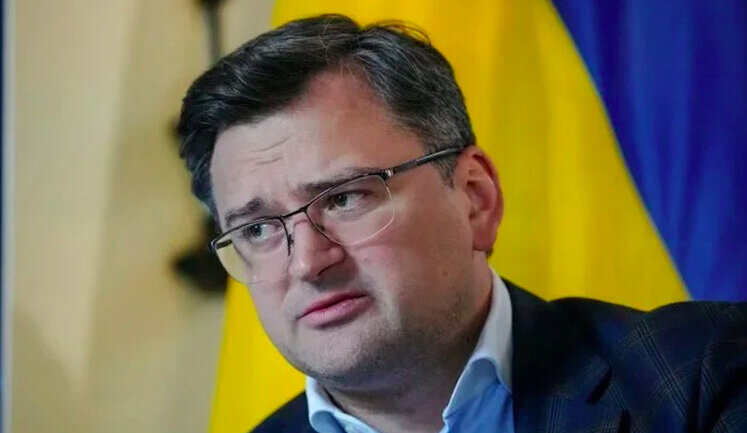
Dmytro Kuleba, the former Foreign Minister of Ukraine, has been instrumental in navigating diplomatic relations during challenging times. His discussions on Ukraine joining NATO without occupied territories were seen as strategic signals towards US political figures. Kuleba's dismissal from his ministerial post was linked to internal governmental dynamics, highlighting tensions with the Presidential Office. Despite his resignation, Kuleba continued to play a crucial role in diplomatic conversations. From advocating for air defense systems to addressing the fears of escalation among Ukraine's allies, Kuleba emphasized the importance of international support in the ongoing conflict with Russia. His efforts were also focused on strengthening Ukraine's military capabilities and navigating complex international relations with countries like China, Poland, and Belgium. Kuleba's diplomatic endeavors underscore his commitment to securing Ukraine's sovereignty and fostering international cooperation.
Why did Dmytro Kuleba discuss NATO membership without occupied territories?
Dmytro Kuleba explained that discussions about Ukraine joining NATO without occupied territories were strategic messages aimed at reassuring and involving international stakeholders like the incoming US leadership in Ukraine's security and diplomatic priorities.
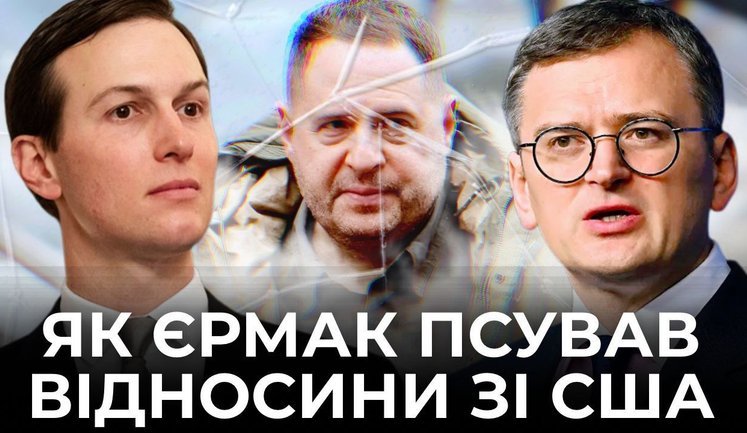
What were the reasons behind Dmytro Kuleba's dismissal from the Foreign Ministry?
Dmytro Kuleba's dismissal was reportedly due to tensions with Andrii Yermak from the Presidential Office, who sought greater control over the foreign ministry. This reflects internal power dynamics and strategic decisions within Ukraine's government.
What role did Dmytro Kuleba play in Ukraine's defense strategy?
As Foreign Minister, Kuleba was pivotal in advocating for international military assistance, including air defense systems and ammunition, to enhance Ukraine's defense against external threats, particularly from Russia.
How did Dmytro Kuleba address fears of escalation among Ukraine's allies?
Dmytro Kuleba urged allies not to fear escalation from providing support to Ukraine, emphasizing that such support is crucial in deterring aggression and ensuring regional stability, shifting the perception of risk towards deterring Russian advances.
What was discussed during Dmytro Kuleba's meetings with EU representatives?
During meetings with EU representatives, Kuleba discussed military assistance, air defense, and the preparation for Peace Summits, emphasizing the need for continued collaborative efforts to support Ukraine amidst ongoing geopolitical tensions.
What are Dmytro Kuleba's views on negotiations with Russia?
Dmytro Kuleba emphasized the need for strategic dialogue with Russia, asserting that while Ukraine must engage in negotiations, it will not capitulate to aggressive demands or ultimatums, focusing instead on achieving a just peace.
How did Dmytro Kuleba handle international partnerships amid conflict?
Kuleba actively sought to strengthen international partnerships by securing military aid, discussing strategic alliances, and promoting diplomatic engagement with key global players to bolster Ukraine's defense and economic resilience.