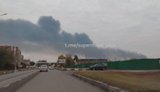
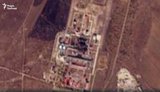
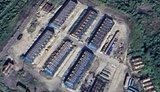
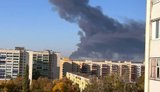
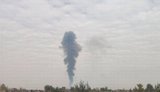
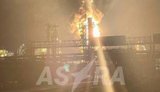
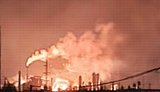
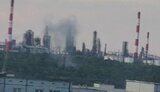
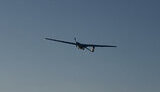
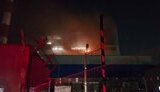
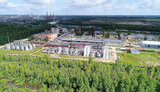
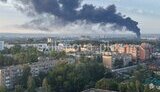
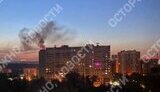
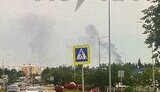
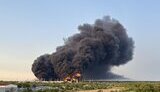
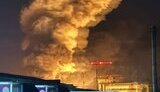
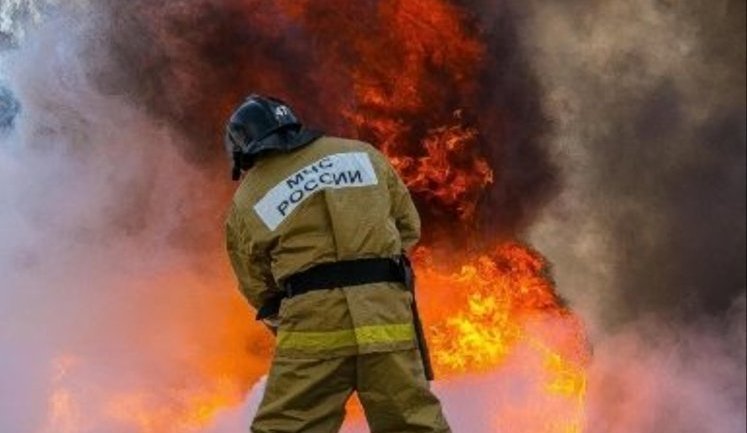
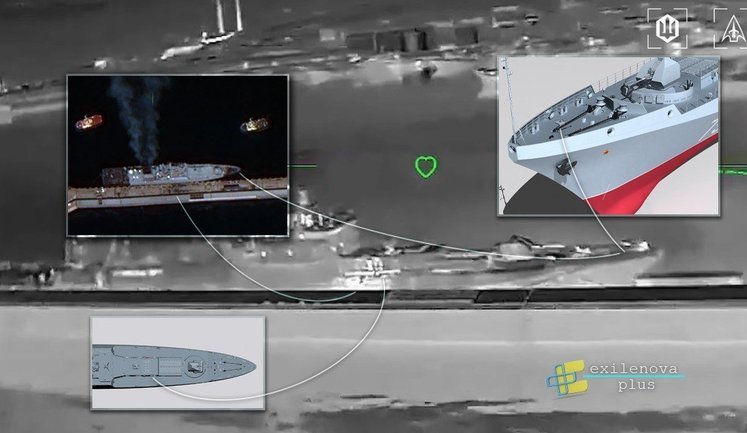
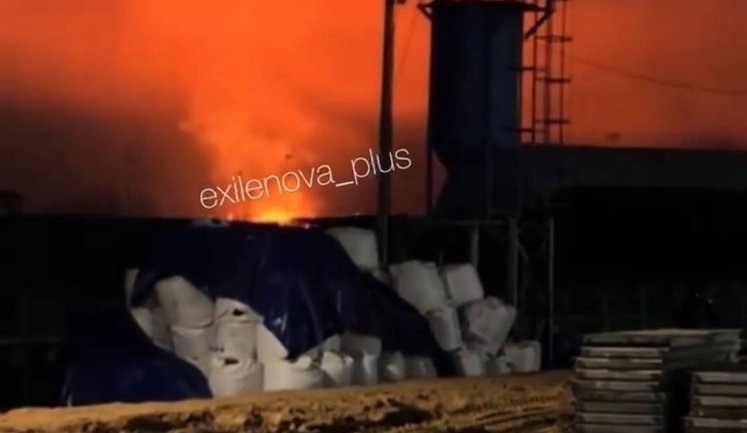
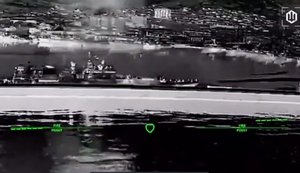
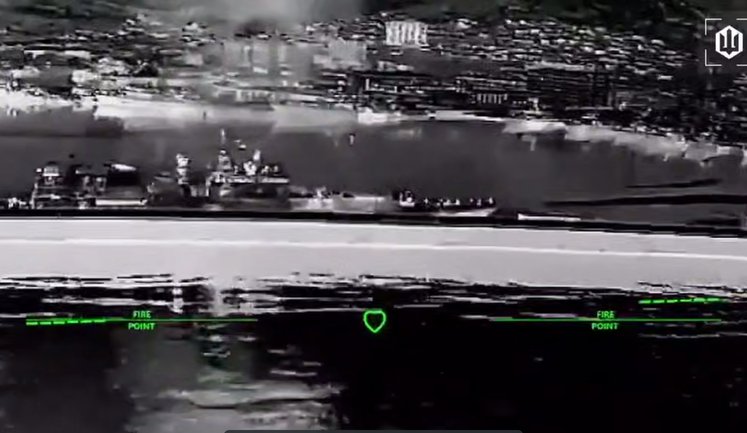
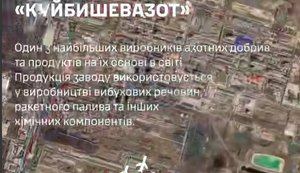
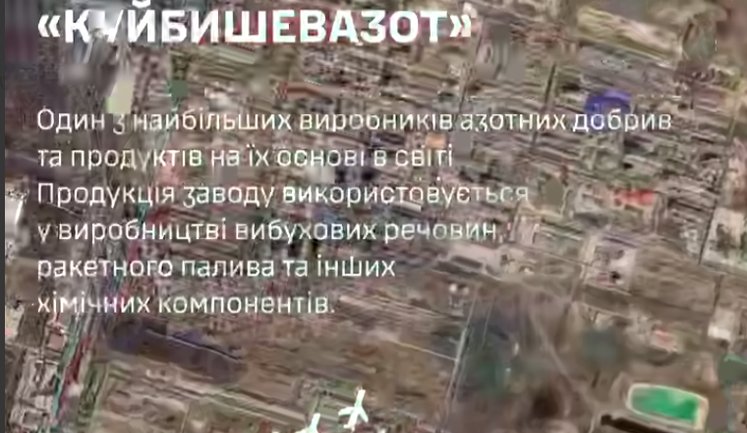
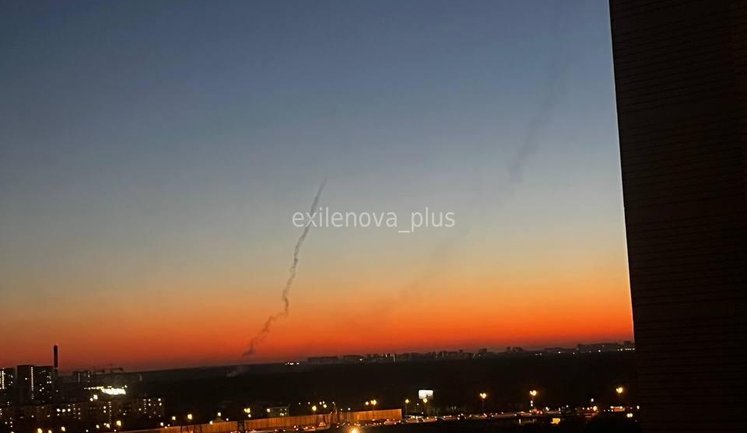
Russian regions have faced a series of drone attacks targeting key infrastructures, ranging from ports and oil refineries to chemical plants. The Leningrad Oblast witnessed repeated strikes, severely impacting the Ust-Luga oil terminal. Meanwhile, the "KuibyshevAzot" plant in Togliatti caught fire following drone hits, and the massive Yaroslavl oil refinery suffered significant damage. As part of these aggressive maneuvers, over 20 drones attacked the Leningrad Region, sparking major fires at the Kirishi Oil Refinery and other strategic locations. Satellite images confirm widespread destruction, underlining the escalating drone warfare.
What targets were affected by the recent drone attacks in Russia?
Recent drone attacks in Russia have targeted key infrastructural sites including the Ust-Luga port, Yaroslavl oil refinery, and the "KuibyshevAzot" chemical plant in Togliatti. These attacks have resulted in significant damage and fires at these critical locations.
How have the drone attacks impacted the Leningrad region?
The Leningrad region has been repeatedly targeted, causing severe disruption, especially at the Ust-Luga port. These attacks have not only damaged critical oil-loading infrastructure but have also led to widespread fires causing smog that has reached St. Petersburg.
What is the significance of the Yaroslavl oil refinery in these attacks?
The Yaroslavl oil refinery, a major energy production site, has been hit by drones, leading to extensive fires and destruction of storage areas. This illustrates the strategic focus on crippling Russia's energy infrastructure through targeted strikes.
What role did drones play in the attack on the Togliatti chemical plant?
The "KuibyshevAzot" chemical plant in Togliatti came under drone assault, leading to immediate fires and smoke spreading over the city. The plant's damage emphasizes the drones' precision capabilities in impacting industrial operations.
What was the outcome of the strike on the Ust-Luga oil terminal?
The Ust-Luga oil terminal faced its third drone strike in March, leading to the complete destruction of an oil-loading berth. This continued targeting highlights the strategic significance of crippling the logistics of this key export hub.
Why are drone attacks targeting Russian infrastructure increasingly frequent?
Drone attacks are intensifying as an effective asymmetric warfare strategy to disrupt and degrade Russia's economic and military operations by focusing on high-value infrastructure and vital logistics points across its regions.
What measures is Russia taking in response to these drone attacks?
Russia has activated air defense systems and increased surveillance and security measures around critical infrastructures. However, the sustained impact of these attacks suggests challenges in fully countering this evolving threat.
How do these drone strikes affect Russia's economic capabilities?
By targeting vital ports, refineries, and chemical plants, these drone strikes severely disrupt Russia's logistical networks, supply chains, and energy exports, thereby weakening its economic resilience and operational efficiencies.