ENG




10666 visitors online
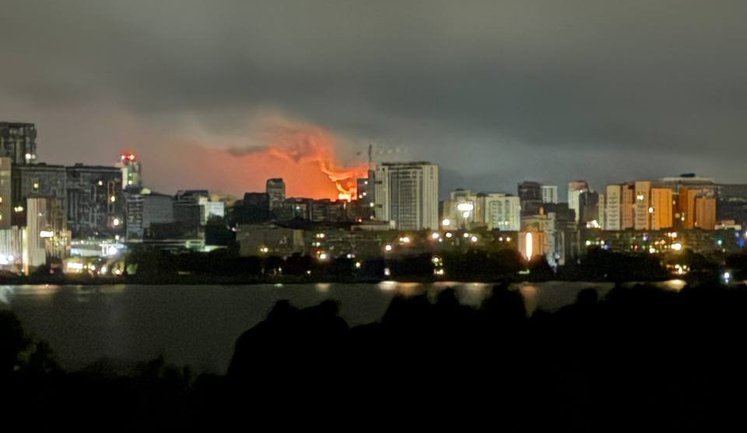
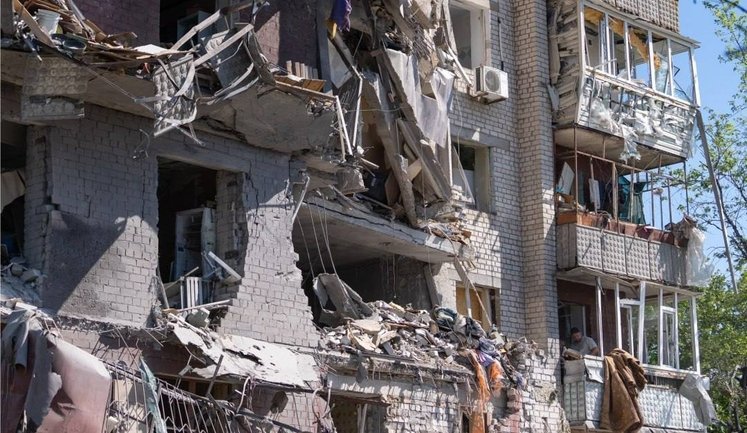
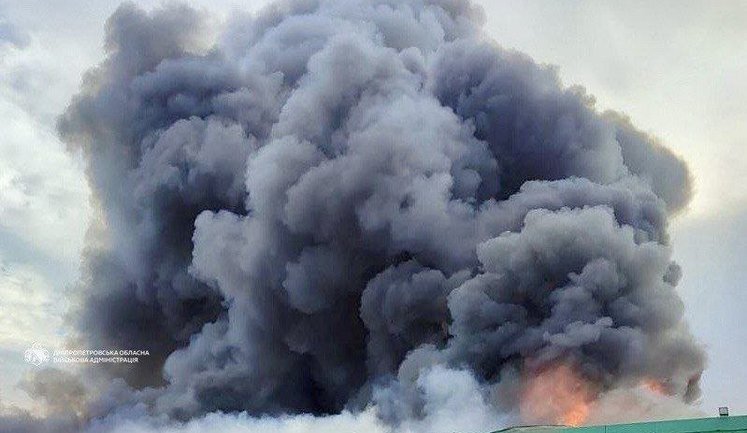
The Pavlohrad district of the Dnipropetrovsk region continues to come under Russian attack. Logistics companies have recently been hit, and people, including a child, have been killed. The attacks have caused extensive damage to civilian infrastructure, including the destruction of a Ukrposhta sorting depot. Warehouses, shops and shopping centers have also been damaged. Many injured residents require medical assistance. These attacks are causing a severe humanitarian crisis and affecting the regional economy. Civilians urgently need assistance and support.
What is the current situation in Pavlohrad district?
The Pavlohrad district of the Dnipropetrovsk region is experiencing repeated Russian attacks. Numerous civilian infrastructure facilities have been destroyed, and civilians, including children, have been killed. Many residents have sustained injuries and require medical assistance.
Which facilities in Pavlohrad district have suffered the most damage?
Russian attacks have damaged logistics companies, shopping centers, warehouses, and Ukrposhta facilities in Pavlohrad district. Residential buildings and vehicles belonging to local residents have also been damaged, severely affecting everyday life in the district.
Have there been civilian casualties in Pavlohrad district?
Yes, Russian attacks on the Pavlohrad district have caused numerous civilian casualties. Both adults and children have been killed, while many other civilians have sustained injuries of varying severity and require urgent medical care.
How frequently is Pavlohrad district attacked?
Pavlohrad district comes under regular Russian attacks involving drones, artillery, and aerial bombs. The intensity of the attacks is often marked by an increasing number of strikes and the use of various types of weapons, causing extensive destruction and casualties.
What measures are being taken to protect Pavlohrad district?
Ukrainian forces are continuously strengthening defensive positions in the Pavlohrad district. Air defence units are working to destroy Russian drones and missiles before they reach populated areas, while civilians are being evacuated from the areas most heavily affected by attacks.
News Pavlohrad district, Dnipropetrovsk region
 Russian strikes on Dnipropetrovsk region: two people killed (updated) At dawn on October 15, Russian invaders attacked the Dnipropetrovsk region. Two districts of the region came under attack. 1 208 5 Previously in trend: Shelling of the Dnipropetrovsk region
 Russian forces attacked Pavlohrad: man was injured and fire broke out in car park. PHOTO Russian troops attacked Pavlohrad in the Dnipropetrovsk region, causing a fire. A man was injured. 946 1 Previously in trend: Strike on Pavlohrad Shelling of the Dnipropetrovsk region
 Russian forces struck Pavlohrad: food warehouses are burning, and man has been wounded On the afternoon of September 3, 2026, Russian forces launched an attack on Pavlohrad in the Dnipropetrovsk region. 1 263 1 Previously in trend: Shelling of the Dnipropetrovsk region
 Russia attacks DTEK facility in Pavlohrad: employee injured Russian forces struck the administrative building of a DTEK coal enterprise in Pavlohrad. One person sustained shrapnel wounds. 855 0 Previously in trend: Strike on Pavlohrad
 Russia attacks Pavlohrad again: administrative building catches fire in city centre The head of the Dnipropetrovsk Regional Military Administration, Oleksandr Hanzha, reported a fire in an administrative building in central Pavlohrad caused by an enemy attack. 905 1 Previously in trend: Strike on Pavlohrad
 Enemy strikes Pavlohrad: three wounded On the afternoon of October 1, Russian invaders once again attacked Pavlohrad in the Dnipropetrovsk region. Three people were wounded as a result of the enemy strike. 1 068 1 Previously in trend: Shelling of the Dnipropetrovsk region
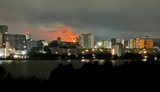 Russia attacked industrial facilities in three cities in Dnipropetrovsk region: there are casualties (updated). VIDEO+PHOTOS On the night of 22 September, Russia launched night-time attacks on industrial facilities in Dnipro, Kryvyi Rih and Pavlohrad. Three people were injured in Dnipro, and fires broke out. 6 563 5 Previously in trend: Shelling of the Dnipropetrovsk region
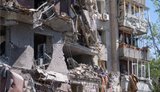 Russia attacked seven regions of Ukraine: 14 people killed, 52 wounded. PHOTOS Over the past 24 hours, Russian troops have attacked the Sumy, Mykolaiv, Dnipropetrovsk, Kherson, Zaporizhzhia, Donetsk and Kharkiv regions. The shelling has resulted in deaths and injuries, with children among the victims. 1 735 4 Previously in trend: Shelling of Ukraine
Russia attacked Pavlohrad: one person was killed and five were wounded On the afternoon of September 14, Russian invaders attacked Pavlohrad in the Dnipropetrovsk region. Powerful explosions were heard in the city. 1 229 0 Previously in trend: Shelling of the Dnipropetrovsk region
 Russian Federation’s attack on Pavlohrad: September 11 is a day of mourning in city September 11 has been declared a day of mourning in Pavlohrad for those who died as a result of the Russian strike. 2 092 0 Previously in trend: Shelling of the Dnipropetrovsk region
 Ruscists strike Pavlohrad: 5 killed and 67 injured, including children. PHOTOS (updated) On 10 September, Russian forces attacked Pavlohrad in the Dnipropetrovsk region. There are people killed and injured. 8 183 23 Previously in trend: Strike on Pavlohrad
 Zelenskyy after new Russian attacks: World sees what Russia is doing. Decisions on additional support packages for Ukraine will be made today. VIDEO Ukraine is working with its partners to protect people from Russian terror. Decisions are to be made today on, among other things, defence support for Ukraine and air defence. 2 136 17 Previously in trend: Support for Ukraine
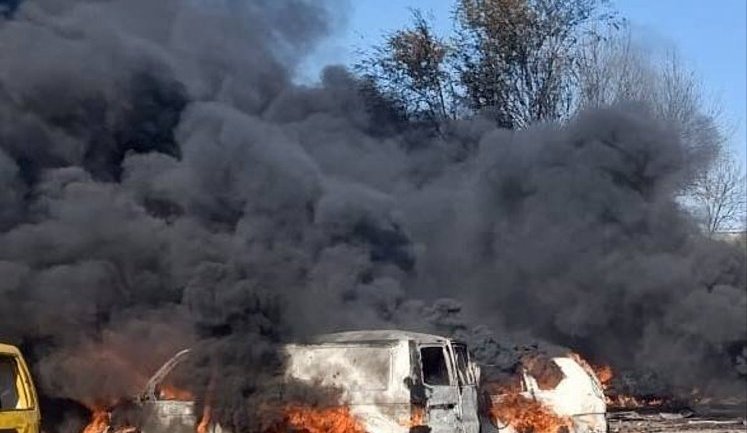
 Enemy has attacked Pavlohrad: lorries are on fire. PHOTO On the morning of 5 September 2026, Russian forces launched an attack on Pavlohrad in the Dnipropetrovsk region. 3 121 8 Previously in trend: Strike on Pavlohrad
 Two police officers were killed and another wounded in Dnipropetrovsk region as result of attacks by Russian Federation. PHOTO Since the evening of 3 September, Russian forces have attacked the Dnipropetrovsk region more than 10 times using drones and artillery. Two people were killed and another was injured as a result of the shelling. 1 536 2 Previously in trend: Shelling of the Dnipropetrovsk region
 Occupiers strike supermarket in Pavlohrad: 17-year-old boy killed, seven injured, three in serious condition. VIDEO Today, 28 August, Russian troops struck Pavlohrad in the Dnipropetrovsk region, resulting in injuries. 4 709 15 Previously in trend: Strike on Pavlohrad
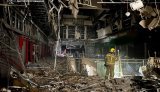 Russian forces shelled shopping and entertainment centre in Dnipropetrovsk region: three people were injured in region. PHOTOS On the night of 25 August, following an attack in Slobozhanske, Dnipro District, fires broke out on the grounds adjacent to the shopping centre and inside the building. 1 831 1 Previously in trend: Shelling of the Dnipropetrovsk region
 Russian forces struck Pavlohrad: one person killed, others injured and damage caused. PHOTO On the afternoon of 26 August 2026, Russian forces launched an attack on Pavlohrad in the Dnipropetrovsk region. 1 656 2 Previously in trend: Shelling of the Dnipropetrovsk region
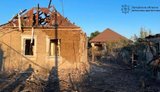 At least 10 people, including three children, have been killed in southern Ukraine as result of Russian attacks Over the past 24 hours, Russian troops have launched massive attacks on towns and villages in the Zaporizhzhia, Kherson, Mykolaiv and Dnipropetrovsk regions using drones, aircraft and artillery. There have been fatalities and dozens of people have been injured; children are among the victims. 1 978 13 Previously in trend: Shelling of the Zaporizhzhia region Shelling of the Kherson region Shellings of Mykolaiv region Shelling of the Dnipropetrovsk region
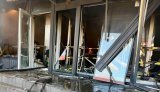 Russians strike logistics company in Pavlohrad: casualties reported. PHOTOS Today, 13 August, Russian troops struck Pavlohrad in the Dnipropetrovsk region, injuring civilians. 1 477 0 Previously in trend: Strike on Pavlohrad Shelling of the Dnipropetrovsk region
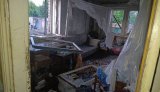 Three people, including child, were killed in Dnipropetrovsk region: five others were injured. PHOTOS Since the evening of August 10, Russian invaders have attacked five districts in the Dnipropetrovsk region more than 20 times using drones and artillery. 1 304 3 Previously in trend: Shelling of the Dnipropetrovsk region
 Russians strike Pavlohrad: there are casualties. PHOTO Today, 8 August, Russian forces carried out strikes on Pavlohrad in the Dnipropetrovsk region, resulting in casualties. 2 844 5 Previously in trend: Strike on Pavlohrad Shelling of the Dnipropetrovsk region
 Russian Banderol destroys Ukrposhta sorting depot in Pavlohrad: two female employees killed. PHOTO Today, 6 August, the Russians struck Pavlohrad in the Dnipropetrovsk region with a Banderol missile, destroying an Ukrposhta sorting depot and a base for mobile post offices. 5 485 9 Previously in trend: Strike on Pavlohrad
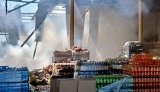 Russian forces strike Pavlohrad: warehouses belonging to logistics companies and shop are on fire, two fatalities. PHOTO Russian occupying forces have attacked Pavlohrad in the Dnipropetrovsk region, resulting in two confirmed fatalities. 2 672 5 Previously in trend: Strike on Pavlohrad Shelling of the Dnipropetrovsk region
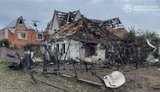 Zaporizhzhia, Dnipropetrovsk, and Kherson regions are under heavy attack by Russia: there are fatalities and dozens of wounded Over the past 24 hours, Russian troops continued to shell the southern and eastern regions of Ukraine, using attack drones, aircraft, artillery, and FPV drones. The Zaporizhzhia, Dnipropetrovsk, and Kherson regions were hit the hardest. 1 306 5 Previously in trend: Shelling of the Zaporizhzhia region Shelling of the Kherson region Shelling of the Dnipropetrovsk region
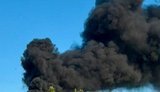 Ruscists strike Pavlohrad: Shopping centre on fire, 8 injured (updated). PHOTOS Russian occupying forces attacked Pavlohrad in the Dnipropetrovsk region. 3 092 3 Previously in trend: Strike on Pavlohrad Shelling of the Dnipropetrovsk region
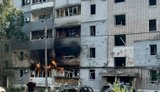 Ruscists strike Pavlohrad with KAB: apartments on fire, one person killed Russian occupiers struck Pavlohrad with a KAB, killing one person. 1 946 12 Previously in trend: Shelling of the Dnipropetrovsk region
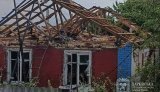 Consequences of Russian strikes on Dnipropetrovsk and Kharkiv regions: casualties and destruction. PHOTOS Over the past 24 hours, Russian forces have carried out dozens of strikes on the Dnipropetrovsk and Kharkiv regions. The attacks left one person dead, 15 others injured, and caused damage to civilian infrastructure. 987 3 Previously in trend: Shelling of Kharkiv region Shelling of the Dnipropetrovsk region
 Enemy struck Dnipro: fire broke out. Child was injured in region. PHOTOS Over the past 24 hours, Russian troops have attacked four districts in the Dnipropetrovsk region more than 20 times, using drones, artillery and guided aerial bombs. On the morning of 27 July, the occupying forces launched an attack on Dnipro. The attack caused a fire on the grounds of a private... 2 078 0 Previously in trend: Shelling of the Dnipropetrovsk region
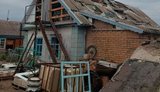 Russia attacked Kirovohrad and Dnipropetrovsk regions: houses, company, and gas station were damaged On the night of July 24, Russian troops continued shelling the central and southern regions of Ukraine. The Kirovohrad and Dnipropetrovsk regions came under attack. According to preliminary reports, there has been significant damage to civilian infrastructure. 1 760 2 Previously in trend: Shelling of the Dnipropetrovsk region Shelling of Kirovohrad region
 Russia struck Pavlohrad: three dead, 28 injured, including 2-year-old girl (updated) Russian troops attacked Pavlohrad in the Dnipropetrovsk region. Three people were killed in the attack, and at least ten others were injured. 3 592 28 Previously in trend: Shelling of the Dnipropetrovsk region
 Russian forces struck Pavlohrad with KAB: two dead, 15 wounded, including child (updated). PHOTO On the morning of 20 July, the enemy launched an attack on Pavlohrad in the Dnipropetrovsk region. Two people were killed and a further eight were injured. 1 721 5 Previously in trend: Strike on Pavlohrad
 Russia has attacked Dnipropetrovsk region with drones nearly 10 times: one person has been injured and petrol station damaged. PHOTO The Russians have carried out drone attacks on the Dnipropetrovsk region nearly 10 times. A resident of the Nikopol district was injured, and a business, a petrol station, houses and a car were damaged. 611 2 Previously in trend: Shelling of the Dnipropetrovsk region
 Russians have struck Dnipropetrovsk region nearly 30 times: four people wounded. PHOTOS Throughout the day on 8 July, Russian forces attacked three districts in the Dnipropetrovsk region nearly 30 times using drones and artillery. 588 0 Previously in trend: Shelling of the Dnipropetrovsk region
 Night in Dnipropetrovsk Oblast: five districts under attack by Russia, enterprises and petrol stations damaged, wheat fields ablaze. PHOTOS Last night, Russian forces attacked five districts in the Dnipropetrovsk region more than 20 times using drones and artillery. 1 012 0 Previously in trend: Shelling of the Dnipropetrovsk region
 Russia struck Pavlohrad: fire broke out at vehicle service centre, and lorries caught fire. PHOTO On the afternoon of 5 July 2026, Russian forces launched an attack on Pavlohrad in the Dnipropetrovsk region. 2 812 11 Previously in trend: Shelling of the Dnipropetrovsk region
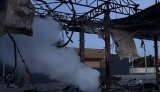 Enemy attacked five districts in Dnipropetrovsk region: petrol stations, residential buildings and infrastructure facilities were damaged. PHOTOS Since the evening of 24 June, Russian forces have attacked the Dnipropetrovsk region nearly 20 times using drones, artillery and aerial bombs. There has been damage to infrastructure, fires and damage to buildings. 971 2 Previously in trend: Shelling of the Dnipropetrovsk region
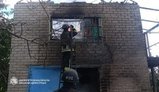 Russians strike Dnipropetrovsk region almost 50 times: two people killed, three more injured. PHOTOS During the day on June 24, Russian troops attacked four districts of the Dnipropetrovsk region almost 50 times with drones and artillery, leaving people killed and injured. 458 0 Previously in trend: Shelling of the Dnipropetrovsk region
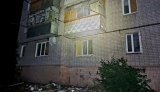 Russia attacked several districts in the Dnipropetrovsk region: houses were on fire and there were casualties. PHOTOS Russian forces have attacked areas of the region with drones and artillery on nearly 20 occasions. Nikopol, Kryvyi Rih, Pavlohrad and other communities have come under fire, resulting in casualties and damage. 866 0 Previously in trend: Shelling of the Dnipropetrovsk region
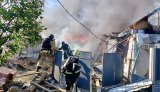 This morning, enemy attacked Pavlohrad: child was killed. PHOTOS On the morning of 19 June, Russian invaders attacked Pavlohrad in the Dnipropetrovsk region. An 8-year-old girl was killed. 1 432 1 Previously in trend: Shelling of the Dnipropetrovsk region
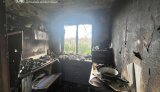 Enemy has attacked Dnipropetrovsk region nearly 40 times: one person has been injured. PHOTOS Throughout the day on Saturday, 13 June, Russian occupiers attacked five districts in the Dnipropetrovsk region nearly 40 times. A 63-year-old man was injured. 617 0 Previously in trend: Shelling of the Dnipropetrovsk region
 Dnipropetrovsk region under attack: 1 dead and 16 injured following Russian attacks. PHOTOS Russian forces attacked the region with drones and aerial bombs. The Synelnykove district and Pavlohrad were the worst affected. 1 224 1 Previously in trend: Shelling of the Dnipropetrovsk region
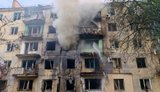 Enemy attacked Pavlohrad: high-rise damaged, 13-year-old boy among injured. PHOTOS (updated) Russian troops attacked the city of Pavlohrad in the Dnipropetrovsk region on Wednesday, June 10. A high-rise apartment building was damaged as a result of the Russian strike. 1 445 0 Previously in trend: Strike on Pavlohrad Shelling of the Dnipropetrovsk region
 Shelling of the Dnipropetrovsk region: three people injured. PHOTOS The enemy launched drone attacks on three districts in the region. Three people were injured in the attacks, and private homes, outbuildings and infrastructure were destroyed or damaged. 599 0 Previously in trend: Shelling of the Dnipropetrovsk region
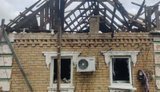 Occupiers attacked Dnipropetrovsk Oblast more than 40 times: one person killed, 10 injured On Monday, 8 June, Russian occupiers attacked four districts of Dnipropetrovsk Oblast more than 40 times. One person was killed, and others were injured. 463 0 Previously in trend: Shelling of the Dnipropetrovsk region
 Russian forces attacked Pavlohrad district: two petrol stations hit, man injured. PHOTO On the afternoon of 8 June 2026, Russian forces launched strikes on the Pavlohrad district of the Dnipropetrovsk region. 920 1 Previously in trend: Shelling of the Dnipropetrovsk region
 Night in Dnipropetrovsk region: enemy struck four districts, leaving people injured and causing extensive damage. PHOTOS The Russians attacked four districts in the Dnipropetrovsk region around 40 times yesterday evening and overnight! 627 0 Previously in trend: Shelling of the Dnipropetrovsk region
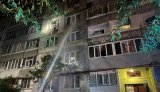 Russians attacked five districts in Dnipropetrovsk region: there are casualties (updated). PHOTOS The enemy has attacked the region more than 20 times using drones, artillery, and aerial bombs. Pavlohrad, Dnipro, the Nikopol and Synelnykove districts, and the Kryvyi Rih district have come under attack. 887 0 Previously in trend: Shelling of the Dnipropetrovsk region
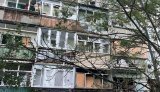 Enemy launched massive attack on four districts of Dnipropetrovsk region: there are casualties and destruction. PHOTO The enemy has attacked four districts in the Dnipropetrovsk region nearly 20 times using drones and artillery. Two people have been injured. 1 229 0 Previously in trend: Shelling of the Dnipropetrovsk region
Page 1 of 4
more news