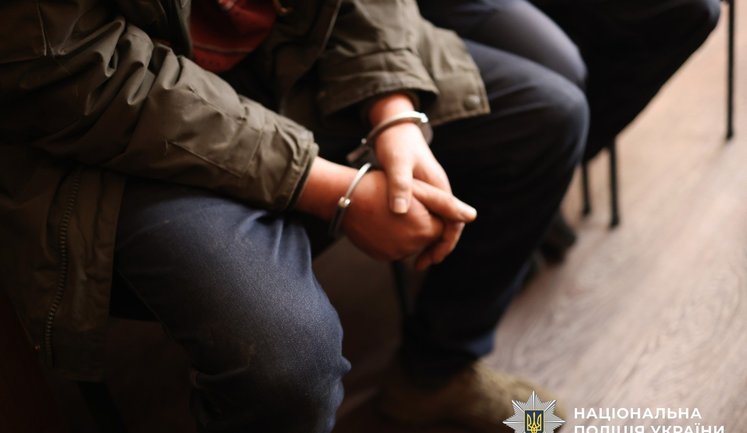
In 2026, Ukraine has seen an alarming rise in assaults on Territorial Centers for Recruitment and Social Support (TCR). From stabbings to organized attacks, servicemen are increasingly targeted. Recent incidents in Bukovyna and Yavoriv involved armed assailants, leading to multiple arrests. Despite government efforts to curb violence, these attacks underscore the volatile environment surrounding military recruitment. This escalation not only jeopardizes personnel safety but also challenges the overall recruitment and mobilization process. Authorities emphasize the need for strengthened security and revised mobilization strategies to prevent further violence and protect servicemen.
What are the recent trends in assaults on TCR in Ukraine?
In 2026, there has been a noticeable increase in assaults on Territorial Centers for Recruitment (TCR) in Ukraine. These incidents involve various forms of violence, including knife attacks and organized group assaults, highlighting the growing aggression towards military personnel.
What measures are authorities taking to address TCR assaults?
Authorities in Ukraine are actively investigating these incidents and have made several arrests. They recognize the critical need for improved security at recruitment centers and are considering changes to the mobilization process to address these violent disruptions.
How do these assaults impact Ukraine's military recruitment?
The assaults have significant implications for military recruitment efforts in Ukraine. They create a hazardous environment for both the servicemen and the general public, potentially deterring enlistment and affecting morale among troops tasked with recruitment duties.
What is the public response to the increasing assaults on TCR in Ukraine?
The Ukrainian public remains deeply concerned about the safety of military personnel amid these growing assaults. Citizens express unease over the security of recruitment centers and the overall stability it implies for national defense efforts.
What are the main reasons behind these TCR assaults in Ukraine?
These assaults appear to be driven by a complex mix of social and political tensions within Ukraine. The volatile environment, stemming from ongoing conflicts and opposition to compulsory military service, fuels these aggressive acts against military personnel.
How are recruitment center attacks linked to broader security issues in Ukraine?
The attacks on recruitment centers are reflective of broader security issues in Ukraine, where ongoing military conflicts and internal unrest contribute to heightened instability and aggression directed at state institutions and representatives.