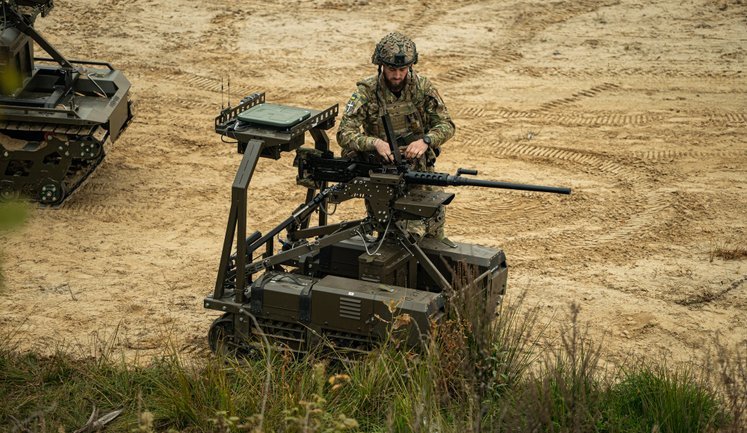
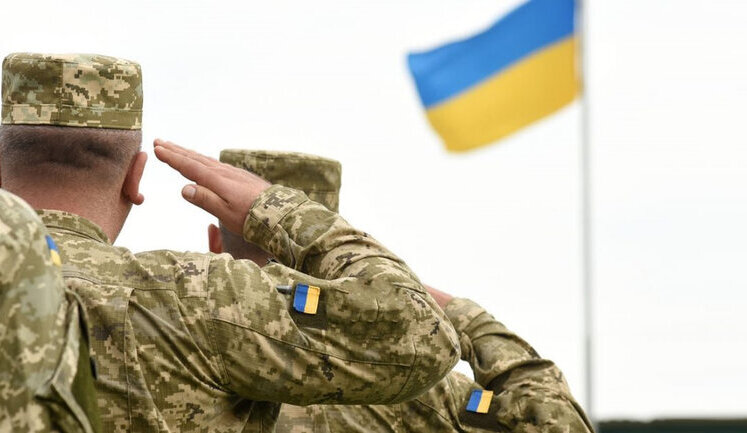
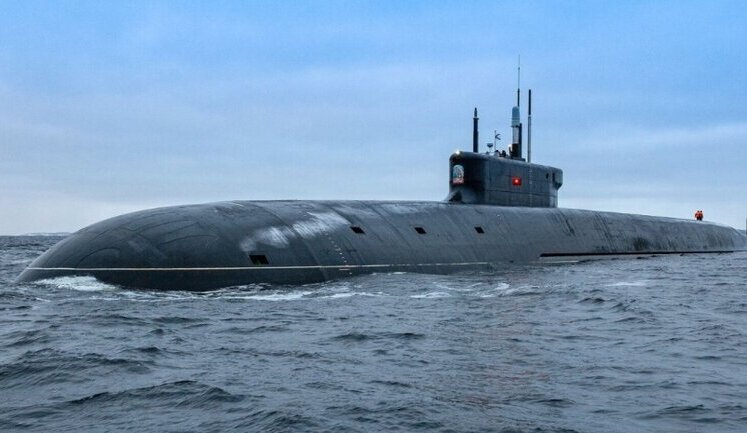
NATO plays a crucial role in maintaining international security, particularly with ongoing geopolitical tensions. The implementation of NATO standards for defense-tech businesses highlights the Alliance's emphasis on quality assurance. Notably, challenges such as the potential of a Russian attack have been acknowledged by key figures, underscoring the importance of defensive preparedness. Additionally, discussions about a potential U.S. withdrawal from NATO have raised concerns, prompting European countries to explore independent security plans. As the Alliance adapts to changing global dynamics, NATO's commitment to collective defense and security remains paramount.
What is the significance of NATO standards in defense-tech?
NATO standards, such as the Allied Quality Assurance Publications (AQAP), are vital for ensuring that defense-tech companies meet high-quality requirements for international operations. These standards help unify member countries’ defense practices, enhancing interoperability and overall effectiveness. Observing these standards can improve credibility and the integration process for companies within the defense sector.
How might a U.S. withdrawal affect NATO?
A potential U.S. withdrawal from NATO could significantly impact the Alliance's financial and military resources, requiring European countries to bolster their defense capabilities independently. This scenario might lead to increased defense spending in Europe and the development of new strategic partnerships. The U.S. exit could also signal shifts in global security dynamics, influencing NATO's cohesion and strategic priorities.
Why might Russia pose a threat to NATO countries?
Russia's military actions and rhetoric have been viewed as aggressive and expansionist, which could threaten NATO territories. Concerns about hybrid warfare tactics, cyber attacks, and potential incursions onto NATO soil underline the importance of vigilance and readiness among member states. NATO's collective defense principle ensures that an attack on one member is regarded as an attack on all, solidifying mutual defense commitments.
How does NATO coordinate support for Ukraine?
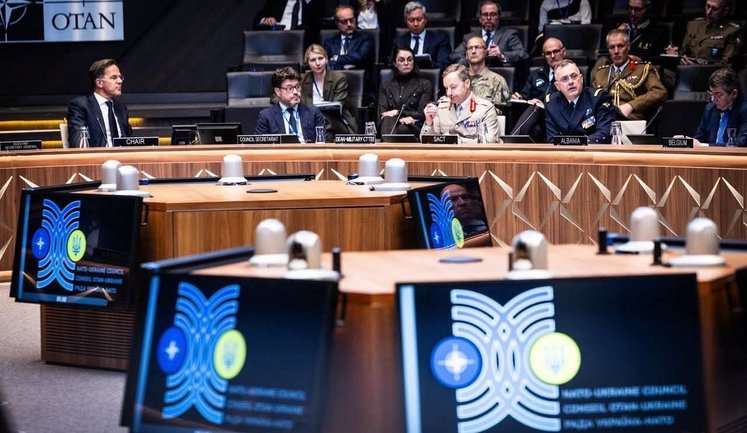
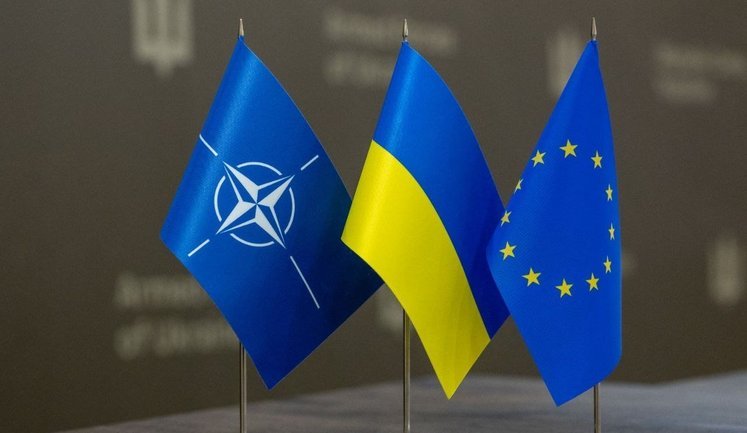
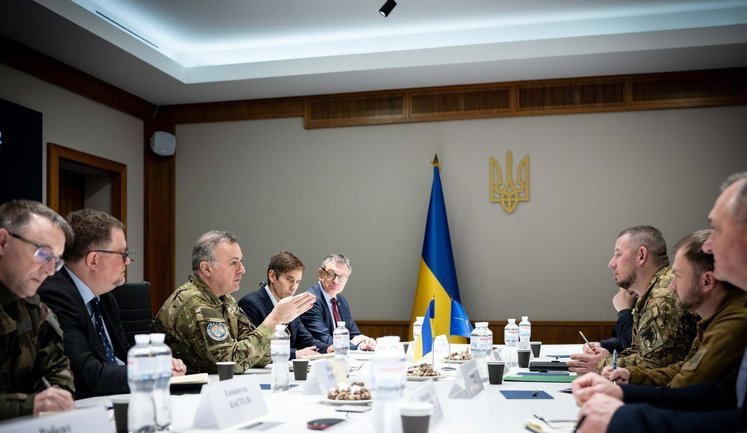
NATO coordinates support for Ukraine by collaborating with the European Union on areas such as air defense and logistics. This partnership reflects a joint effort to strengthen Ukraine's defense capabilities amid ongoing conflicts. By pooling resources and expertise, NATO and the EU aim to address security challenges in the region effectively, showcasing a united front against external threats to European stability.
What are European alternatives to NATO's security guarantees?
In light of potential shifts in U.S. support, European countries are exploring alternatives to NATO's security guarantees, such as enhancing EU defense mechanisms and forging new alliances. These measures aim to strengthen regional security and resilience against external threats. By diversifying their defense strategies, European nations work towards maintaining autonomy and stability within the broader geopolitical landscape.