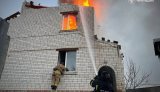
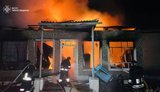
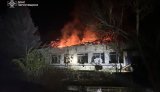
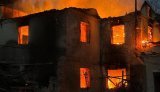
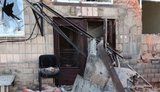
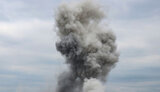
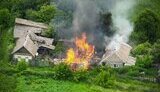
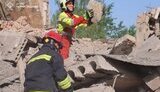
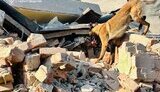
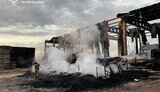
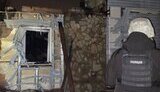
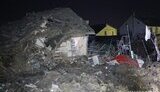
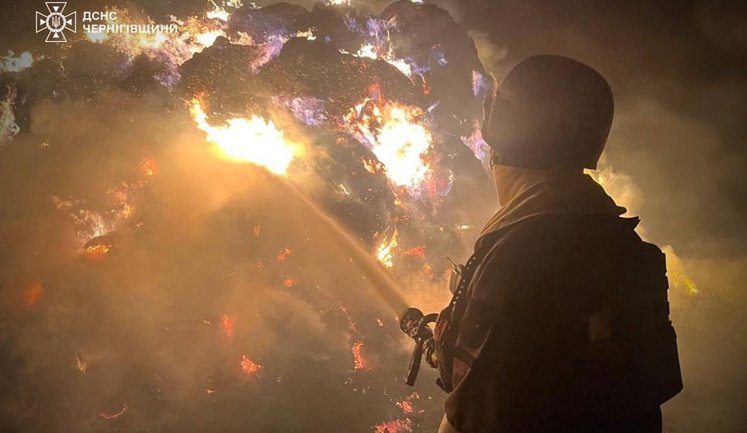
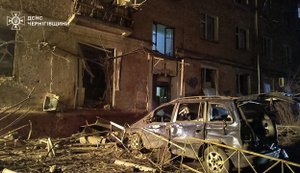
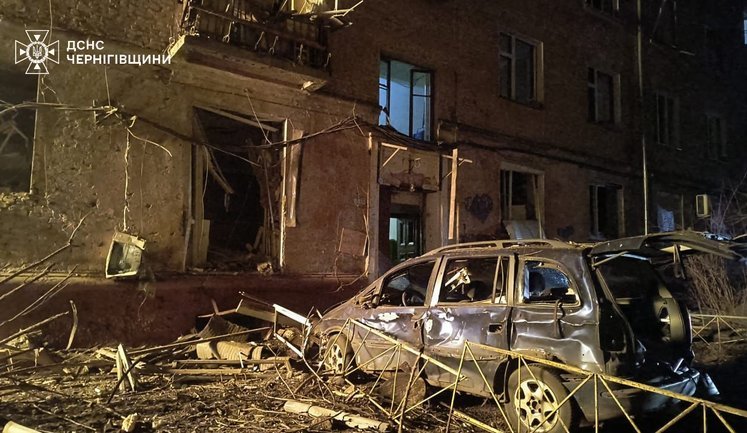
The Chernihiv region, including Chernihivskyy district and Chernihivska region in Ukraine, is currently enduring significant adversities due to relentless attacks by Russian forces. Recently, 26 settlements in the region were severely affected by enemy shelling, causing extensive damage to residential areas, businesses, and critical infrastructure. Russian drones, notably the Shahed and Geran, have consistently targeted the region, leading to injuries and even fatalities among civilians. The attacks have not only damaged essential services but also left thousands without power or water supply, prompting urgent restoration efforts by local authorities. As the war in Ukraine persists, the situation in Chernihiv remains dire, with continuous support being provided by the European Union and Ukrainian authorities to weather these challenging times.
What has been the impact of the Russian attacks on Chernihiv's infrastructure?
The Russian attacks have significantly impacted Chernihiv's infrastructure, causing damage to power facilities, leading to widespread power outages and communication issues. Schools and hospitals have faced disruptions, necessitating remote learning and the use of backup power sources. Restoration efforts are underway to mitigate the impact.
How many settlements were affected in the latest shelling of Chernihiv region?
In the latest shelling of Chernihiv region, 26 settlements were affected. The extensive damage has left residential properties in ruin, businesses burned, and essential services disrupted, highlighting the severity of the situation in the region.
Are there any casualties reported from the recent drone attacks in Chernihiv?
Yes, there have been casualties reported following the recent drone attacks in Chernihiv. Several individuals have sustained injuries, with some cases being critical due to the intensity of the attacks. Efforts to provide medical aid and support to the injured are ongoing.
What measures are being taken to protect Chernihiv from further drone attacks?
The Chernihiv Regional Military Administration is enhancing its air defense capabilities to better protect the region against persistent drone attacks. Collaborative efforts with national defense forces and international support aim to bolster security and reduce the frequency and impact of these attacks.
How is the international community supporting Chernihiv during these attacks?
The international community, including the European Union, is providing crucial support to Chernihiv during these challenging times. Assistance includes the implementation of winter aid programs, restoration of disrupted services, and diplomatic efforts to pressure Russia to cease its aggressive actions against Ukraine.
Has Chernihiv received any support in restoring its power supply after attacks?
Chernihiv has received considerable support in restoring its power supply following repeated Russian attacks. Local authorities, with international assistance, have been working diligently to reinstall damaged infrastructure and ensure continuous energy supply to affected areas of the region.
What are the long-term implications of the continued attacks on Chernihiv?
The continued attacks on Chernihiv have long-term implications including economic destabilization, hindered development, and increased humanitarian needs. The persistent threat not only affects physical infrastructure but also impacts the mental wellbeing and resilience of its residents.
Are educational institutions in Chernihiv operational amidst these attacks?
Educational institutions in Chernihiv have faced disruptions due to recent attacks, leading to periods of closure and the transition to remote learning solutions designed to ensure educational continuity despite challenging circumstances. School authorities are actively working to adapt to the ongoing situation.
What has been the response of Ukrainian authorities to the attacks on Chernihiv?
Ukrainian authorities have been actively responding to the attacks on Chernihiv by strengthening regional defenses, coordinating humanitarian aid, facilitating infrastructure repair, and working with international partners to address the needs and ensure safety for the affected population.