ENG




6513 visitors online
Ukrainian medics are continuously navigating the harsh realities of war, with many facing criticism for involvement in corruption schemes, such as selling fake diagnoses to soldiers. However, their dedication is also undeniable, exemplified by neurosurgeon Dmytro Kubryak's life-saving surgery under fire, and the tragic loss of doctors like Roman Moskalenko in Russian attacks. President Zelenskyy honors these heroes with state awards, acknowledging their resilience. Despite various challenges, including upcoming physician shortages by 2030, Ukrainian medics are vital amidst the conflict, supporting the frontlines and helping retain national stability.
What challenges are Ukrainian medics facing during the war?
Ukrainian medics face numerous challenges amidst the ongoing war, including threats from Russian attacks, corruption scandals involving fake disability reports for soldiers, and the looming threat of physician shortages by 2030. Despite these issues, many continue to demonstrate resilience and heroism, such as performing critical surgeries under life-threatening circumstances.
How have Russian attacks affected medical personnel in Ukraine?
Russian missile strikes have had devastating impacts on medical personnel, resulting in casualties such as neurologist Roman Moskalenko and others. Attacks on medical facilities further increase risks for healthcare professionals as they continue their medical missions despite constant dangers. Their sacrifice highlights the vulnerability of those in conflict zones.
How is corruption affecting the healthcare system in Ukraine?
Corruption within Ukraine's healthcare is a significant issue, with reports of doctors issuing fraudulent medical certificates for bribes, allowing draft-dodging through fake disability statuses. Such activities undermine trust in the medical profession, yet are actively targeted by national authorities seeking to uphold integrity and accountability in medical services.
What steps have been taken to combat corruption among medics in Ukraine?
The Ukrainian government, aided by law enforcement and internal investigations, is actively combating medical corruption, exposing and prosecuting doctors involved in fraudulent schemes. This includes the exposure of doctors within the military medical commissions implicated in bribery, which is critical for maintaining integrity within the conscription process and healthcare system.
How are Ukrainian medics contributing to the war effort?
Ukrainian medics are integral to the war effort, providing crucial care on the frontlines and beyond. From performing surgeries in war settings to vital psychological and rehabilitation support, these medics exemplify the resilience and dedication needed to protect lives amidst the violence and chaos of warfare, ensuring continued defense efforts.
What recognition have Ukrainian medics received for their service?
Ukrainian medics have been nationally acknowledged for their bravery and service, receiving state awards from President Zelenskyy and widespread public support. Their work under extreme pressure and danger demonstrates exceptional commitment to their duties, earning admiration and respect across the nation as they safeguard citizen health during conflict.
What is the future outlook for the medical sector in Ukraine amid conflict?
The future of Ukraine's medical sector faces challenges due to ongoing conflict and predicted doctor shortages by 2030. Initiatives like mandatory psychological care training are essential to bolster medical capacities. However, ongoing warfare and the need for systemic reforms in combating corruption will heavily influence the sector's stability and effectiveness.
In what ways have Ukrainian medics shown heroism?
Ukrainian medics have displayed remarkable heroism during the war, such as aiding wounded soldiers under fire, risking their lives to perform surgeries, and maintaining essential healthcare services despite adversities. These acts highlight the courage and dedication of medical professionals committed to saving lives and supporting national resilience in gravest circumstances.
How has the international community recognized the efforts of Ukrainian medics?
The international community has acknowledged the dedication of Ukrainian medics to frontline medical care under duress, with global media often highlighting their heroics. Recognition comes through awards, publicized reports on their challenges and courage, as well as support from medical organizations aiming to provide aid and resources amidst the ongoing crisis.
News medics
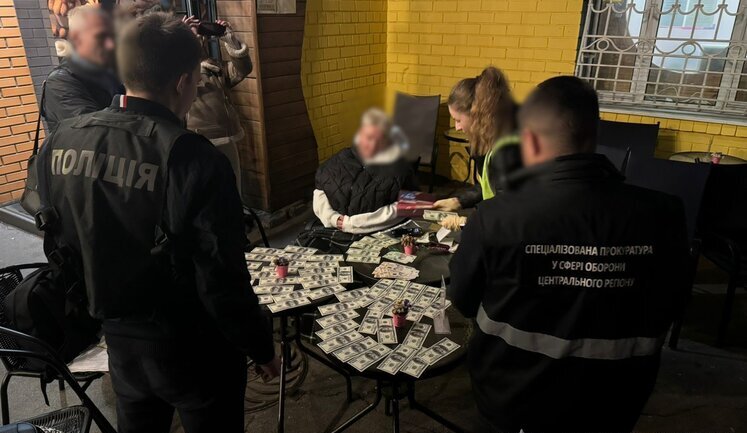
 Nearly 1,000 medical assessments for mobilization deferments: Entire medical commission in Ternopil region notified of suspicion. PHOTOS The head of a district hospital’s medical advisory commission, three other commission members, and two intermediaries have been implicated in a scheme uncovered in the Ternopil region. 5 896 32 Previously in trend: Evasion from mobilization
 Russian drone attacks hospital in Kherson: Four female healthcare workers injured Russian forces attacked the grounds of a hospital in Kherson with a drone, injuring four female healthcare workers. 664 0
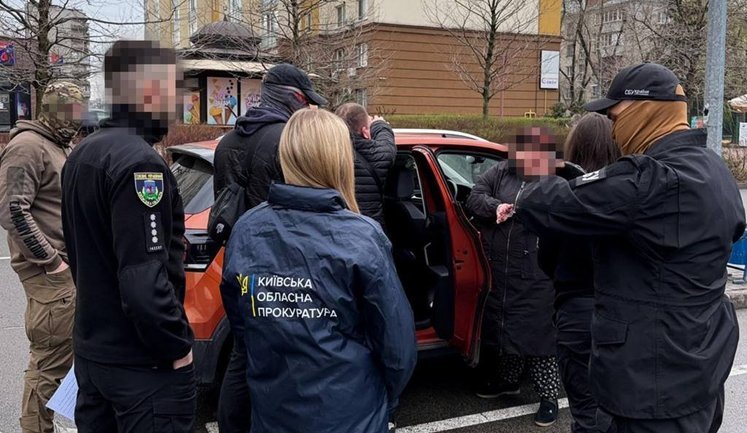
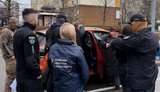 $20,000 for "diagnosis": scheme to influence doctors exposed in Kyiv region. VIDEO+PHOTOS Under the procedural supervision of the Kyiv Regional Prosecutor’s Office, a married couple has been exposed for organizing a scheme to obtain undue benefit in exchange for influencing decisions by officials of medical institutions. 1 603 7
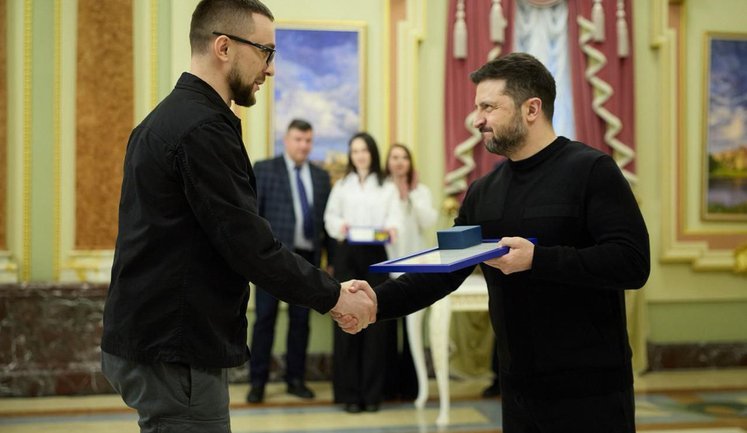
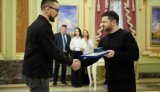 Zelenskyy honoured volunteers, cultural figures and journalists with state awards, including Sternenko. PHOTOS President of Ukraine Volodymyr Zelenskyy presented state awards and Golden Heart honours to Ukrainian volunteers, doctors, educators, scientists, cultural figures, athletes, and journalists. 3 673 50 Previously in trend: Awards for volunteers awards for journalists
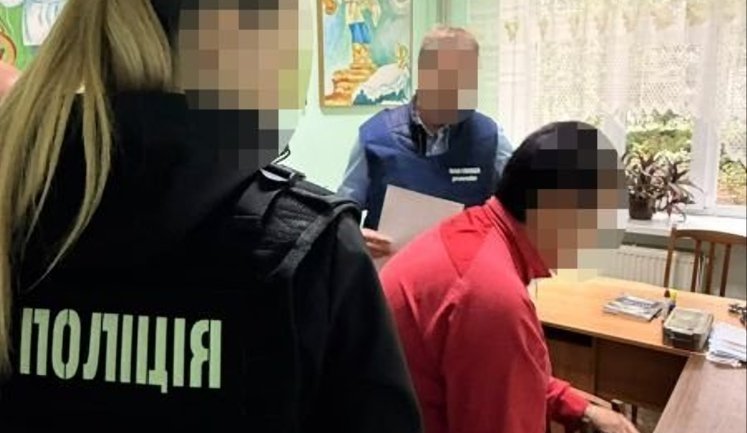
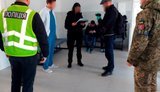 Doctors in Ternopil region exposed for selling fake diagnoses to soldiers for transfer to rear. PHOTO In the Ternopil region, National Police officers in cooperation with military law enforcement officers exposed a group of doctors who promised to provide the "right" diagnosis for a monetary reward, which would allow the military to be transferred to rear units. 1 391 6 Previously in trend: bribe-taking doctors
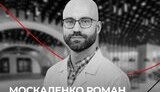 Russian strike on Kyiv: neurologist Roman Moskalenko killed. PHOTOS On July 31, neurologist Roman Moskalenko was killed in a rocket strike on Kyiv. A Russian rocket hit the house where the doctor lived. 6 275 10 Previously in trend: losses of Ukraine
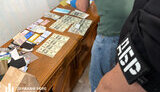 Group of doctors who helped draft dodgers obtain disability status and leave country in exchange for bribes has been exposed – SBI. PHOTOS Investigators of the State Bureau of Investigation (SBI) have detained and served notices of suspicion to three doctors from a Kyiv municipal hospital who profited by arranging illegal departures abroad for men of conscription age. 2 719 5 Previously in trend: Evasion from mobilization
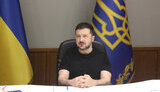 Zelenskyy congratulated doctors on their professional holiday: Thanks to you, life goes on Today, July 27, President of Ukraine Volodymyr Zelenskyy congratulated doctors on their professional holiday. 1 547 31
 Children of Yaroslav Kozlov, physician at University Clinic of Taras Shevchenko National University, were killed in Russian strike on Kyiv As a result of Russia’s massive attack on Kyiv on April 24, a brother and sister — the children of Yaroslav Kozlov, a neurologist at the University Clinic of Taras Shevchenko National University — were killed. Nikita and Sofiia were 21 and 19 years old, accordingly. 6 566 10 Previously in trend: Civilian casualties in Ukraine Missile attack on Kyiv
 Extorted $500 from wounded serviceman for granting disability: traumatologist detained in Kramatorsk. PHOTO In Kramatorsk, a traumatologist who demanded a bribe from a serviceman for assigning a disability group was exposed. 1 885 11 Previously in trend: bribe-taking doctors
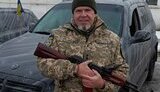 Poet and cardiologist of highest category Volodymyr Volikov (Skif) died in battle for Ukraine. PHOTO A combat medic, cardiologist of the highest category, poet Volodymyr Volikov died in the war. 15 391 51 Previously in trend: losses of Ukraine Volodymyr Volikov died
 4500 USD for discharge from military service: doctor who extorted money from soldier detained in Odesa – National Police. PHOTOS The National Police, together with investigators from the Main Directorate of the National Police in the Odesa region, exposed a 48-year-old neurologist who attempted to profit from a serviceman. 1 790 10
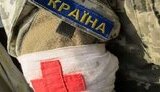 Medics removed from exemption will be enlisted in Armed Forces under 1-year contract – Liashko Medics removed from exemption will be drafted into the Armed Forces under a one-year contract and will serve only in medical positions. 3 826 12
 In 2025, all doctors should undergo training in psychological care - Zelenska This year, all healthcare workers in Ukraine will undergo mandatory training in the provision of psychological health services under the WHO mhGAP program. 2 944 35
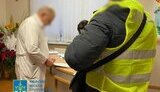 Seven members of criminal group who issued "white tickets" to evaders to be tried - prosecutor’s office. PHOTOS A group of healthcare workers, intermediaries and men liable for military service who were helped to obtain documents declaring them unfit for military service for USD 5-8 thousand will be tried in Kyiv. 16 302 9
 Death of 2-year-old child during dental procedure in Ternopil: doctor is served with notice of suspicion. PHOTO Under the procedural supervision of the Ternopil District Prosecutor's Office, the doctor was served a notice of suspicion of improper performance of her professional duties. A child died during dental treatment. 5 973 7
 Family of Khmelnytskyi MSEC doctor Kindzerska owns real estate in Ukraine and Croatia - media. PHOTO The journalists found property of Alla Kindzerska, a doctor from the Khmelnytskyi MSEC, and her family that far exceeded her official income. 11 526 31 Previously in trend: Fighting corruption in Ukraine
 $10 thousand for fictitious medical report: SSU exposes MSEC officials, MMC doctors on bribe. PHOTOS The Security Service of Ukraine and investigators of the National Police have eliminated new schemes of mobilization evasion that operated in Kropyvnytskyi, Dnipropetrovsk and Kharkiv regions. 4 411 2
 18 patients are partially or completely blind: 4 ophthalmologists to be tried in Ternopil region. PHOTOS Three doctors and the head of the ophthalmology department of a district hospital will be tried in Ternopil region for partially or completely blinded 18 patients. 15 740 67
 Fake disability scheme: four more doctors from Rivne are suspected. PHOTOS Under the procedural supervision of the Rivne Regional Prosecutor's Office, 4 doctors were served a notice of suspicion of forgery of documents by a group of persons (Article 366(1), Article 358(3) of the Criminal Code of Ukraine). 3 729 10
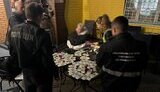 They extorted $5000 from combat veteran for establishing his disability at MSEC: Doctor and serviceman exposed in Kyiv. VIDEO&PHOTOS. VIDEO&PHOTOS A doctor of a Kyiv medical institution, together with her accomplice, a serviceman, extorted illegal benefits from a veteran combatant who was enrolled in the reserve due to injuries at the front, including in Bakhmut. 18 485 18
 Corruption in the Odesa Regional MSEC: Organising doctor sent to custody for 2 months. PHOTO The court imposed a pre-trial restraint in the form of detention for two months on the doctor who organised the scheme to establish fictitious disability for conscripts in the Odesa Regional MSEC. 2 915 14
 In Odesa, doctor, together with officials of MSEC, earned money on establishing fictitious disability for servicemen: more than $80 thousand in cash was seized. PHOTOS SBI officers exposed an organised group of doctors who helped healthy men of conscription age obtain medical documents that allowed the MSEC to declare them unfit for service. Law enforcement officers detained the doctor who organised the criminal scheme. 3 875 14
 Son of Vinnytsia MSEC doctor Vlasiuk, whose 13 apartments and three Teslas were found, works as Zelenskyy’s advisor - journalist Nikolov Vladyslav Vlasyuk, the son of Vinnytsia forensic doctor Viktor Vlasiuk, whose 13 apartments and three Tesla cars were found by journalists, works as an advisor to President Volodymyr Zelenskyy on sanctions policy. Viktor Vlasiuk, a doctor at the Vinnytsia MSEC, also has a joint company, Solar... 244 159 237
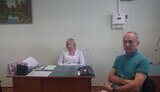 Vinnytsia MSEC doctor Vlasiuk bought 13 apartments and three Teslas. He issued luxury property in center of Kyiv for his retired wife, media reports In Vinnytsia, Viktor Vlasiuk, a therapist at the city's Medical Service of Ukraine, owns 13 apartments, including a 260-square-metre luxury property in the centre of Kyiv, together with his retired wife. His boss, Yulia Danylenko, head of the MSEC, has purchased several apartments, 25 land plots... 45 761 144
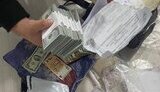 UAH 4.4 million was found in possession of Zhytomyr doctor who helped evaders with fake diagnoses - National Police. PHOTO Law enforcement officers searched the house of a doctor at one of diagnostic centres in Zhytomyr, who is suspected of involvement in a scheme to evade mobilisation of persons liable for military service. During the search, UAH 4.4 million was found and seized from her. 14 377 72
 Humanitarian organization Médecins Sans Frontières announces suspension of activities in Russia The humanitarian medical organization Médecins Sans Frontières (MSF) has announced the suspension of its activities in Russia. 1 965 5
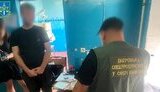 MMC doctor in Dnipropetrovsk region demanded UAH 20 thousand bribe for changing fitness for service category - prosecutor’s office. PHOTO In Dnipro region, a doctor of the military medical examination board was detained for demanding a bribe from a serviceman for changing the fitness for service category. 6 057 12 Previously in trend: Grafters
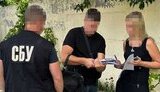 SSU: Head of medical commission in Poltava provided fictitious disability for bribes for deferment from mobilization. PHOTO The SSU eliminated a corruption scheme organised by the head of the inter-district medical and social expert commission in Bakhmut. The official acted in collusion with her accomplices - doctors from medical institutions of several regions. After the start of the full-scale invasion, the medical... 6 798 19 Previously in trend: Grafters
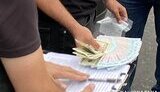 In Zhytomyr region, doctor of MMC demanded $1500 from wounded soldier for confirmation of disability - National Police In Zhytomyr region, law enforcement officers detained a doctor of the MMC (Military Medical Commission) on bribery, who extorted money from a wounded soldier for assigning a disability group. 4 292 20 Previously in trend: Grafters
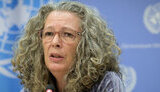 On average, one school or hospital is damaged or destroyed every day in Ukraine as result of hostilities - UN Coordinator Brown As a result of the hostilities, an average of one school, hospital or clinic is damaged or destroyed every day in Ukraine. 751 2 Previously in trend: War
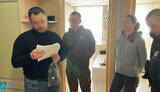 Odesa doctors who made false diagnoses for draft dodgers to be tried. PHOTOS At the Primary Health Care Center in Odesa, the head of the outpatient clinic, involving a doctor and two nurses, put in place a system for producing documents that allowed people to evade military service and go abroad. 20 episodes were documented. 4 694 16
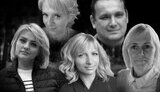 Missile attack on Adonis clinic in Kyiv: Russia kills five medical workers. PHOTOS A repeated attack by the Russian occupiers on the Kyiv medical institution Adonis on 8 July claimed the lives of 5 medical workers. 18 261 20 Previously in trend: War
 As result of a Russian missile strike on clinic in Kyiv, Doctor Svitlana Poplavska was killed. PHOTO An enemy missile attack on Kyiv on 8 July claimed the life of obstetrician Svitlana Poplavska. 13 657 7
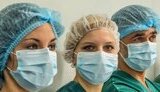 By 2030, Ukraine will face global shortage of doctors - Liashko Ukraine predicts a global shortage of doctors by 2030. 3 555 18
 Unfit for duty for $10 thousand: TCC employee and dentist exposed in corruption scheme in Khmelnytskyi region - National Police. PHOTO In Khmelnytskyi region, law enforcement officers neutralised a corruption scheme involving an official of the territorial centre for recruitment and social support and a dentist of a private clinic. Both suspects were served a notice of suspicion. 4 878 9 Previously in trend: Fighting corruption in Ukraine
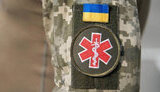 Mobilized medics can obtain officer’s rank after 40 days of retraining - Ministry of Defence The Ministry of Defence is introducing a new training system for mobilized medics. After 40 days of training, they have the opportunity to be promoted to officer. 6 487 37 Previously in trend: War
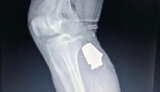 Doctors remove part of VOG-17 grenade from wounded soldier’s leg. PHOTO Doctors removed a part of the explosive element from a VOG-17 (grenade launcher fragmentation round) grenade from the wounded soldier’s shin-bone. 8 091 5 Previously in trend: War
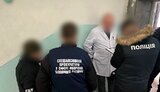 Khmelnytskyi MMC doctor demanded $5,000 bribe from sick soldier for confirmation of diagnosis - prosecutor’s office. PHOTO Law enforcers detained a member of the garrison hospital military medical commission in Khmelnytskyi region for taking a bribe. 5 358 37 Previously in trend: Grafters
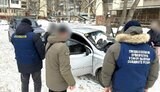 Four thousand dollars for diagnosis for deferment from mobilization - nurse was detained in Chernivtsi. PHOTOS In Chernivtsi, law enforcement officers detained a nurse who promised to diagnose a patient in exchange for $4,000 to obtain a deferment from mobilization. 6 389 28
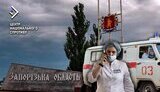 Russians brought doctors from Karelia to occupied territories of Zaporizhzhia - National Resistance Centre The Russians brought medical teams from Karelia to the temporarily occupied territories of Zaporizhzhia region to serve the Russian military. 2 431 14
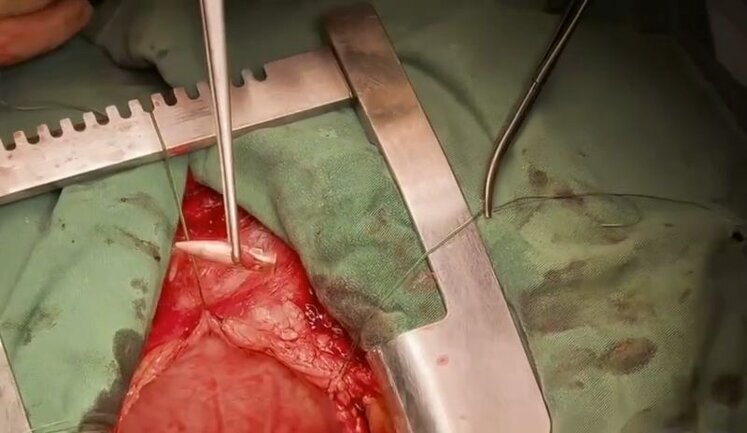
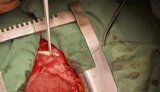 Cardiac surgeon removed bullet from wounded soldier’s heart. VIDEO 18+ A video was posted online showing a cardiac surgeon removing an enemy bullet from a wounded soldier’s heart. 14 909 40 Previously in trend: War
 Russians brought group of 30 medics to occupied Mariupol to serve Russian army - National Resistance Centre Civilian hospitals in the temporarily occupied territories continue to be converted into military hospitals to serve the Russian military. 1 471 10
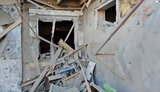 Number of wounded in shelling of Kherson medical facility increases to four Information about the wounded medics as a result of the Russian attack on one of Kherson’s medical facilities is being updated. So far, four people are known to be injured. 648 0
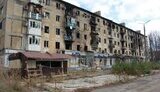 Two doctors and four nurses and more than 1.5 thousand civilians remained in Avdiivka, - head of Municipal Military Administration Barabash Two doctors and four nurses remain in Avdiivka of the Donetsk region. The hospital is constantly under fire. 2 162 10 Previously in trend: Russian aggression against Ukraine
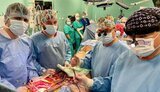 Doctors saved wounded serviceman by removing metal fragment from his heart. PHOTO Doctors at the Amosov National Institute of Cardiovascular Surgery removed a metal fragment from the heart of a wounded Ukrainian defender. 5 965 12 Previously in trend: War
 Doctors from Poland were admitted to Saakashvili, - Morawiecki A team of Polish doctors began a comprehensive medical examination of Mikheil Saakashvili in Tbilisi. 6 445 36
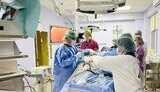 Doctors saved teenager from Bakhmut, who had fragment of projectile stuck near his heart. PHOTOS Lviv doctors were able to save the life of 16-year-old Mykyta from Bakhmut. A three-centimeter fragment of a Russian projectile was lodged in his chest only a few millimeters from the aorta. 5 089 16
Page 1 of 3
more news