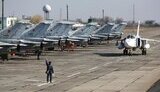
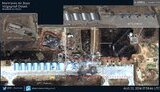
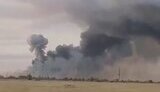
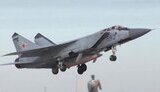
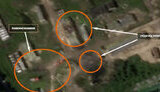
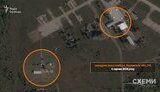
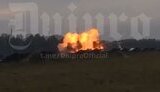
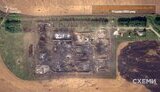
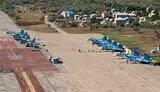
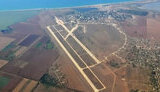
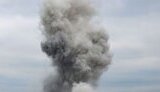
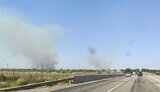
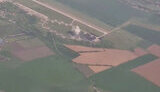
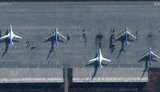
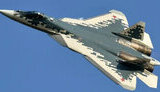
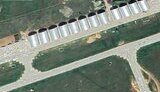
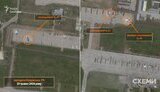
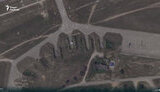
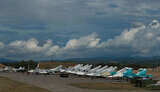
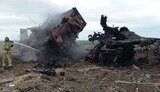
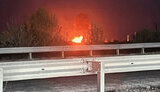
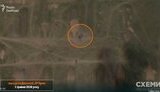
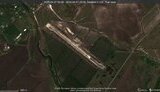
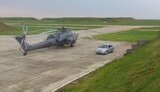
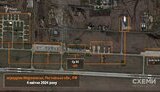
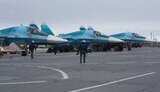
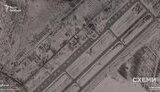
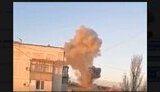
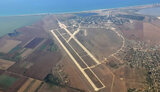
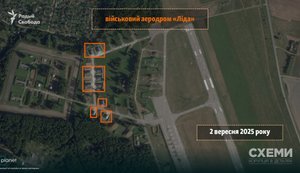
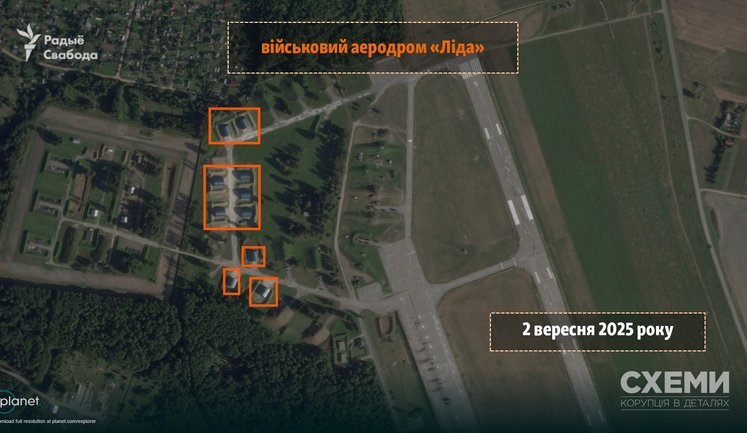
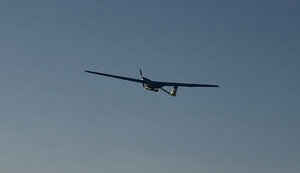
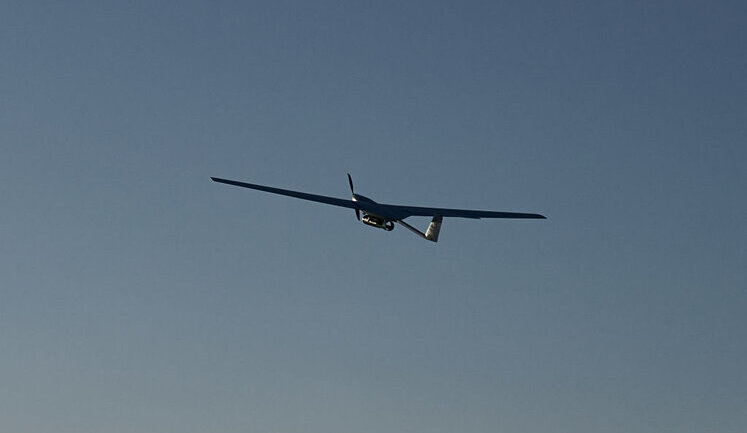
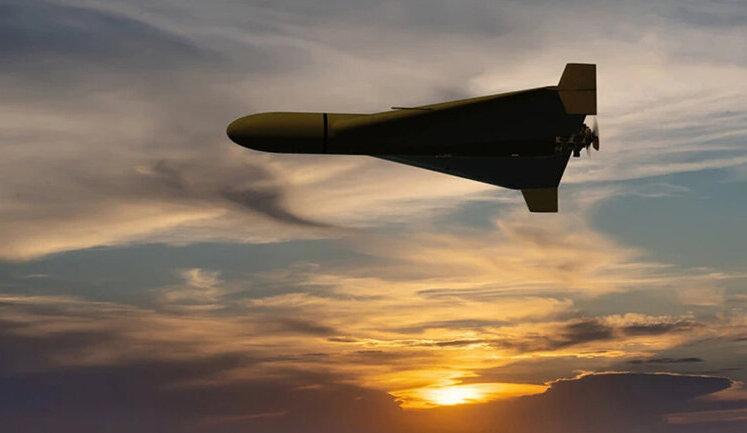
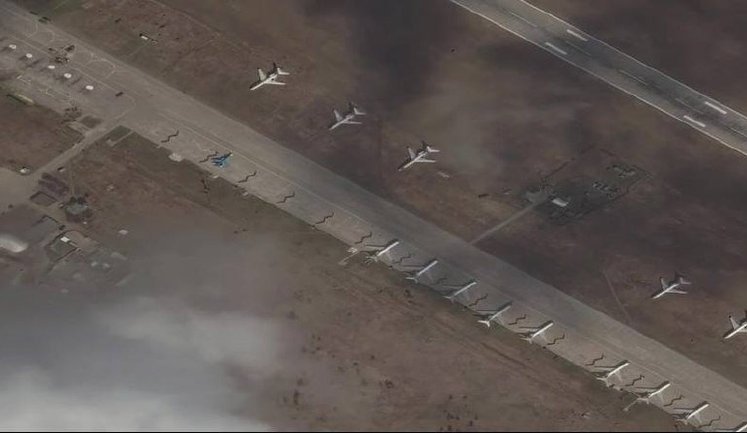
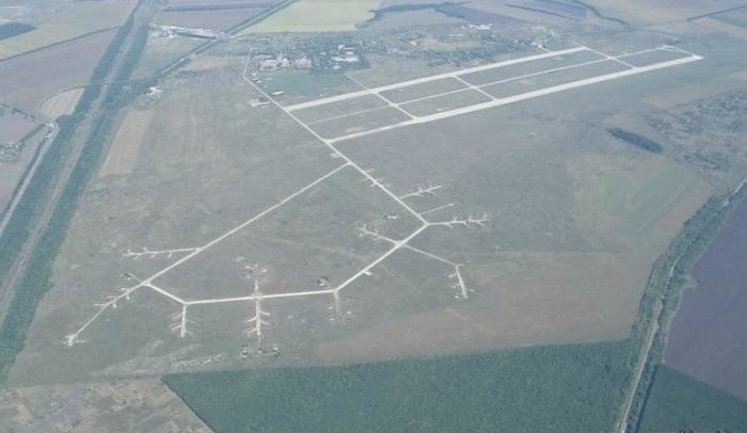
Recent reports highlight escalating drone attacks targeting aerodromes across conflict regions, including Crimea, Russia, and Belarus. The SSU's strategic drone strikes on aerodromes like Belbek in Crimea and Saky in Russia resulted in significant equipment losses, emphasizing drone efficacy in modern warfare. The damage inflicted on airfields signifies ongoing military skirmishes and geopolitical instability. In Belarus, aerodrome modernizations reveal cooperation between regional allies to bolster defenses. As drone warfare becomes increasingly central, these aerodrome incidents encapsulate the evolving dynamics of regional security and military strategizing.
What is the significance of aerodromes in current military conflicts?
Aerodromes serve as pivotal military assets, facilitating the launch and landing of aircraft vital for tactical operations. Their infrastructure supports logistics, supplies, and air superiority, making them crucial targets in conflict regions. Drone strikes on aerodromes disrupt these operations, signaling strategic attempts to weaken opponent capabilities and assert control over airspace—highlighting their significance in modern warfare dynamics.
How have drone strikes impacted aerodromes in recent conflicts?
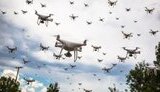
Drone strikes on aerodromes have caused significant disruptions in military activities, often leading to the destruction of valuable equipment and infrastructure. This tactic diminishes military capabilities, as seen in frequent attacks on airbases in Crimea and Russia. The strategic use of drones reflects their effectiveness in weakening enemy logistics and showcases the evolving nature of aerial warfare in geopolitical conflicts.
Why are aerodromes targeted in the Ukraine-Russia conflict?
Aerodromes are targeted in the Ukraine-Russia conflict for their strategic importance in housing aircraft, enabling airstrikes, and supporting logistics. Disabling an opponent's aerodrome hampers their ability to conduct air operations, provides strategic leverage, and serves as a psychological blow. The frequent targeting of these sites underscores their critical role in military strategy and territorial control.
What defense measures are being employed at aerodromes?
To counter drone threats, aerodromes are implementing advanced defensive measures including fortified perimeters, drone jammers, and enhanced surveillance. These strategies aim to detect incoming UAVs, disrupt their guidance systems, and prevent damage. Modernizations in aerodrome defenses reflect an adaptive response to evolving aerial threats, playing a crucial role in maintaining operational integrity and security.
What are the broader implications of aerodrome attacks on global security?
The attacks on aerodromes have broader implications on global security, influencing military strategies and national defense priorities. They highlight vulnerabilities in air infrastructure, prompting a reassessment of defensive capabilities worldwide. Increased reliance on drones in military tactics signals a shift towards more technologically driven warfare, affecting international security policies and bilateral relations amid escalating tensions.