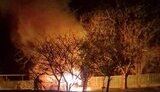
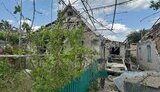
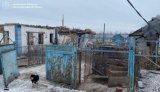
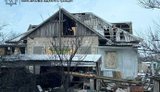
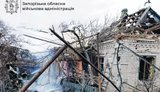
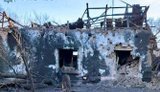
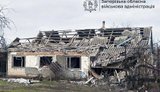
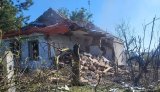
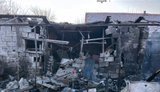
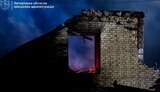
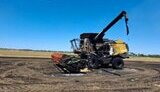
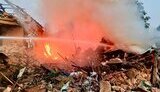
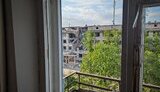
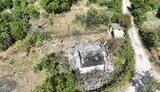
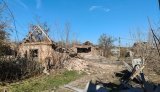
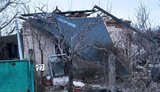
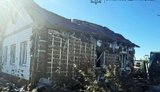
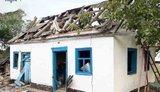
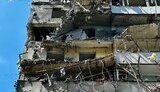
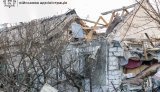
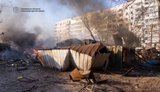
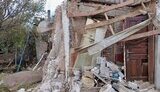
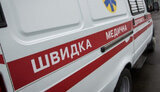
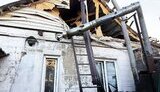
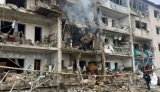
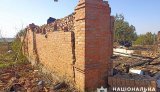
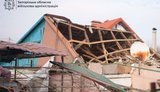
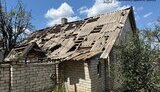
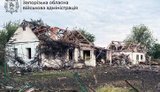
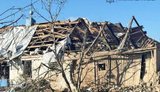
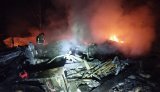
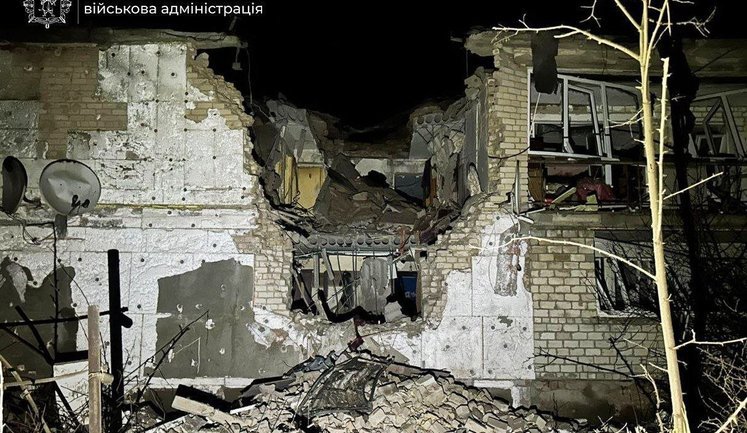
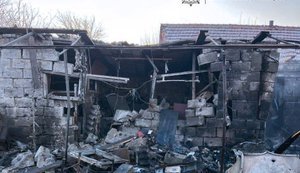
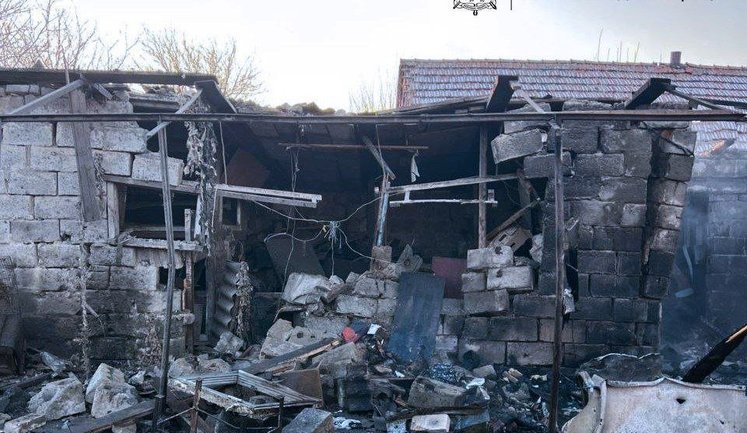
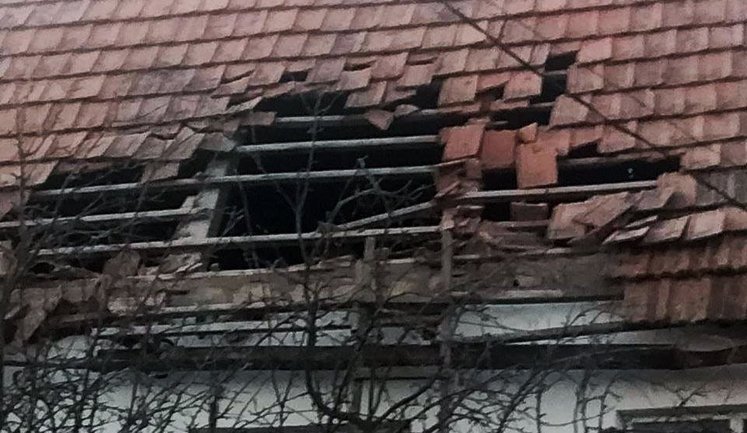
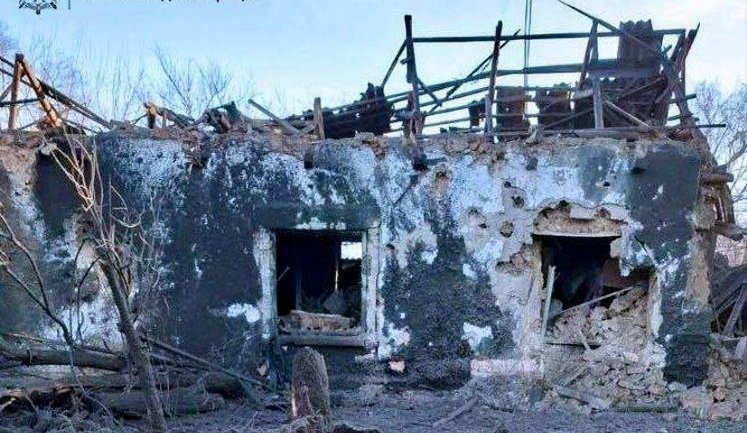
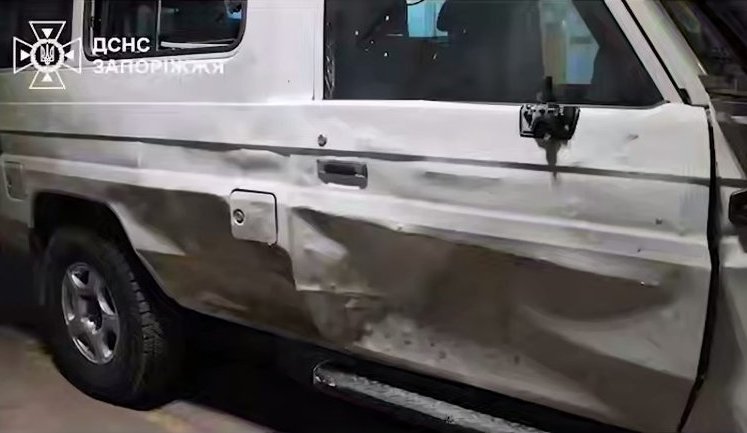
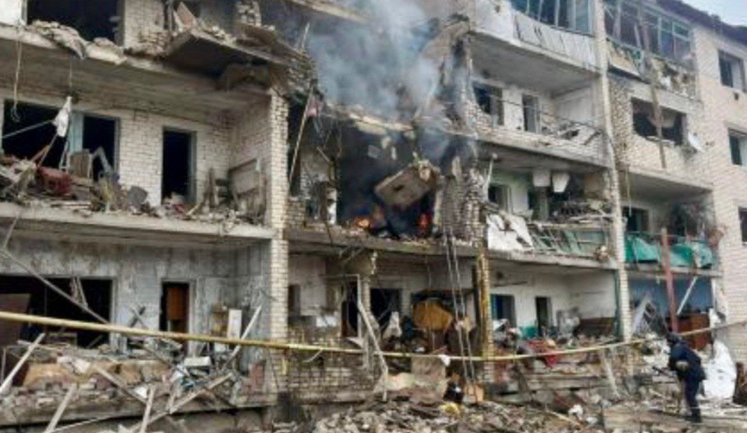
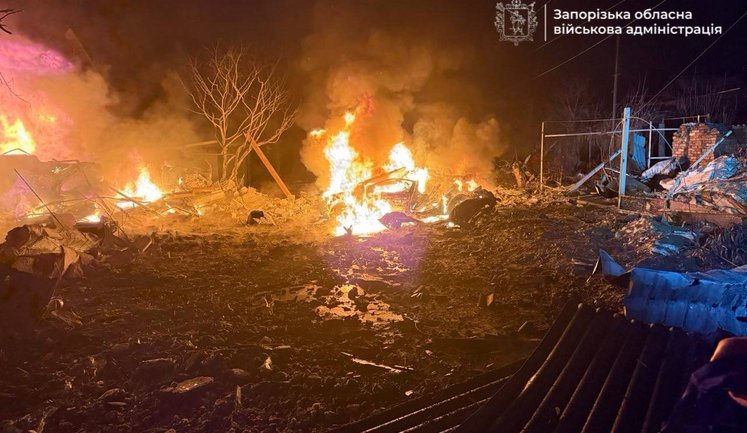
The escalation of Russian shelling in the Zaporizhzhia region has become a focal point of concern. Reports indicate over 1,100 strikes have hit the area within a 24-hour period, marking a significant increase in hostilities. These relentless attacks, targeting more than 40 settlements, have resulted in civilian casualties, with several people wounded and properties extensively damaged. The attacks utilize various military tactics, including missile and drone strikes, exacerbating humanitarian concerns in the region. As the security situation deteriorates, the Zaporizhzhia region faces one of its most challenging periods, affecting civilian life and infrastructure critically. This offensive prompts urgent international dialogue and aid to mitigate further humanitarian impacts.
What is the current situation in the Zaporizhzhia region regarding shelling?
The Zaporizhzhia region is experiencing intensified shelling from Russian forces, with over 1,100 strikes recorded in a span of 24 hours. This has resulted in several civilian casualties and significant infrastructural damage, affecting more than 40 settlements. The escalation has heightened concerns over civilian safety and requires urgent humanitarian interventions.
How many people have been affected by the recent shelling in Zaporizhzhia?
The recent escalation in shelling activities has severely impacted the civilian population in Zaporizhzhia. Thousands have faced direct threats to their safety, with numerous injuries reported. The precise number of those affected varies daily, but the increased frequency of attacks has caused widespread concern among international observers and humanitarian organizations.
Which areas in Zaporizhzhia are most affected by Russian shelling?
The shelling has predominantly targeted key districts within the Zaporizhzhia region, including the main city areas and the Polohy district. Over 40 settlements have been regularly subjected to attacks, leading to a high level of destruction and disruption to daily life.
What types of attacks are being used in the Zaporizhzhia region?
Russian forces are utilizing a range of military tactics in their shelling of Zaporizhzhia. This includes the use of missiles, artillery, UAVs, and guided aerial bombs. Such diverse tactics contribute to the overall strategic military pressure on the region, complicating defense and humanitarian responses.
What has been the international response to the shelling in Zaporizhzhia?
The international response has been one of concern and condemnation regarding the intensified shelling of Zaporizhzhia. Numerous global entities and nations have called for a cessation of hostilities and have emphasized the need for humanitarian aid and potential diplomatic interventions to address the crisis.
How is the escalation in Zaporizhzhia affecting local infrastructure?
The repeated shelling has caused severe damage to essential infrastructure in Zaporizhzhia, including residential buildings, utilities, and public services. The attacks have disrupted electricity and water supplies, impacting thousands of residents and complicating emergency services' ability to respond effectively.
Are there any casualties among civilians due to the shelling in Zaporizhzhia?
Yes, there have been casualties among civilians as a result of the shelling in the Zaporizhzhia region. Numerous reports have documented fatalities and injuries, with victims including both adults and children. The continuous threat of shelling places all residents at risk, emphasizing the urgent need for protective measures.
What measures are being taken to ensure civilian safety in Zaporizhzhia?
Efforts to ensure civilian safety include evacuations, construction of bomb shelters, and the provision of emergency medical aid. Local authorities and humanitarian groups are working to establish safe zones and provide necessary supplies to those displaced by the ongoing conflict.