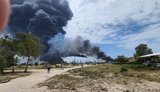
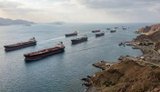
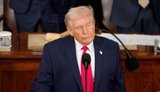
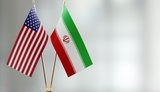
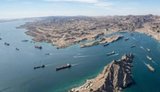
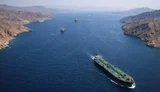
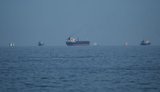
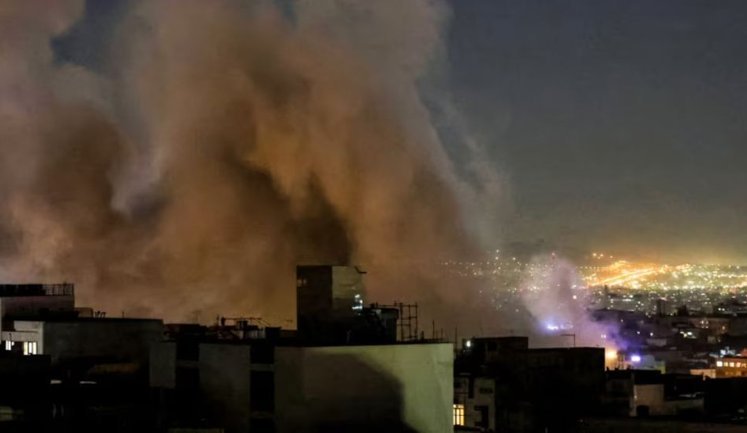
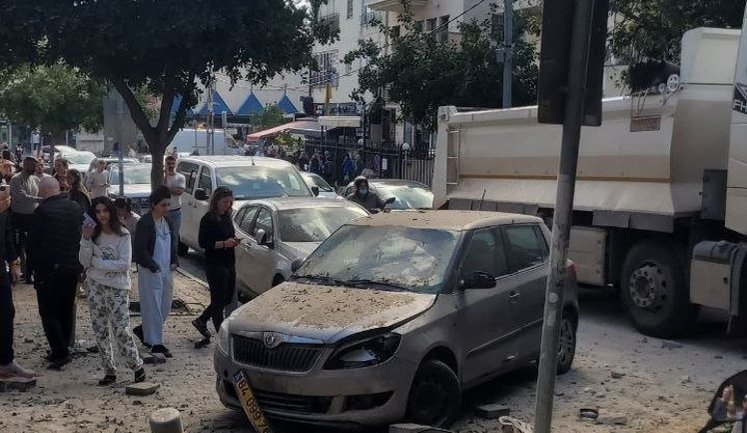
The escalation of US-Iran tensions has led to a complete naval blockade of the Strait of Hormuz, stirring global unrest. President Trump has issued a stern warning to Iran, suggesting that any aggression will result in significant military response. As the US blockade impacts Iranian ports, Tehran claims to have sunk an American ship, though this remains unverified. The EU is grappling with a substantial €22bn increase in energy costs as the Middle East crisis deepens. Diplomatic efforts have yet to produce a resolution, with both US and Iranian delegations meeting in Pakistan. This geopolitical friction has wide-reaching implications, intensifying the global energy crisis.
What is the significance of the Strait of Hormuz in global trade?
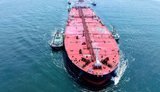
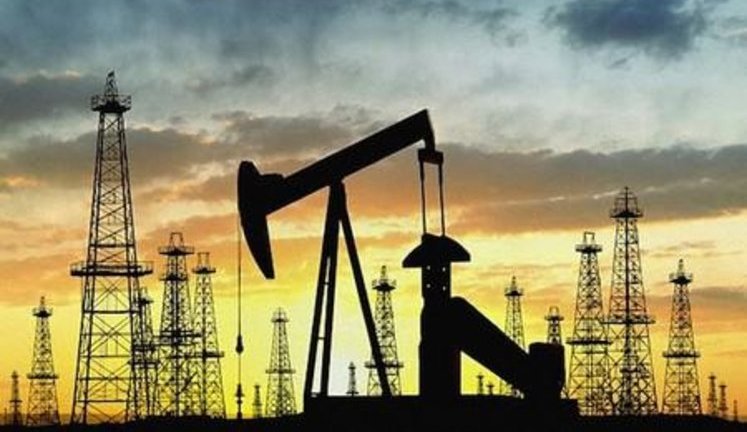
The Strait of Hormuz is a critical waterway in global trade, serving as the conduit for a significant portion of the world's oil. Its closure can disrupt global oil supply, influencing prices and causing economic instability worldwide.
How has the EU been affected by the Iran-US tensions in recent months?
The EU has faced rising energy costs, totaling an additional €22 billion, driven by the disruptions in Middle Eastern oil supplies amid the US-Iran tensions. This has prompted discussions on energy security and strategic reserves within the Union.
What actions has the US taken regarding Iranian maritime activities?
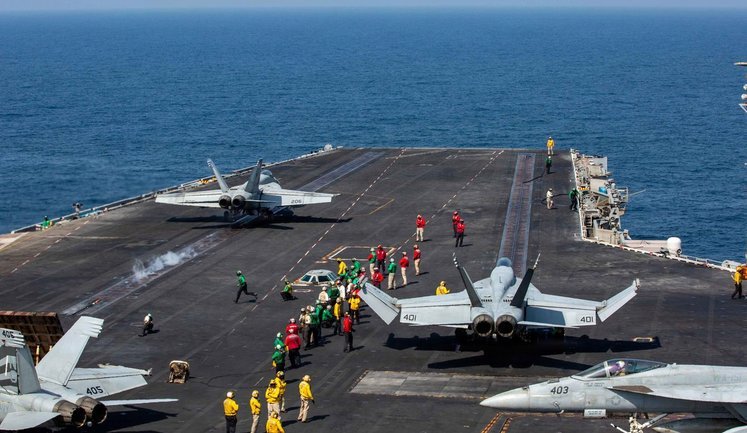
The US has imposed a naval blockade on Iranian ports, restricting passage through the Strait of Hormuz. This action aims to curb Iran’s strategic leverage in the region but increases the risk of military confrontation and economic disruption.
Why has Iran claimed to have destroyed a US ship?
Iran’s claim of sinking a US warship appears to be a retaliatory gesture amid growing regional tensions. It underscores Tehran's defiance against US military pressure and highlights the contentious state of US-Iran relations.
Are there any diplomatic efforts to resolve the Iran-US standoff?
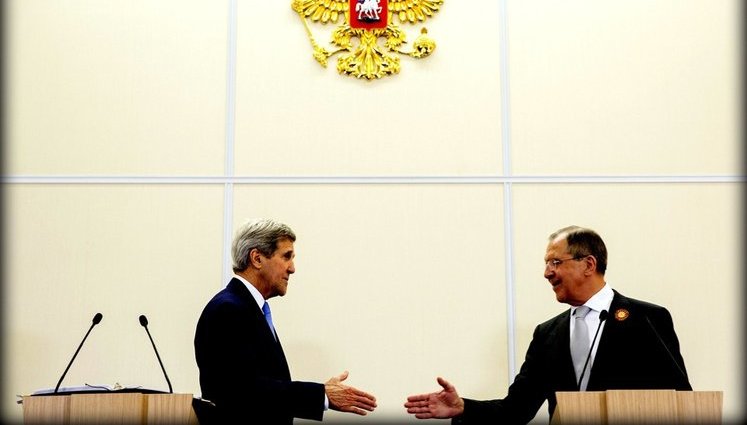
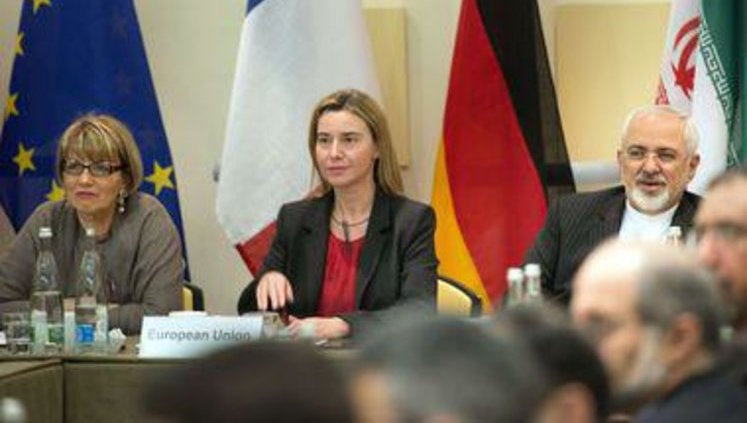
Yes, diplomatic efforts are ongoing, with US and Iranian delegations meeting in Pakistan for peace talks. However, progress remains limited as key strategic and policy differences continue to obstruct the path to resolution and de-escalation.