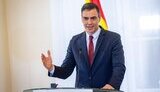
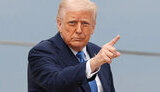
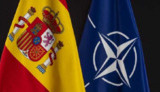
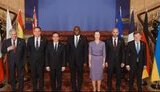
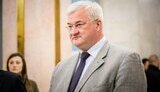
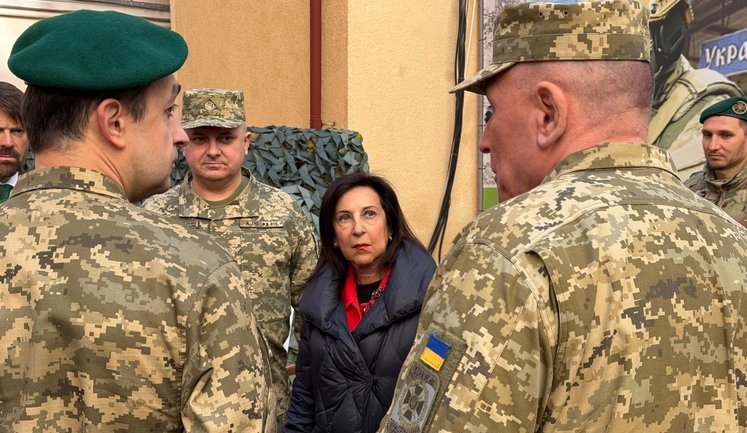
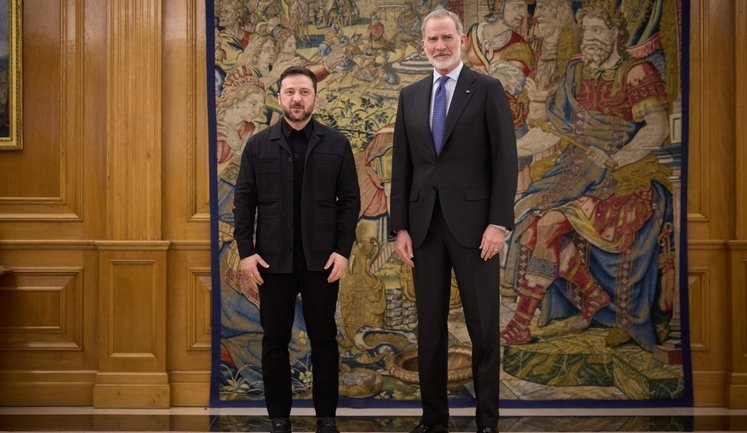
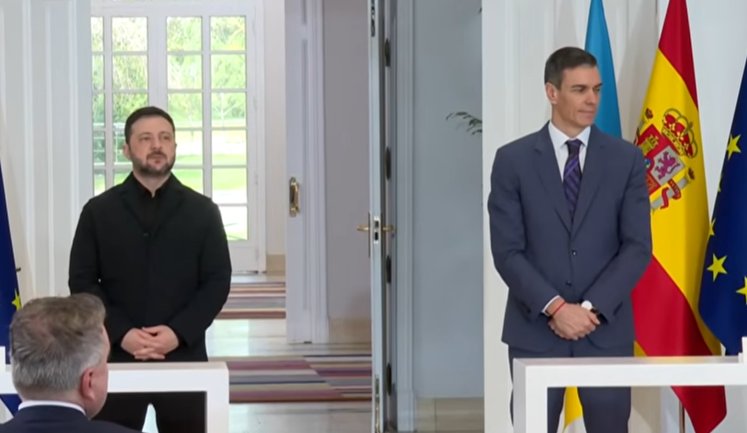
Spain is navigating complex international waters amid ongoing tensions between NATO allies and the United States. Spanish Foreign Minister José Manuel Albares emphasizes the need for effective European security alternatives in response to Trump's threats to withdraw from NATO. This geopolitical strain coincides with Spain's strategic reinforcement of its ties with Ukraine, culminating in a substantial €1 billion military aid package. Meanwhile, on the domestic front, Spanish real estate investments have come under scrutiny with political figures, such as Yurii Koriavchenkv of the "Servant of the People" party, declaring Spanish property holdings, raising questions about transparency and accountability among Ukrainian officials.
Why is Spain seeking alternatives to NATO?
Spain, led by Foreign Minister José Manuel Albares, is exploring new security alliances due to recent U.S. threats to withdraw from NATO. Such measures highlight a pressing need for robust European defense strategies, reducing reliance on traditional transatlantic partnerships. This pursuit reflects broader regional efforts to adapt and respond to potential security vulnerabilities posed by shifting international alliances.
What is Spain's military aid package to Ukraine?
Spain has committed to providing Ukraine with a military aid package worth €1 billion. This support reflects Spain's dedication to bolstering Ukraine's defense capabilities amidst ongoing tensions and conflict. Spain's contribution is part of a broader international effort to assist Ukraine in its security needs and stabilize the European region.
What controversies have arisen regarding property declarations involving Spain?
Controversy surrounds Spanish property declarations involving Ukrainian officials such as Yurii Koriavchenkov. Reports highlight potential transparency and ethical concerns, as public officials are scrutinized for undeclared international real estate which previously went unreported. The situation underscores broader issues of accountability within political leadership, prompting calls for stricter financial reporting standards.
How is Spain's relationship with NATO evolving?
Spain's relationship with NATO is under review as geopolitical dynamics shift. Challenges from U.S. demands for increased defense spending have intensified discussions within Spain regarding its military commitments. Spain seeks to balance its alliance obligations while preserving national strategic priorities, deliberating over increased independent defense initiatives as a proactive measure.
What role is Spain playing in European security initiatives?
Spain actively participates in European security initiatives, notably through significant military support to Ukraine. Spanish fighter jets also contribute to NATO operations, underscoring Spain's commitment to collective defense and maintaining stability in Europe. These actions demonstrate Spain's integral role in supporting both regional defense collaborations and broader NATO strategies.
How have recent events affected Spain-US relations?
Recent military and political tensions, such as Spain's refusal to participate in US-led strikes against Iran and subsequent airspace restrictions, have strained Spain-US relations. Spain's independent foreign policy choices signal a pivot towards prioritizing European security cooperation over compliance with controversial US directives, reshaping traditional alliances.