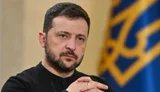
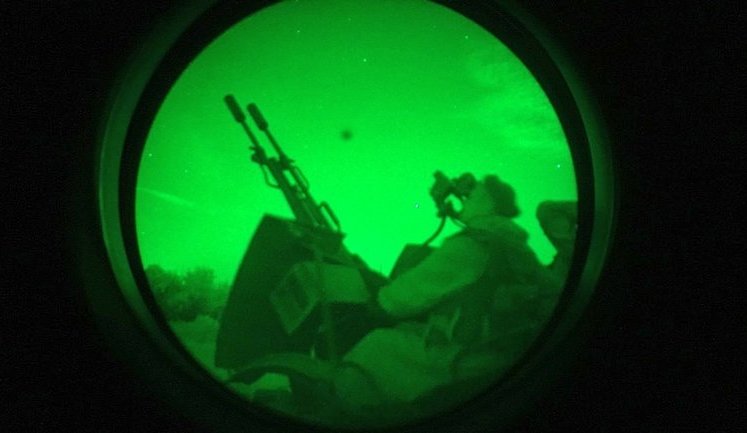
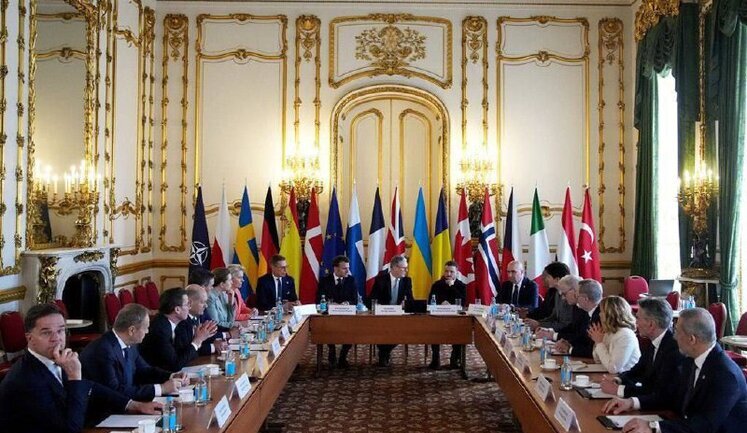
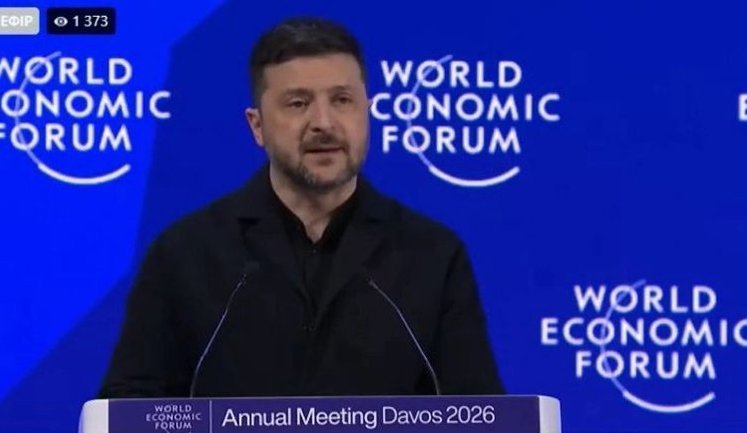
The geopolitical landscape in Europe has seen significant shifts in 2026, with an emphasis on security and defense. President Volodymyr Zelenskyy announced plans to discuss a joint sky protection system with European partners, highlighting the ongoing collaboration for military defense in the region. Meanwhile, tensions between the U.S. and Europe rise as Donald Trump's war in Iran tests NATO alliances. European countries are exploring alternative security measures, potentially triggered by threats of reduced U.S. involvement in NATO. The European Union is also grappling with economic challenges, such as the rise in Russian gas supplies and the need to approve financial aid for Ukraine. These developments underscore the need for Europe to reinforce its defensive capabilities independently.
What is Europe doing about security in 2026?
Europe is heavily focused on security, with discussions about joint sky protection systems and the creation of a nuclear deterrent to enhance defense capabilities. Additionally, Europe is taking steps to repair diplomatic channels and ensure collective security frameworks are robust.
How is Europe handling the economic impact of global conflicts?
The European Union is addressing energy shortages triggered by the Gulf conflict and Russian actions. Leaders are urging for remote work and adopting sanction packages against those perceived as threats, aiming to mitigate economic repercussions and bolster resilience.
What changes are happening in NATO involving Europe?
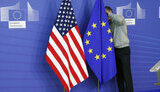
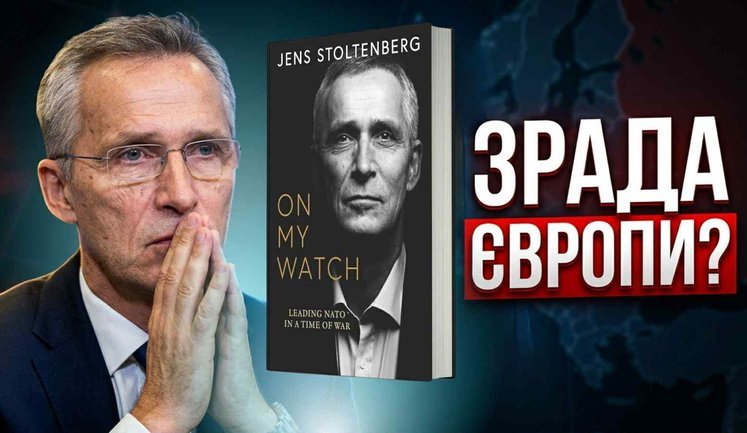
There are strategic adjustments within NATO involving Europe, notably due to U.S. President Trump's stance and his conflict in Iran. European nations are exploring alternative security arrangements independent of traditional U.S. support, indicating a shift in transatlantic relations.
Why are European gas supplies from Russia increasing?
Despite past declines, Russian gas supplies to Europe have increased by 22%. This paradoxical rise reflects complex geopolitical and economic dynamics, where Europe is negotiating energy security amidst sanctions and supply chain challenges caused by international tensions.
Is Europe financially supporting Ukraine in 2026?
Yes, Europe has been active in financially supporting Ukraine, with a notable 1.5 billion euro package approved for reconstruction programs and military aid. European leaders continue to emphasize financial assistance as a critical component of sustaining Ukraine's defense efforts.
What are Europe's plans for military modernization?
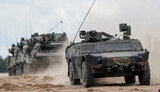
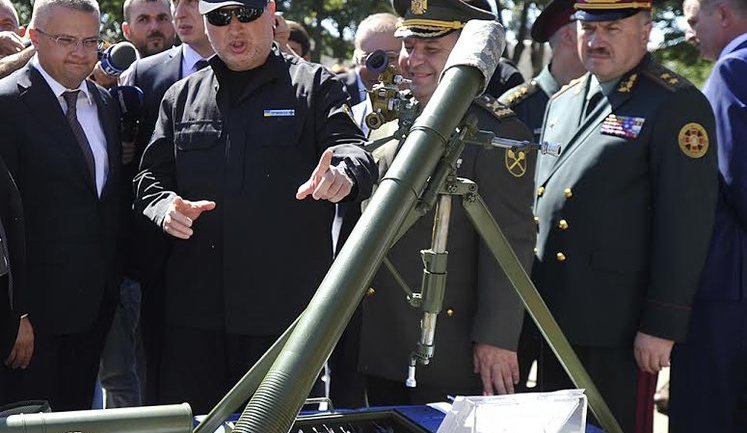
Europe is prioritizing military modernization, as highlighted by calls from defense chiefs of Germany and the UK for rearmament. The European defense strategy is shifting towards high-tech solutions and enhanced coordination among member states to address security threats.