ENG




11567 visitors online
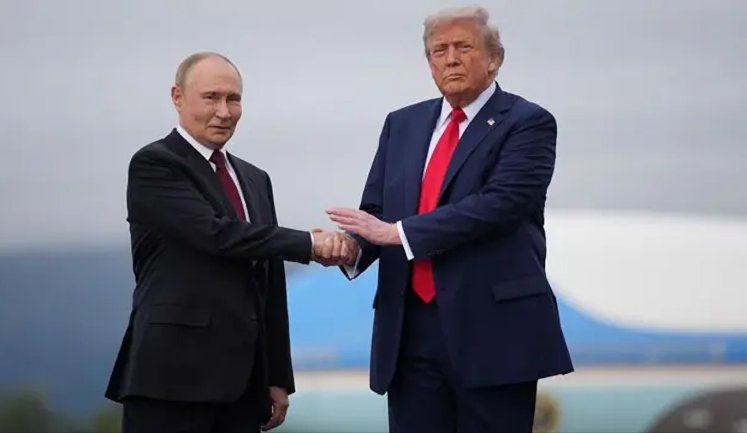
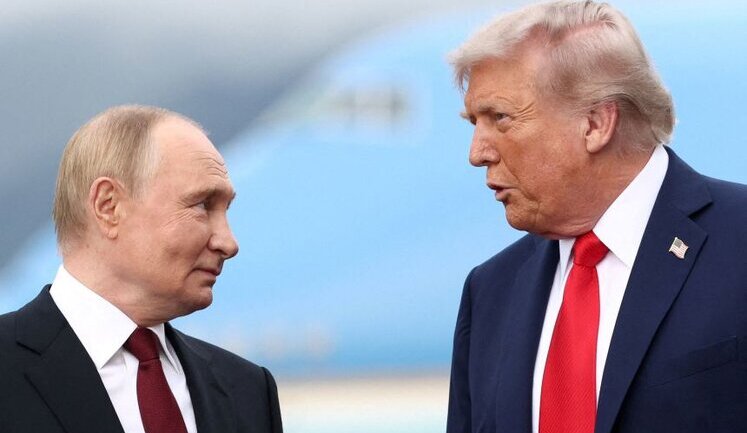
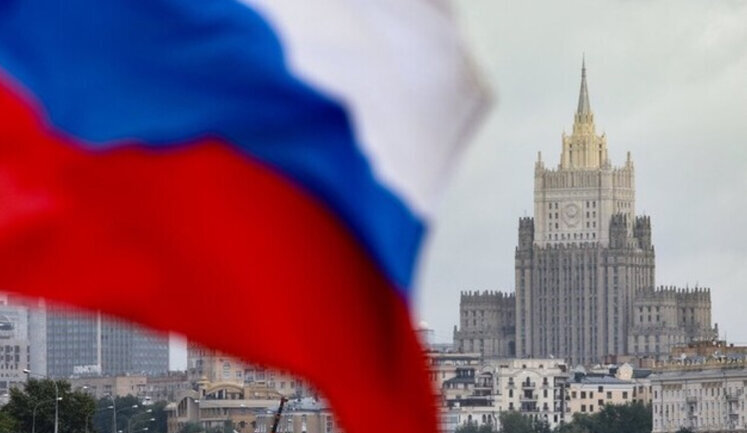
The possibility of an upcoming summit between U.S. President Donald Trump and Russian President Vladimir Putin is a significant focal point in global politics. Both leaders have expressed readiness to meet, with discussions possibly taking place in Budapest or during the G20 summit in Africa. However, the meeting's feasibility hinges on "created conditions," emphasizing the geopolitical complexities at play. The ongoing war in Ukraine remains a pivotal issue, with Trump asserting that meaningful progress must be made to halt Russia's aggressive actions. While Russia seeks assurances that any summit will yield "concrete results," the presence of potential European observers in Budapest underscores the international stakes involved. The narrative continues to develop, reflecting broader diplomatic efforts to address the crisis and strive for a peaceful resolution.
What are the main objectives of the Trump-Putin meeting?
The primary goal of the meeting between Donald Trump and Vladimir Putin is to address strategic bilateral concerns and possibly negotiate terms that may influence the geopolitical climate, particularly regarding the ongoing war in Ukraine. Both leaders are tasked with finding constructive solutions that could help de-escalate tensions and establish a foundation for peace.
Why is the meeting between Trump and Putin considered significant?
The Trump-Putin meeting is significant due to its potential impact on international relations and the geopolitical landscape. It represents a critical platform for negotiating peace, particularly in relation to the ongoing conflict in Ukraine, and could influence broader diplomatic policies and economic sanctions between their nations.
What challenges are anticipated for the Trump-Putin meeting?
The meeting is anticipated to face challenges such as aligning strategic interests amidst the ongoing conflict in Ukraine, satisfying international expectations, and overcoming domestic opposition. Ensuring that any agreements reached are tangible and enforceable also poses a potential challenge, reflecting the complex dynamics of international diplomacy.
How might the ongoing war in Ukraine affect the meeting's agenda?
The ongoing war in Ukraine is likely to be a central topic in the Trump-Putin meeting. The necessity for a ceasefire and discussions on security guarantees for Ukraine will heavily influence the agenda, as the international community seeks active resolutions. The outcome of these talks could significantly shape future diplomatic engagements concerning the conflict.
Are there any alternative locations suggested for the Trump-Putin meeting?
In addition to Budapest, which was primarily proposed, alternative locations for the Trump-Putin meeting include the possibility of convening during the G20 summit in Africa, as per discussions mentioned by Finnish President Alexander Stubb. However, the specific location remains dependent on geopolitical agreements and safety considerations for the summit.
What are the implications of the meeting for US-Russia relations?
The implications of the meeting for US-Russia relations could be profound, potentially resulting in changes to economic sanctions, improved diplomatic dialogue, and shifts in military strategies. Success in these discussions could lead to a more stable global political climate, although much relies on the tangible execution of agreements made during the summit.
Related TOP news Meeting of Trump and Putin
 Trump: I will meet Putin in Budapest to end "inglorious" war between Russia and Ukraine After a conversation on 16 October, US President Donald Trump and Russian dictator Vladimir Putin agreed to meet in Budapest to discuss ending the Russian-Ukrainian war. 18 309 157 Previously in trend: Trump and Putin’s conversation Meeting of Trump and Putin
 Trump wants to look Putin in eye and see what progress can be made in ending war - White House White House spokeswoman Karoline Leavitt has spoken about the details of tomorrow's meeting between Donald Trump and dictator Putin. 5 514 145 Previously in trend: Meeting of Trump and Putin
 No progress in Russia–Ukraine war until I meet with Putin – Trump U.S. leader Donald Trump stated that there would be no progress in peace negotiations regarding Russia’s war against Ukraine until he meets with Kremlin dictator Vladimir Putin. 11 932 134 Previously in trend: Meeting of Trump and Putin Trump statements
 White House considering inviting Zelenskyy to Alaska, where Trump-Putin meeting is scheduled - NBC News The White House is considering inviting Ukrainian President Volodymyr Zelenskyy to Alaska, where US President Donald Trump is scheduled to meet with Russian dictator Vladimir Putin. 3 740 106 Previously in trend: Meeting of Trump and Putin
 "Territorial swaps" will be discussed at meeting with Putin, but decision is up to Ukraine, - Trump US President Donald Trump plans to discuss the issue of "territorial swaps" between Ukraine and Russia with Russian dictator Vladimir Putin during the Alaska summit. 6 254 100 Previously in trend: Meeting of Trump and Putin
 Zelenskyy was surprised by Trump’s statement about meeting with Putin in Hungary - Axios Volodymyr Zelenskyy's team is surprised by US President Donald Trump's statement about preparing for a meeting with dictator Putin in Hungary. 10 026 98 Previously in trend: Meeting of Trump and Putin
 Trump said he will meet with Putin on 15 August in Alaska The meeting between US President Donald Trump and Russian dictator Vladimir Putin will take place on 15 August in the US state of Alaska. 7 997 89 Previously in trend: Meeting of Trump and Putin
 Trump will personally meet Putin with honors in Alaska - NBC Donald Trump is expected to roll out the red carpet in honor of dictator Vladimir Putin's arrival at Elmendorf-Richardson Base in Alaska. 6 213 87 Previously in trend: Meeting of Trump and Putin
 Efforts to contain Russia’s war against Ukraine are "to some extent under control" - Trump US President Donald Trump has said that he has managed to achieve some control over the escalation of Russia's war against Ukraine. 4 471 83 Previously in trend: ceasefire between Ukraine and Russia Meeting of Trump and Putin
 Trump feared that Zelenskyy’s presence at talks with Putin could derail them - Wall Street Journal US President Donald Trump expressed concern that the presence of Volodymyr Zelenskyy at his talks with Russian dictator Vladimir Putin from the very beginning of the negotiations could disrupt them. 3 266 83 Previously in trend: Meeting of Trump and Putin
 Trump plans to meet with Putin as early as next week - NYT US President Donald Trump intends to meet with Russian dictator Vladimir Putin in person next week, and shortly after that, he will hold a trilateral meeting with Putin and Ukrainian President Volodymyr Zelenskyy. 10 296 78 Previously in trend: Meeting of Trump and Putin Meeting between Trump, Zelenskyy and Putin
 Ukraine has five key demands for resolving war, - Politico President Zelenskyy and key European partners are using the meeting with Trump before the Alaska summit to draw "red lines" that will prevent Putin from using the agreement with the US leader as an opportunity to regroup and continue the war against Ukraine. 10 986 74 Previously in trend: Meeting of Trump and Putin
 If I got Moscow and Leningrad free as part of deal with Russia, media would say I made bad deal, - Trump US President Donald Trump has published a post in which he complains about the media, which "unfairly" write about his upcoming meeting with dictator Vladimir Putin. 4 588 68 Previously in trend: Meeting of Trump and Putin
 Putin’s visit to Alaska is result of Trump’s decisive actions, - Senator Graham The visit of Russian dictator Vladimir Putin to Alaska scheduled for August 15 is due to Donald Trump's policies - the sale of weapons to Europe for Ukraine and increased tariffs on Indian goods - which have alarmed the Kremlin. 2 886 67 Previously in trend: Meeting of Trump and Putin
 Russian Foreign Ministry on "territorial exchange": Territorial structure is enshrined in Russian constitution. VIDEO The Russian Foreign Ministry has answered questions about a possible "exchange of territories" with Ukraine. 12 657 67 Previously in trend: Meeting of Trump and Putin
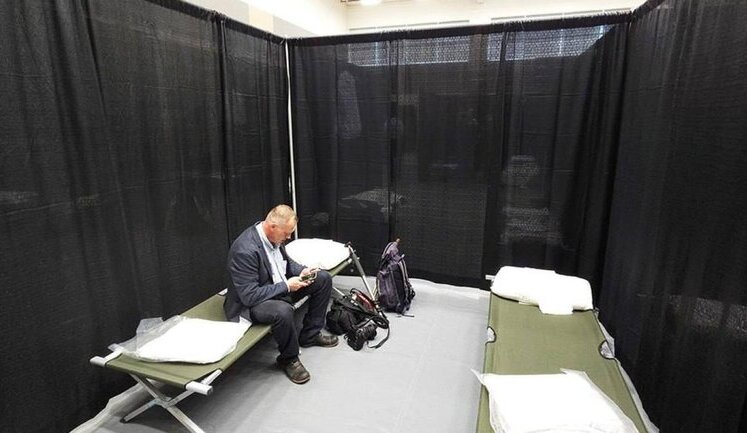
 Trump and Putin meeting in Alaska: Russian journalists housed in former COVID hospital. VIDEO&PHOTOS. VIDEO&PHOTOS The pool of Kremlin journalists who arrived at the meeting between Trump and Putin in Anchorage was accommodated in a former covid hospital. 10 883 66 Previously in trend: Meeting of Trump and Putin
 Security guarantees for Ukraine should be part of peace talks with Russia - Rubio US Secretary of State Marco Rubio said he hoped for rapid progress in ending the war in Ukraine, stressing that security guarantees should be part of peace talks. 3 423 57 Previously in trend: Security guarantees for Ukraine Meeting of Trump and Putin
 Trump and Putin meeting may take place as early as Monday in Rome – Fox News A meeting between US President Donald Trump and Russian dictator Vladimir Putin may take place next week. 5 994 56 Previously in trend: Meeting of Trump and Putin
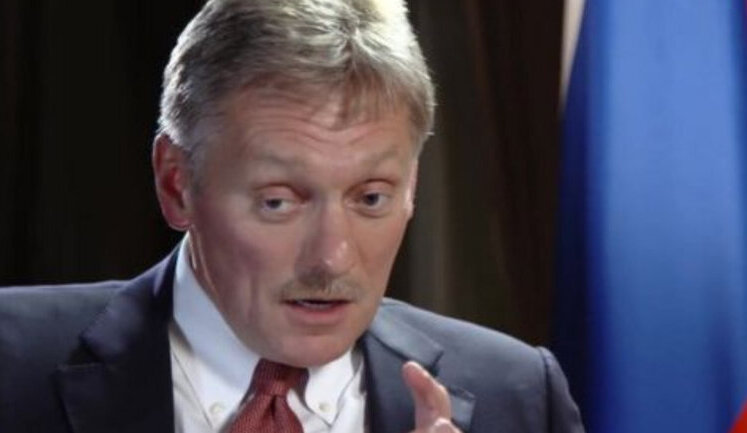
 Kremlin does not know how Putin will get to his meeting with Trump in Budapest: "So far, of course, it is unclear" Kremlin spokesman Dmitry Peskov said that it is currently unknown how Russian dictator Vladimir Putin will go to a possible meeting with US President Donald Trump in Budapest. 3 400 55 Previously in trend: Meeting of Trump and Putin
 For Trump, meeting with Putin is not concession - Rubio The meeting with US President Donald Trump is not a victory for Russian dictator Vladimir Putin. It should not be seen as a concession to the Kremlin. 4 377 51 Previously in trend: Meeting of Trump and Putin
Russia and US have agreed on meeting between Putin and Trump in coming days - Ushakov Russia and the United States have agreed on a meeting between dictator Vladimir Putin and Donald Trump in the coming days. 9 234 51 Previously in trend: Meeting of Trump and Putin
Trump and Putin may meet in Africa, - Stubb Finnish President Alexander Stubb said that Donald Trump and Vladimir Putin may hold a new meeting in late November during the G20 summit in Africa. 3 512 50 Previously in trend: Meeting of Trump and Putin
 Diplomatic solution must protect Ukraine’s interests, international borders must not be changed by force - statement by Macron, Meloni, Merz, Tusk, Stubb and von der Leyen European leaders called on US President Donald Trump to defend Ukraine's interests during his meeting with Russian dictator Vladimir Putin. 4 871 49 Previously in trend: Peace negotiations Meeting of Trump and Putin
 Kellogg not included in US delegation to Alaska because Russia believes he sympathizes with Ukraine - CNN US Special Envoy for Ukraine and Russia Keith Kellogg was not included in the delegation that went to the Anchorage summit because the Russian side perceives him as sympathetic to Ukraine. 4 363 47 Previously in trend: Meeting of Trump and Putin
 Trump: I will meet with Putin as soon as we can arrange it US President Donald Trump commented on the possibility of meeting with dictator Vladimir Putin. 2 872 47 Previously in trend: Meeting of Trump and Putin
 Russia doesn’t want to stop war in Ukraine yet — Trump on canceling meeting with Putin U.S. President Donald Trump explained that his meeting with Vladimir Putin did not take place in Hungary because Russia was unwilling to stop its war against Ukraine, but expressed confidence that it can be resolved "in the near future." 8 243 47 Previously in trend: Trump on war in Ukraine Meeting of Trump and Putin Trump statements
Trump–Putin meeting tentatively planned for next week – White House A high-level meeting between US President Donald Trump and Russian dictator Vladimir Putin is tentatively planned for the end of next week. 4 502 43 Previously in trend: Meeting of Trump and Putin
 Trump may walk out of meeting with Putin if he doesn’t think he’s serious - CNN During the meeting between Donald Trump and dictator Putin in Alaska, "all options remain on the table," including the US leader's possibility of walking out of the meeting if he does not believe that Putin is serious about making a deal. 3 274 43 Previously in trend: Meeting of Trump and Putin Meeting between Trump and Putin
 Putin’s security during summit in Alaska will be ensured by his personal security detail and US Secret Service Russian dictator Vladimir Putin's security during his visit to Alaska will be guaranteed by his personal security detail along with the US Secret Service. 6 903 42 Previously in trend: Meeting of Trump and Putin
 Breakthrough for peace in Ukraine only possible after direct Trump–Putin meeting – Rubio U.S. Secretary of State Marco Rubio stated that Washington has "no high expectations" for the Ukraine–Russia talks in Istanbul, and that a breakthrough toward peace is only possible after a direct conversation between Donald Trump and Vladimir Putin. 2 840 42 Previously in trend: Peace negotiations Meeting of Trump and Putin Negotiations in Turkey
Trump wants action, not just words from Putin – White House on canceled Budapest meeting US President Donald Trump hopes that a meeting with Russian dictator Vladimir Putin will take place in the future and have a positive outcome. 4 567 41 Previously in trend: Trump-Putin talks Meeting of Trump and Putin
 Putin’s goal is less about occupying territory and more about blocking Ukraine’s NATO membership and "friendly" government in Kyiv – NYT Russian dictator Vladimir Putin seeks a meeting with Donald Trump to sway him to his side. 6 328 39 Previously in trend: Meeting of Trump and Putin Putin’s aims in Ukraine
 White House unveils composition of US delegation to talks with Russia - Reuters The White House has announced the composition of the US delegation that will take part in the talks between Donald Trump and dictator Putin. 7 080 39 Previously in trend: Meeting of Trump and Putin Meeting between Trump and Putin
No documents expected to be signed following Trump-Putin summit in Alaska - Peskov No documents are expected to be signed as a result of the summit between US President Donald Trump and Russian dictator Vladimir Putin, which will take place tomorrow in Alaska. 2 982 37 Previously in trend: Meeting of Trump and Putin Meeting between Trump and Putin
 Preparations for Putin–Trump meeting in Budapest "in full swing," says Orban Hungarian Prime Minister Viktor Orbán held a phone conversation with Russian dictator Vladimir Putin, during which they discussed the planned meeting between the Kremlin leader and U.S. President Donald Trump in Budapest. 1 793 37 Previously in trend: Meeting of Trump and Putin Trump–Putin meeting in Budapest
 Trump created conditions for just end to war in Ukraine - Graham Republican Senator Lindsey Graham believes that US President Donald Trump has created the conditions for an honest and fair end to Russia's war against Ukraine. 3 134 36 Previously in trend: Meeting of Trump and Putin
"High stakes!": Trump releases message before flying to Alaska US President Donald Trump posted a message on social media before leaving Washington to meet with Putin. 5 215 36 Previously in trend: Meeting of Trump and Putin
 US temporarily lifts sanctions on Russian transactions following Trump-Putin meeting in Alaska The United States has temporarily lifted sanctions on Russian transactions that are necessary to prepare for the Alaska meeting. The lifting of restrictions will be in effect until 20 August. 5 447 35 Previously in trend: U.S. sanctions against Russia Meeting of Trump and Putin
 Putin will try to deceive Trump again. This week’s meeting in Alaska is bad decision - Bloomberg Ukraine and its European partners fear that US President Donald Trump will fall into a trap again during his meeting in Alaska with Russian dictator Vladimir Putin on Friday, 15 August. 4 170 34 Previously in trend: Meeting of Trump and Putin
 Trump’s efforts to achieve peace in Ukraine have hit dead end. Putin has outplayed him - CNN Russian President Vladimir Putin has long been using his skill of manipulation to achieve political goals, and this time his target is US President Donald Trump. 12 860 32 Previously in trend: Meeting of Trump and Putin
 Putin held meeting with members of Russia’s top leadership before meeting with Trump - Peskov Russian dictator Vladimir Putin held a meeting with members of the Russian top leadership before his meeting with Donald Trump. 4 187 31 Previously in trend: Meeting of Trump and Putin
 Will be speaking to European leaders in short while. They want to see deal done, - Trump President Donald Trump has confirmed that he will speak to European leaders today ahead of his meeting with dictator Putin. 3 441 31 Previously in trend: Meeting of Trump and Putin
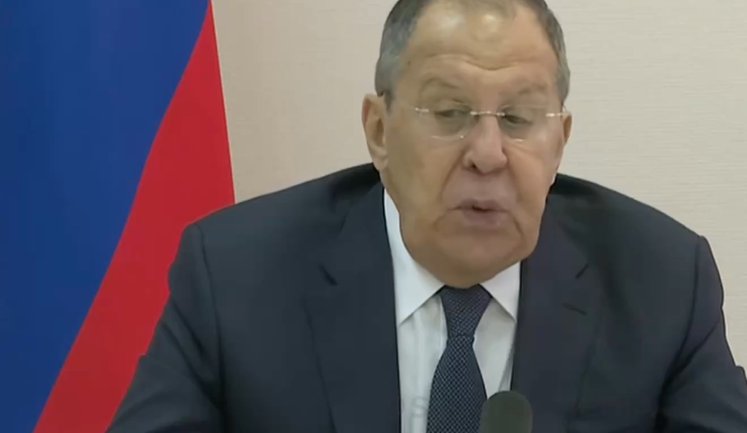
 Russia needs guarantees that Trump–Putin meeting will bring concrete results – Lavrov. VIDEO Russian Foreign Minister Sergei Lavrov has said that it is necessary to guarantee that the meeting between US President Donald Trump and dictator Putin will bring "concrete results". 5 599 30 Previously in trend: Meeting of Trump and Putin
 Zelenskyy announced five principles agreed with European leaders for ending war: ceasefire, security guarantees, and sanctions against Russia President of Ukraine Volodymyr Zelenskyy spoke about agreeing on five common principles with European leaders to end the war in Ukraine. 5 589 30 Previously in trend: Ending the war Meeting of Trump and Putin
 Trump clearly stated that he will seek unconditional ceasefire from Putin - French Foreign Minister Barrot French Foreign Minister Jean-Noël Barrot insists that US President Donald Trump will demand an unconditional ceasefire from dictator Vladimir Putin. 2 629 29 Previously in trend: Peace negotiations Meeting of Trump and Putin
 Putin must meet with Zelenskyy for meeting with Trump to occur – New York Post US President Donald Trump will meet with Russian dictator Vladimir Putin if he agrees to meet with Ukrainian President Volodymyr Zelenskyy. 4 523 29 Previously in trend: Meeting of Trump and Putin
 Trump open to trilateral meeting with Zelensky and Putin – White House U.S. President Donald Trump is willing to take part in potential negotiations between the presidents of Ukraine and Russia aimed at ending the war launched by the Kremlin. 1 917 27 Previously in trend: Trump-Zelenskyy meeting Meeting of Trump and Putin
 Putin ready to meet with Trump in Budapest Russian dictator Vladimir Putin "would be happy" to meet with US President Donald Trump in Budapest. 2 900 27 Previously in trend: Meeting of Trump and Putin Trump–Putin meeting in Budapest
Page 1 of 2
pager_more_top_news