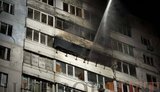
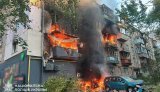
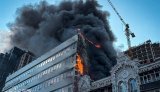
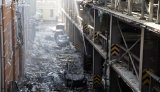
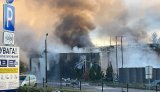
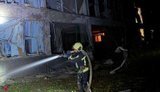
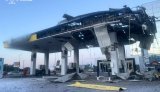
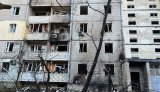
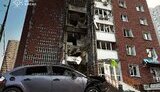
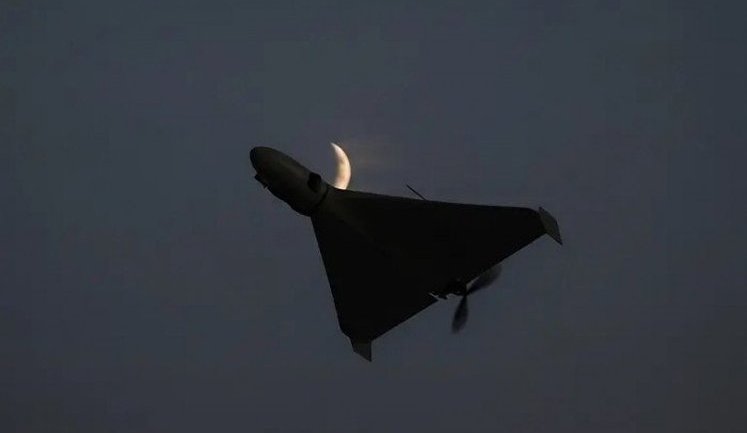
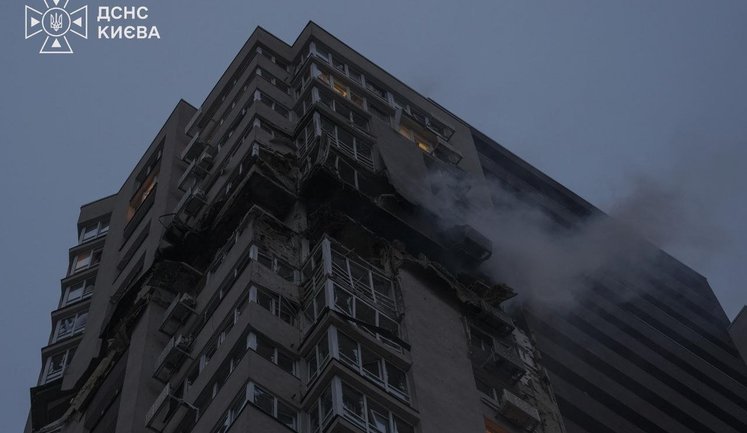
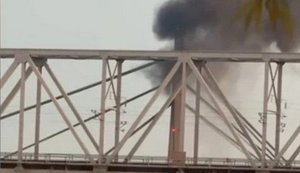
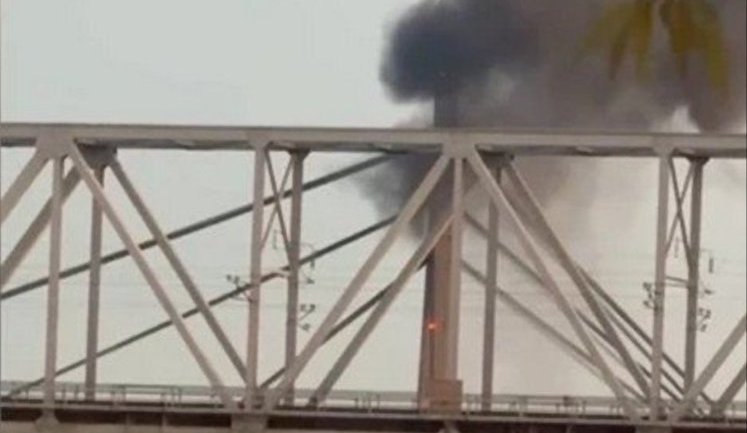
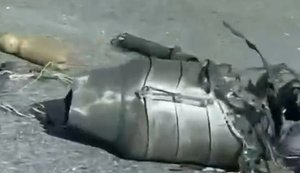
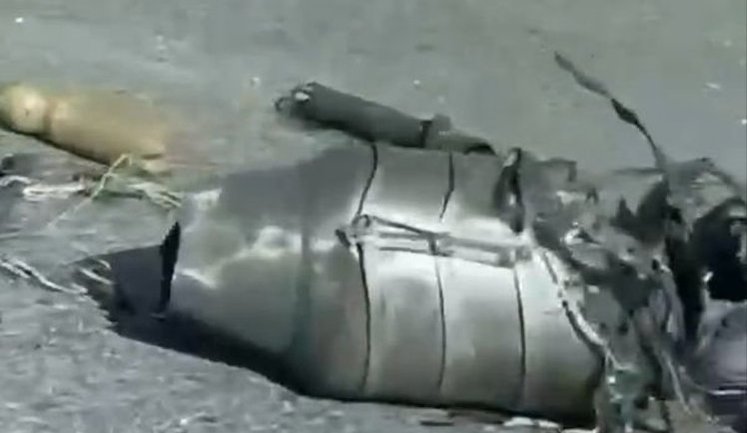
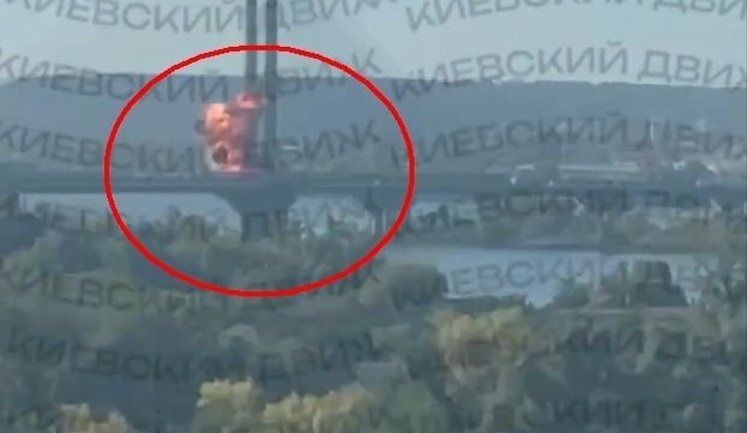
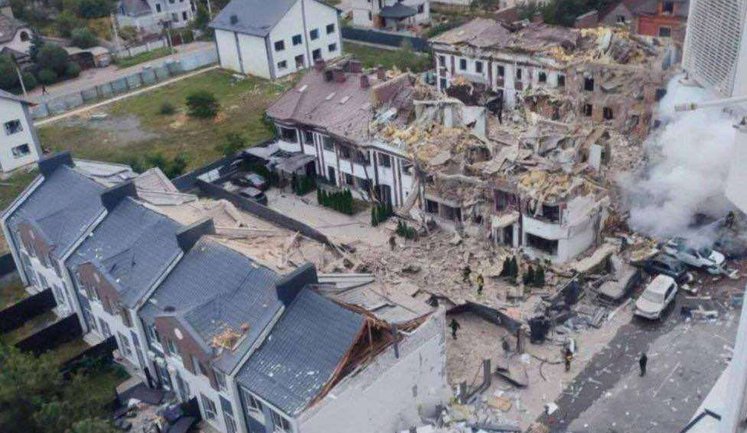
Kyiv is facing a new wave of aggression, as Russian forces launch UAV attacks across the city. The strikes have left a trail of destruction, with debris falling on a 25-story building and offices in Solomianskyi district. These attacks not only pose a threat to life, with four injuries reported from a fire in a Desnianskyi district building, but have also disrupted daily activities, including the halting of metro services due to power outages. The series of drone strikes has also led to fires in multiple residential areas, and the smoke from these incidents is spreading across various districts, raising concerns over air quality. The ongoing UAV threat represents a significant challenge for emergency services and residents alike, with responders working tirelessly to manage the damage and prevent further catastrophes.
What areas were affected by the UAV attacks in Kyiv?
The UAV attacks in Kyiv have significantly impacted several districts, including the Solomianskyi and Desnianskyi districts. A notable incident includes a 25-story building taking damage, while offices have been struck in the Solomianskyi district. Transport systems, especially the metro, have faced disruptions due to a massive power cut caused by the attack.
What are the consequences of the UAV attacks on Kyiv residents?
The attacks have led to casualties, injuries, and infrastructural disruptions. Additionally, fires broke out, particularly in residential areas, leading to smoke and air quality issues. Metro and public transport systems faced shutdowns, making everyday commuting challenging.
How have emergency services responded to the UAV attacks in Kyiv?
Emergency services in Kyiv have been actively working to manage the aftermath of the UAV attacks. They have focused on evacuating affected buildings, treating the injured, extinguishing fires, and restoring essential services. The coordinated efforts aim to minimize the damage and restore normalcy as swiftly as possible.
What strategy does Russia seem to be employing with these UAV attacks?
According to reports, Russia appears to be employing a continuous wave of UAV and drone attacks targeting Kyiv. These aggressions aim at exerting psychological pressure and destabilizing the region. The strategy includes both night and daytime operations with fast-moving drones that challenge the response time for reaching safe shelters.
What protective measures can Kyiv residents take during UAV attacks?
During UAV attacks, residents are advised to stay in secured and shielded areas, adhere to air raid alerts, and immediately seek shelter. It is crucial to avoid exposed areas where debris from drones may fall. Preparation for potential power cuts by having contingencies like flashlights, food, and water is also recommended.
How have the UAV attacks impacted Kyiv's infrastructure, including transport?
The UAV attacks have caused notable infrastructure challenges in Kyiv. Most prominently, the metro services were halted due to significant power cuts. The attacks have damaged several buildings and transportation systems, leading to greater congestion and delays in everyday commuting and logistics.
What impact have these strikes had on the security policies of Kyiv?
In response to the UAV attacks, Kyiv has likely bolstered its air defense systems and emergency preparedness protocols. Increased vigilance and heightened security measures are essential to safeguard civilian areas and prevent further loss of life and infrastructure damage.
Are there ongoing efforts in Kyiv to manage the smoke and air quality after the attacks?
Yes, ongoing efforts are being taken to manage the smoke and maintain air quality in the aftermath of the attacks. The Kyiv City State Administration provides advice on air quality monitoring and takes steps to mitigate any potential health risks from smoke dispersal following attacks.
What are the long-term implications of UAV attacks on Kyiv's civilian and strategic infrastructure?
Long-term implications include potential strategies to reinforce infrastructure against future strikes, enhanced air defense capabilities, and increased local and international collaborations to prevent further drone incursions. The ongoing threat may lead to adaptive measures in city planning and infrastructure resilience strategies.