ENG




11927 visitors online
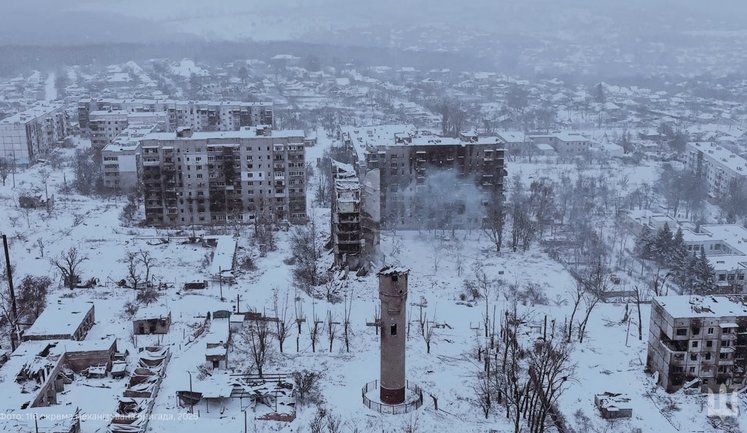
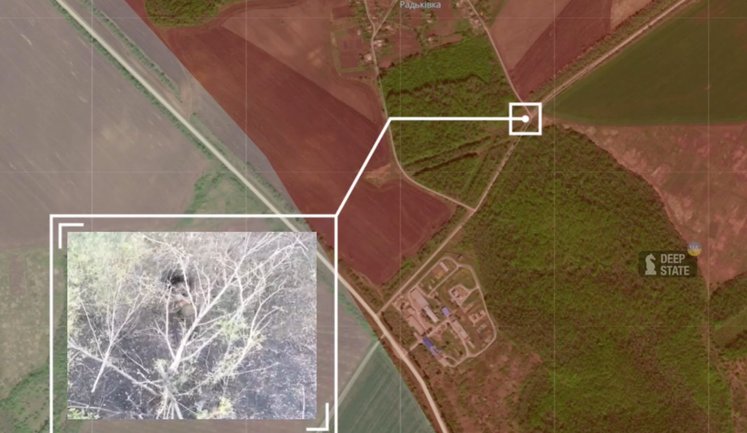
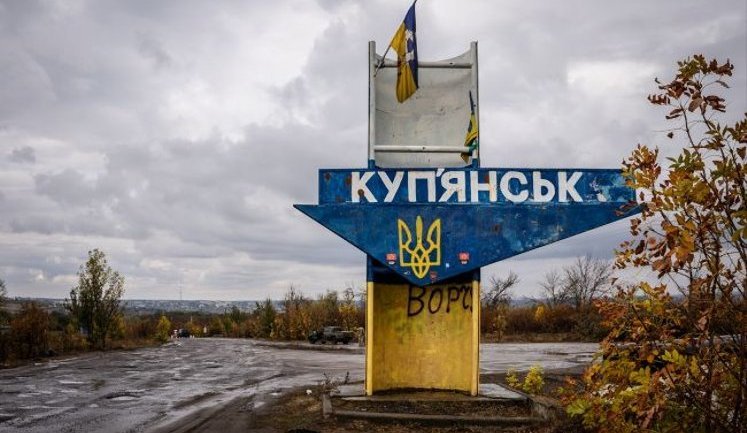
Amid escalating tensions in the Kupiansk direction, Russian forces are intensifying their efforts from both the right and left banks of the Oskol River. This strategic push aims to breach Ukrainian defenses, elevating pressure on the region's defense lines. Reports indicate increased enemy activity within the forest belts while logistics for the Ukrainian Defence Forces are being hampered. Despite these challenges, Ukrainian brigades are actively engaged in repelling assaults, utilizing drone strikes and other tactical measures. Meanwhile, Kupiansk remains under Ukrainian control, with several Russian soldiers reportedly surrounded and unable to secure footholds. The ongoing situation underscores the volatility in the Kupiansk sector.
What is the current situation in Kupiansk direction?
The Russian military has escalated operations around Kupiansk by advancing from the Oskol River's banks, increasing pressure on Ukrainian positions. Despite the challenging tactical environment, Ukrainian forces remain in control of Kupiansk and are executing strategic defenses against enemy advances. The area continues to face intensified Russian assaults and drone activity.
Which units are actively defending Kupiansk?
Several Ukrainian military units are actively defending Kupiansk. Notable among them are the 77th Separate Airborne Brigade and the 116th Separate Mechanized Brigade, which have been instrumental in defending against Russian incursions. These units are conducting operations to repel enemy attacks and maintain control over the region.
Why is Kupiansk a strategic location?
Kupiansk's strategic significance stems from its position near the Oskol River, which serves as a crucial line for defensive operations. Control of Kupiansk provides access to significant routes and potentially serves as a launching point for military maneuvers, making it a focus for both Ukrainian and Russian forces.
How are drones being used in the Kupiansk conflict?
Drones play a vital role in the Kupiansk conflict. Ukrainian forces utilize drones for reconnaissance and precision strikes against Russian positions and equipment. This technology helps in intelligence gathering and in executing targeted assaults, which are critical in the contested landscape of Kupiansk.
What is the impact of forest belt activities near Kupiansk?
The activities in the forest belts near Kupiansk significantly impede the movement and logistics of Ukrainian Defense Forces. These forested areas provide concealment for Russian troop movements, posing strategic challenges for Ukrainian units that need to adapt their tactics to counter the enemy's advancing efforts through these concealed routes.
Are there any significant losses reported for Russian forces in Kupiansk?
Yes, Russian forces have suffered significant personnel and equipment losses in Kupiansk. Reports indicate that Ukrainian defense strategies, coupled with drone strikes, have inflicted heavy casualties in various engagements, leading to a challenging situation for Russian troops attempting to advance in the area.
What is the role of the 77th Separate Airborne Brigade in Kupiansk?
The 77th Separate Airborne Brigade plays a crucial defensive role in the Kupiansk sector. They have been heavily involved in eliminating Russian infantry groups and repelling the enemy's offensive operations, maintaining security and strengthening Ukraine's strategic positioning in the region.
Have any Russian forces been surrounded in Kupiansk?
Yes, reports suggest that multiple groups of Russian soldiers have been surrounded in Kupiansk. Ukrainian forces have effectively contained these enemy contingents, limiting their supply routes and enforcing strategic pressures that hinder further Russian advances in the area.
How are Ukrainian forces countering Russian advances in Kupiansk?
Ukrainian forces are utilizing a combination of strategic troop deployments, the effective use of drones, and defensive positioning to counter Russian advances. Tactical maneuvers are aimed at disrupting Russian supply lines, repelling assaults, and leveraging urban and forest terrains to maintain control over Kupiansk.
What future developments are expected in Kupiansk?
The situation in Kupiansk remains fluid with ongoing military operations. Future developments are expected to involve continued engagements as Ukrainian forces seek to fortify their positions. Both sides may adjust strategies based on real-time assessments, with the possibility of increased Russian pressure on strategic areas continuing.
Related videos Fighting in the Kupіansk direction
 Sleeper drones sit in grass, wait and kill occupiers near Kruhliakivka in Kharkiv region. VIDEO In the Kupiansk direction in Kharkiv region, Ukraine’s Defense Forces have set up a real conveyor belt for demilitarizing enemy manpower. Censor.NET reports that a video has been posted online showing Ukrainian "sleeper drones" at work, lying in wait and methodically eliminating Russian invaders... 7 251 6 Previously in trend: Fighting in the Kupіansk direction
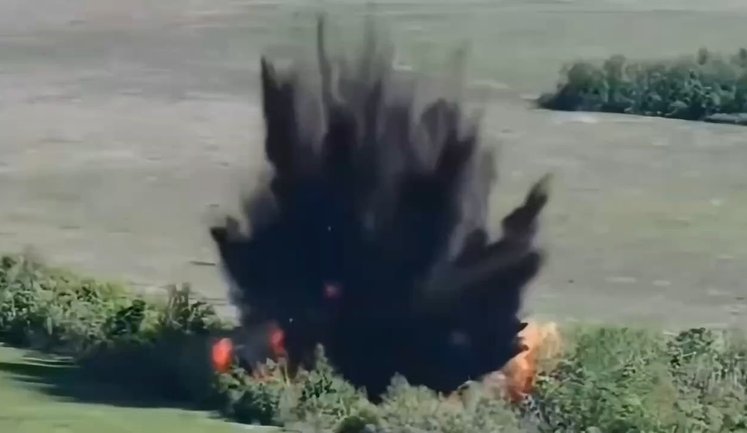
 Ukrainian kamikaze drone flew into concrete pipe under road and struck occupiers’ ammunition. VIDEO In the Kupiansk sector, operators of Ukrainian strike drones put on a masterclass in precision piloting. According to Censor.NET, the defenders located and destroyed an ammunition depot that the Russian invaders had tried to conceal thoroughly. 9 140 5 Previously in trend: Fighting in the Kupіansk direction
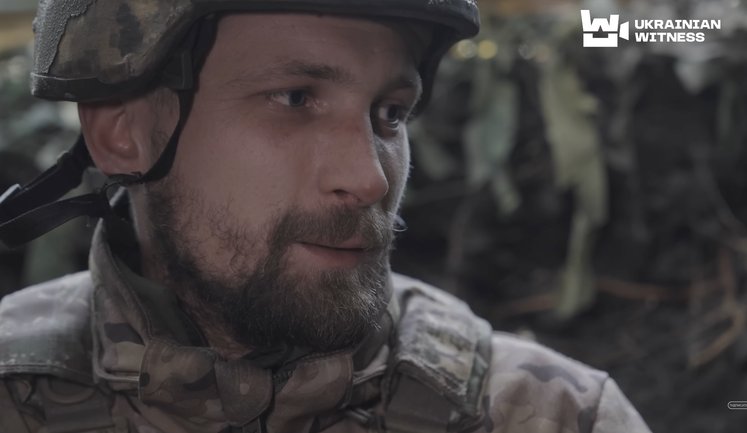
 Enemy is preparing assaults and stepping up activity in forest belts in Kupiansk direction, - "Pomsta" brigade. VIDEO In the Kupiansk sector, the situation remains under control but remains challenging. The enemy is advancing through wooded areas, building up its forces and hampering the logistics of the Defence Forces. 1 378 0 Previously in trend: Fighting in the Kupіansk direction
 Munition dropped from drone hits wounded occupier in head. VIDEO 18+ A video showing the successful work of Ukrainian drone operators in the Kupiansk direction of the front has been posted online. 7 466 36 Previously in trend: Fighting in the Kupіansk direction
 One occupier surrendered, another jumped from window and killed himself: combat work of 43rd Separate Mechanized Brigade. VIDEO Defense Forces soldiers have shared unique footage online showing a group of six Russian servicemen from the 153rd Tank Regiment of the Russian Armed Forces attempting to infiltrate the settlement of Kupiansk-Vuzlovyi on April 18. 8 749 27 Previously in trend: Suicidal occupiers Occupiers’ suicide on battlefield Fighting in the Kupіansk direction
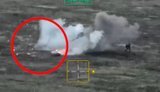 Occupiers operate in small assault groups in Kupiansk direction but suffer defeat – 77th Separate Airborne Brigade. VIDEO In the Kupiansk sector, units of the 77th Separate Airborne Naddniprianska Brigade of the 7th Rapid Reaction Corps of the Airborne Forces continue to repel the enemy’s offensive operations. 1 923 1 Previously in trend: Destruction of Russian equipment Elimination of Russian occupying forces Fighting in the Kupіansk direction Drone operators
 Enemy has become significantly more active in Kupiansk direction; Kupiansk itself remains under our control, – Defence Forces. VIDEO The enemy is stepping up its activities in the Kupiansk sector. 1 515 0 Previously in trend: Fighting in the Kupіansk direction
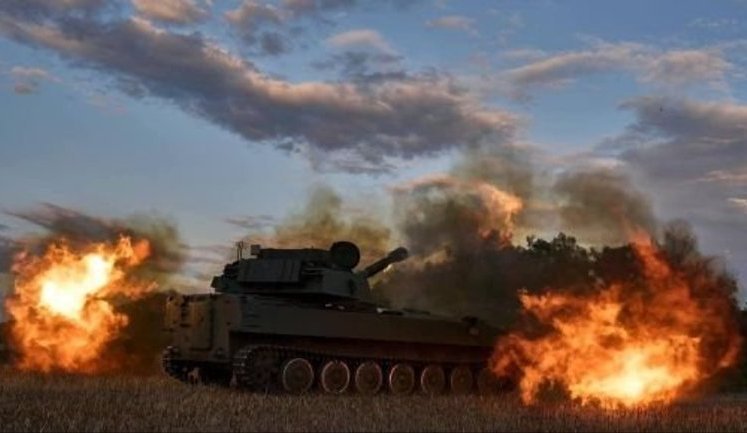
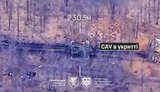 Paratroopers of 77th Brigade destroyed occupiers’ self-propelled artillery in Kupiansk direction. VIDEO Paratroopers from the 77th Separate Airborne Naddniprianska Brigade of the 7th Rapid Reaction Corps continue to destroy enemy equipment in the Kupiansk sector. 2 606 0 Previously in trend: Destruction of Russian equipment Fighting in the Kupіansk direction Drone operators
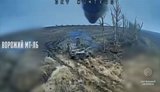 Minus 13 pieces of equipment and 18 occupiers: fighters from 14th Separate Mechanised Brigade repelled assault in Kupiansk direction. VIDEO Ukrainian defenders from the 14th Separate Mechanised Brigade repelled an assault by the occupiers in the Kupiansk sector. 2 904 2 Previously in trend: Destruction of Russian equipment Elimination of Russian occupying forces Fighting in the Kupіansk direction Repelling assault
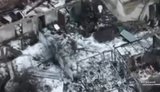 Pilots of 14th Separate Mechanised Brigade destroyed 8 quad bikes along with occupiers in Kupiansk direction. VIDEO Soldiers of the 14th Separate Mechanised Brigade carried out a series of strikes on Russian military equipment and personnel in the Kupiansk direction. 2 935 1 Previously in trend: Destruction of Russian equipment Elimination of Russian occupying forces Fighting in the Kupіansk direction Drone operators
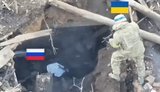 FPV drone and Ukrainian stormtrooper work together to clear ruins in Kupiansk and eliminate occupier. VIDEO Unique footage of close combat has appeared online, demonstrating the high level of coordination between assault teams and drone operators. According to Censor.NET, a Ukrainian soldier, supported by an FPV drone, detected and killed a Russian occupier in the ruined buildings of Kupiansk. 11 302 22 Previously in trend: Fighting in the Kupіansk direction
 Drone from 127th Brigade leaves ruscist without lower limbs in Kupiansk direction. VIDEO 18+ Drone operators from the 127th Separate Heavy Mechanized Kharkiv Brigade struck an occupier in the legs with an attack UAV in the Kupiansk direction. 4 973 21 Previously in trend: Drones against occupiers Elimination of Russian occupiers Fighting in the Kupіansk direction Drone operators
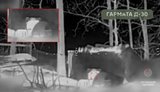 D-30, MT-12 guns and armored vehicle "Tigr" destroyed: "Sapsan" battalion hit 8 pieces of ruscists’ equipment. VIDEO In the Kupiansk direction, eight units of enemy firepower and logistics equipment were hit by Ukrainian drones. 1 534 4 Previously in trend: Destruction of Russian equipment Fighting in the Kupіansk direction Drone operators
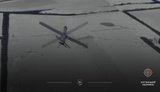 Minus 4 Russian UAVs and camouflaged MT-LB: combat work of 14th Separate Mechanized Brigade in Kupiansk direction. VIDEO Fighters of the 14th Separate Mechanized Brigade named after Prince Roman the Great struck the occupiers’ equipment and unmanned aerial vehicles in the Kupiansk direction. 1 271 0 Previously in trend: Destruction of Russian equipment Fighting in the Kupіansk direction Drone operators
 "What do we say to God of Death? Not today!" – reconnaissance near Kupiansk | Yurii Butusov. VIDEO Yurii Butusov, a platoon commander with the 13th Khartiia Brigade of the National Guard of Ukraine, has published a front-line report from near Kupiansk (October 2025), where he and his brothers-in-arms came under a direct attack by a Russian FPV drone. 3 305 2
 Surviving occupier sums up result of Ukrainian soldiers’ attack: "They didn’t make it. Two UAZs. Kupiansk. Totally wrecked.". VIDEO In the Kupiansk direction, enemy logistics continue to be turned into scrap metal. According to Censor.NET, footage of objective control filmed by the occupier himself, who recorded the end of the Russian army unit's journey, has appeared online. 8 483 7 Previously in trend: Fighting in the Kupіansk direction
 Soldiers of 101st Separate Guard Brigade mined and blew up enemy shelters in Kupiansk direction. VIDEO Soldiers of the 2nd Security Battalion of the 101st Separate Guard Brigade of the General Staff carried out strike and search operations in their area of responsibility in the Kupiansk direction. 3 346 1 Previously in trend: Fighting in the Kupіansk direction
 Russians were captured by phone: unique Khartiia operation in Kupiansk. VIDEO A group of Russian soldiers decided to voluntarily surrender to the Khartiia soldiers. To do this, the occupiers used the chatbot "I want to live." 5 996 8 Previously in trend: captured occupiers Fighting in the Kupіansk direction
 Soldiers of 77th Brigade hold line and eliminate enemy personnel in Kupiansk direction. VIDEO In the Kupiansk direction, units of the 77th Separate Airmobile Brigade and the 7th Command and Staff Company of the Air Assault Forces of the Armed Forces of Ukraine continue to hold designated defensive lines. 2 306 0 Previously in trend: Destruction of Russian equipment Elimination of Russian occupying forces Fighting in the Kupіansk direction
 Sweeping in Kupiansk: three fighters from the 41st SMB eliminated two occupiers in private house. VIDEO Ukrainian defenders continue to methodically knock out Russian groups attempting to gain a foothold in the residential buildings of Kupiansk. According to Censor.NET, footage has appeared online of a successful close-quarters battle conducted by fighters from the 2nd Mechanised Battalion of the... 7 281 8 Previously in trend: Close-quarters combat Fighting in the Kupіansk direction
 14th Separate Mechanized Brigade soldiers struck 4 enemy UAVs and UGV in Kupiansk direction. VIDEO Pilots of the 14th Separate Mechanized Brigade named after Prince Roman the Great destroyed 4 drones and an enemy unmanned ground vehicle (UGV). 787 0 Previously in trend: Destruction of Russian equipment Destruction of Russian drones Fighting in the Kupіansk direction Drone operators Unmanned Ground Vehicles UGVs
 Drones of 429th Achilles Brigade strike rare North Korean Koksan SPG three times in Luhansk region. VIDEO Drone operators of the Unmanned Systems Forces from the 429th Achilles Brigade struck a rare enemy self-propelled gun (SPG) in the Luhansk region. 2 938 10 Previously in trend: Destruction of Russian equipment Fighting in the Kupіansk direction
 Fighters of 101st Separate Guard Brigade blew up ruscists with TM mines in one of Kupiansk’s basements. VIDEO Fighters of the 2nd Battalion of the 101st Separate General Staff Guard Brigade carried out a sweep of enemy personnel in Kupiansk. 5 806 18 Previously in trend: Elimination of Russian occupying forces Close-quarters combat Elimination of Russian occupiers Fighting in the Kupіansk direction
 "We’re dragging Sergey, 10 more people left": ruscists dragging body of their dead comrade on skis. VIDEO A video has been published online showing a ruscist filming a living accomplice dragging a dead one. 7 200 19 Previously in trend: Elimination of Russian occupying forces Fighting in the Kupіansk direction
 Soldiers of 14th and 30th brigades foil attempt to breach defenses in Kupiansk direction. VIDEO Units of the 14th Separate Mechanised Brigade of the 10th Army Corps, in cooperation with forces from the 30th Separate Mechanised Brigade, thwarted an enemy attempt to breach defences in the Kupiansk direction. 3 302 1 Previously in trend: Destruction of Russian equipment Elimination of Russian occupying forces Fighting in the Kupіansk direction Drone operators Repelling assault
 Defence Forces have cleared Chuhunivka. Some of occupiers have been taken prisoner, - 16th Army Corps. VIDEO Taking advantage of difficult weather conditions, the enemy attempted a covert infiltration through the combat formations of the Defence Forces in the area of the village of Chuhunivka in the Kupianskyi district of Kharkiv region. 10 152 10 Previously in trend: Fighting in the Kupіansk direction
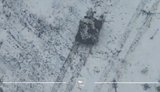 Russians were transporting mortar on their vehicle, but pilots from 14th Mechanised Brigade caught up with them and destroyed two targets with single strike. VIDEO In the Kupiansk direction, crews of UAVs from the 14th Separate Mechanised Brigade named after Prince Roman the Great discovered a ground-based robotic complex transporting enemy firearms. 4 385 0 Previously in trend: Destruction of Russian equipment Fighting in the Kupіansk direction Drone operators Unmanned Ground Vehicles UGVs
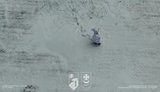 NGU "Burevii" brigade drones tear apart occupier in penguin-like camouflage suit. VIDEO Drone operators of the National Guard of Ukraine (NGU) First Presidential Brigade "Burevii" struck 13 occupiers and three enemy shelters in the Kupiansk direction. 5 233 10 Previously in trend: Destruction of Russian equipment Elimination of Russian occupying forces Fighting in the Kupіansk direction
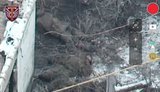 77th Brigade eliminated enemy infantry groups in Kupiansk direction. VIDEO In the Kupiansk direction, pilots of the 77th Separate Airborne Naddniprianska Brigade eliminated Russian military personnel who were attempting to advance in this direction. 2 924 3 Previously in trend: Destruction of Russian equipment Elimination of Russian occupying forces Fighting in the Kupіansk direction
 Devout occupier drops to his knees before Ukrainian drone, crosses himself and begs for his life. VIDEO In the Kupiansk direction, where fierce fighting continues, unusual behavior by a Russian invader has been recorded. As Censor.NET reports, a video filmed by a Ukrainian reconnaissance UAV has appeared online, showing an occupier trying to enter into a "dialogue" with the equipment. 6 807 16 Previously in trend: Fighting in the Kupіansk direction
 Occupiers in supermarket in Kupiansk: SOF eliminated two ruscists and captured two more. VIDEO Special Operations Forces soldiers continue their operation to clear Kupiansk of Russian occupiers. 8 325 13 Previously in trend: Fighting in the Kupіansk direction
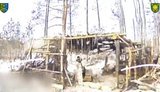 Soldiers of 116th Brigade destroyed cannon and equipment of Russian invaders in Kupiansk direction. VIDEO In the Kupiansk direction, during combat sorties, pilots of the 116th Separate Mechanised Brigade destroyed the occupiers' firepower and logistics equipment. 2 205 2 Previously in trend: Destruction of Russian equipment Fighting in the Kupіansk direction
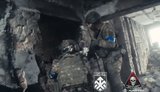 Quarter by quarter: "Khartiia" brigade is clearing Kupiansk of occupiers. VIDEO Ukrainian defence forces continue their active operation to drive Russian invaders out of the Kupiansk region. According to Censor.NET, the "Khartiia" search and strike group is conducting an intensive sweep of Kupiansk, methodically eliminating enemy pockets of resistance. 4 145 3 Previously in trend: Fighting in the Kupіansk direction
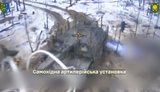 116th Brigade drone operators take out five pieces of occupiers’ equipment in Kupiansk direction. VIDEO Fighters of the 116th Separate Mechanized Brigade struck five pieces of the occupiers’ equipment with drones in the Kupiansk direction. 1 786 2 Previously in trend: Destruction of Russian equipment Fighting in the Kupіansk direction
 Kill zone in Kupiansk: what is happening in the city?. VIDEO Yurii Butusov, commander of the unmanned systems platoon of the National Guard brigade "Khartiia," published a report from the very centre of Kupiansk, demonstrating the new reality of war, where every step is a struggle for survival under the constant watchful eye of the enemy. 8 000 10 Previously in trend: Fighting in the Kupіansk direction
 Paratroopers of 77th Brigade eliminated nine occupiers in Kupiansk direction. VIDEO Ukrainian drone operators from the 77th Separate Airborne Brigade continue to clear the Kupiansk direction of the enemy. 2 878 1 Previously in trend: Drones against occupiers Elimination of Russian occupying forces Elimination of Russian occupiers Fighting in the Kupіansk direction
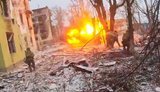 Centre of Kupiansk is under control: "Khartiia" showed footage of city’s cleanup and contact battles. VIDEO Ukrainian defence forces continue to confidently hold and clear the strategically important city of Kupiansk in the Kharkiv region. The search and strike group of the "Khartia" brigade currently has complete control over the city centre and the city council building. 7 371 9 Previously in trend: Fighting in the Kupіansk direction
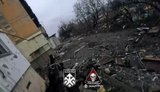 South American volunteers of Khartiia brigade clear Kupiansk city council building. VIDEO A reconnaissance-strike group of South American volunteers from the NGU "Khartiia" brigade conducted a special operation to clear the city council building in Kupiansk. 9 384 17 Previously in trend: Close-quarters combat Fighting in the Kupіansk direction
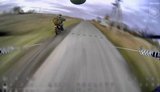 Drone catches up with "banzai runner": NGU Khartiia pilot eliminates ruscist fleeing on motorcycle. VIDEO In the Kupiansk direction of the frontline in the Kharkiv region, a Ukrainian operator skillfully caught up with and struck a Russian invader on a motorcycle. 3 771 4 Previously in trend: Drones against occupiers Elimination of Russian occupying forces Elimination of Russian occupiers Fighting in the Kupіansk direction
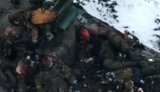 Piles of dead occupiers: Defence Forces fighters struck invaders in Kupiansk direction. VIDEO In the Kupiansk direction, Defence Forces fighters destroyed a column of occupiers during their attempt to storm the positions of Ukrainian soldiers. 11 983 22 Previously in trend: Elimination of Russian occupying forces Elimination of Russian occupiers Fighting in the Kupіansk direction
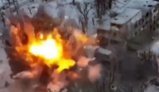 Ukrainian aviation strikes surrounded occupiers in central hospital of Kupiansk. VIDEO Ukrainian aviation delivered a precision strike against Russian occupation forces stationed in the central hospital building in Kupiansk, Kharkiv region. 17 667 34 Previously in trend: Fighting in the Kupіansk direction
 Hid in Kupiansk and adjusted fire on Armed Forces of Ukraine: Special Operations Forces captured Russian occupier. VIDEO During special operations in Kupiansk, Special Operations Forces (SOF) soldiers detected a Russian occupier hiding in the city. 9 329 24 Previously in trend: Fighting in the Kupіansk direction
 Enemy attempted to use "Soyuz" gas pipeline to storm Kupiansk: attempt thwarted, at least 40 occupiers eliminated, - 7th Corps of Airborne Assault Forces. VIDEO In the Kupiansk direction, the 77th separate airborne Naddniprianska brigade of the 7th corps of the Assault Regiment of Airborne Assault Forces thwarted an enemy attempt to storm using the "Soyuz" gas pipeline. 10 029 30 Previously in trend: Fighting in the Kupіansk direction
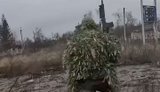 In Kupiansk, ruscists are hiding in high-rise buildings, - "Khartiia". VIDEO In Kupiansk, the remnants of enemy units of the Russian Armed Forces found themselves surrounded by the Defence Forces. 9 254 15 Previously in trend: Fighting in the Kupіansk direction
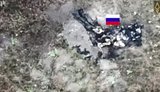 Drones of 429th regiment eliminated 39 Russian assault troops in Kharkiv region. VIDEO Soldiers from the 429th Separate Unmanned Systems Regiment "ACHILLES" shared footage of eliminated Russian assault troops near Kupiansk in the Kharkiv region. 5 156 2 Previously in trend: Drones against occupiers Elimination of Russian occupying forces Elimination of Russian occupiers Fighting in the Kupіansk direction
 Putin was again briefed on capture of Kupiansk: "Enemy is unsuccessfully trying to take it back". VIDEO Russian Defence Minister Andrei Belousov has made another claim that the city of Kupiansk in the Kharkiv region has allegedly been occupied. 9 836 57 Previously in trend: Fighting in the Kupіansk direction
 Kupiansk, Siversk, Pokrovsk, Zaporizhzhia | Yurii Butusov. VIDEO Yurii Butusov, platoon commander of the 13th Brigade of the NGU "Khartiia," analyses the situation on the front line live on air and gives a detailed account of the successful counterattack by Ukrainian defenders in Kupiansk, Kharkiv region. 5 741 0 Previously in trend: Butusov Plus Fighting in the Kupіansk direction
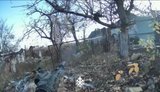 Soldiers of the National Guard "Khartia" together with foreign volunteer fighters cleared building of Russian forces in Kupiansk direction. VIDEO A video has been published online showing episodes of combat operations by the 2nd Corps of the Ukrainian National Guard "Khartia" during the unblocking of urban buildings in the Kupiansk district of the Kharkiv region. 7 718 10 Previously in trend: Drones against occupiers Elimination of Russian occupying forces Elimination of Russian occupiers Fighting in the Kupіansk direction
Page 1 of 2
more video