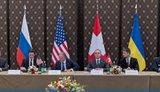
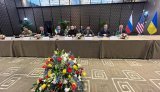
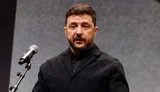
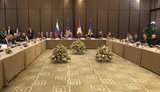
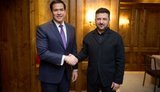
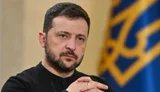
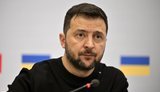
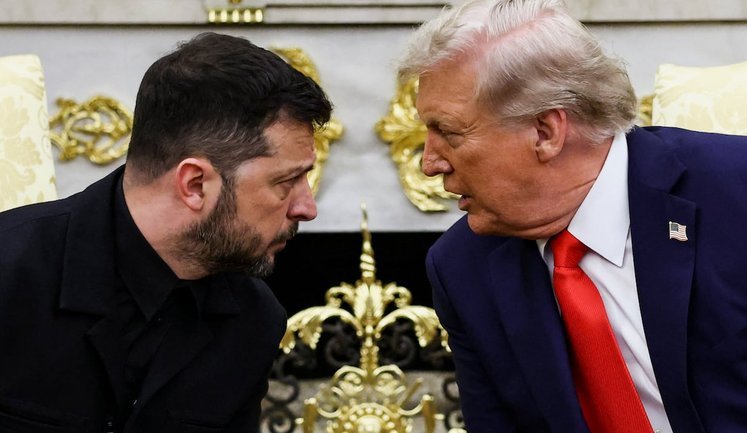
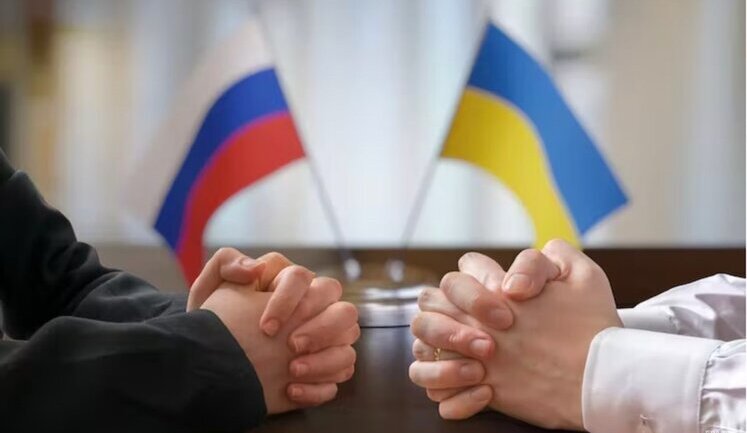
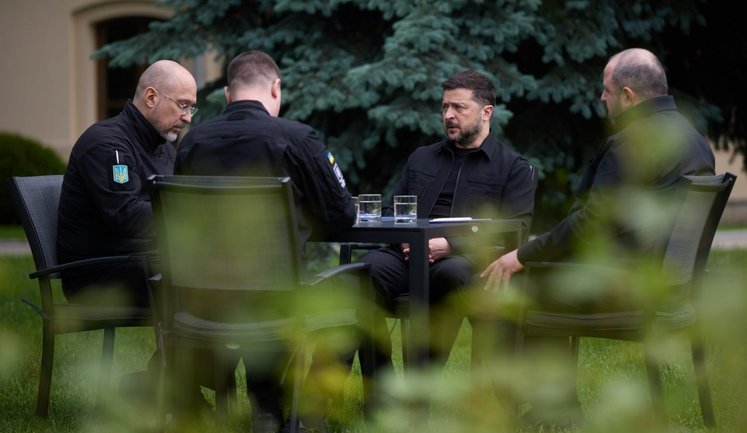
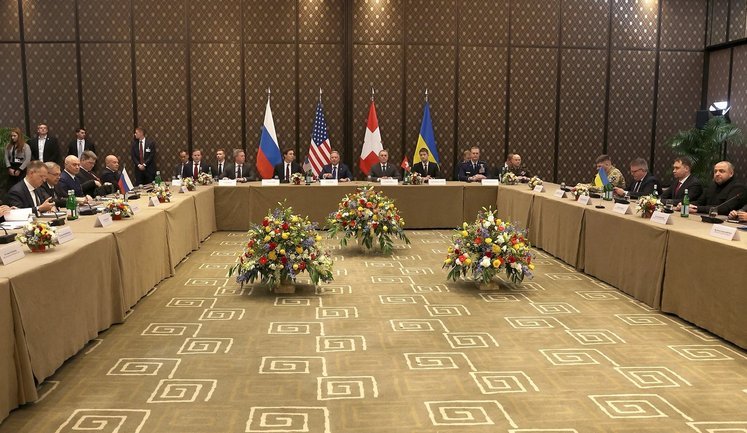
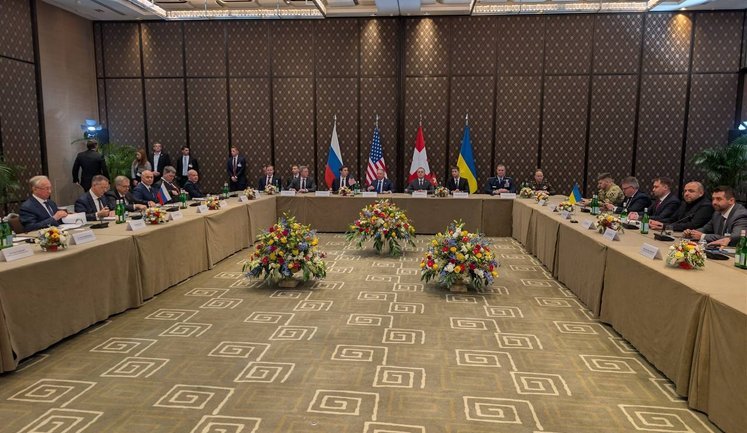
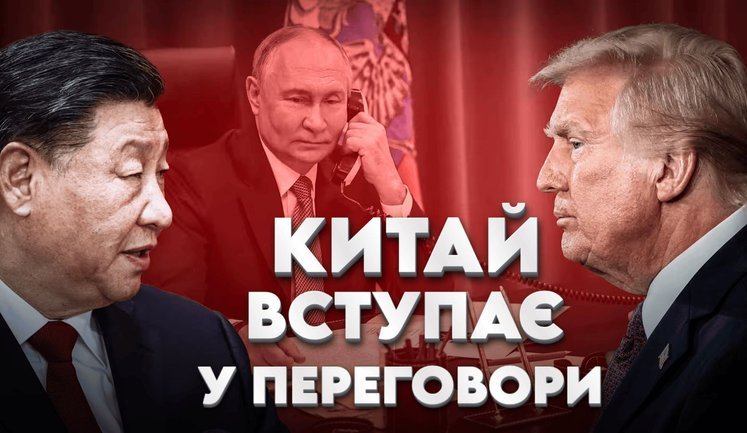
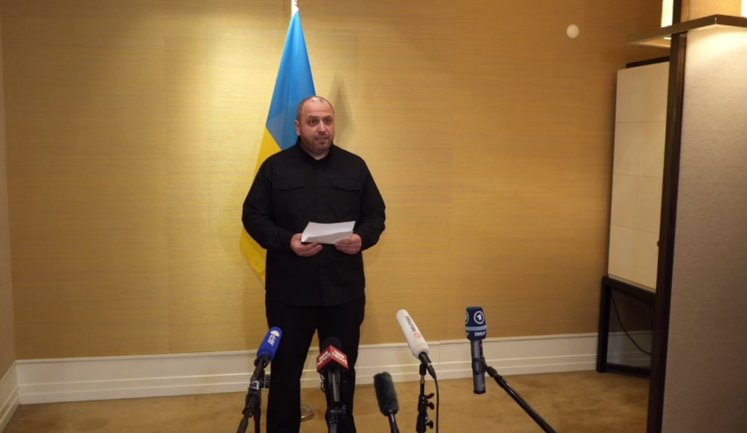
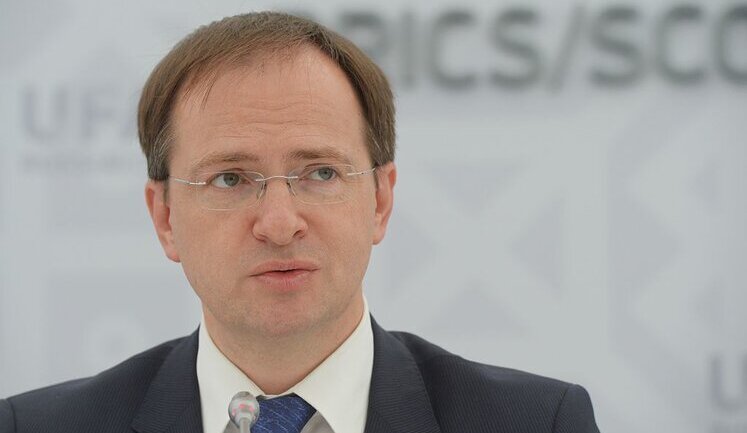
Peace negotiations between Ukraine and Russia remain a central international concern as the war persists in 2026. Despite Ukraine's proposal for Turkey to facilitate talks, the Kremlin's priorities lie elsewhere, leaving the process in limbo. Turkish President Erdogan confirmed readiness to support discussions at the highest level. Still, the complex dynamics of diplomacy have led to a standstill, with the U.S. trying various approaches. Ukrainian President Zelenskyy is actively seeking a resolution through initiatives like trilateral talks with the U.S., though internal challenges, including Russia's stiff negotiating stance and a shift in U.S. focus towards the Middle East, complicate efforts to achieve lasting peace. Europe is urged to play a bigger role in shaping the outcome of these critical negotiations.
What role is Turkey playing in the peace negotiations?
Turkey is positioned as a potential mediator willing to host high-level meetings between Ukrainian President Volodymyr Zelenskyy and Russian President Vladimir Putin to advance peace negotiations. President Erdogan's statement reflects Turkey's strategic interest and readiness to facilitate dialogue between the conflicting parties. This move underscores Turkey's diplomatic influence in the region and commitment to encouraging direct talks that could shift the current impasse towards constructive resolution.
Why are the peace negotiations stalled between Ukraine and Russia?
The peace negotiations are stuck primarily due to the diverging priorities and approaches of the involved parties. Russia is not prioritizing negotiations with Ukraine at this time, as emphasized by Foreign Minister Lavrov. The U.S. focus has partly shifted towards tensions in the Middle East, which also affects the momentum of talks. Additionally, strategic issues, such as territorial and security guarantees and a general lack of willingness from Moscow to compromise, contribute to this impasse.
What is the stance of Ukrainian leadership on the ongoing conflict?
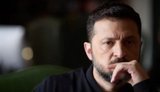
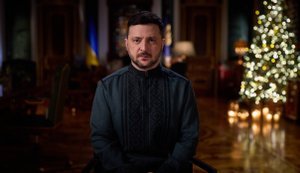
Ukrainian leadership, spearheaded by President Volodymyr Zelenskyy, remains committed to seeking a peaceful resolution to the conflict. Zelenskyy is actively engaging in diplomatic efforts, proposing multiple venues for talks and emphasizing the necessity of Europe's involvement. Despite setbacks, Ukraine continues to push for substantial negotiations and is in continuous contact with allies, aiming to organize trilateral meetings involving the United States and Russia to overcome the current deadlock.
How is the United States contributing to the peace process?
The United States plays a critical role as a mediator and supporter in the peace negotiations between Ukraine and Russia. Though geopolitical distractions persist, such as the situation in the Middle East, U.S. representatives are engaged in facilitating talks and exerting diplomatic pressure. The U.S. also emphasizes ensuring Ukraine's security and territorial sovereignty while pursuing strategic dialogues through envoys and special representatives to help find common ground between the conflicting nations.
What involvement does Europe have in resolving the Ukraine conflict?
Europe's involvement in resolving the Ukraine conflict is considered vital by various global leaders, including those from Ukraine and Finland. European countries are urged to take greater responsibility in peace talks to ensure that negotiated agreements address the region's security and political dynamics comprehensively. Europe's engagement could lend additional diplomatic weight and accountability to the ongoing negotiations, further aligning efforts with international allies to facilitate a sustainable resolution.