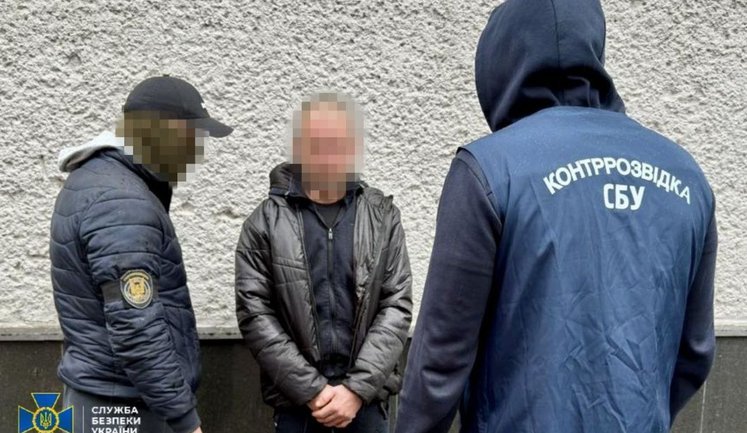
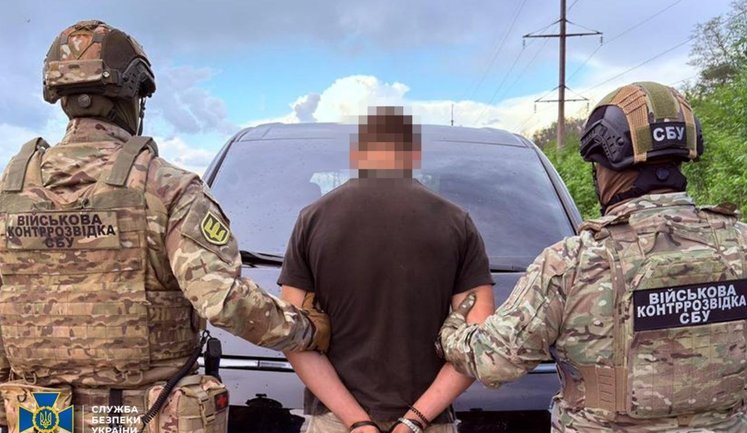
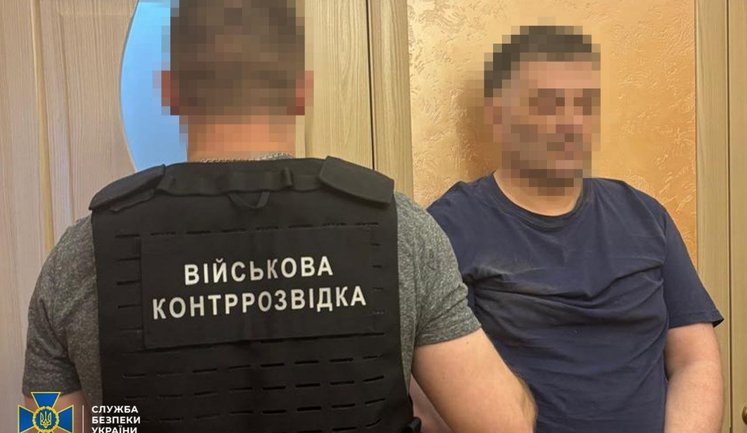
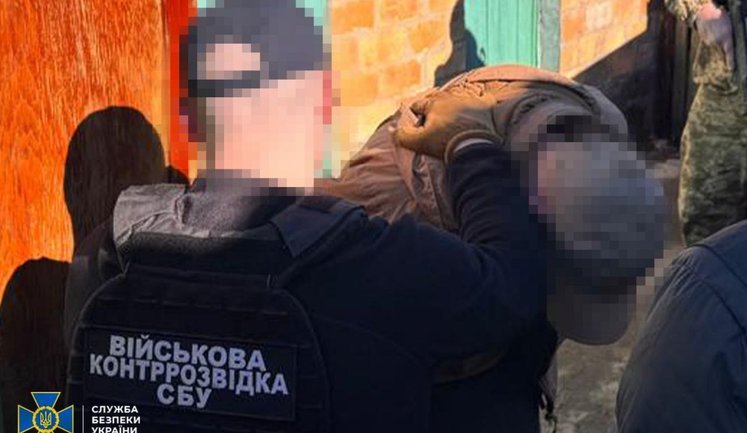
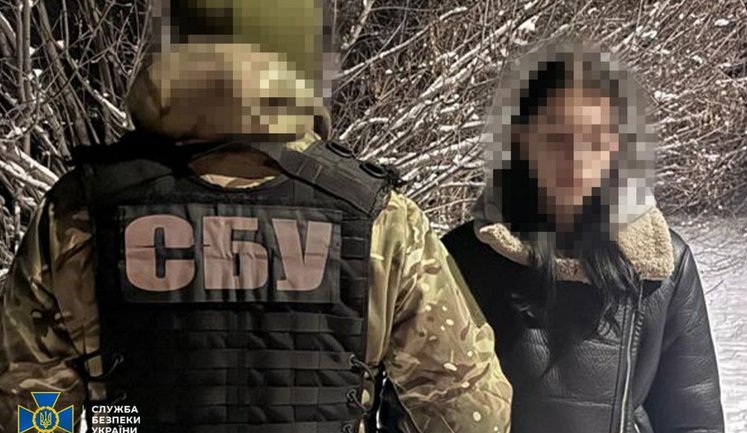
In recent developments, the Security Service of Ukraine (SSU) has unveiled a series of arrests targeting Russian operatives who played pivotal roles in directing military strikes across the nation. Notable incidents include the capture of individuals adjusting Russian missile and drone strikes in the Odesa, Kharkiv, and Donetsk regions. In Odesa, an FSB agent was intercepted while targeting air defence coordinates, while in Kharkiv, a Russian informant was planning attacks on a thermal power plant. Additionally, the SSU detained a 17-year-old in Dnipro, exposing how deeply embedded the espionage network is. This wave of detentions underscores the ongoing threat posed by foreign agents and their impact on Ukraine's security infrastructure. The counterintelligence operations by the SSU have been instrumental in thwarting potential attacks, thereby maintaining the safety of critical infrastructure and defense installations across various regions of Ukraine.
How does the SSU detect Russian agents in Ukraine?
The SSU employs advanced counterintelligence techniques, including surveillance, operational analysis, and cooperation with local agencies to infiltrate and identify Russian agents operating within Ukrainian borders. Reports also indicate the use of human sources and intercepted communications to trace suspicious activities linked to espionage efforts.
What impact have Russian agents had on Ukraine's defense strategies?
Russian agents have significantly impacted Ukraine's defense by providing adversaries with crucial intelligence on military positions and energy infrastructure, facilitating more precise attacks. These activities affect the strategic deployment of Ukrainian forces and require constant adjustment of defense strategies to counteract the threats effectively.
Are there specific regions more targeted by Russian agents?
In Ukraine, Russian agents have shown heightened activity in regions such as Donetsk, Dnipro, and Kharkiv due to their strategic military significance and infrastructure. These areas have consistently witnessed sabotage attempts, highlighting their importance in the ongoing conflict and the focus of enemy intelligence operations.
What measures does Ukraine take after detaining Russian agents?
Post-detention, Ukraine conducts rigorous interrogations and investigations to unravel broader networks and connections, followed by legal proceedings against apprehended individuals. Additionally, security protocols are reassessed to fortify susceptibilities exploited by such spies, enhancing future preventative measures against espionage activities.
How do Russian agents gather information for strikes?
Russian agents utilize various tactics to gather critical data, including deploying surveillance devices like hidden cameras, leveraging contacts within key infrastructure sectors, and employing technological means such as GPS trackers. These methods help them compile extensive reconnaissance on potential targets for Russian military operations.