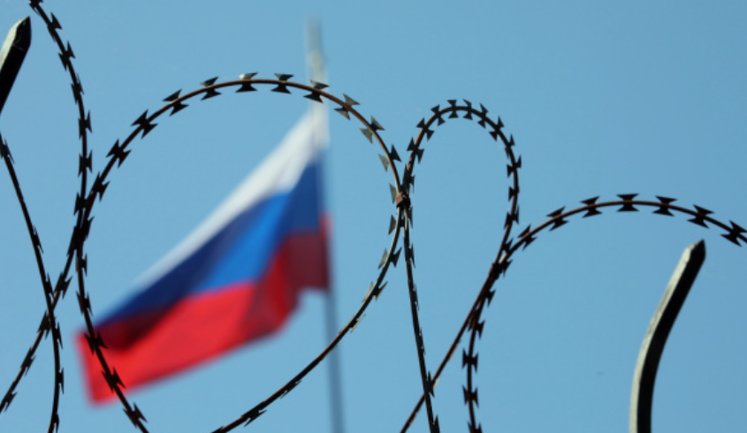
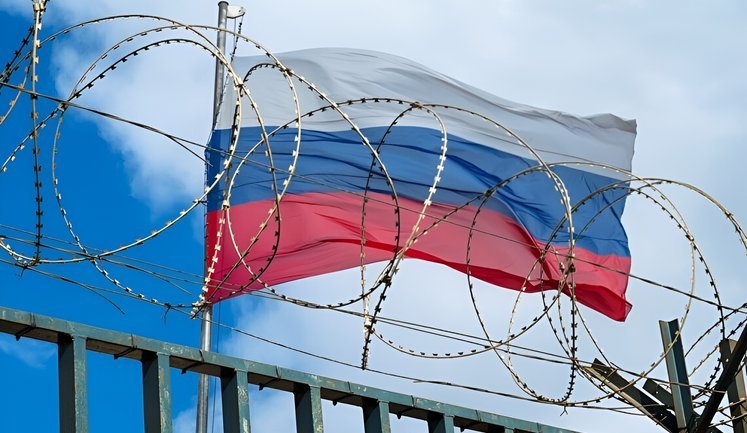
The United Kingdom has imposed substantial sanctions on Russia, targeting 85 individuals and organizations linked to the deportation and militarization of Ukrainian children. These sanctions demonstrate the UK's commitment to protecting Ukraine's sovereignty. Additionally, the UK plans to join a €90 billion EU loan initiative to bolster Ukraine's defense capabilities, highlighting the strategic partnership between the EU and the UK. In parallel, the UK continues to deepen defense cooperation with Ukraine, evident in agreements involving military technology and weapons production. These efforts underscore the UK's proactive stance on international security, especially concerning Russian aggression.
What are the latest sanctions the UK has imposed on Russia?
The United Kingdom has imposed sanctions on 85 individuals and organizations involved in the abduction and militarization of Ukrainian children by Russia. These measures form part of the UK's wider strategy to counter Russian aggression and support Ukraine's sovereignty. The sanctions target those conducting these actions, reflecting the UK's firm stance against the exploitation and manipulation of Ukrainian children in conflicts.
How is the UK supporting Ukraine in its defense efforts?
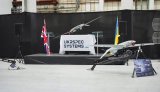
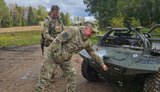
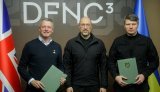
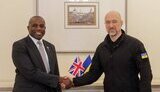
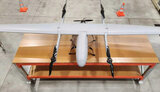
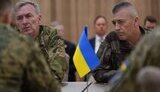
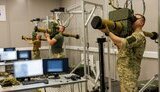
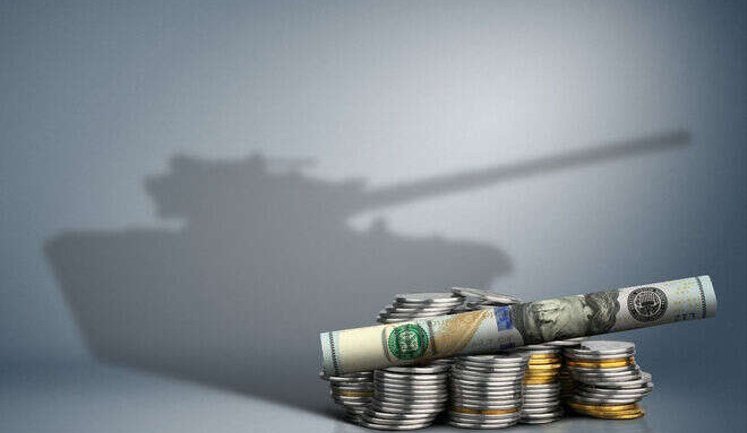
The UK is supporting Ukraine's defense through substantial military aid and cooperation agreements. This includes a commitment to join an EU loan program worth €90 billion to enhance Ukraine's defense capabilities and procure military equipment. Additionally, the UK is sending military drones and has signed defense cooperation declarations encompassing technology and arms development. These steps demonstrate a robust UK-Ukrainian partnership in enhancing security and defense.
Is the UK planning any joint programs with the EU regarding Ukraine?
Yes, the UK plans to join the EU's €90 billion lending program aimed at supporting Ukraine. This collaboration will provide financial resources to buy military equipment and support defense initiatives, showcasing a strong focus on collective security efforts and European cooperation in response to the ongoing conflict and Russian aggression against Ukraine.
What was the purpose of King Charles III's recent US visit?
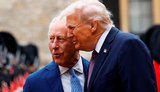
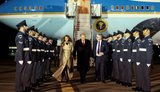
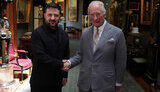
The visit of King Charles III to the United States aimed at strengthening international relationships and delivering significant political messages, particularly in the context of complex global scenarios. His visit included discussions with U.S. leaders and allies, focusing on shared interests and reinforcing diplomatic bonds, highlighting the strategic importance of UK-US relationships in today's geopolitical climate.
What actions has the UK taken regarding Russia's "shadow fleet"?
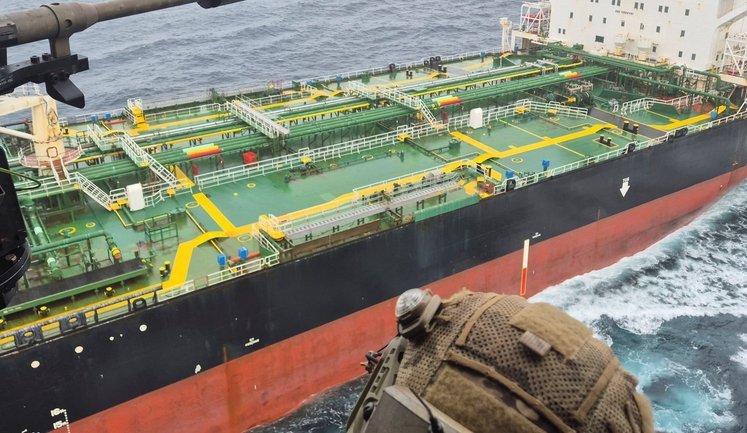
The UK has authorized military and law enforcement agencies to intercept and detain Russian tankers within its waters, as part of efforts to enforce sanctions and prevent violations by Russia's "shadow fleet". Additionally, the UK is planning to establish a command center to monitor and counteract these vessels, reinforcing its commitment to maintaining the integrity of international sanctions regimes.
How has the UK responded to energy concerns amid Russian tensions?
The UK has been proactive in addressing energy security concerns by advocating increased North Sea oil production to mitigate rising energy costs and dependency. These measures are part of broader strategies to secure energy supplies and reduce vulnerabilities stemming from geopolitical tensions with Russia, ensuring a stable and reliable energy framework for the UK and its allies.
What are Britain's plans regarding military presence in Norwegian territories?
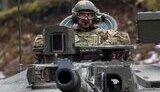
The UK plans to double its military presence in Norway, increasing troop numbers from 1,000 to 2,000 over the next three years. This expansion is part of broader measures to strengthen defense capabilities in response to increased Russian military activities in the Arctic, reinforcing the UK's commitment to regional security and NATO obligations amid growing geopolitical challenges.