ENG




6694 visitors online
Lyman, located in the Donetsk region, is currently a hotspot of intense military activity. Ukrainian Defense Forces recently thwarted a significant Russian offensive in this area. The operation led to the destruction of 20 enemy vehicles and the elimination of dozens of Russian personnel. This incident highlights the ongoing efforts of the Ukrainian military to defend their positions in the region and sustain their strategic advantage. Meanwhile, units like the SIGNUM battalion continue to display exceptional skill in aerial combat, particularly against Russian UAVs. The situation remains tense but seems to reflect a robust Ukrainian resistance.
What recent events occurred in Lyman, Donetsk region?
Recently, Ukrainian forces successfully repelled a large-scale Russian offensive in Lyman, resulting in the destruction of numerous enemy vehicles and soldiers. This marks a significant setback for Russian military efforts in the area.
How have Ukrainian forces performed in the Lyman direction?
Ukrainian forces have shown formidable defense capabilities in the Lyman direction, successfully intercepting enemy assaults and causing substantial losses of personnel and equipment to Russian forces, reinforcing their strategic position.
Why is Lyman strategically important in the Donetsk region?
Lyman's strategic importance lies in its position as a defensive stronghold for Ukrainian forces in the Donetsk region, a key area targeted by Russian forces due to its tactical value in the wider conflict scenario.
What challenges do civilians face in Lyman, Donetsk region?
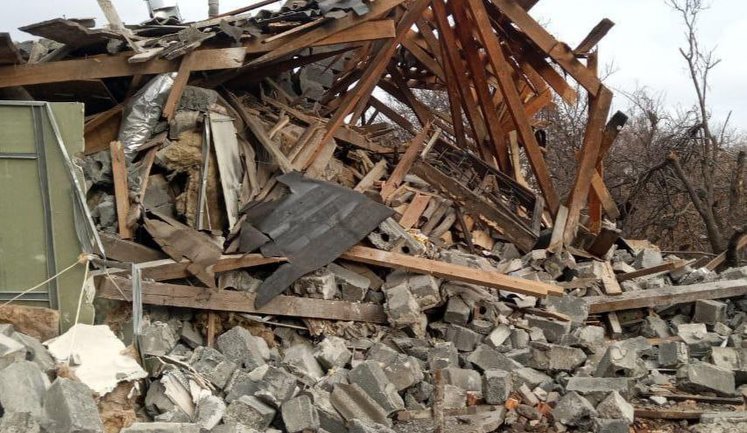
Civilians in Lyman face significant challenges due to continuous shelling and military confrontations, resulting in casualties and widespread destruction of property, exacerbating humanitarian conditions in the region.
How does the conflict in Lyman impact the broader war in Ukraine?
The conflict in Lyman greatly impacts the broader war in Ukraine by determining control over strategic locations, influencing morale and military momentum, and affecting the local and international political landscape.
What role do UAVs play in the Lyman conflict?
UAVs play a crucial role in the Lyman conflict by enabling precision strikes, providing reconnaissance, and disrupting enemy movements, giving Ukrainian forces a significant tactical advantage on the battlefield.
News Lyman, Pokrovskyy district, Donetska region
 Russia has focused its main offensive on Lyman sector but is suffering record losses, - Trehubov Currently, the Russian army is focusing its main offensive efforts on the Lyman sector, which remains one of the key areas for the occupying forces. 1 125 3 Previously in trend: Hostilities in Lyman sector
 Russian troops are trying to gain foothold on eastern outskirts of Lyman, - Joint Forces Task Force Russian troops have stepped up their activity in the Lyman sector, attempting to launch offensives and consolidate their positions in certain sections of the front. 2 397 15 Previously in trend: Hostilities in Lyman sector
 Occupier torn in half by drone strike lay dying among branches for half hour. VIDEO 18+ Another case of a devastating strike on enemy manpower using strike drones has been recorded in the Lyman direction. As reported by Censor.NET, aerial reconnaissance fighters of the 63rd Separate Mechanized Brigade released footage demonstrating the consequences of a direct FPV drone hit on a... 11 420 71 Previously in trend: Elimination of Russian occupying forces
 "SIGNUM" drone operators from 59th Brigade eliminated around 30 occupiers in forests near Lyman. VIDEO Operators from the SIGNUM battalion of the 59th Separate Brigade have demonstrated exceptional effectiveness in deploying the latest technologies on the battlefield. A video has been released online showing a large-scale elimination of enemy personnel in the wooded areas near Lyman in the... 2 943 5
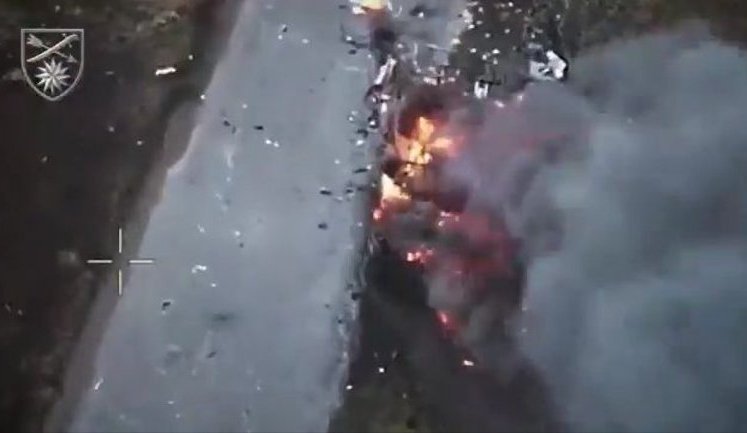
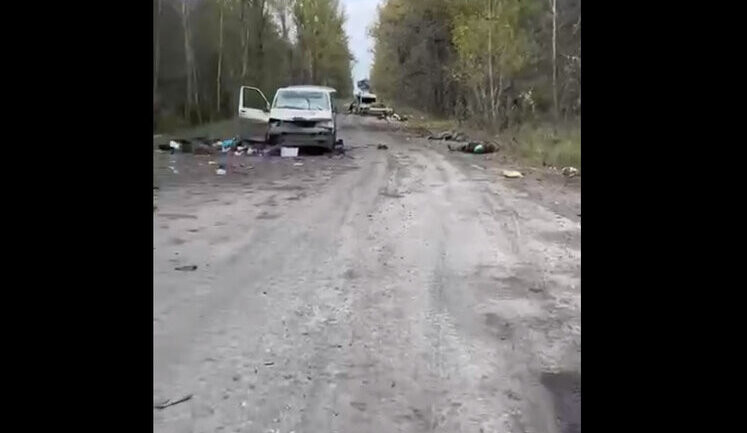
 Massive assault failed: 20 enemy vehicles and half hundred occupiers destroyed near Lyman. VIDEO The Ukrainian Defence Forces have repelled a large-scale offensive by Russian invaders in the Lyman sector. As a result of coordinated actions by several units, the enemy suffered significant losses in personnel and armoured vehicles. 15 345 13 Previously in trend: Hostilities in Lyman sector
 Dog digs its paws into ice and slides, trying to tear off piece of eliminated occupier’s arm with its teeth. VIDEO 18+ The Russian command continues to throw its soldiers to the slaughter, without even attempting to evacuate the bodies of the dead. As reported by Censor.NET, shocking footage from the Lyman direction has appeared online, showing stray animals feeding on the remains of an occupier. 10 182 23 Previously in trend: Animals in combat zone
 Pilots of SIGNUM battalion shot down 12 reconnaissance UAVs of occupiers in Lyman direction. VIDEO While Russian invaders try to conduct aerial reconnaissance under the cover of darkness, Ukrainian masters of the night sky are carrying out a large-scale demilitarisation operation against them. According to Censor.NET, pilots from the SIGNUM battalion have demonstrated impressive results in... 928 1 Previously in trend: Destruction of Russian drones
 Occupier commits suicide with grenade after failed assault in Lyman direction. VIDEO Russian soldiers continue to choose death over capture or defeat on the battlefield. According to Censor.NET, a video has appeared online showing the spectacular self-elimination of an invader in the Donetsk region. 4 439 11 Previously in trend: Occupiers’ suicide on battlefield
 No pause in sky: SIGNUM "landed" 12 enemy drones in the Lyman direction. VIDEO In the Lyman direction, the SIGNUM unit demonstrated exceptional effectiveness in combating Russian unmanned aerial vehicles. 2 423 1 Previously in trend: Destruction of Russian drones
 Lasar’s Group drones of National Guard of Ukraine struck 12 enemy vehicles. VIDEO Lasar's Group NGU conducted a successful special operation: 12 enemy vehicles were destroyed. 2 372 0 Previously in trend: Destruction of Russian equipment Hostilities in Lyman sector
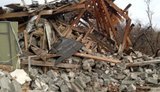 Shelling of Donetsk region: at least 3 people killed and 9 wounded. PHOTOS Today's Russian strikes on the Donetsk region have resulted in casualties and injuries. 1 244 1 Previously in trend: Shelling of the Donetsk region
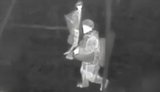 Night hunt: Ukraine’s fiber-optic FPV drones kill 28 occupiers in Lyman direction. VIDEO In the Lyman direction of the front, Ukraine’s Defense Forces carried out an effective night operation using fiber-optic FPV drones, killing 28 occupiers. 6 301 7 Previously in trend: Hostilities in Lyman sector
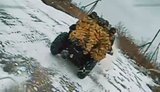 Assault on quad bikes in snowstorm: SIGNUM pilots thwarted occupiers’ attack in Lyman direction. VIDEO On the road to Yampil, on the Lyman front, Russian occupation forces attempted an assault using quad bikes and unfavourable weather conditions. The enemy hoped to take advantage of snowfall, strong winds and limited visibility to secretly advance their assault group. 6 237 10 Previously in trend: Elimination of Russian occupying forces
 In 2025, fighters of 60th Mechanised Brigade take out more than 8,200 occupiers, dozens of tanks and 13,500 UAVs. VIDEO The painstaking work of artillerymen, infantrymen and drone operators of the 60th Separate Mechanised Brigade has yielded significant results in the fight against the enemy in the Lyman direction. 2 042 2 Previously in trend: Drones against occupiers Destruction of Russian equipment Elimination of Russian occupying forces Combat operations in the Pokrovsk direction Elimination of Russian occupiers
 Lyman in Donetsk region blanketed in drone fiber-optic cables like spiderwebs. VIDEO The village of Lyman in Donetsk region is blanketed in fiber-optic cables left behind by drones. 7 697 62 Previously in trend: Hostilities in Lyman sector
 Ukrainian assault troops eliminated seven occupiers in Lyman direction. VIDEO Ukrainian defenders destroyed a group of Russian infantrymen in close combat on the Lyman front. The video of the combat operation was released by soldiers of the 1st Mechanised Battalion of the 60th Separate Mechanised Brigade. 6 348 10 Previously in trend: Close-quarters combat
 Artillerymen of 63rd Brigade hit Russian soldier with shell from distance of 12 km in Lyman direction. VIDEO In the Lyman direction, the artillery unit of the 63rd Separate Mechanised Brigade demonstrated exceptional accuracy. A shell fired from a 2S1 Gvozdika self-propelled howitzer flew 12 kilometres and hit a Russian soldier moving along a tree line. 4 308 4
 Five Russian reconnaissance drones were destroyed by SIGNUM pilots in Lyman direction. VIDEO Pilots from the SIGNUM battalion have once again successfully carried out Russian aerial reconnaissance in the Lyman direction. 2 485 2 Previously in trend: Ukrainian Air defence
 Ukrainian pilots destroyed Russian "Solntsepyok" heavy flamethrower system in Lyman direction. VIDEO Ukrainian defenders managed to destroy the TOS-1A "Solntsepyok" heavy flamethrower system. 5 066 2 Previously in trend: Destruction of Russian equipment
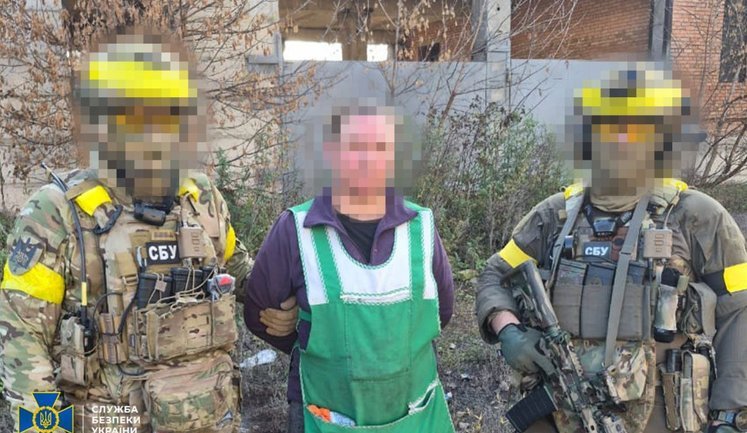
 SSU detains Russian GRU informant who adjusted Russian bombings of Lyman. PHOTO The counterintelligence of the Security Service of Ukraine (SBU) has detained another informant for Russia’s military intelligence in Donetsk region. 3 623 4 Previously in trend: Dissemination of information about the AFU
Lyman faces most difficult situation in Donetsk region: about 3,500 civilians remain, outskirts under fire – Filashkin Head of the Donetsk Regional Military Administration (RMA) Vadym Filashkin said that the situation in the city of Lyman is currently the most difficult in the region. 830 1 Previously in trend: Situation in the Donetsk region
 Anti-aircraft gunners of 63rd Brigade destroyed 31 Molniya strike drones over Lyman area. VIDEO Operators of anti-drone units from the 63rd Brigade shot down more than thirty Russian Molniya UAVs over the Lyman area. 1 301 1 Previously in trend: Interceptor drones
 "Armored" "loaf" destroyed and occupiers eliminated - combat performance by SIGNUM drone operators. VIDEO In the Lyman sector, SIGNUM attack drones operators attacked the occupiers' positions, destroying enemy equipment and manpower. 2 701 3 Previously in trend: Destruction of Russian equipment Elimination of Russian occupying forces Hostilities in Lyman sector
 Minus "Solntsepok", dozen occupiers and equipment: combat work of "Phoenix" unit. VIDEO Ukrainian border guards of the Phoenix unit are destroying enemy equipment and manpower in different directions. 4 784 3 Previously in trend: Destruction of Russian equipment Elimination of Russian occupying forces Destruction of the occupiers’ firing positions
 Occupier throws down his weapon and tries in vain to escape from kamikaze drone. VIDEO The operator of a Ukrainian drone from the "SIGNUM" battalion eliminated the occupier, who threw away his assault rifle on the move and tried to flee to avoid a drone attack. 4 479 11 Previously in trend: Elimination of Russian occupying forces
 Inhulets Brigade eliminates occupiers, showcases strike drone operations at night. VIDEO The UAV battalion VIDARR of the 60th Separate Inhulets Mechanized Brigade has released footage of Russian occupiers being eliminated in the Lyman direction. The video, published on the Telegram channel of the Dnipro Operational-Strategic Group of Forces and reported by Censor.NET, shows drone... 1 848 0
 Soldiers attack occupiers with drones: "Schweiger, enemy is at crossing!" "I’m flying, flying, f#ck!". VIDEO Drone operators from the "SIGNUM" battalion of the 53rd Prince Volodymyr Monomakh Mechanised Brigade successfully attacked a group of occupiers and enemy equipment near a river in the Lyman sector. 7 661 7 Previously in trend: Drones against occupiers
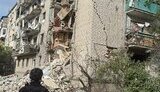 Day in Donetsk region: Russians killed resident of Kostiantynivka. Six more were wounded. PHOTOS Over the past 24 hours, shelling was recorded in 6 localities: the cities of Bilytske, Kostiantynivka, Lyman, Pokrovsk, and the villages of Andriivka-Klevtsove and Ivanivka. 829 0 Previously in trend: Shelling of the Donetsk region
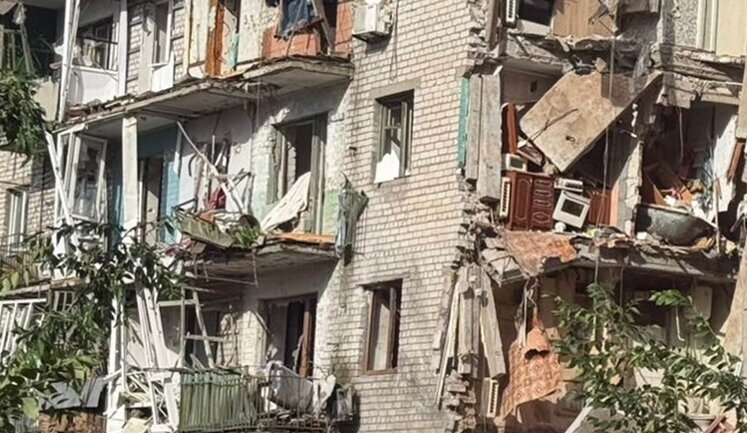
 Family with child was wounded as result of attack by occupiers on high-rise building in Lyman. PHOTO Today, on 29 June 2025, Russian troops shelled a residential area in the frontline town of Lyman in Donetsk Oblast, injuring people, including a 12-year-old child. 1 165 1 Previously in trend: Shelling of the Donetsk region
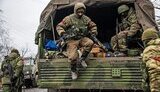 Large enemy movement and huge accumulation of forces in Lyman-Kupiansk sector spotted, - NGU "Rubizh" brigade Russian occupiers continue to develop attempts to storm the positions of the Ukrainian military in the Lyman-Kupiansk direction. 13 373 26 Previously in trend: Hostilities in Lyman sector Rubizh Brigade
 Day in Donetsk region: three districts under attack, one person killed, eight wounded. PHOTO Yesterday, on 17 May 2025, Russian troops attacked 3 districts of the Donetsk region. 664 0 Previously in trend: Shelling of the Donetsk region
 Enemy is not giving up on attempts to capture Lyman. However, it seems that it no longer has enough forces - 63rd SMB In the Liman direction, Russians are storming the positions of Ukrainian defenders without heavy equipment. Recently, they have been using mostly small groups. 775 0 Previously in trend: Hostilities in Lyman sector
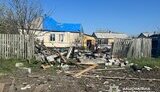 Consequences of hostile shelling in Donetsk region: Kostiantynivka, Sloviansk, and Lyman came under fire. One person died and one was wounded. PHOTOS Over the past 24 hours, on 18 April, police recorded 3,469 Russian attacks on the frontline and residential areas in the Donetsk region. 1 030 0 Previously in trend: Shelling of the Donetsk region
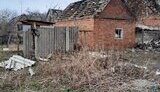 Day in Donetsk region: 3 districts under fire, one person wounded, civilian infrastructure damaged. PHOTO Yesterday, 29 March 2025, Russian troops continued to shell the territory of the Donetsk region. Three districts of the region were under hostile attack. 655 0 Previously in trend: Shelling of the Donetsk region
 Last week, Pokrovsk and Kurakhove sectors were almost equal in number of combat engagements - General Staff Last week, 1412 combat engagements took place at the frontline, with the largest number of enemy attacks recorded in the Pokrovsk, Lyman, Kurakhove and Vremivsk sectors. 345 0
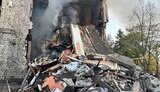 Ruscists hit five-storey building in Lyman, Donetsk region: person wounded and there was damage. PHOTOS Russian occupiers hit a five-storey building in the city of Lyman, Kramatorsk district, Donetsk region. 899 0 Previously in trend: Russian aggression against Ukraine War
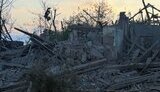 Three people killed in Russian shelling of Donetsk region On 13 October, 3 people were killed as a result of the occupiers' attacks on settlements in the Donetsk region. 734 0
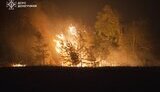 Large-scale forest fire rages for second day in Donetsk region as result of Russian shelling - SES. VIDEO+PHOTOS This was reported by the State Emergency Service of Ukraine, Censor.NET reports. 1 804 1 Previously in trend: Russian aggression against Ukraine War
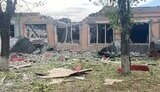 As result of Russian strike on Lyman in Donetsk region, 2 people were killed and 6 wounded. PHOTOS On 23 July, Russian troops shelled the town of Lyman in the Donetsk region, killing 2 people and injuring 6 others. 1 254 0
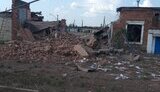 As result of Russian shelling, administrative building of Ukrzaliznytsia in Lyman was destroyed. PHOTO A railway building in Lyman, Donetsk region, was destroyed by Russian shelling and is beyond repair. 2 439 1 Previously in trend: Russian aggression against Ukraine War
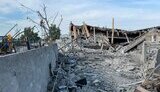 Russian troops shell Lyman in Donetsk region: at least 5 people wounded. PHOTOS On 15 July, the occupiers attacked the town of Lyman in the Donetsk region with multiple rocket launchers. At least 5 people were wounded as a result of the shelling. 1 045 0
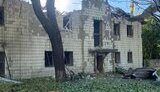 Occupiers drop bomb on Lyman, 4 people wounded. PHOTO Russian occupiers dropped a bomb on Lyman in the Donetsk region, injuring four people. 1 166 0 Previously in trend: War
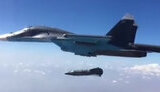 Russians intensify activity in Lyman sector using GABs - OSGT "Khortytsia" In the Lyman sector, Russian troops intensified their activity by dropping guided aerial bombs. 1 468 1
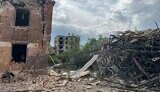 Russians shelled Lyman three times: at least 8 people were injured, houses and administrative buildings were damaged. PHOTOS On the afternoon of 29 May 2024, Russian troops fired three times at Lyman, Donetsk region. At least 8 people were injured. 1 228 0 Previously in trend: War
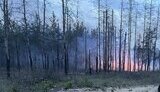 As result of Russian shelling near Lyman, 300 hectares of forest are burning As a result of the shelling by the occupiers, a forest in the Lyman Territorial Community (Donetsk region) caught fire. 2 256 2 Previously in trend: War
 Ukrainian Armed Forces have some successes in Lyman direction in area of Serebrianskyi forestry - OSGT "Khortytsia" The defense forces managed to improve the tactical situation in the Lyman direction in the area of Serebrianskyi forestry. 6 127 18 Previously in trend: War
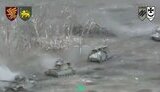 Ukrainian defenders repelled enemy assault and destroyed column of Russian armored vehicles in Lyman direction. VIDEO Mines, artillery fire, ATGMs, and FPV drones: all this arsenal was used against a convoy of Russian armored vehicles in the Lyman sector. 24 204 25 Previously in trend: War
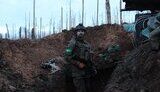 National Guard brigade soldiers destroy 30 enemy dugouts in Serebrianskyi Forest over week Soldiers of the National Guard brigades are destroying enemy equipment and personnel in the Liman sector on a daily basis. 1 190 2 Previously in trend: War
Page 1 of 4
more news