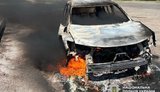
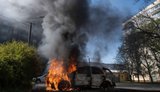
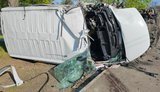
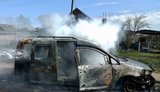
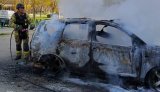
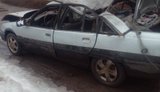
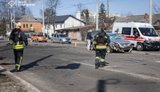
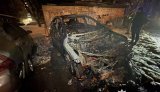
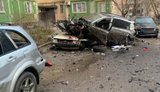
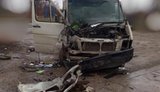
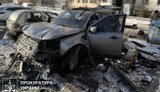
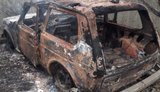
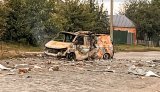
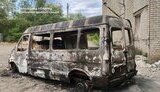
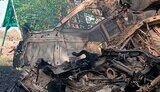
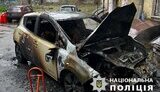
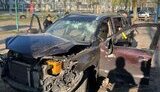
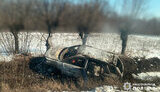
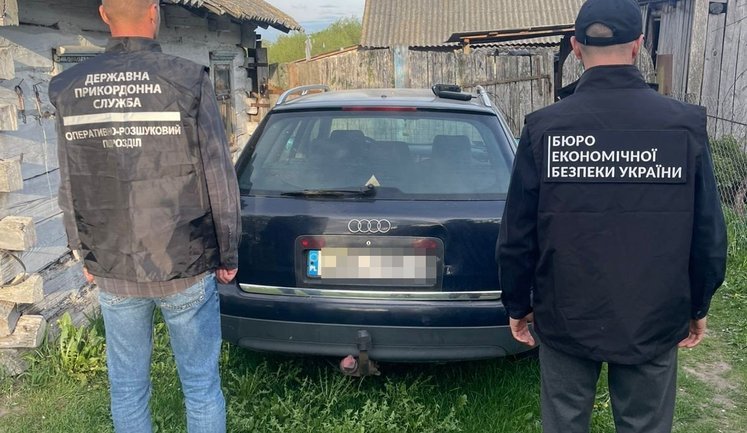
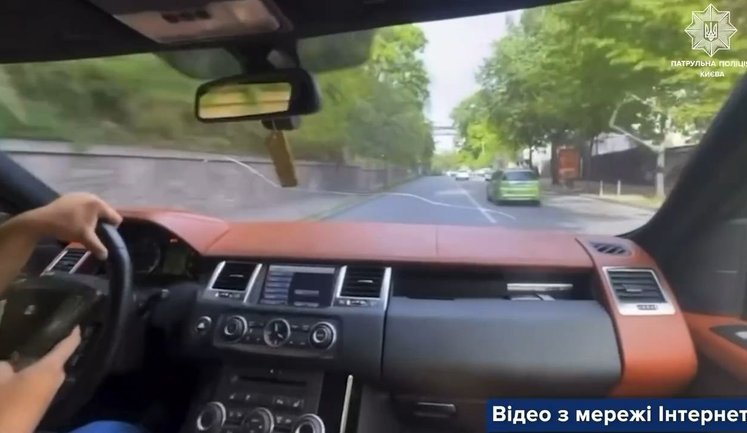
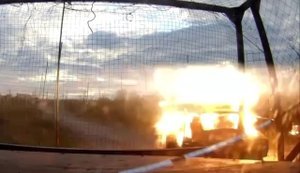
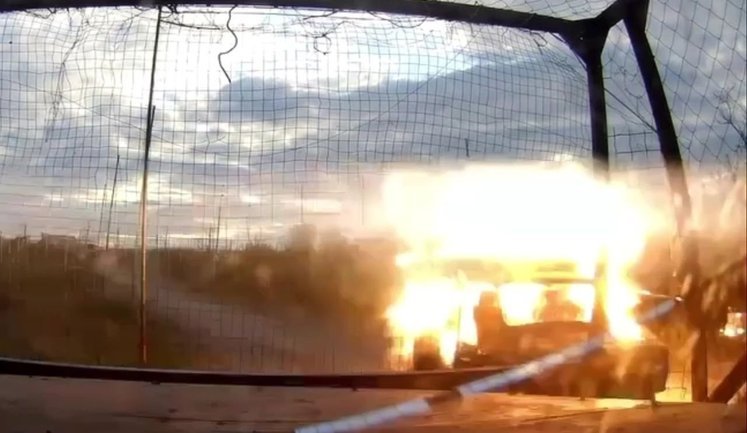
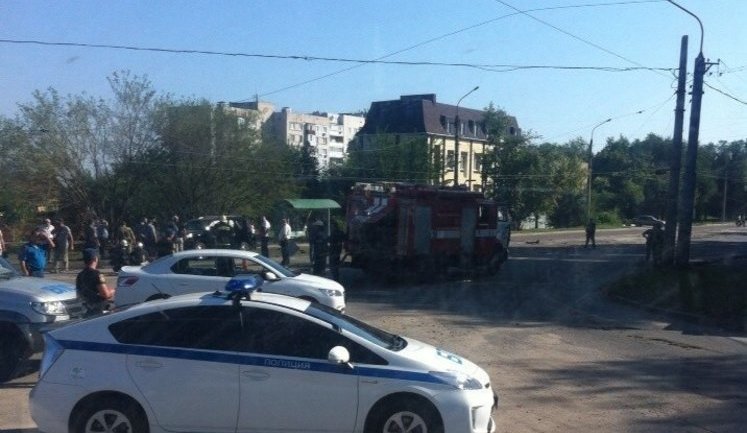
Recent events in Ukraine have highlighted significant challenges for the auto sector. Drone attacks are increasingly targeting civilian vehicles, such as the tragic strike in Sumy that resulted in the death of a 39-year-old truck driver. These attacks underscore the ongoing danger posed by UAVs on Ukrainian roads. In addition to safety concerns, luxury car spending by Ukrainian MPs, reported to be around 100 million UAH in 2025, has drawn public attention. This spending reflects broader economic trends and priorities amid the current conflict. Furthermore, incidents of explosive devices targeting cars in regions like Kherson and Odesa illustrate the volatile security environment. Stay updated with developments involving vehicles as both targets and symbols in Ukraine's ongoing situation.
How frequently are drones attacking vehicles in Ukraine?
Drone attacks on vehicles in Ukraine have been frequent, affecting areas such as Sumy and Kherson. These attacks often target civilian vehicles, leading to casualties and raising concerns about safety and security.
What is the impact of drone strikes on civilian cars?
Drone strikes on civilian cars have resulted in numerous injuries and fatalities in affected regions. These attacks not only threaten individual safety but also disrupt community mobility and contribute to psychological distress.
What are the economic implications of MPs spending on luxury cars?
The economic implications are significant, reflecting a discrepancy between public spending and personal wealth accumulation among politicians. This raises questions about resource allocation during times of national hardship.
Are there any legal consequences for using drones to attack vehicles?
Using drones to attack vehicles is considered a form of warfare and terror, leading to criminal investigations and international condemnation. Legal consequences are severe, involving war crime charges and international legal actions.
How is Ukraine responding to vehicle attacks involving drones?
Ukraine is responding with increased security measures, including the deployment of technological countermeasures and international advocacy for stronger sanctions and support. The government continuously seeks ways to protect its civilians and infrastructure.