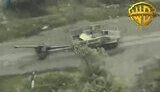
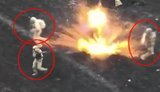
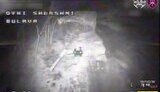
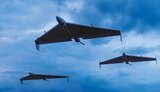
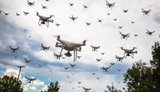
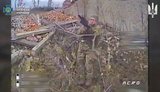
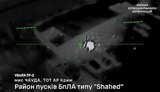
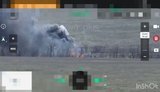
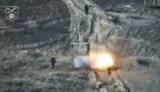
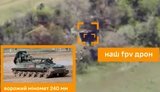
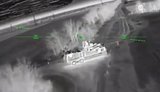
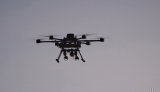
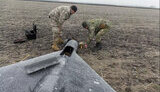
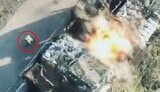
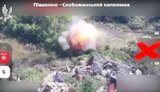
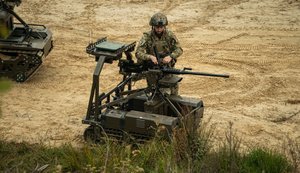
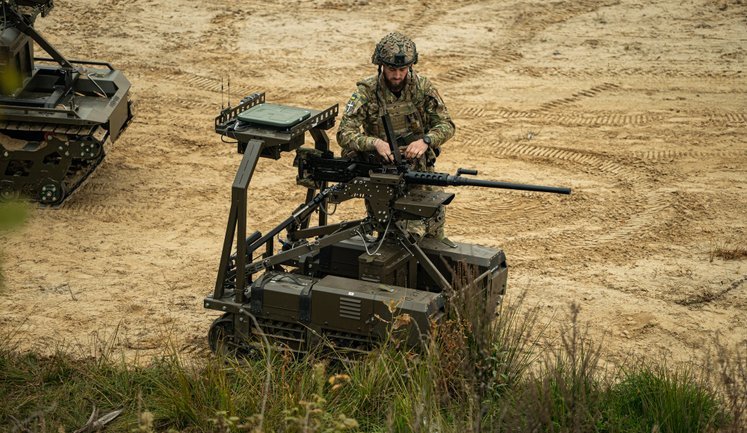
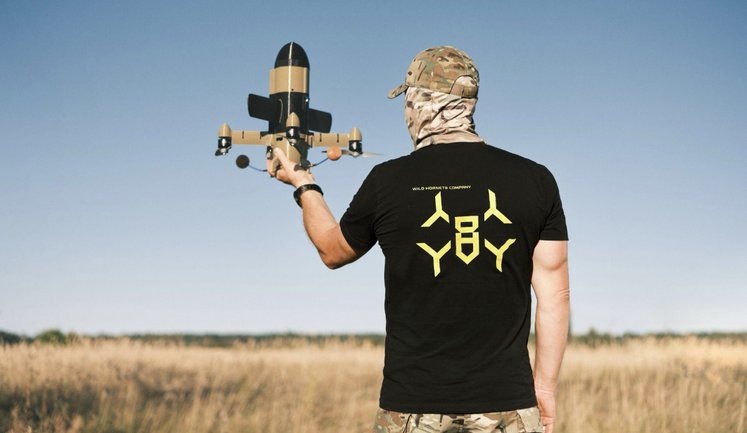
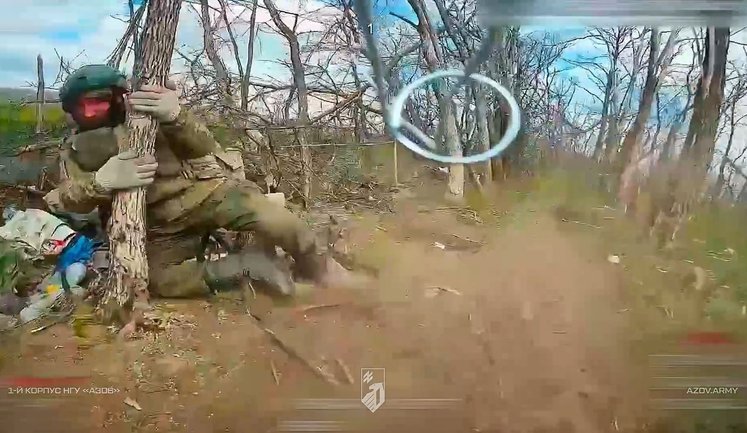
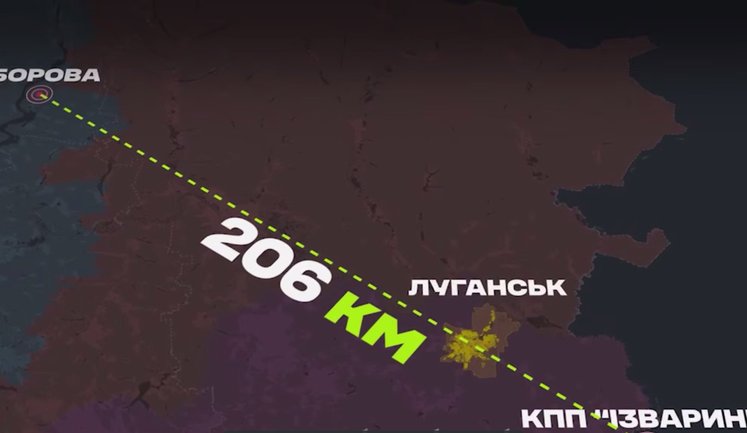
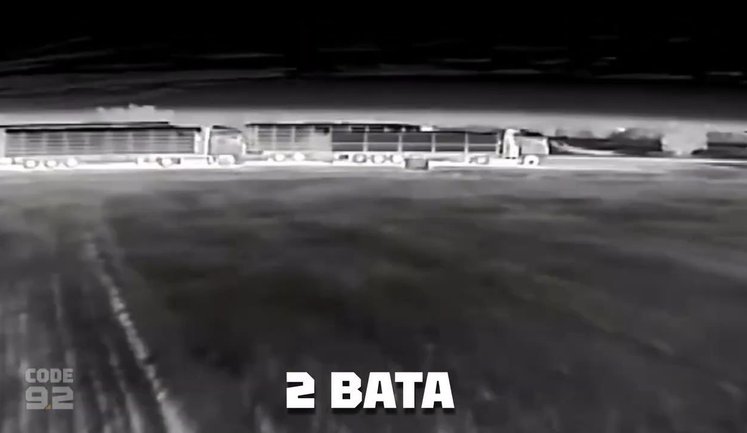
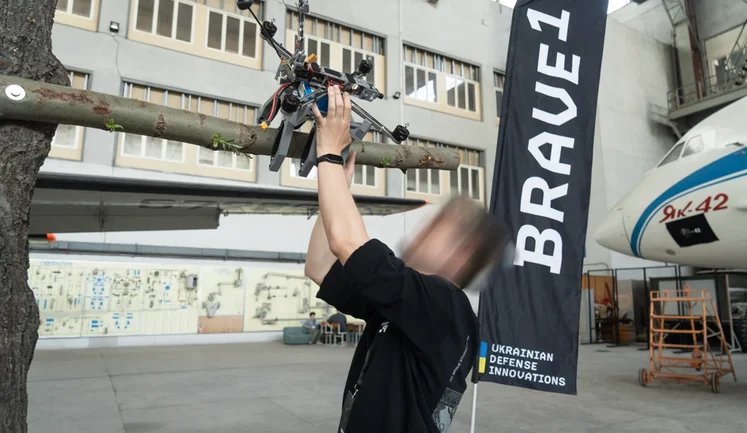
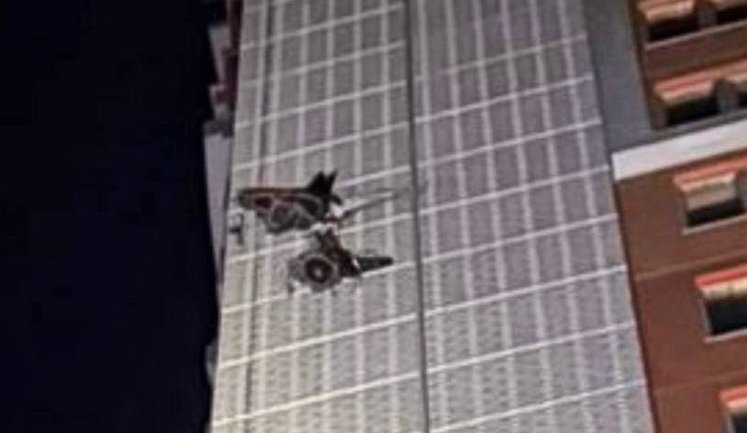
The use of drones in the current conflict has significantly altered the dynamics of warfare. From devastating strike footage in Krasnodar Krai and Kyiv, to tactical advancements in Kupiansk and beyond, drones continue to be a strategic asset. The Ukraine conflict highlights tactical FPV drone strikes on Russian armor and UAV interceptions in Sumy. Modern warfare requires profound cooperation, evidenced by Latvia modernizing its air defense with Ukrainian expertise and the Pentagon's study of combat drone use in Ukraine. The economic implications are noteworthy with the EU earmarking €90bn for Ukraine’s drone capabilities, further emphasizing drones' crucial role in modern warfare.
How are drones impacting the conflict in Ukraine?
Drones are dramatically impacting the conflict by providing real-time reconnaissance, executing precision strikes, and neutralizing enemy assets effectively. They are pivotal in defense strategies, demonstrated by the success of Ukrainian forces in neutralizing Russian units and halting advances through targeted FPV drone operations and air defense interceptions. The strategic use of drones is proving essential in modern warfare.
What are the economic implications of drone warfare?
The economic implications of drone warfare are significant. Investments in drone technology, such as the EU’s allocation of €90bn to Ukraine’s defense, are reshaping military expenditures and defense strategies globally. Producing and deploying drones enhance military capabilities while also driving technological innovations and defense collaborations across nations.
How is international cooperation on drone technology evolving?
International cooperation is increasingly focused on advancing drone technology, as seen in the Ukraine-US Drone Deal and Latvia’s defense modernization with Ukrainian aid. Such agreements facilitate technology exchange, improve strategic capabilities, and strengthen alliances, recognizing drones as vital components in contemporary defense portfolios and cooperative security efforts.
What advancements have been made in Ukraine’s drone strategies?
Ukraine’s drone strategies have advanced with the widespread use of combat and tactical drones, leading to significant battlefield successes. Innovations such as FPV drones have enhanced precision targeting, while efforts in counter-UAV technologies have improved defensive measures. These advancements mark a pivotal shift in the utilization of drones for both offensive and defensive military operations.
Why are drones so effective in modern warfare?
Drones offer unparalleled advantages in modern warfare by providing real-time intelligence and enabling precision strikes. Their ability to operate autonomously in dynamic environments, along with their cost-effectiveness and versatility, make them indispensable assets. Drones foster strategic flexibility, enhance operational reach, and reduce personnel risk, transforming military tactics and outcomes significantly.