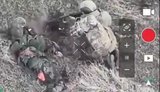
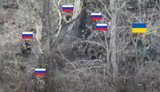
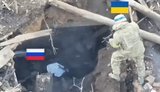
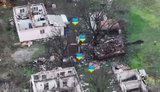
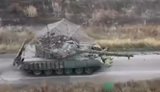
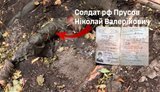
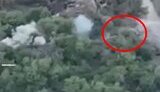
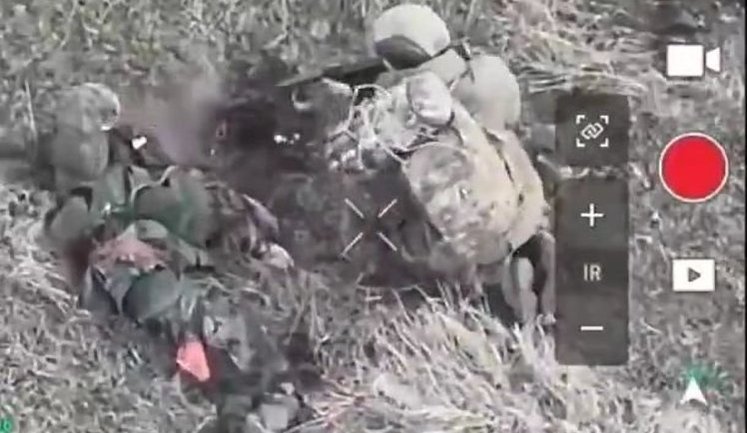
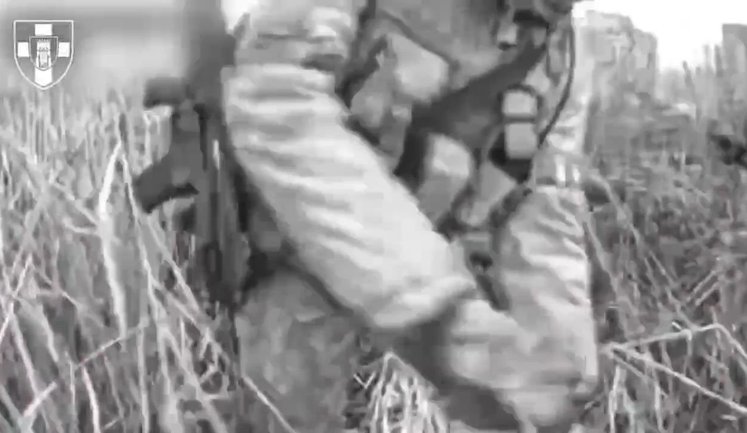
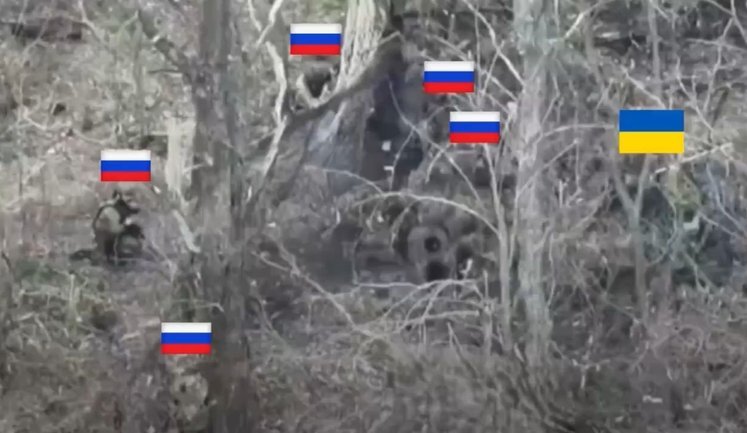
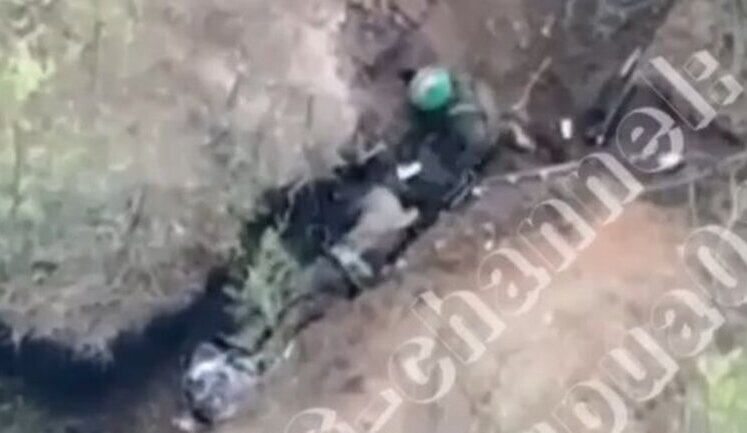
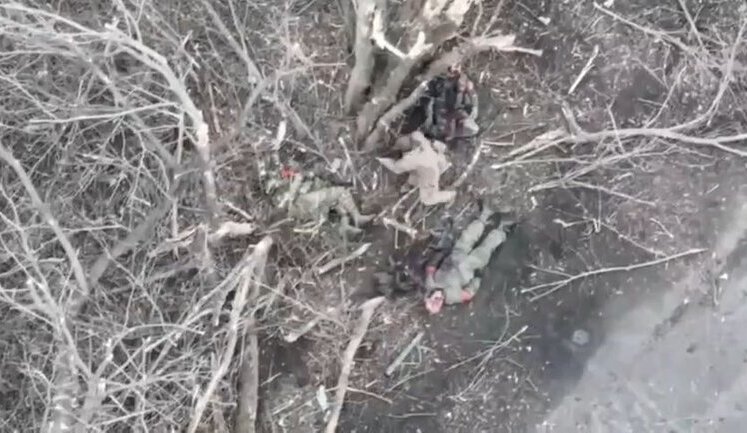
The ongoing conflict in Ukraine has unveiled the stark reality of battles, particularly the instances where Russian soldiers, overwhelmed by despair, have chosen to take their own lives. Aerial reconnaissance footage and other sources reveal these tragic moments, underscoring the severe psychological toll on occupation forces. The battlefield suicides highlight the low morale and dire circumstances faced by the soldiers. This development provides a deeper understanding of the psychological landscape in warzones, shedding light on the realities of warfare beyond the physical confrontations, as both sides navigate intense battles.
What psychological factors contribute to battlefield suicides among Russian soldiers?
The psychological factors contributing to battlefield suicides among Russian soldiers include extreme stress, isolation, fear of capture, and a sense of hopelessness. These are exacerbated by the harsh realities of warfare, lack of support, and the pressure to fulfill military duties under challenging conditions. These stressors can overwhelm individuals, leading to despair and tragic decisions.
How does the morale of Russian forces on the battlefield affect their performance in battles?
The morale of Russian forces significantly influences their battlefield performance. Low morale, as seen in cases of soldiers choosing suicide, leads to decreased effectiveness, increased anxiety, and reluctance to engage in combat. This can result in strategic failures, compromised positions, and accelerated defection or surrender rates, impacting overall military objectives.
How frequently do battlefield suicides among Russian troops occur in the Ukrainian conflict?
While specific data on the frequency of battlefield suicides among Russian troops is limited, reports and videos indicate that such incidents happen with concerning regularity. These cases highlight ongoing psychological stressors and the immense pressure faced by troops involved in protracted and intense conflicts.
In what regions are battleground suicides among Russian soldiers being reported?
Battleground suicides among Russian soldiers have been reported primarily in the intensified conflict zones like Pokrovsk, Kupiansk, and Lyman, where fighting has been fierce. These areas witness harsh combat conditions, showcasing the extreme pressures soldiers face and the resulting psychological impacts.
What measures can be taken to address low morale and prevent suicides among soldiers in combat zones?
To address low morale and prevent suicides among soldiers, combat zones need psychological support services, crisis intervention, and improved communication with command structures. Providing necessary resources, counseling, and ensuring a supportive environment can alleviate stress and encourage shared resilience among troops.