ENG




14660 visitors online
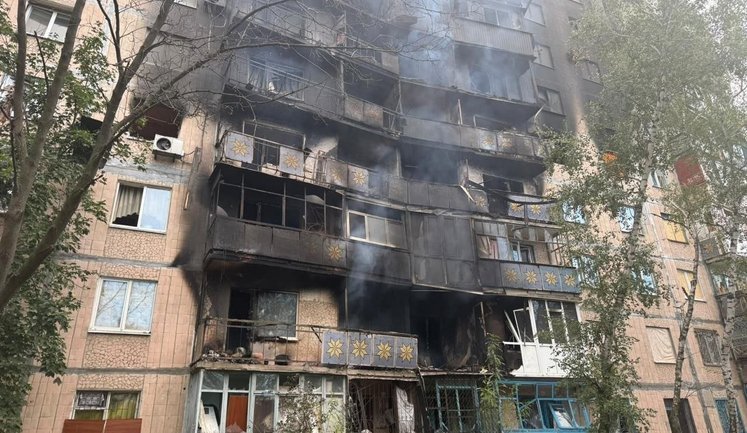
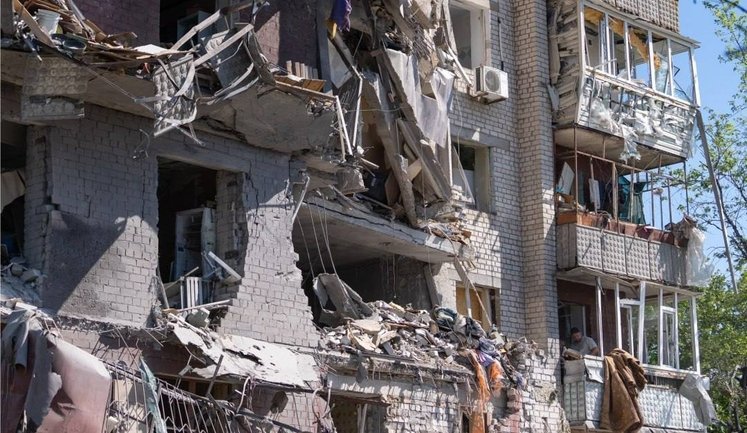
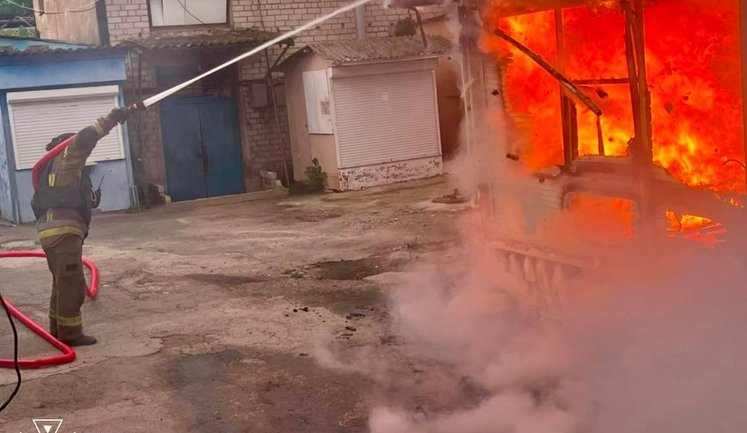
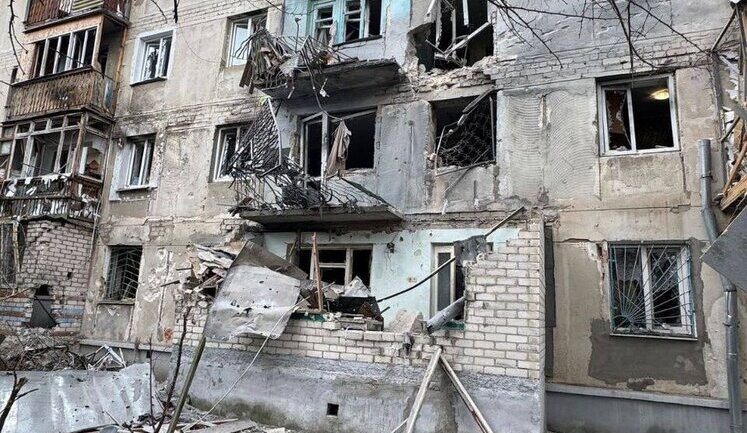
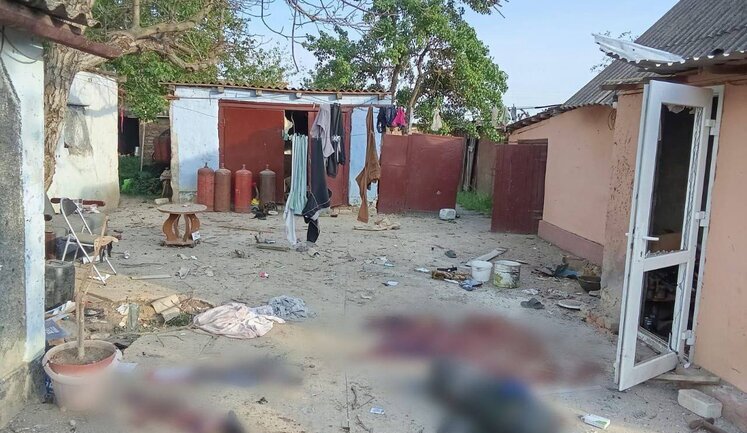
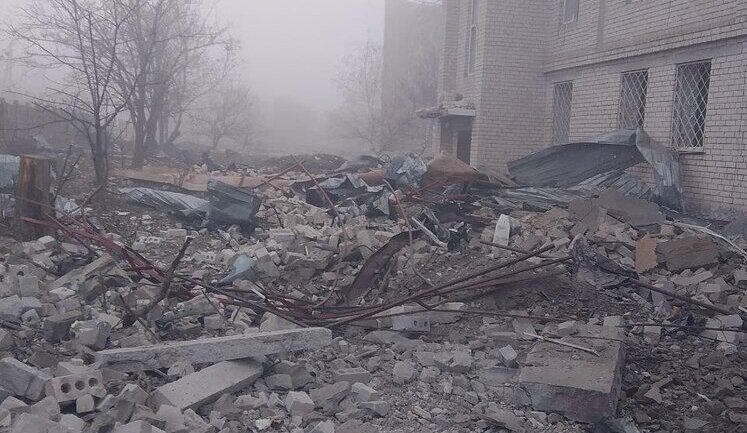
Beryslav district in Kherson region remains heavily targeted by Russian forces. In recent weeks, artillery, UAVs, and rocket systems have pummeled the area, resulting in numerous casualties and significant infrastructure damage. The shelling has left residential buildings, medical facilities, and essential services in ruins, and citizens are caught in the crossfire. Emergency services work tirelessly amid the destruction, aiding wounded civilians and reinforcing evacuation efforts. The relentless bombardment highlights the ongoing humanitarian crisis as the world calls for intervention and support to stabilize and secure the region.
What are the impacts of the Russian attacks on the Beryslav district?
The attacks have severely impacted the Beryslav district, causing massive damage to residential structures, administrative buildings, and vital infrastructure. Civilians have suffered casualties, with numerous injured and several killed. The economic and social disruption is profound, with many facilities crippled and residents living in fear.
How are civilians in the Beryslav district coping with the ongoing shelling?
Civilians in the Beryslav district are enduring significant hardships. Many rely on evacuation efforts to escape the conflict zones, while those remaining face dire conditions without adequate medical care and services. Community support systems and international aid are crucial for survival amid the crisis.
What measures are being taken to protect civilians in Beryslav from further attacks?
Efforts to protect civilians include evacuations, the establishment of temporary shelters, and international humanitarian assistance. However, ongoing attacks make it challenging to ensure safety. The need for long-term solutions and diplomatic intervention is urgent to prevent further tragedies.
How is the international community responding to the situation in Beryslav and Kherson region?
The international community has condemned the attacks and called for an immediate ceasefire. Humanitarian aid is being directed to the region, with several organizations working to provide relief to affected populations. Diplomatic efforts aim to bring about peaceful resolutions and support for Ukraine.
What type of military equipment is being used in the attacks on the Beryslav district?
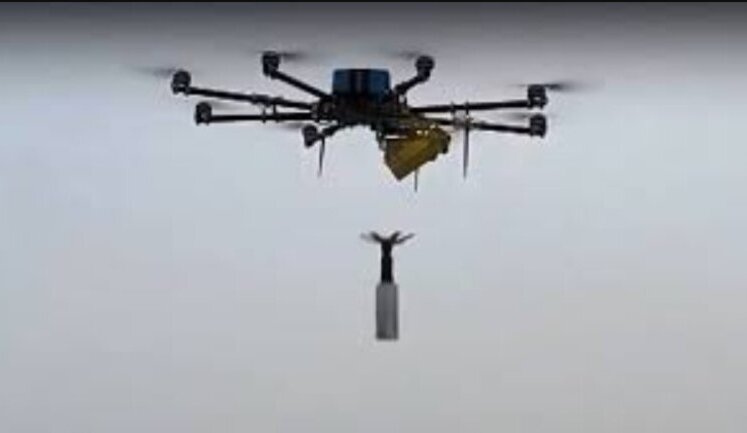
The Russian forces utilize a range of military equipment against the Beryslav district, including artillery, multiple launch rocket systems, and various types of drones like FPV and UAVs. This advanced weaponry has led to widespread devastation and challenges in countering the assaults effectively.
News Beryslav district, Kherson region
 Russia has attacked seven regions of Ukraine: there are fatalities and dozens of wounded. PHOTOS On 21–22 September, Russian troops carried out strikes on populated areas in Ukraine. The Sumy, Chernihiv, Kharkiv, Donetsk, Zaporizhzhia, Kherson and Mykolaiv regions came under enemy fire. 1 168 0
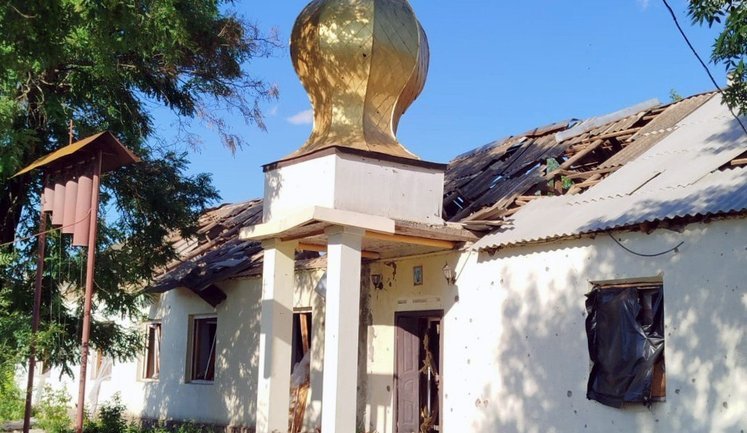
 Russians struck monastery in Kherson region: priest was killed and four others were wounded Yesterday, September 19, Russian troops struck the village of Chervonyi Mayak in the Kherson region, resulting in one fatality and several injuries. 1 464 10 Previously in trend: Shelling of the Kherson region
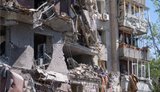 Russia attacked seven regions of Ukraine: 14 people killed, 52 wounded. PHOTOS Over the past 24 hours, Russian troops have attacked the Sumy, Mykolaiv, Dnipropetrovsk, Kherson, Zaporizhzhia, Donetsk and Kharkiv regions. The shelling has resulted in deaths and injuries, with children among the victims. 1 166 4 Previously in trend: Shelling of Ukraine
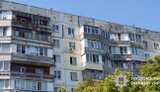 Russians attacked Kherson with drones: two people died and were injured On the morning of August 29, Russian forces attacked Kherson with drones. Two civilian men were killed as a result of the enemy strikes, and another 44-year-old resident of Kherson was wounded. 692 2 Previously in trend: Shelling of the Kherson region Shelling of Kherson
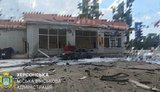 Russians killed two women in Kherson region, 18 more people were wounded over past day Over the past 24 hours, Russian troops have heavily shelled populated areas in the Kherson region with artillery and attacked them with drones. One woman was killed during the morning shelling of Novovorontsovka, and news broke today of the death of another woman who sustained fatal injuries... 412 0 Previously in trend: Shelling of the Kherson region
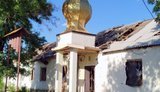 Consequences of Russian shelling in Kherson region: two civilians killed and 12 wounded. PHOTOS Over the past 24 hours, towns and villages in the Kherson region have come under numerous attacks by various types of Russian drones and artillery fire. Russian aircraft also carried out strikes using guided bombs. 515 0 Previously in trend: Shelling of the Kherson region
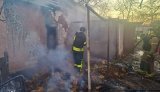 Six people, including four police officers, injured in Russian shelling of Kherson region Over the past day, the occupiers shelled settlements in the Kherson and Beryslav districts of the Kherson region using artillery, mortars, and tanks; launched attacks with FPV drones and strike drones; and carried out drops from UAVs. 502 4 Previously in trend: Shelling of the Kherson region
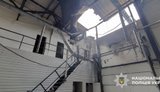 Day in Kherson region: one person killed, 23 injured, dozens of sites damaged. PHOTOS In the Kherson region, one person was killed, and a further 23 were injured as a result of the latest Russian shelling. Extensive damage to civilian infrastructure has also been reported. 469 2 Previously in trend: Shelling of the Kherson region
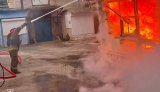 Day in Kherson region: six wounded, houses and a market damaged. PHOTO Over the past 24 hours, Russian troops have continued to shell settlements in the Kherson region using artillery, multiple launch rocket systems, mortars, and various types of drones. Six civilians were injured in the attacks, and residential buildings and civilian infrastructure were damaged. 642 1 Previously in trend: Shelling of the Kherson region
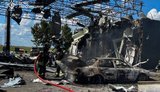 Day in Kherson region: 6 people killed, 27 injured Over the past 24 hours, dozens of settlements in the Kherson region—including Antonivka, Chornobaivka, Komyshany, Stanislav, Bilozerka, Beryslav, and Kherson itself—have come under Russian attack, including drone strikes, artillery shelling, and airstrikes. 514 3 Previously in trend: Shelling of the Kherson region
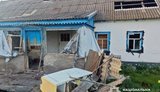 Seven people have been injured as result of Russian shelling in Kherson region Today, May 23, 2026, the Russian military struck settlements in the Kherson region with artillery, mortars, and drones, resulting in injuries. 447 0
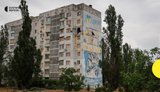 One person killed, 11 injured in Russian attacks on Kherson Oblast Today, 22 May 2026, the Russian army attacked settlements in Kherson Oblast with tube and rocket artillery, mortars, and various types of UAVs, causing casualties. 456 0
Over 40 settlements in Kherson region were shelled by Russian Federation in day, milk tanker was attacked in Rakivka in morning - two wounded Over the past 24 hours, Russian forces have launched massive attacks on the Kherson region using artillery, aircraft, and drones. More than 40 settlements came under fire; the attacks left at least nine people wounded and caused damage to residential buildings and civilian infrastructure. 464 0 Previously in trend: Shelling of the Kherson region Shelling of Kherson
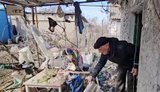 Two people killed and twelve injured in Russian strikes on Kherson region Throughout the day on 24 April, Russian troops struck Kherson and settlements in the Kherson region, leaving people killed and injured. 1 052 1 Previously in trend: Shelling of the Kherson region
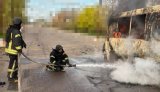 Massive attacks on Kherson region: dozens of settlements under Russian fire, 9 wounded. PHOTOS Russian forces have shelled the Kherson region, damaging residential buildings, administrative buildings, and infrastructure. There are civilian casualties. 962 4 Previously in trend: Shelling of the Kherson region
Day in Kherson region: five people wounded and 30 facilities damaged. PHOTOS The Kherson and Beryslav districts have once again come under attack from the Russian aggressor. The occupiers shelled residential areas using artillery and various types of UAVs. 737 1 Previously in trend: Shelling of the Kherson region
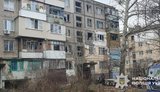 Russian shelling of Kherson region leaves one person dead, three others injured Today, March 27, the Russian army used rocket and tube artillery, as well as various types of drones, to attack settlements in the Kherson region, leaving one person dead and others injured. 888 0 Previously in trend: Shelling of the Kherson region
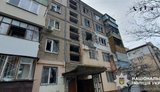 Over past 24 hours in Kherson region: Russia attacked with drones and artillery, man died in Shyroka Balka Over the past 24 hours, on March 19, Russian invaders struck settlements in the Kherson region. Five people were wounded, and a local resident was killed in Shyroka Balka. 525 0 Previously in trend: Shelling of the Kherson region
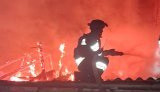 Day in Kherson region: five wounded and infrastructure damaged. PHOTO Over the past 24 hours, Russian troops have attacked settlements in the Kherson and Beryslav districts, damaging residential buildings, shops and vehicles. Five people have been injured, with one driver in a critical condition. 640 0 Previously in trend: Shelling of the Kherson region
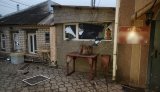 Woman killed and five injured in shelling of Kherson and region On 26 February 2026, servicemen of the Russian army continued attacks on settlements in the Kherson region using artillery, mortar weapons and drones. One person was killed and five others were injured. 518 1 Previously in trend: Shelling of the Kherson region Shelling of Kherson
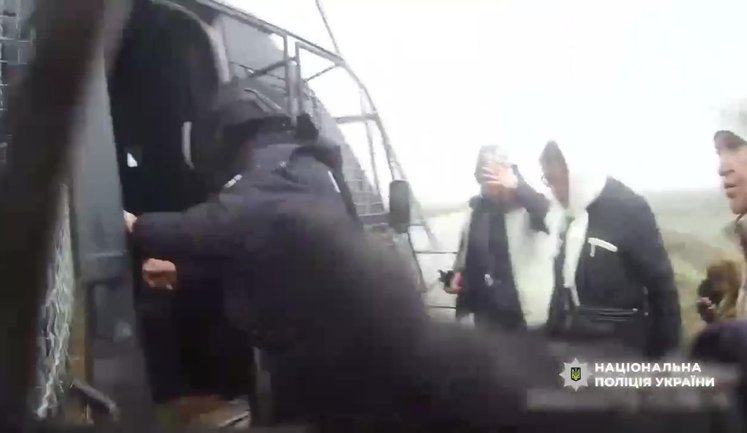
 They left Beryslav on their own: police evacuated three women and dog from dangerous area. VIDEO A 61-year-old resident of Beryslav recently called the 102 hotline. She reported that her house had been damaged during another shelling of the city, and an enemy drone had remained in the attic. 1 362 4 Previously in trend: Evacuation in Kherson region
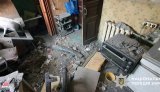 Shelling of Kherson region: Russians hit medical facility, shop and houses, 16 wounded. PHOTOS Russian troops continue to shell the Kherson and Beryslav districts, Kherson and its suburbs with artillery, mortars, multiple launch rocket systems, and various types of UAVs. 645 0 Previously in trend: Shelling of the Kherson region
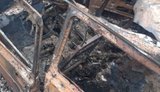 Occupiers hit evacuation vehicle in Beryslav with drones: one killed, others injured In Beryslav, Kherson region, volunteers who were rescuing people from deadly danger came under enemy fire. Their vehicle burned down after a drone hit. 689 1 Previously in trend: Shelling of the Kherson region Evacuation in Kherson region
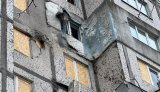 Shelling of Kherson region: eight wounded, including two police officers, enemy attacked two districts of region. PHOTOS Over the past day, Russian troops have been shelling civilian infrastructure in the Kherson and Beryslav districts of the Kherson region, resulting in injuries. 617 0 Previously in trend: Shelling of the Kherson region
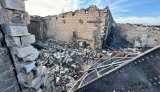 Day in the Kherson region: one person killed, 12 wounded. PHOTOS Over the past day, Russians attacked settlements in the Kherson region with FPV drones and artillery. One person was killed, and 12 others were wounded. In the morning, they struck utility workers in Kherson. 598 0 Previously in trend: Shelling of the Kherson region
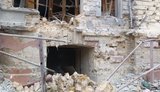 Two killed and six injured in Russian attacks on Kherson region On November 7, Russian forces attacked Kherson and several settlements across Kherson region, leaving civilians dead and injured. 531 0 Previously in trend: Shelling of Kherson
 Russian drone strikes minibus in Novovorontsovka: one person killed, two injured In the Kherson region, a Russian drone attacked a civilian minibus, killing one man and injuring two passengers. Prosecutors have launched an investigation into the war crime. 560 1 Previously in trend: Drone attack in Kherson region Russian forces shell minibus
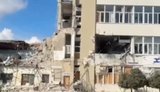 One killed and 12 injured in Russian attacks on Kherson region. PHOTOS On October 16, 2025, the Russian army shelled populated areas in Kherson region using aircraft, artillery, and drones, leaving one person dead and several others injured. 663 1 Previously in trend: Shelling of the Kherson region
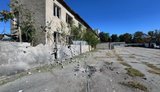 Day in Kherson region: one person killed, 10 civilians and five police officers wounded, over 100 houses damaged. PHOTOS On 26 September, Russian troops massively shelled the Kherson and Beryslav districts. More than 100 houses, administrative facilities, and businesses were damaged. 739 0 Previously in trend: Shelling of the Kherson region
 Russia attacked scooter with FPV drone in Kherson region: two dead Russian troops struck civilians in the Kherson region with a drone, killing two men. 1 076 1 Previously in trend: Shelling of the Kherson region
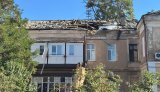 Day in Kherson region: Russia continues to shell populated areas, damaging homes and infrastructure and injuring 14 people. PHOTOS Over the past day, Russian troops attacked settlements in Kherson and Beryslav districts. At least 13 objects were damaged, including residential buildings, a hospital, an educational institution and outbuildings. 399 0 Previously in trend: Shelling of the Kherson region
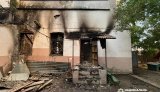 Occupiers wound two people in Kherson region The Russian military attacked Sukhanove and Bilozerka in the Kherson region, injuring civilians. 569 0 Previously in trend: Shelling of the Kherson region
69-year-old resident of Kherson region killed by explosive dropped from Russian drone Another resident of Beryslav in Kherson region has been killed in a Russian drone attack. 477 1 Previously in trend: Shelling of the Kherson region
 Day in Kherson region: Kherson and Beryslav districts under attack, casualties reported, including police officer and humanitarian workers among wounded. PHOTOS In Kherson region, two people were killed and six wounded in Russian attacks, including a police officer and two employees of an international humanitarian organisation. 566 0
 Volunteer vehicle hit a landmine in Beryslav: police officer killed, four injured A volunteer vehicle was blown up by a landmine in the city of Beryslav, Kherson region. 870 1 Previously in trend: Explosion on mine
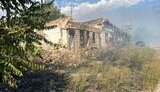 Russians killed resident of Kachkarivka and wounded resident of Zmiivka in Kherson region in morning Yesterday, 4 September, Russian troops attacked Kachkarivka, and this morning they struck Zmiivka in the Kherson region, resulting in one death and one injury. 422 0 Previously in trend: Shelling of the Kherson region
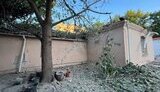 Occupiers hit civilian car with drone near Osokorivka in Kherson region: pregnant woman and man were injured Today, August 29, Russian troops attacked a civilian car with a drone on a highway near the village of Osokorivka, injuring a pregnant woman and a man. 576 2 Previously in trend: Shelling of the Kherson region
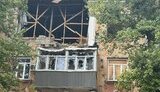 Since morning, Russians have killed two people and wounded three in Kherson region Since early morning on August 27, Russian troops have been attacking Kherson and settlements in the Kherson region, resulting in deaths and injuries. 404 3 Previously in trend: Shelling of the Kherson region
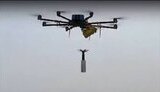 Occupiers attacked 15-year-old boy with drone in Novoraisk, Kherson region Today, August 23, Russian troops dropped explosives on a 15-year-old boy in Novoraysk, Kherson region. 1 803 4 Previously in trend: Shelling of the Kherson region
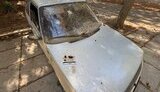 Day in Kherson region: 13 people wounded, including medical workers, and police officer. PHOTOS Yesterday, Russian troops fired on the Kherson and Beryslav districts with artillery and kamikaze drones, damaging residential buildings, a lyceum, and infrastructure. 625 0 Previously in trend: Shelling of the Kherson region
 Russian forces strike Kherson region: man killed in Komyshany, ambulance damaged in Beryslav district. PHOTOS Today, on 13 August, at about 10:30 a.m., Russian occupants killed a resident of Komyshany, Kherson region, with a drone. 627 0 Previously in trend: Shelling of the Kherson region
 Occupiers dropped explosives on civilian car: man and woman died in Kherson region At around 8 a.m., Russian troops attacked a civilian vehicle with a drone in the Beryslav district of the Kherson region. 913 0 Previously in trend: Shelling of the Kherson region
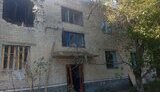 Russian troops attacked Dudchany in Kherson region with drones: multi-storey building was damaged. PHOTOS On the morning of 10 August 2025, the Russian military attacked Dudchany of the Milivska community in the Kherson region with drones. 820 3 Previously in trend: Shelling of the Kherson region
 Aftermath of Russian shelling of Kherson and region: two killed, four injured, including child On 8 August, Russian forces shelled settlements in Kherson region throughout the day, using artillery, including multiple launch rocket systems, as well as various types of drones. Dead and injured were reported following the enemy attacks. 547 1 Previously in trend: Shelling of the Kherson region Shelling of Kherson
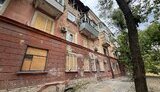 Consequences of enemy shelling in Kherson region: one dead and one wounded, hospital damaged. PHOTOS Yesterday, on 7 August, the Russian military once again fired at settlements in Kherson and Beryslav districts with artillery, multiple rocket launchers, mortars and UAVs. 615 1 Previously in trend: Shelling of the Kherson region
 Consequences of enemy shelling in Kherson region: one dead and seven wounded, including child. PHOTOS As a result of hostile shelling in the Kherson region, six adults and a young child sustained injuries of varying severity, and one woman died. Private houses and multi-storey buildings, vehicles, a private enterprise, and power lines were also damaged. 854 0
 Seven people, including child, were injured as result of Russian attacks on Kherson region. PHOTOS Another hostile shelling in the Kherson region on 26 July resulted in casualties, including a child. 605 1 Previously in trend: Shelling of the Kherson region
 Russians shell Beryslav in Kherson region: 69-year-old man killed On the morning of July 22, Russian forces struck the city of Beryslav in the Kherson region. 450 1 Previously in trend: Shelling of the Kherson region
Page 1 of 3
more news