ENG




8504 visitors online
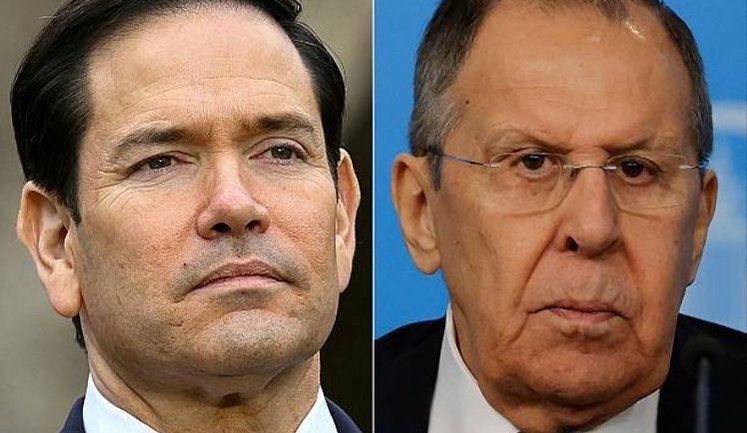
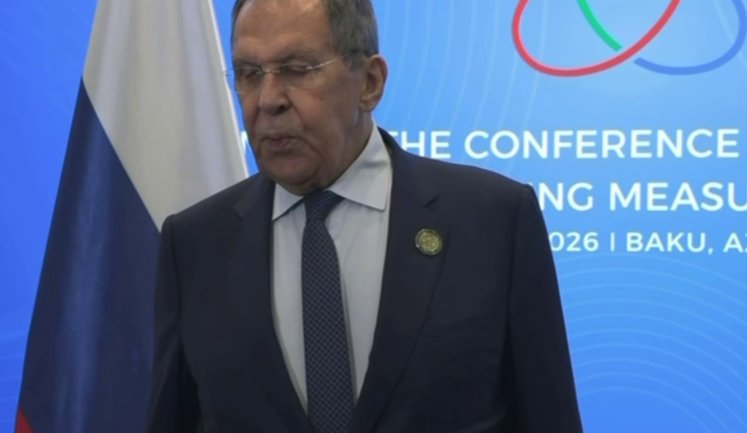
Russian Foreign Minister Sergey Lavrov has been actively engaged in several diplomatic discussions and making bold statements amid ongoing tensions. Notably, Lavrov recently met with U.S. Secretary of State Marco Rubio at the UN General Assembly in New York to discuss the conflict in Ukraine. Lavrov emphasized Russia's readiness for peace talks but insisted that military operations would not cease during negotiations. In another meeting in New York, Lavrov conversed with German Foreign Minister Johann Wadephul, marking their first encounter since 2022. Lavrov's stern declarations continue to stir international waters, especially concerning Europe's security and relations with Ukraine.
What was discussed in Lavrov's meeting with Marco Rubio?
The meeting between U.S. Secretary of State Marco Rubio and Russian Foreign Minister Sergey Lavrov focused on the need to halt hostilities between Russia and Ukraine. Lavrov, however, stressed that Russia was not ready to cease military operations, tying peace talks to achieving objectives set by Moscow.
How did Lavrov respond to Wadephul's comments?
Lavrov dismissed Wadephul's response to his "start of a real war" comment as reflective of Russia's desperation. Lavrov maintained that Russia expected respectful and serious dialogue with Germany to improve bilateral relations, despite ongoing geopolitical tensions.
What is Lavrov's stance on Ukraine's legitimacy?
Sergey Lavrov has expressed views that Ukraine has lost its legitimacy in international relations, suggesting the need for a 'buffer zone.' This controversial statement from the Russian Foreign Minister aligns with his assertive posture towards Ukraine and its geopolitical role.
Will Russia agree to a ceasefire in Ukraine?
Lavrov stated that Russia would not agree to a ceasefire along the current front line, deeming it non-negotiable until Moscow's goals are realized. This stance highlights the Kremlin's steadfast approach to achieving its military and political objectives in Ukraine.
Did Lavrov make any new proposals for peace talks with Ukraine?
Lavrov reiterated Russia's openness to resuming peace talks with Ukraine but stressed that Kyiv must show willingness for dialogue. He claimed that the West still holds a confrontational stance which impedes meaningful negotiations.
News Lavrov Sergey
 Russia will hear proposals from Trump’s envoys, but there will be no political concessions – Lavrov Russian Foreign Minister Sergey Lavrov said Russia would see what US presidential special envoys Steve Witkoff and Jared Kushner propose, but there would be no political concessions. 3 235 24 Previously in trend: Peace negotiations U.S. sanctions against Russia
 There will be no ceasefire to allow elections to take place in Ukraine, - Lavrov. VIDEO Russian Foreign Minister Sergey Lavrov has ruled out the possibility of a ceasefire between Ukraine and the Russian Federation to allow presidential elections to be held in Ukraine. 7 868 52 Previously in trend: Russia’s position on ending war Elections in Ukraine
 Zelenskyy does not deserve respite from war, - Lavrov. VIDEO Russian Foreign Minister Sergey Lavrov has ruled out the possibility of a ceasefire in the war against Ukraine. 9 635 67 Previously in trend: Establishment of energy truce
 Putin’s sensational statement, Trump’s friends, just end to war. Latest photo memes from "Censor.NET" A sensational statement Word of the Year A just end to the war 6 230 4
 Wadephul informed Sybiha of results of conversation with Lavrov Foreign Minister Andrii Sybiha held telephone talks with German Federal Foreign Minister Johann Wadephul. 3 142 16 Previously in trend: Meeting between Wadephul and Lavrov
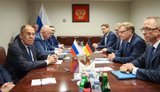 German Foreign Minister Wadephul met with Lavrov for first time since 2022 The German Foreign Minister, Johann Wadephul, met with the Russian Foreign Minister, Sergey Lavrov, in New York. 3 184 7
 Joint statement by 50 UN countries, Russian attack on data centers in Kyiv, Rubio-Lavrov meeting: top news for September 23. VIDEO More than 50 countries called on Russia at the UN Security Council to end its aggression against Ukraine. Two people were killed, and more than 40 were wounded in Kyiv following an attack by Russian Shahed drones. Marco Rubio held talks with Sergei Lavrov in New York, and the US invited Putin to... 1 642 1 Previously in trend: News of the day
 Russia is ready for peace talks with Ukraine but will not "pause" war – Lavrov Russian Foreign Minister Sergei Lavrov said immediately after meeting his US counterpart Marco Rubio that Russia would not halt military operations during possible talks with Ukraine aimed at achieving a "just peace." 7 489 43 Previously in trend: Peace negotiations Russia’s demands to end war Lavrov’s statements on Ukraine
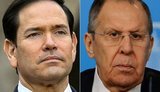 Rubio and Lavrov hold meeting on sidelines of UN General Assembly in New York. PHOTO On September 23, US Secretary of State Marco Rubio and Russian Foreign Minister Sergey Lavrov began a meeting on the sidelines of the UN General Assembly. It is their fifth meeting since 2025. 2 617 14 Previously in trend: Rubio and Lavrov talks
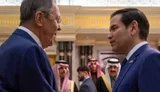 Lavrov and Rubio may meet in New York to discuss Ukraine, - Russian Foreign Ministry A meeting between U.S. Secretary of State Marco Rubio and Russian Foreign Minister Sergey Lavrov may take place during the UN General Assembly. No final arrangements for the talks have been made yet. However, if they do take place, Ukraine will be the key topic. 1 898 8 Previously in trend: Rubio and Lavrov talks United Nations General Assembly
 Russia will await new proposals on peace talks but has no illusions – Lavrov. VIDEO Russian Foreign Minister Sergey Lavrov said Moscow would await proposals to resume the negotiation process. 2 181 20 Previously in trend: Peace negotiations
Russian Foreign Minister Lavrov: "If Europe attacks Russian Federation, war will be very short". VIDEO Sergey Lavrov, the head of the Ministry of Foreign Affairs of the aggressor state, has made yet another series of aggressive statements and direct threats against European security institutions and NATO countries. 6 947 58 Previously in trend: Russian propaganda
 Invitation for Zelenskyy to visit Moscow is "huge gesture of goodwill" on Russia’s part, - Lavrov Russian Foreign Minister Sergey Lavrov described the invitation to Ukrainian President Volodymyr Zelenskyy to visit Moscow for a meeting with Russian dictator Vladimir Putin as a "huge gesture of goodwill" on Russia’s part. 9 353 88 Previously in trend: Zelenskyy agreed to meet with Putin
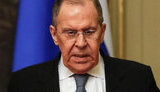 Lavrov claims Ukraine has lost legitimacy: "Russia needs ’buffer zone’" Russian Foreign Minister Sergey Lavrov claimed that Ukraine had lost the attributes that allowed Russia to recognise it as a "legitimate actor in international relations" and proposed turning it into a "buffer zone". 8 656 57 Previously in trend: Russia’s demands to end war Lavrov’s statements on Ukraine buffer zone
 Wadephul responded to Lavrov’s statement about "beginning of real war": Manifestation of Russian desperation German Foreign Minister Johann Wadephul commented on Russian Foreign Minister Sergey Lavrov’s statement regarding the "start of a real war" between Russia and Germany, emphasizing that this was "a manifestation of Russian despair." 5 799 17 Previously in trend: Russian subversions in EU Russian sabotage
 "Russia is ready to bring about peace in Ukraine and hopes for the resumption of trilateral talks," - Peskov (updated) The Kremlin insists that Russia is supposedly ready to make peace in Ukraine. 7 308 18 Previously in trend: Peace negotiations
 There are no peace talks; West shouldn’t "fuss" over new ideas, - Lavrov Russian Foreign Minister Sergey Lavrov stated that no negotiations are currently underway to resolve the war in Ukraine. 6 127 27 Previously in trend: Lavrov’s statements on Ukraine
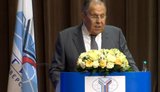 War against Ukraine must be brought to end so that there is no more Nazism in Europe, – Lavrov. VIDEO Foreign Minister Sergey Lavrov believes that the war against Ukraine must be brought to an end so that there is no ‘Nazism’ in Europe. 8 233 67 Previously in trend: Lavrov’s statements on Ukraine
 Lavrov on accusations levelled at Russia over incident at Leipzig Airport: "This is start of real war" The Russian Foreign Minister, Sergey Lavrov, stated that the West’s accusations against Russia over the drone incident at Leipzig Airport mark the start of a real war. 7 349 39 Previously in trend: Russian subversions in EU Russian sabotage
 Berlin has responded to Lavrov’s threats against Ukraine’s partners: "They won’t intimidate us" The German Government has dismissed the threats made by Russian Foreign Minister Sergey Lavrov against Ukraine’s Western partners and stated that Berlin has no intention of scaling back its support for Kyiv. 3 834 10 Previously in trend: Cooperation of Ukraine and Germany
 Russia will not halt fighting along contact line in Ukraine because it would "devalue feat of grandfathers" – Lavrov Russia has categorically rejected the idea of halting hostilities along the current line of contact in its war against Ukraine, claiming that this would "devalue the feat of the grandfathers who defeated Nazism." 6 244 70 Previously in trend: Russia’s demands to end war Lavrov’s statements on Ukraine Putin’s threats
Russia expects US response to strikes on Russian territory - Lavrov Moscow has information about the United States' alleged involvement in strikes on Russian territory and is awaiting an explanation from Washington. 8 239 46 Previously in trend: Lavrov’s statements on Ukraine
Lavrov complained about West and stated about alleged plans to "dismember" Russia, - Russian media Russian Foreign Minister Sergey Lavrov stated that the West allegedly seeks to "dismember" Russia and is using Ukraine to wage war against Moscow. He also accused Western countries of supporting "Zelenskyy's terrorism." 5 102 48 Previously in trend: Lavrov’s statements on Ukraine
 Lavrov sent Rubio selection of Trump’s quotes about meeting in Anchorage: ’We’ve practically decided everything’. VIDEO Russian Foreign Minister Lavrov believes that Ukraine is rejecting the US proposals put forward in Alaska because it is being "pumped up with weapons". 12 914 69 Previously in trend: Rubio and Lavrov talks
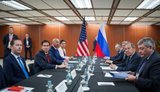 Rubio: We discussed with Lavrov need to end war between Russia and Ukraine U.S. Secretary of State Marco Rubio discussed the need to end the war between Russia and Ukraine during a meeting with Russian Foreign Minister Lavrov. 5 447 17 Previously in trend: Rubio and Lavrov talks
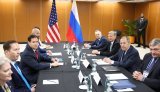 Lavrov, at meeting with Rubio, called for "not to pump" Ukraine with weapons U.S. Secretary of State Marco Rubio and Russian Foreign Minister Lavrov held a meeting in Manila. 10 414 36 Previously in trend: Rubio and Lavrov talks
 Rubio on his forthcoming meeting with Lavrov: it would be good for Russia if this war were to end US Secretary of State Marco Rubio has said that he plans to discuss Russia’s war against Ukraine during his meeting with Russian Foreign Minister Sergey Lavrov. 3 147 11 Previously in trend: Rubio and Lavrov talks
 Lavrov plans to meet with Rubio: Will ask about Trump’s words on quick resolution of war in Ukraine Russian Foreign Minister Sergey Lavrov said he will meet with U.S. Secretary of State Marco Rubio on July 23 and plans to discuss the war in Ukraine. 3 075 20 Previously in trend: Rubio and Lavrov talks
 Russia will not agree to ceasefire on front line, - Lavrov Russian Foreign Minister Sergey Lavrov stated that the Kremlin will continue the war until the goals set by Vladimir Putin are achieved and is not changing its position on ending hostilities. 8 131 48 Previously in trend: Ending the war Russia’s demands to end war
Russia no longer believes West wants peace talks on Ukraine – Lavrov Russian Foreign Minister Sergey Lavrov said that the West had finally moved to "open ultimatums" against Moscow regarding negotiations with Ukraine. 6 585 33 Previously in trend: Peace negotiations Lavrov’s statements on Ukraine
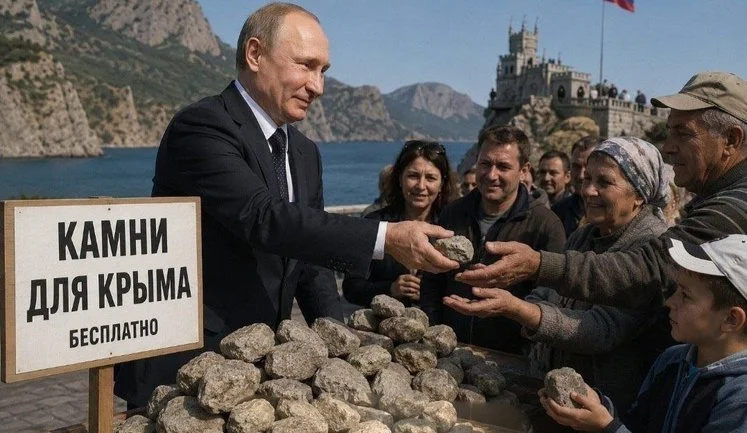
 Putin was "fooled" again, stones for Crimea, Russians without gasoline. Fresh photo memes from Censor.NET 10 285 7 Previously in trend: Political collages
Rubio’s statements about lack of agreement in Alaska raise questions, - Lavrov Russian Foreign Minister Sergey Lavrov commented on the statement by U.S. Secretary of State Marco Rubio that "there were no agreements" between the U.S. and Russia in Alaska regarding peace in Ukraine. 6 831 49 Previously in trend: Meeting between Trump and Putin
Russia rejects possibility of ceasefire along front line as precondition for peace talks, - Lavrov Russian Foreign Minister Sergey Lavrov has stated that Moscow will not consider a ceasefire along the current front line as a precondition for the start of peace talks. 7 986 66 Previously in trend: Ending the war negotiations with Russia
 Lavrov curses at official diplomatic event: "To hell with it all, that’s it". VIDEO The head of the Ministry of Foreign Affairs of the aggressor country, Sergei Lavrov, once again demonstrated the level of "Russian diplomatic culture" by swearing during an official meeting attended by foreign diplomats and journalists. 16 567 29 Previously in trend: Lavrov’s statements on Ukraine
Lavrov called Zelenskyy "Führer" and threatened to defend Belarus "with whole range of measures" The Russian Federation intends to use all means available under the Union Treaty to maintain the security of Belarus and the Union State. 6 221 67
 Russia is ready to resume negotiations with Ukraine from point at which they were left off, - Lavrov Russia has stated that there is a possibility of resuming the negotiation process with Ukraine. 12 781 84 Previously in trend: Peace negotiations
West wants to secure a ceasefire to halt Russian offensive, - Lavrov. VIDEO The West wants to secure a ceasefire in order to gain a ‘breathing space’ and ‘arm’ Ukraine. 7 024 39 Previously in trend: negotiations with Russia
 Lavrov threatens massive strikes against Ukraine in response to drone attack by Ukrainian Armed Forces on Moscow Russia has threatened Ukraine with new massive strikes on "AFU facilities" in response to the attack on Moscow on the night of June 18. 8 645 78 Previously in trend: Lavrov’s statements on Ukraine Putin’s threats Strike on oil refinery in Moscow
 Russia is awaiting visit from Witkoff and Kushner to hear how they plan to implement agreements regarding Ukraine, – Lavrov. VIDEO Russian Foreign Minister Sergey Lavrov has stated that Moscow is awaiting a visit from US President Donald Trump’s special envoy Steve Witkoff and his son-in-law Jared Kushner. 5 790 50 Previously in trend: Witkoff’s visit to Russia
Putin interpreted Zelenskyy’s letter as sign that Ukraine does not want negotiations, - Lavrov Russian Foreign Minister Sergey Lavrov stated that Ukrainian President Volodymyr Zelenskyy’s open letter to Russian dictator Putin had been "circulated around the world," and therefore, Kyiv is not ready for negotiations. 5 128 25 Previously in trend: Lavrov’s statements on Ukraine Zelenskyy’s letter to Putin
Russia does not see Ukraine’s readiness for peace dialogue Russian Foreign Minister Sergei Lavrov claims that Russia is allegedly ready for peace talks with Ukraine, but says Kyiv is to blame for the absence of dialogue. 3 190 37 Previously in trend: negotiations with Russia Peace agreement on ceasefire
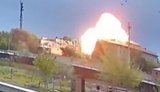 A kamikaze drone struck the FSB office in Chechnya. VIDEO of explosion A video has been published online showing a successful attack by a Ukrainian drone on the FSB headquarters in the village of Znamenskoye, in the Chechen Republic. 8 421 32 Previously in trend: Striking Russia
Lavrov threatens retaliation for strikes on 9 May: "There will be no mercy". VIDEO Russian Foreign Minister Sergey Lavrov has stated that the West wants to disrupt the 9 May celebrations in Russia with the help of Ukraine. 10 630 114 Previously in trend: 9th May in Russia
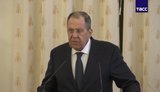 Lavrov on inspection of cultural artefacts at the Kyiv-Pechersk Lavra: "Legalised sacrilege with Europe’s connivance, where Satanism is flourishing". VIDEO Sergey Lavrov, the foreign minister of the aggressor state, has once again resorted to religious rhetoric in an attempt to discredit the Ukrainian authorities’ efforts to return state property to community management. This time, the target of his criticism was the routine procedure for... 9 998 53
Negotiations with Ukraine are not priority for Kremlin, — Lavrov Negotiations with Ukraine are not currently a priority for the Kremlin. 5 804 34 Previously in trend: Peace negotiations
"War in Ukraine cannot be brought to end without ’security guarantees for Russia’," — Lavrov Russian Foreign Minister Sergey Lavrov stated that the European Union is not discussing "security guarantees for Russia," without which, he said, a resolution to the war in Ukraine is impossible. 5 888 62 Previously in trend: security guarantees
Lavrov on leak of his conversation with Szijjártó: Eavesdropping is sin Russian Foreign Minister Sergey Lavrov responded to the publication of a conversation with Péter Szijjártó, stating that eavesdropping is unacceptable. 5 724 52 Previously in trend: Szijjártó reported to Lavrov for years during EU meetings
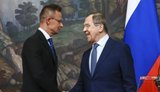 Szijjártó promised to pass Lavrov document on Ukraine’s EU accession: media release another conversation between ministers. AUDIO Investigative journalists have released another audio recording of a conversation between Hungarian Foreign Minister Péter Szijjártó and Russian Foreign Minister Sergei Lavrov. In it, Szijjártó, at Lavrov’s request, agrees to pass along a document on the role of minority languages in the... 10 140 31 Previously in trend: Szijjártó reported to Lavrov for years during EU meetings
Page 1 of 9
more news