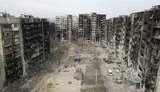
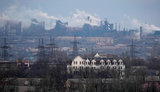
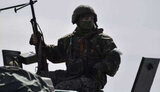
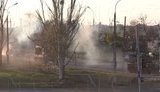
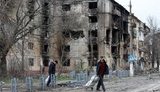
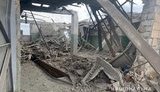
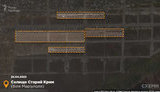
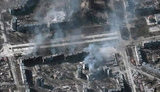
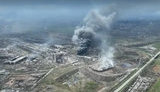
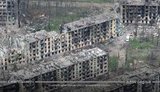
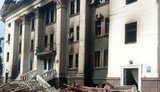
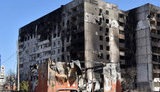
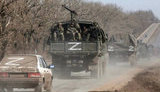
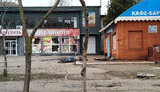
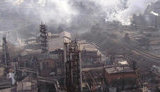
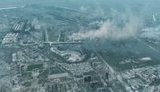
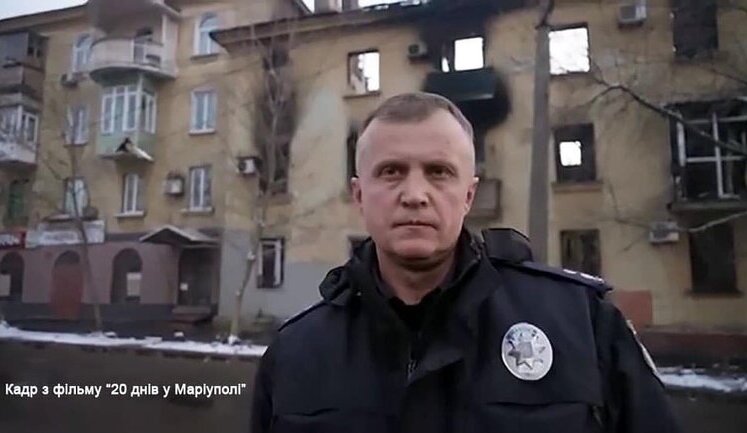
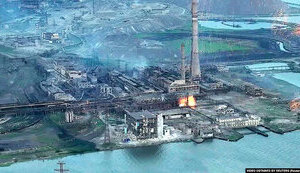
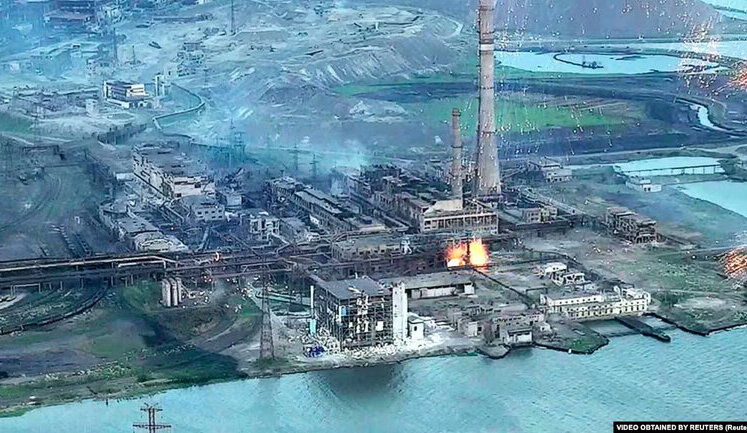
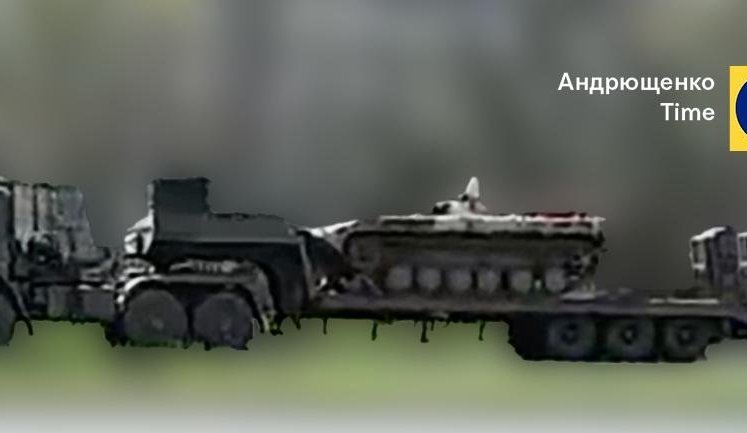
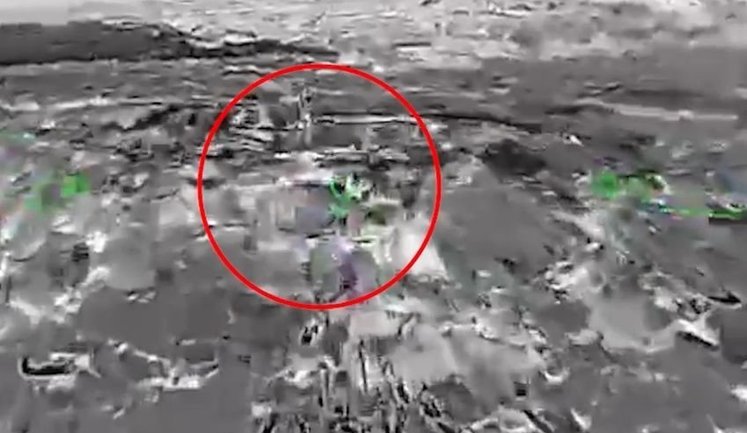
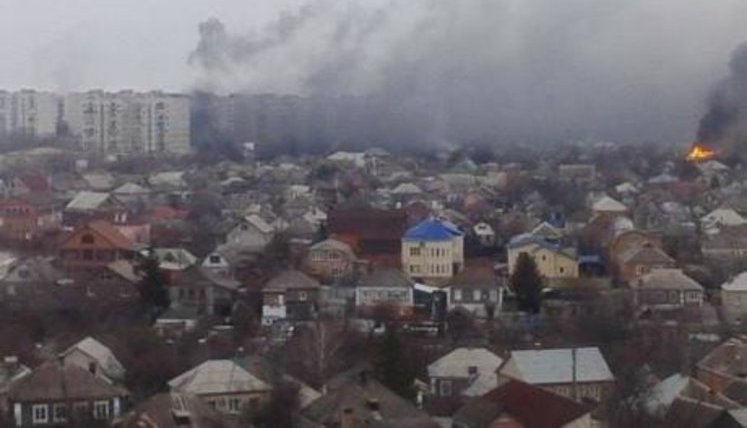
Mariupol, located in the Donetska region of Ukraine, continues to be a focal point of intense conflict in 2026. Reports indicate that Russian forces have been conducting numerous trials, issuing lengthy prison sentences to Ukrainian soldiers involved in defending the city. Additionally, Ukrainian units, such as the Unmanned Systems Forces, successfully targeted Russian air defense systems, including the Pantsir-S1. Furthermore, Russian occupiers are reportedly transporting significant military equipment through the city, heightening tensions. Meanwhile, resistance efforts persist with reports of guerilla activities, highlighting the ongoing struggle for control in Mariupol.
What events have been reported in Mariupol recently?
Mariupol has seen various significant events, including the sentencing of Ukrainian defenders by Russian forces, destruction of enemy air defense systems by Ukrainian units, and mass transport of military equipment. The city's strategic importance remains high amidst ongoing unrest and military activities.
How are Ukrainian forces responding to the occupation of Mariupol?
Ukrainian forces have been actively disrupting Russian military operations in Mariupol. Units like the Unmanned Systems Forces have successfully targeted and destroyed Russian air defense installations. Local resistance groups also conduct activities to challenge occupiers' presence, showcasing persistent defiance.
What are the implications of the Russian military presence in Mariupol?
The Russian military presence in Mariupol poses significant security challenges for Ukraine. The occupation supports logistical operations and staging for further offensive maneuvers in the region. It also disrupts civilian life and suppresses dissent, complicating efforts for peace and return to normalcy.
How have civilians been affected by the situation in Mariupol?
Civilians in Mariupol face dire conditions due to ongoing military actions. Reports of blackouts, heating interruptions, and infrastructure damage have emerged. Humanitarian situations are exacerbated by restricted access to resources, highlighting the severe impact on locals' daily lives.
What international actions have taken place regarding Mariupol?
Internationally, attention to Mariupol includes media coverage by journalists from countries like France and the Netherlands. The situation remains under scrutiny as ongoing conflict garners responses from global organizations concerned with humanitarian and military developments in occupied regions.
What resistance efforts have been observed in Mariupol?
Resistance efforts in Mariupol have included localized sabotages, such as setting fire to occupier bases and disrupting their plans. Civilian expressions of defiance, like public displays of the Ukrainian flag, highlight the strong spirit of resistance against the occupation.