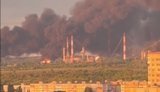
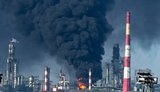
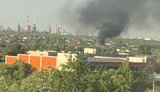
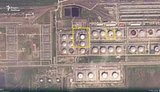
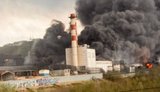
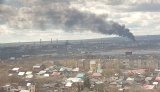
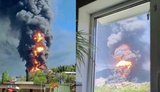
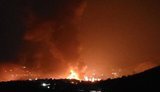
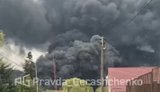
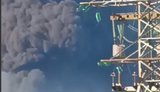
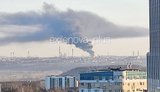
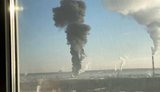
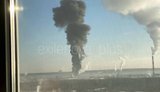
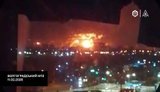
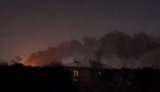
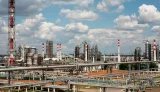
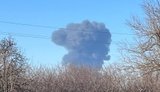
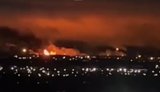
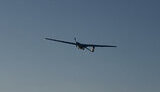
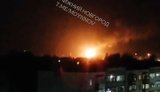
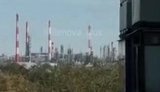
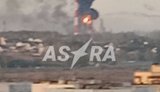
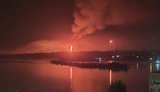
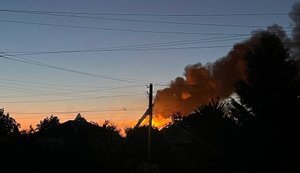
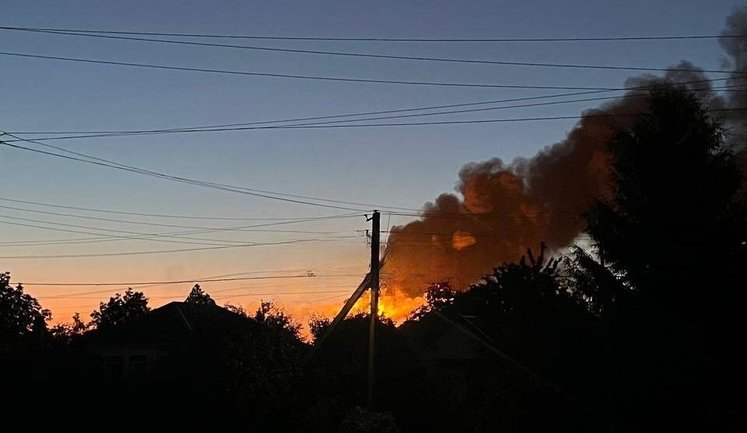
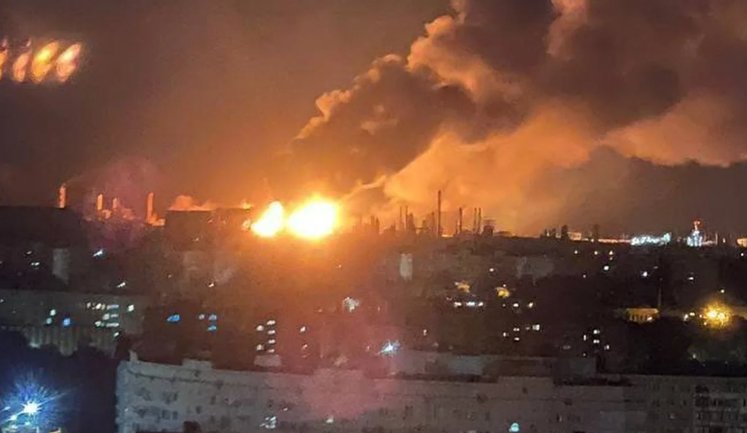
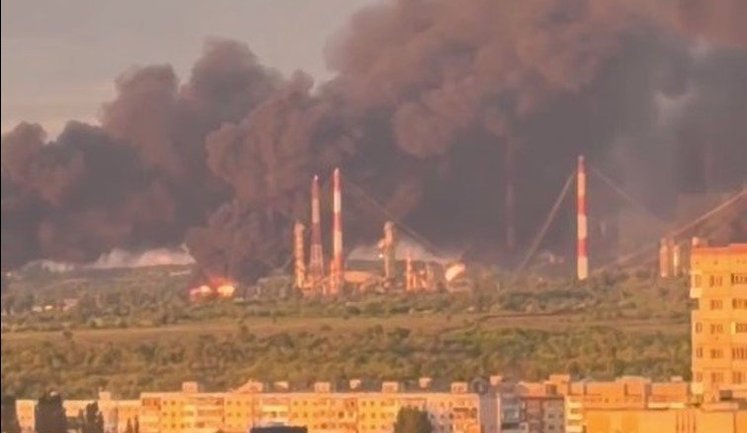
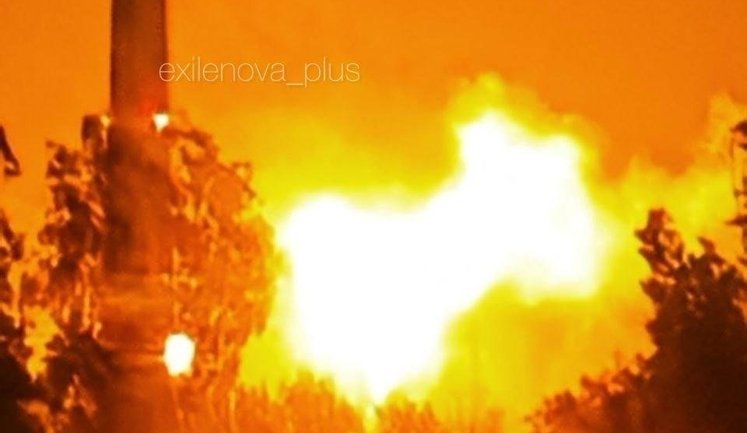
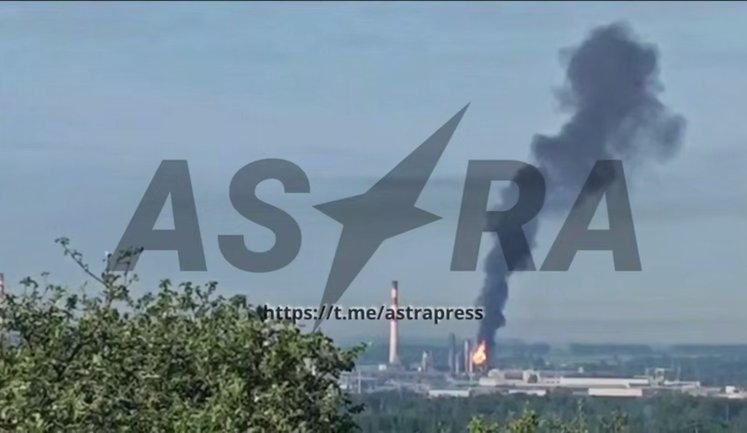
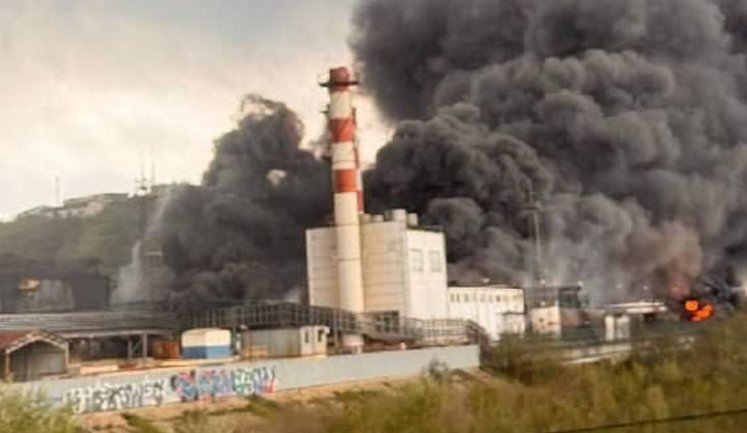
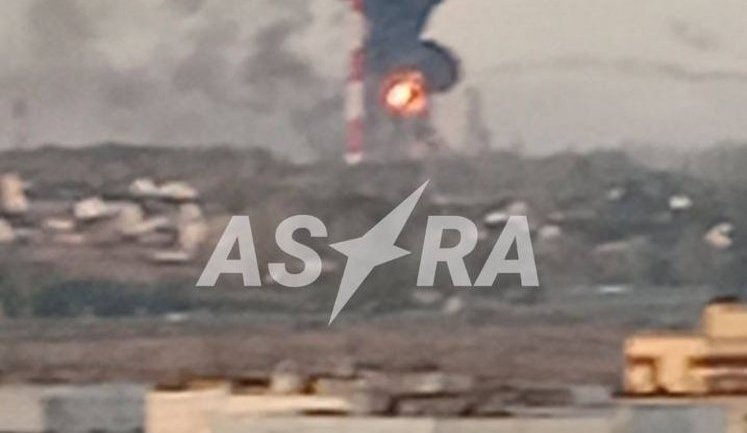
The recent UAV attack on Russia's oil refinery in Tuapse has led to a significant fire, raising alarms over the security of Russian energy facilities. Ukrainian forces have confirmed a double strike, employing long-range drones to target one of Russia's largest refineries. This comes amid increased tanker movements away from Tuapse due to perceived threats of further drone attacks. The General Staff reported successful hits on multiple strategic locations, including oil depots and vessels. These attacks are part of Ukraine's broader strategy to weaken Russian logistics and bolster its negotiation position. Such strikes highlight the ongoing challenges in the region, especially concerning energy infrastructure's vulnerability.
What is the significance of the UAV attack on the oil refinery in Tuapse?
The UAV attack on the oil refinery in Tuapse is significant because it highlights the ongoing conflict's impact on critical energy infrastructure. This refinery is one of Russia's largest, and its damage disrupts not only local operations but also has wider implications for energy security. The attack further showcases the Ukrainian Armed Forces’ ability to target strategic assets within Russia, raising concerns over the operational reach and impact of Ukraine's military tactics in the region.
Why are tankers leaving the port of Tuapse?
Tankers are leaving the port of Tuapse due to the threat of further UAV and drone attacks following the recent strikes. The ongoing conflict and targeted attacks on energy infrastructure such as the oil refinery in Tuapse lead tanker operators to seek safer alternatives to prevent disruptions and potential damage. This strategic repositioning of tankers is a precautionary measure to avoid becoming collateral damage amid the heightened tensions in the region.
How do these attacks affect Ukraine's negotiation position with Russia?
The drone attacks on Russian oil terminals, including the Tuapse refinery, strengthen Ukraine's negotiation position in talks with Russia. By effectively targeting and damaging critical energy infrastructure, Ukraine gains leverage and demonstrates its capacity to disrupt crucial supply lines. This strategic advantage could influence future negotiations, as Ukraine's demonstrated military prowess pressures Russia to reconsider its defensive and diplomatic strategies.
What types of facilities are being targeted by the Ukrainian Armed Forces?
The Ukrainian Armed Forces have been targeting a variety of facilities belonging to the Russian Federation, including oil refineries, oil depots, and other crucial logistical and military infrastructure. These facilities play a vital role in Russia's war efforts by supporting its military machinery and logistics. By focusing on these targets, Ukraine aims to degrade Russia's operational capabilities and weaken its logistical framework. This multi-tiered approach impacts not just military readiness but also economic operations within Russian territories.
What is the role of drones in the current conflict between Ukraine and Russia?
Drones play a pivotal role in the current Ukraine-Russia conflict by providing a versatile tool for reconnaissance and targeted strikes. The use of UAVs allows Ukrainian forces to conduct precise attacks on strategic targets deep within Russian territory without risking personnel. This has proven effective in disrupting Russian logistics and energy infrastructures, such as refineries, contributing to the broader military strategy of weakening the adversary while minimizing direct confrontations. Drones symbolize a modern warfare shift, relying on technology and innovation for strategic advantages.
How have international partners responded to Ukraine's strikes on Russian energy facilities?
International partners have expressed a range of responses to Ukraine's strikes on Russian energy facilities. Some allies have reportedly urged Ukraine to refrain from such strikes to avoid escalating energy tensions and mitigate global supply disruptions. However, others may view these actions as a legitimate defense strategy amid ongoing conflict. This complex geopolitical environment reflects diverging priorities among Ukraine's partners: maintaining stability in energy markets versus supporting Ukraine's military tactics in its defense against Russian aggression.
How might these attacks influence global energy markets?
Attacks on Russian oil refineries, such as those in Tuapse and other strategic locations, may have significant impacts on global energy markets. Given Russia's role as a major energy supplier, any disruption in its oil production affects international supply chains, potentially leading to higher prices and volatility. These impacts are exacerbated by ongoing geopolitical tensions and the reciprocal effects of sanctions and countermeasures. Continued strikes could further strain supplies, influence market dynamics, and challenge energy security across regions relying on Russian exports.