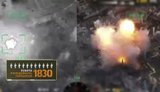
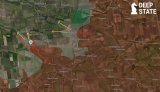
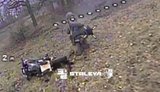
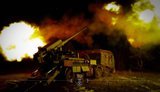
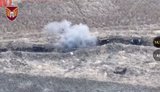
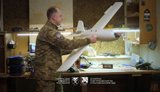
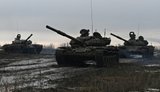
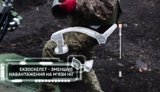
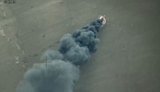
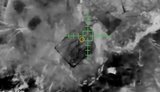
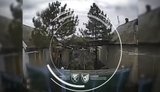
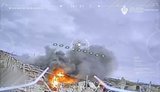
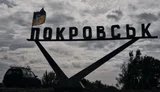
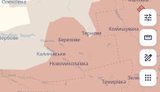
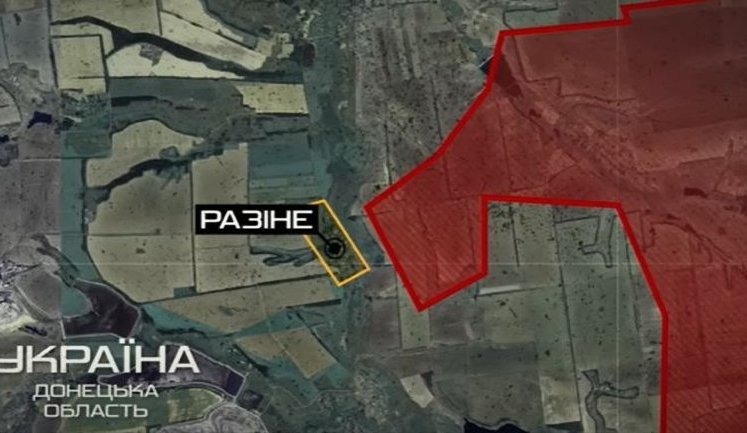
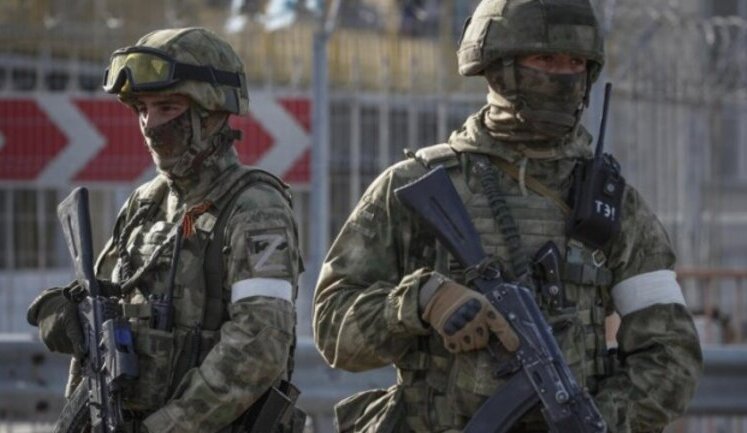
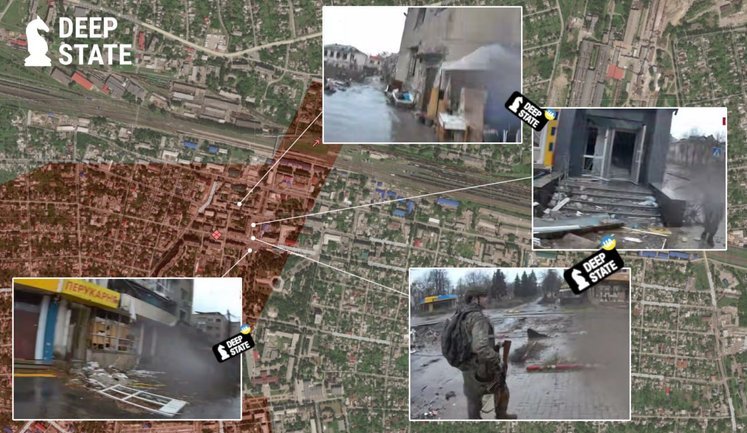
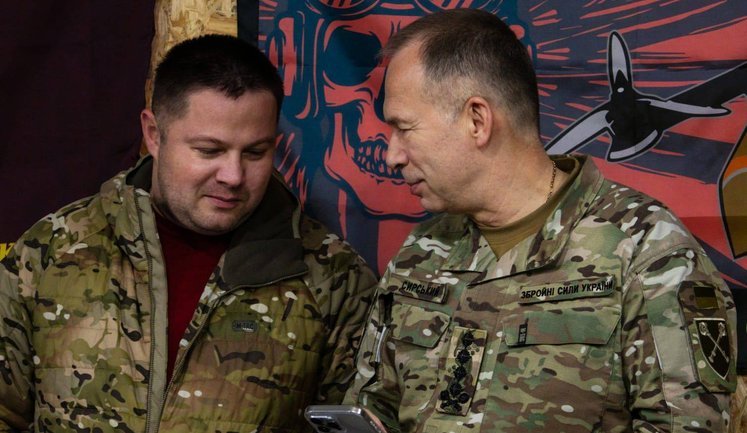
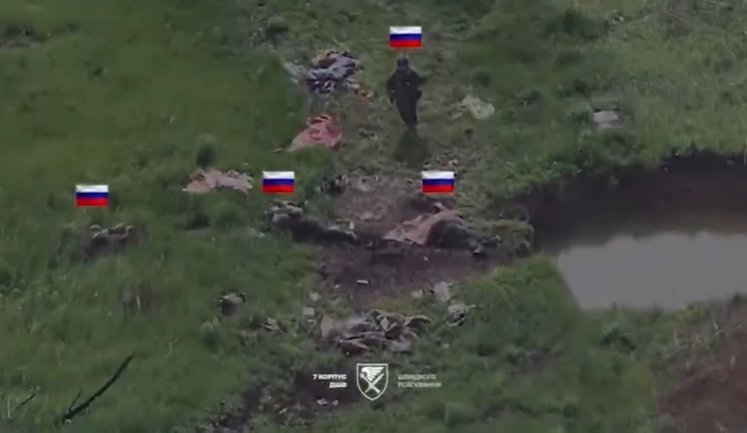
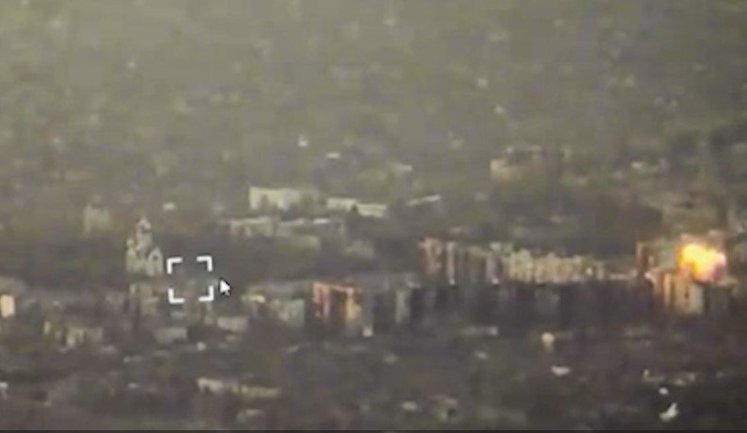
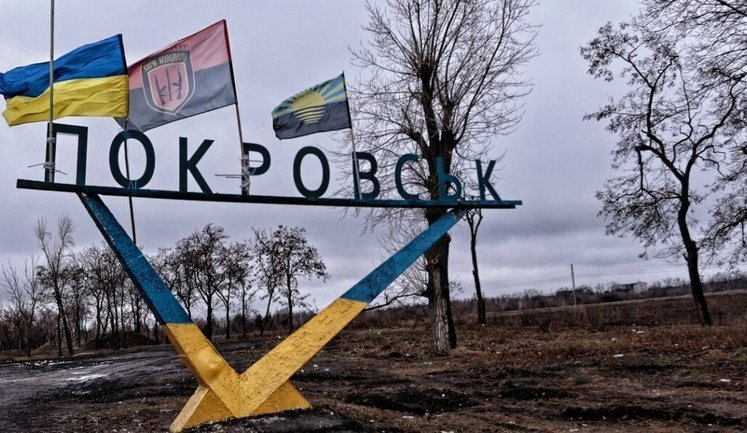
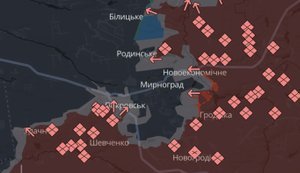
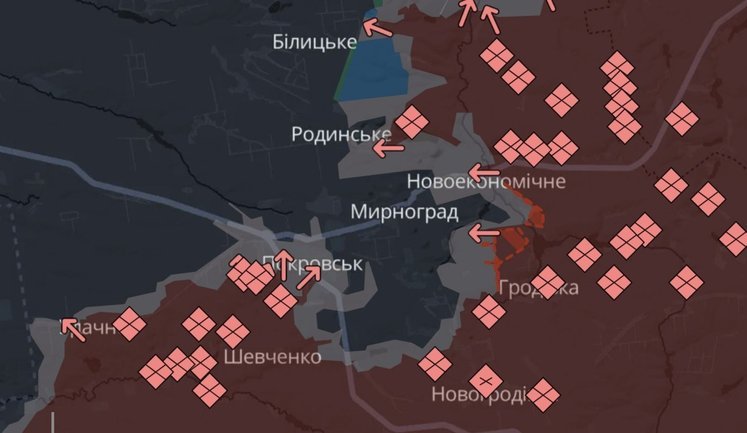
The Pokrovsk direction remains a critical hotspot in the ongoing conflict, with Russian forces deploying elite units despite inadequate equipment. Ukrainian defenders, including the 25th Airborne Assault Brigade and "Chervona Kalyna" brigade, have successfully captured multiple enemy personnel. Recent operations have also seen the elimination of Russian troops through drone strikes by the SSU "Alpha" unit and precision airstrikes on tactical positions. The General Staff reported 45 clashes on the front, emphasizing the significant opposition in Pokrovsk and Kostiantynivka sectors. The 427th Brigade "RAROG" and other advanced drone units have played pivotal roles in disrupting enemy maneuvers and demolishing equipment. The use of robotic systems and infiltration tactics by Russian forces underscores the evolving nature of combat strategies in this region.
What challenges are Ukrainian forces facing in the Pokrovsk direction?
Ukrainian forces in Pokrovsk are encountering significant challenges, including assaults by elite Russian units and the use of infiltration tactics. Despite this, they have successfully captured enemy personnel and repelled numerous attacks. Drones and airstrikes have been instrumental in countering these threats, but the intensity of the combat and the pressure from continuous assaults require adaptive strategies and robust defenses.
How are drones being utilized in the Pokrovsk combat operations?
Drones have been highly effective in the Pokrovsk direction, used for targeted strikes against troop concentrations and equipment. Units like the SSU "Alpha" and 427th Brigade "RAROG" have deployed UAVs to deliver precision attacks, disrupt enemy formations, and gather vital intelligence. This technology has increased flexibility and provided a decisive edge in ongoing operations.
What has been the impact of Russian elite units in Pokrovsk?
The deployment of Russian elite units in Pokrovsk has added complexity to the front-line dynamics. These forces, despite lacking adequate equipment, have engaged in attempts to breach Ukrainian defenses. The Ukrainian military's ability to capture enemy soldiers and inflict casualties highlights their resilience and tactical gains despite the elevated threat level posed by these units.
What role do robotic and unmanned systems play in the current conflict?
Robotic and unmanned systems are increasingly significant in the Pokrovsk conflict. Engaging in infiltration tactics, these systems are used for reconnaissance, precision targeting, and disrupting enemy maneuvers. Their application by both sides reveals a shift towards more advanced warfare techniques, emphasizing speed, precision, and reduced human risk in combat operations.
Can you detail the tactical significance of recent Ukrainian airstrikes in Pokrovsk?
Recent Ukrainian airstrikes in Pokrovsk have been tactically significant, targeting and eliminating high-value enemy positions and equipment. These precision strikes not only inflict direct losses on Russian forces but also serve to disrupt their strategic operations and morale. Such air superiority plays a crucial role in maintaining strong defensive lines and achieving battlefield control.
What are the reported numbers of combat engagements in Pokrovsk in recent weeks?
In recent weeks, combat engagements in the Pokrovsk direction have been significant, with reports indicating hundreds of clashes involving various Ukrainian brigades defending against aggressive Russian advances. These frequent skirmishes highlight the intensity and strategic importance of this sector in the broader military conflict.
How has the terrain affected military strategies in Pokrovsk?
The terrain in Pokrovsk has influenced military operations considerably, affecting both movement and tactical decisions. Narrow passages and urban settings provide challenges but also opportunities for ambush tactics and drone operations. Control of elevated and open areas remains crucial to establishing dominance and effectively countering aggressor forces attempting to gain a strategic foothold.